Introduction
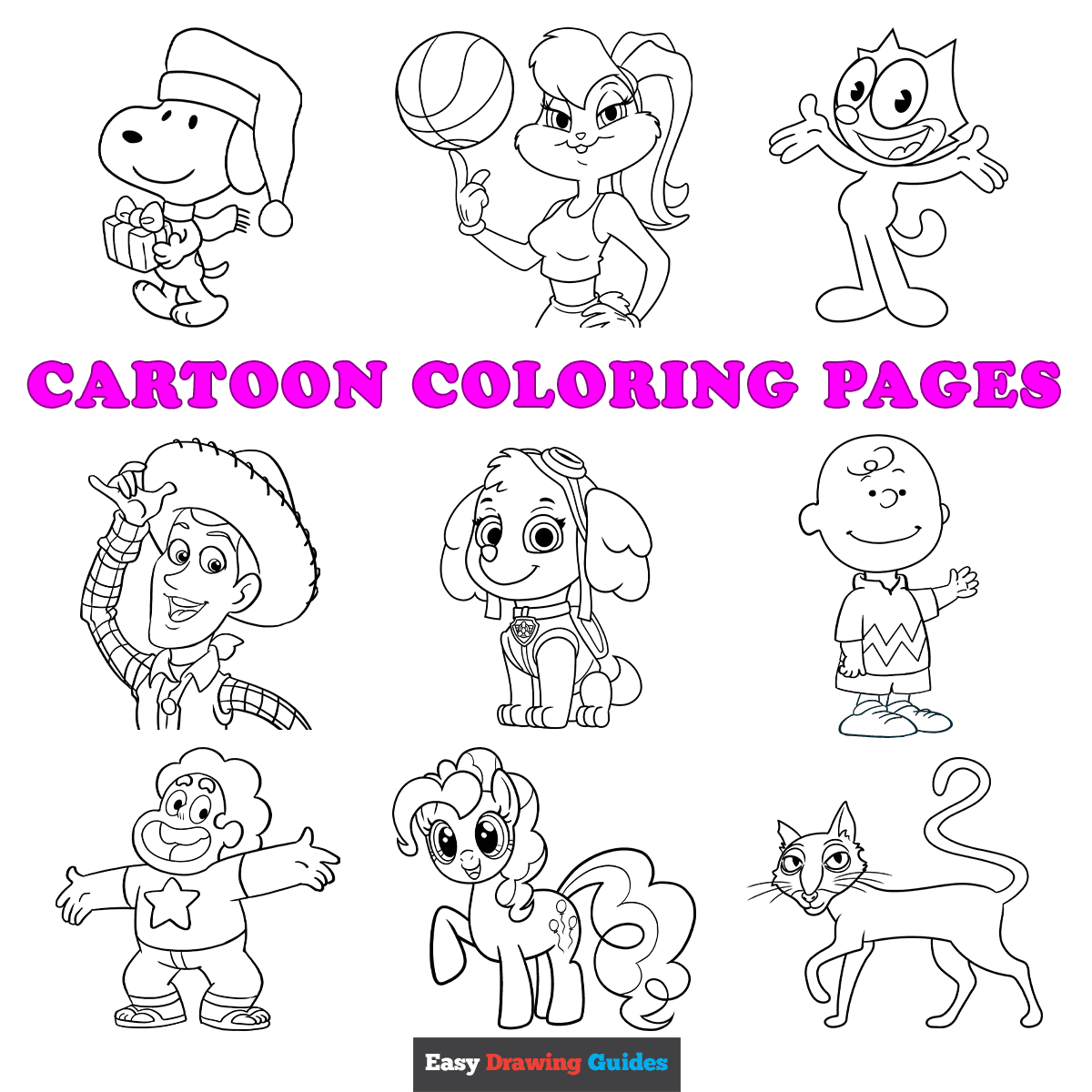
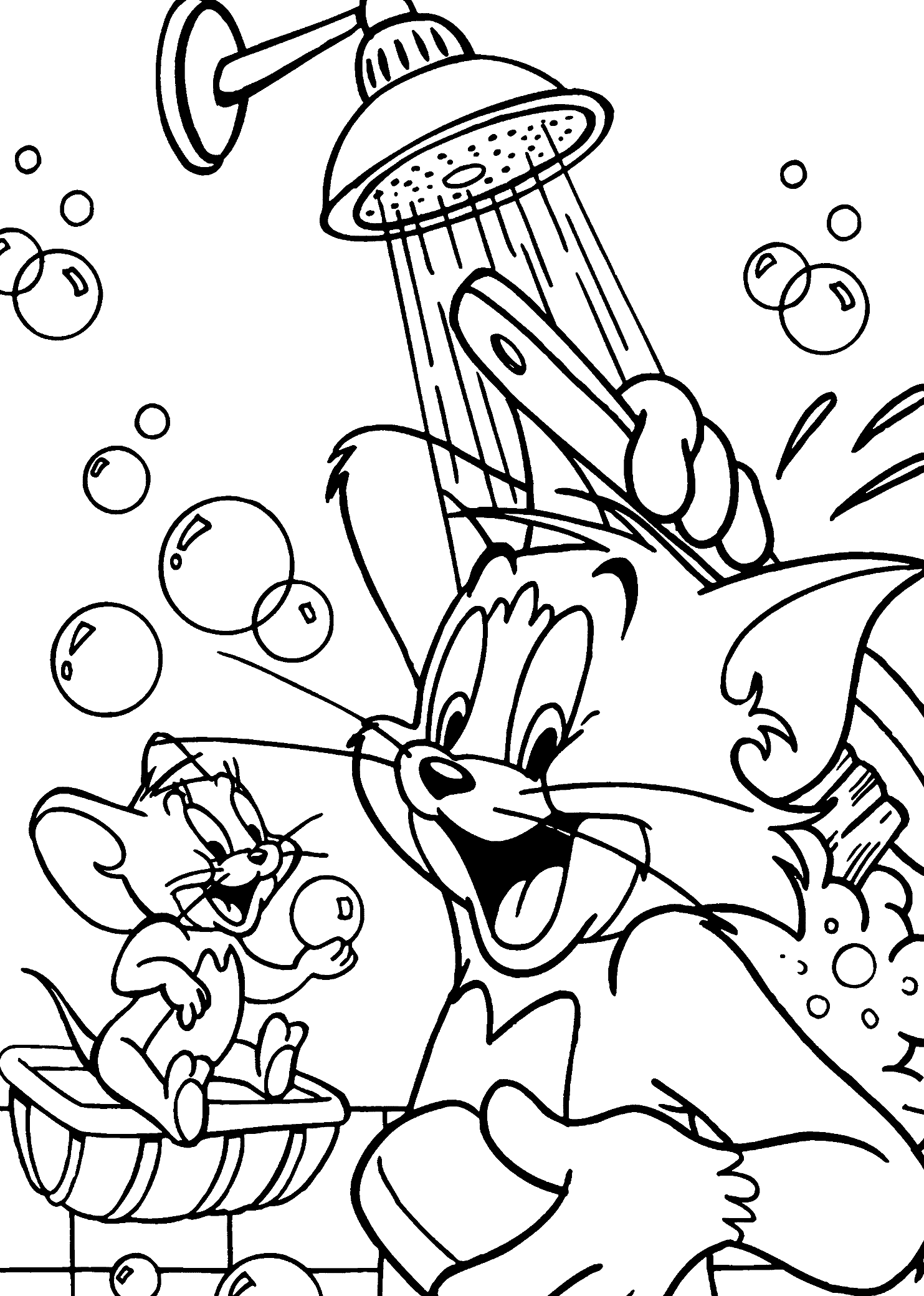
Coloring pages cartoon represent structured visual templates featuring bold-lined, simplified animated characters that accelerate early childhood motor control and visual literacy. According to the National Art Education Association (NAEA), structured graphic materials effectively support the development of spatial awareness, fine-motor dexterity, and cognitive concentration in young learners. These printable resources bridge the gap between recreational drawing and rigorous fine-motor skill acquisition by utilizing familiar, engaging character outlines that naturally invite sustained focus. Educators and parents regularly integrate high-quality visual sheets into daily curricula to foster pencil grip, color theory comprehension, and hand-eye coordination without demanding complex preparatory instruction.
Visual Learning & Skill Snapshot:
- Core Focus: Utilizing bold-lined, animated character templates to cultivate foundational fine-motor proficiency and visual engagement.
- Target Skill: Fine-motor proportion, boundary control, visual tracking, and cognitive concentration.
- Key Recommendation: Pair structured character sheets with varied tactile instruments to maximize palmar and pincer grasp development.
Core Principles and Learning Overview
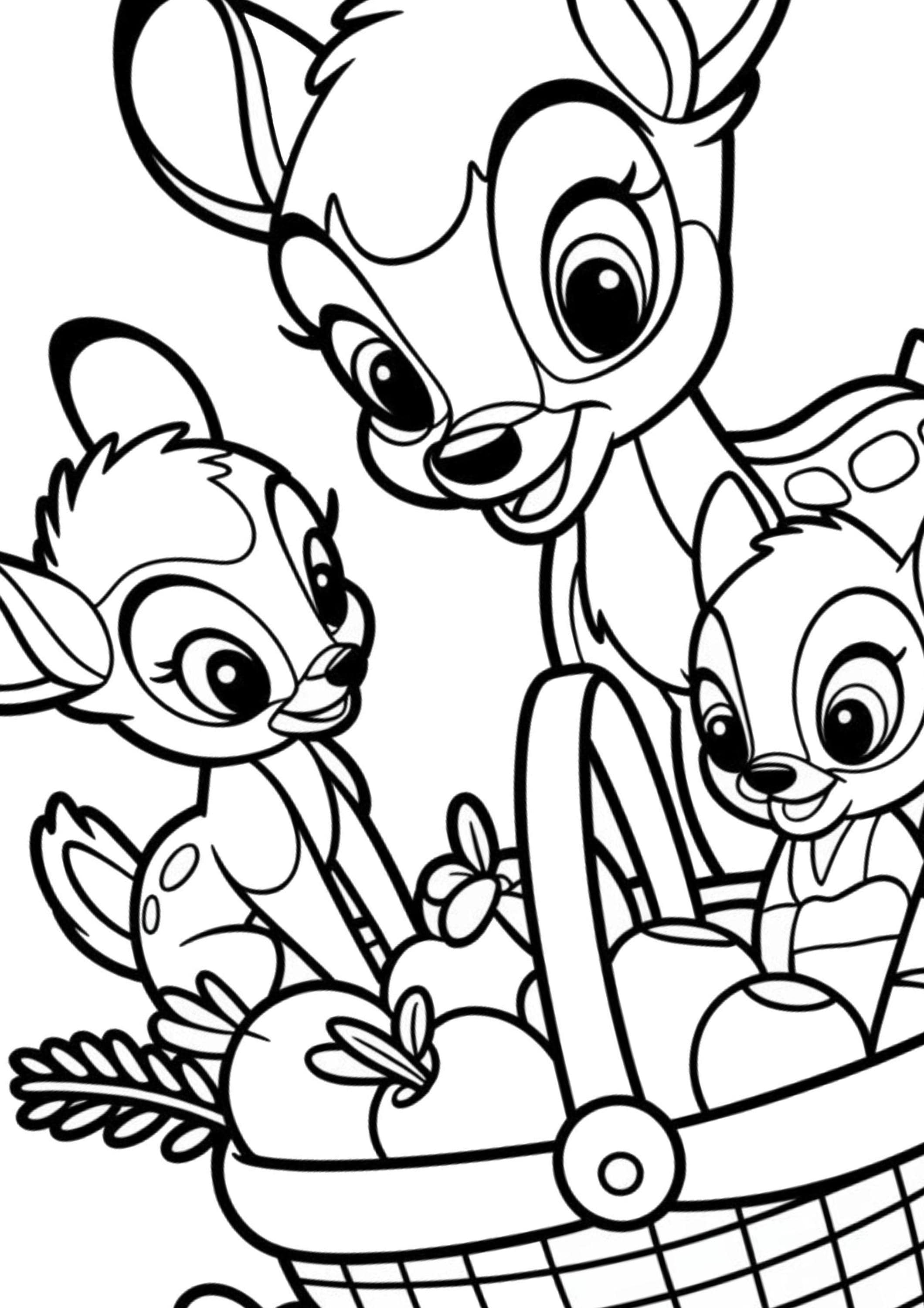
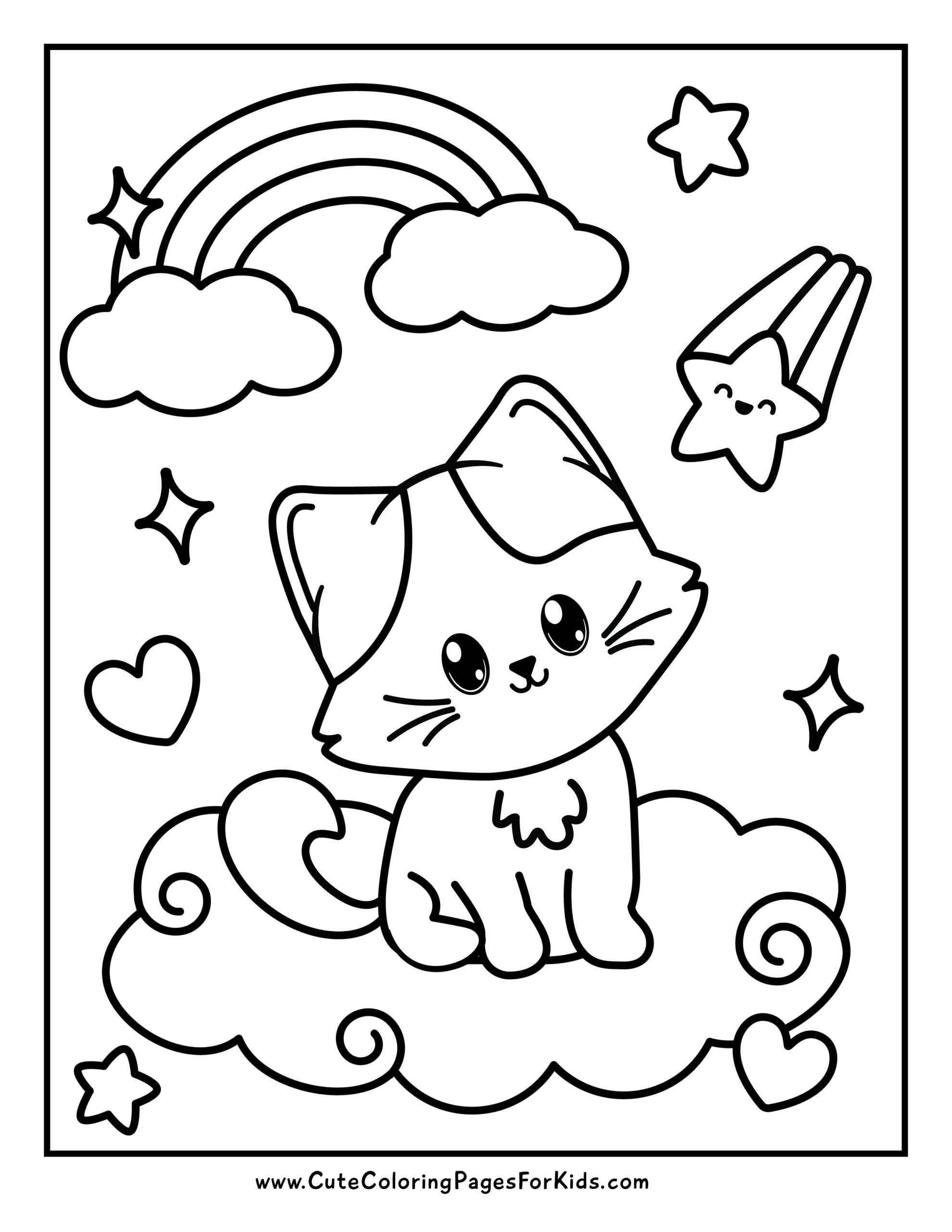
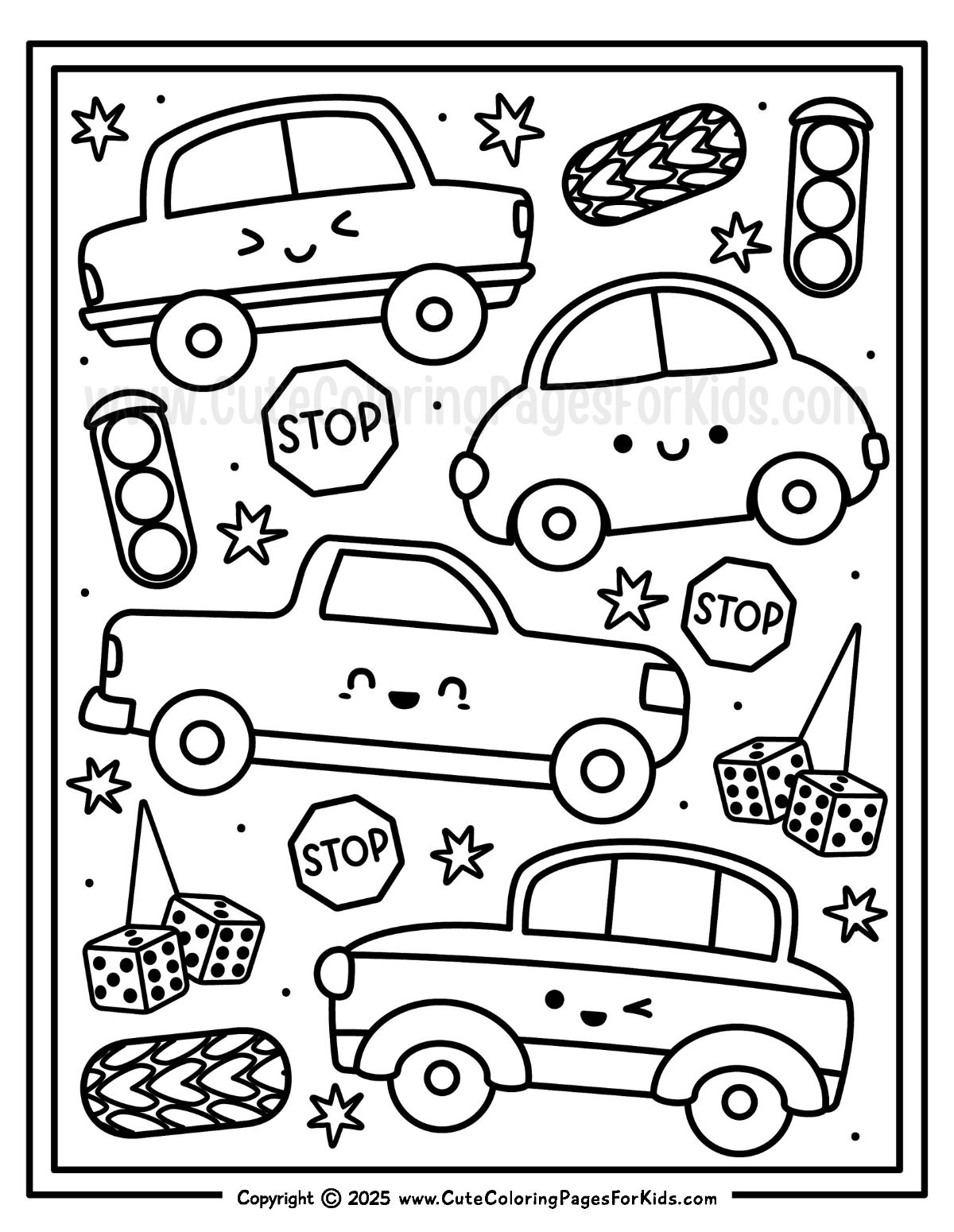
Structured coloring pages cartoon serve as vital cognitive scaffolds that translate abstract artistic boundaries into concrete physical actions for developing children. The thick outlines characteristic of cartoon graphics provide immediate visual feedback, allowing emerging artists to easily discern containment zones and practice deliberate stroke direction. By engaging with these specific Coloring Pages, students build confidence through successful completion while simultaneously reinforcing hand muscles necessary for fluent handwriting. Furthermore, these materials encourage intentional color selection, narrative comprehension, and visual discrimination, laying a robust groundwork for advanced Drawing Worksheets as learners mature.
Key Specifications and Breakdown
| Age / Learning Stage | Visual Skill & Ratio | Pedagogical Application & Scaffolding |
|---|---|---|
| Ages 3-4 (Early Preschool) | Thick outlines, large scale, minimal internal detail. | Focuses on gross motor control and whole-hand palmar grasp stamina. |
| Ages 5-6 (Kindergarten) | Moderate proportions, distinct closed shapes, familiar themes. | Develops pincer grasp, boundary awareness, and basic color-blocking. |
| Ages 7-8 (Early Elementary) | Complex cartoon scenes, nuanced shading areas, varied line weights. | Refines spatial reasoning, pattern integration, and artistic patience. |
Early art experiences that incorporate structured visual outlines significantly enhance bilateral coordination and neurological pathway formation in preschool children. — National Art Education Association (NAEA)
Step-by-Step Practical Application and Guidelines
Implementing coloring pages cartoon effectively requires a systematic approach to material selection, workspace preparation, and physical guidance. Educators should begin by selecting developmentally appropriate templates that match the fine-motor capabilities of the specific group of children. Next, supply a diverse range of writing instruments, such as jumbo crayons for toddlers or colored pencils for older elementary students, to support varying grip developments. Encourage children to outline the borders of the character first before filling in the interior space, promoting strategic planning over impulsive scribbling. Finally, integrate these sheets into broader thematic lessons, pairing printed templates with related Art Activities and hands-on Printable Crafts to deepen conceptual understanding.
Common Challenges and How to Avoid Them
Frustration during coloring sessions typically stems from selecting overly intricate templates or forcing immature hand grips before muscles have properly developed. Educators and parents can prevent discouragement by ensuring line complexity aligns strictly with the biological age and dexterity level of the child. When children rush through coloring sheets or press down with excessive force, prompt them to pause, adjust their seating posture, and experiment with lighter, rhythmic strokes. Providing verbal encouragement focused on effort rather than perfection maintains intrinsic motivation and ensures that art time remains a positive, confidence-building experience.
💬 Frequently Asked Questions
Conclusion and Next Steps
Incorporating thoughtfully designed visual resources into daily routines empowers children to build essential fine-motor control, spatial reasoning, and creative confidence. Educators, parents, and homeschoolers seeking to expand their creative toolkit can explore an extensive library of professional educational assets by visiting Coloring Pages today.
Printable Coloring Page Previews