Introduction
Drawing worksheets for beginners serve as foundational cognitive tools that systematically bridge fine-motor skill development with early visual-spatial literacy. According to the National Art Education Association (NAEA), structured early drawing experiences directly enhance cognitive mapping, spatial reasoning, and hand-eye coordination in young children. By breaking complex forms down into manageable lines, shapes, and grids, these structured templates eliminate blank-page anxiety and instill baseline artistic confidence in early elementary learners. Integrating systematic Drawing Worksheets into daily curriculums provides the necessary scaffolding for children to transition from scribbling to intentional, representative mark-making.
Visual Learning & Skill Snapshot:
- Core Focus: Systematic line, shape, and proportion decomposition for early visual learners.
- Target Skill: Spatial reasoning, visual discrimination, fine-motor proportion, and line control.
- Key Recommendation: Pair structured tracing sequences with freeform exploratory Art Activities to foster balanced creativity.
Core Principles and Learning Overview
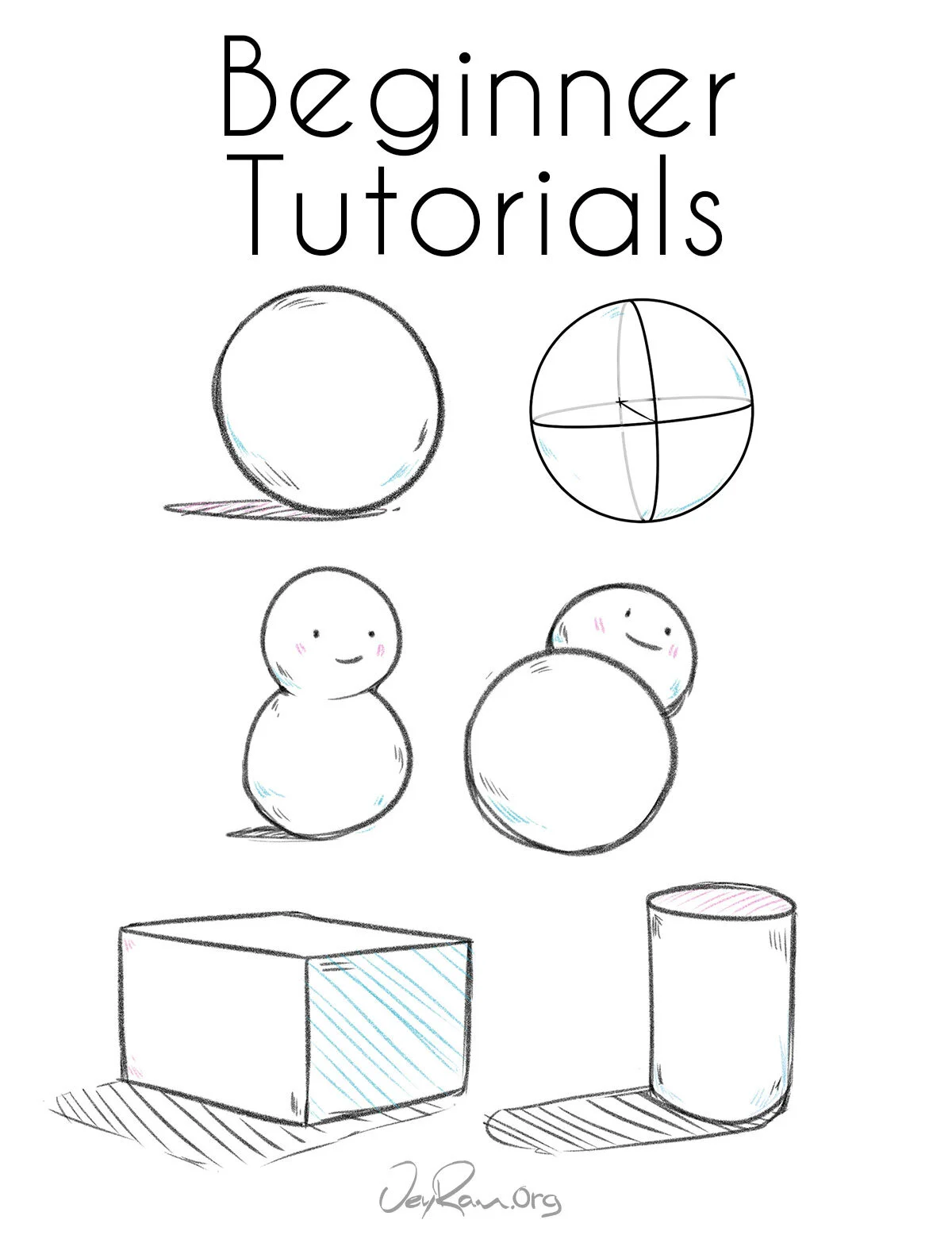
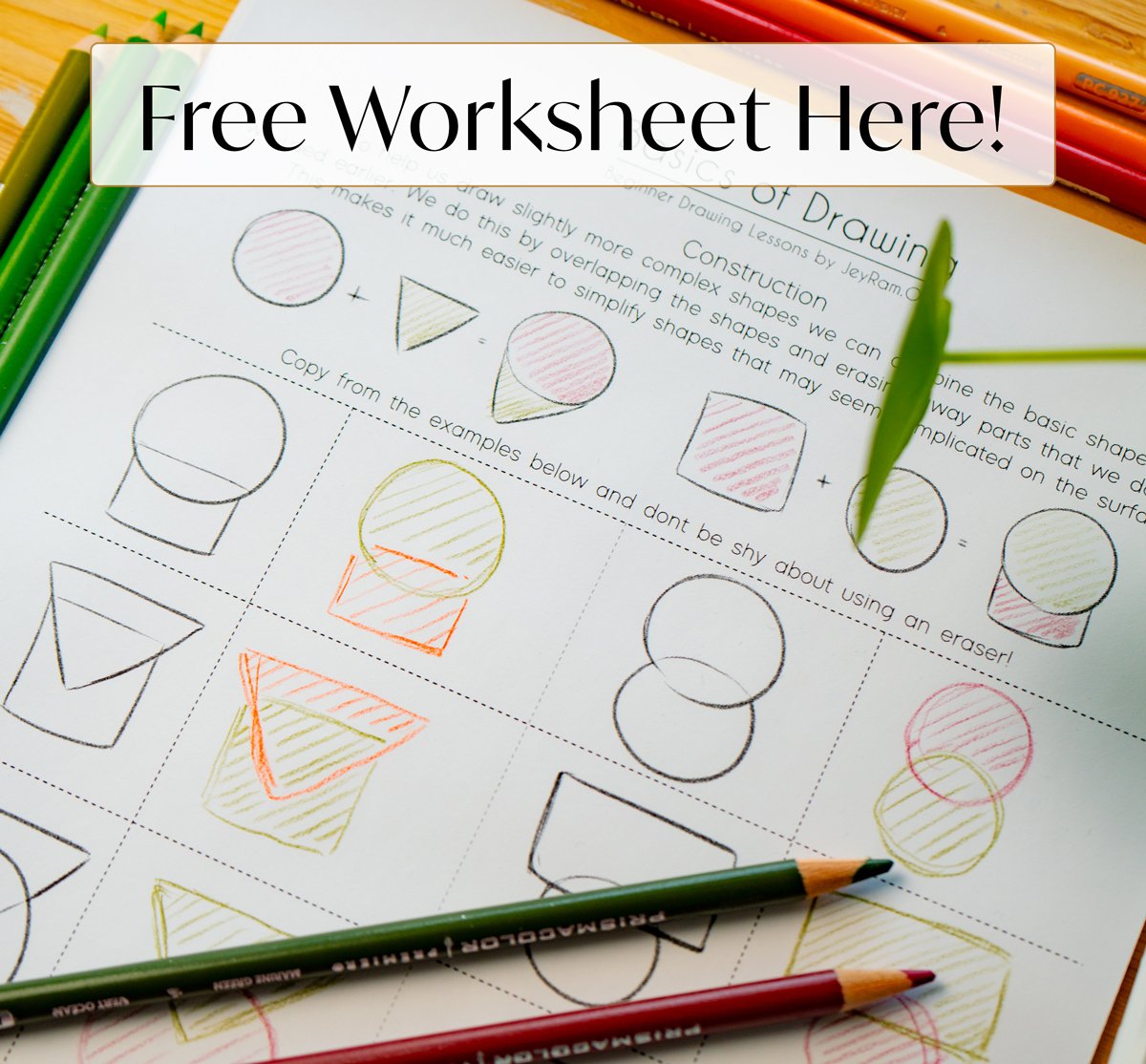
Drawing worksheets for beginners function on the principle of progressive visual scaffolding, transitioning the child from simple geometric tracing to independent free-hand reproduction. Cognitive load theory dictates that introducing drawing tasks in small, sequenced steps prevents overwhelming the developing working memory. Educators utilize these printable resources to teach essential visual concepts such as overlapping, scale, symmetry, and perspective without requiring advanced verbal instruction. As children trace dashed lines, complete symmetrical halves, and follow step-by-step grid drawings, neural pathways responsible for visual-motor integration strengthen rapidly, creating a seamless bridge toward more advanced Printable Crafts and detailed compositions.
Key Specifications and Breakdown
| Age / Learning Stage | Visual Skill & Ratio | Pedagogical Application & Scaffolding |
|---|---|---|
| Ages 3-4 (Early Explorer) | Vertical/Horizontal Line Tracking, Basic Shapes | Utilize continuous dot-to-dot and thick-line tracing to build grip strength and basic shape recognition. |
| Ages 5-6 (Emerging Artist) | Proportional Decomposition, Grid Copying | Deploy quadrant-based drawing sheets to teach spatial orientation and relative scale sizing. |
| Ages 7-8 (Fluent Beginner) | Negative Space, Overlapping Forms, Detail | Implement step-by-step directional drawing guides that require independent translation of complex contours. |
Structured drawing tasks significantly improve bilateral hand coordination and visual-motor integration when practiced consistently through scaffolded templates — National Art Education Association (NAEA). Related guide: Drawing Sheets Bundle.
Step-by-Step Practical Application and Guidelines
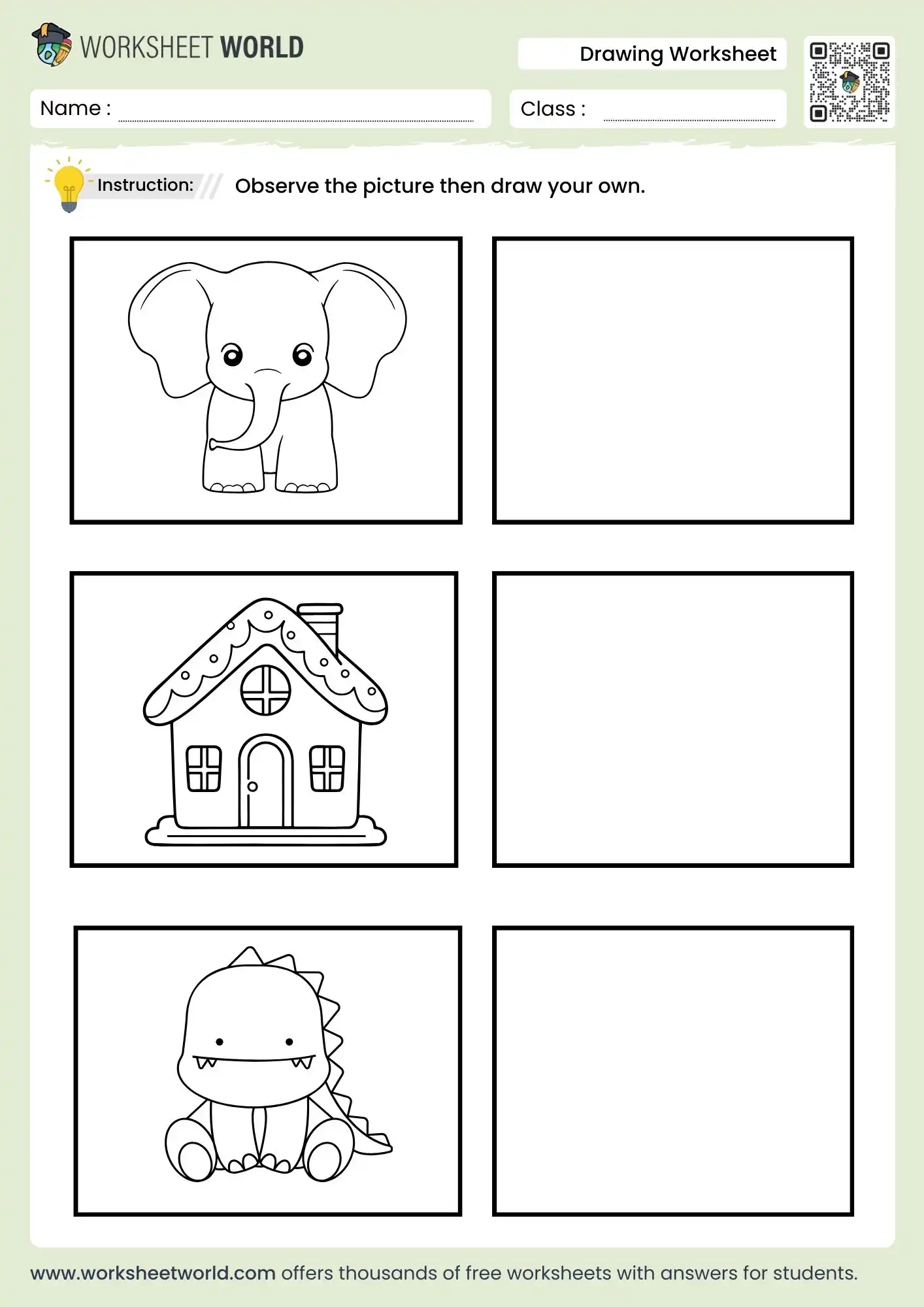
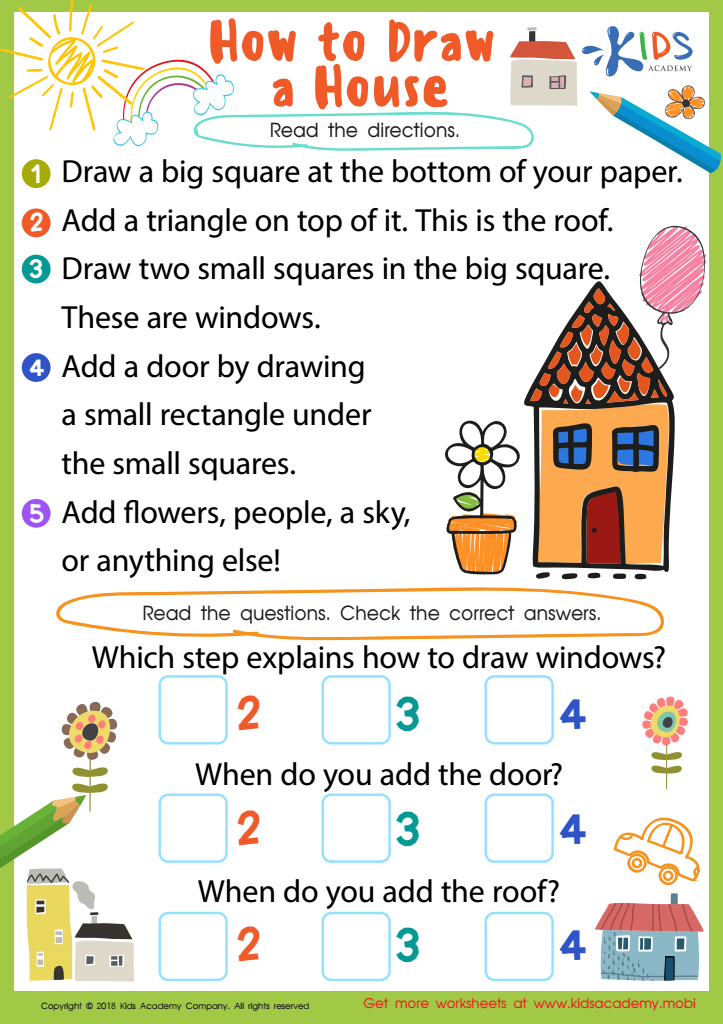
Implementing drawing worksheets for beginners requires a deliberate environment setup and appropriate drawing tool selection to maximize engagement and minimize frustration. Begin by securing the printable worksheet to a flat surface using low-tack tape to prevent slipping during fine-motor execution. Educators should provide triangular or ergonomic writing utensils that naturally encourage a proper tripod grasp, paired with smooth, high-weight paper that withstands repeated erasing. Guide learners through the sheet sequentially, starting with the isolated element breakdown before attempting the final consolidated illustration. Supplementing these linear drawing exercises with vibrant Coloring Pages allows young artists to apply shading and color theory to the forms they have just learned to construct independently.
Common Challenges and How to Avoid Them
Rushing proportions and experiencing perfectionist paralysis are the most frequent hurdles young learners face when encountering new drawing challenges. Educators can mitigate perfectionism by framing mistakes as constructive steps in the creative process rather than errors requiring immediate erasure. If a child struggles with maintaining scale across a grid worksheet, breaking the visual field down into smaller index-card-sized segments reduces visual clutter and cognitive strain. Ensuring that worksheets feature high-contrast outlines and ample white space prevents sensory overload, enabling children to focus entirely on stroke accuracy and form replication without distraction.
💬 Frequently Asked Questions
Conclusion and Next Steps
Mastering fundamental drawing techniques lays an indispensable foundation for all future academic and artistic endeavors, fostering both cognitive flexibility and self-expression. Parents and educators are encouraged to explore the extensive library of high-quality resources available at ColorLeaf Studio, featuring a diverse collection of Drawing Worksheets tailored to every developmental stage.
Worksheet Previews & Reference Materials