Introduction
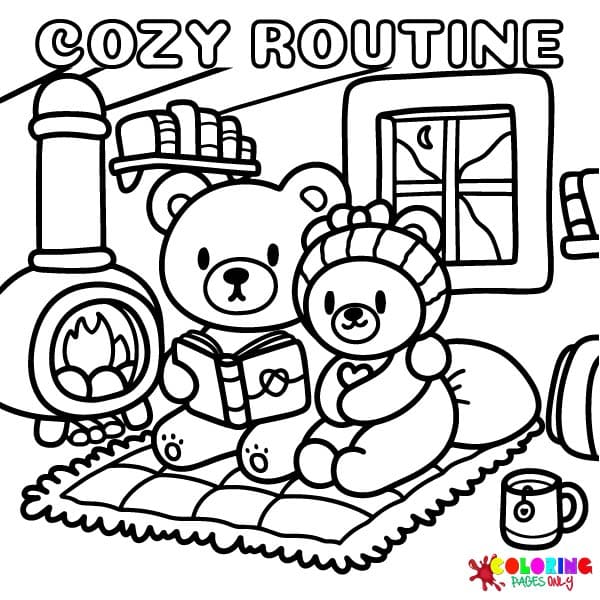
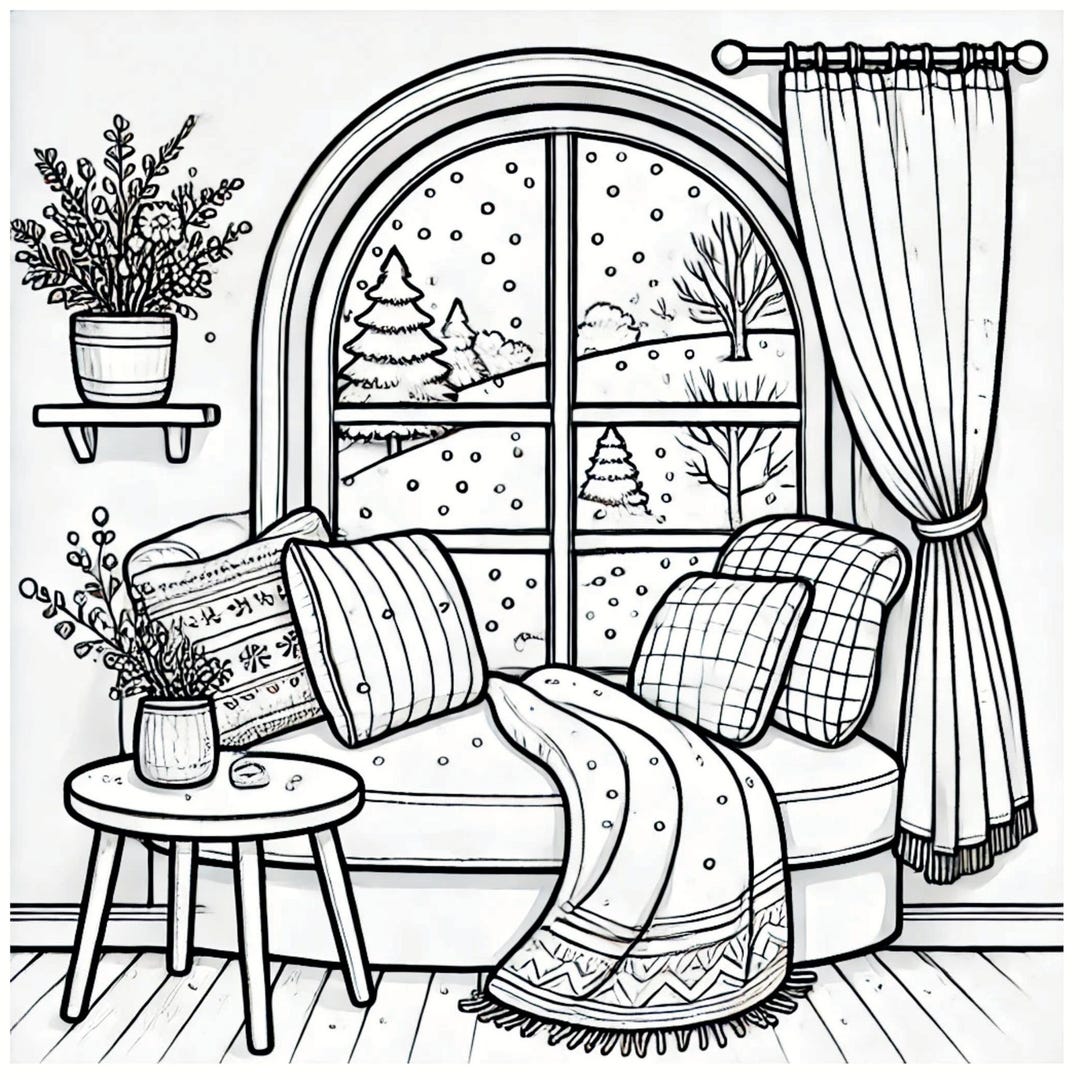
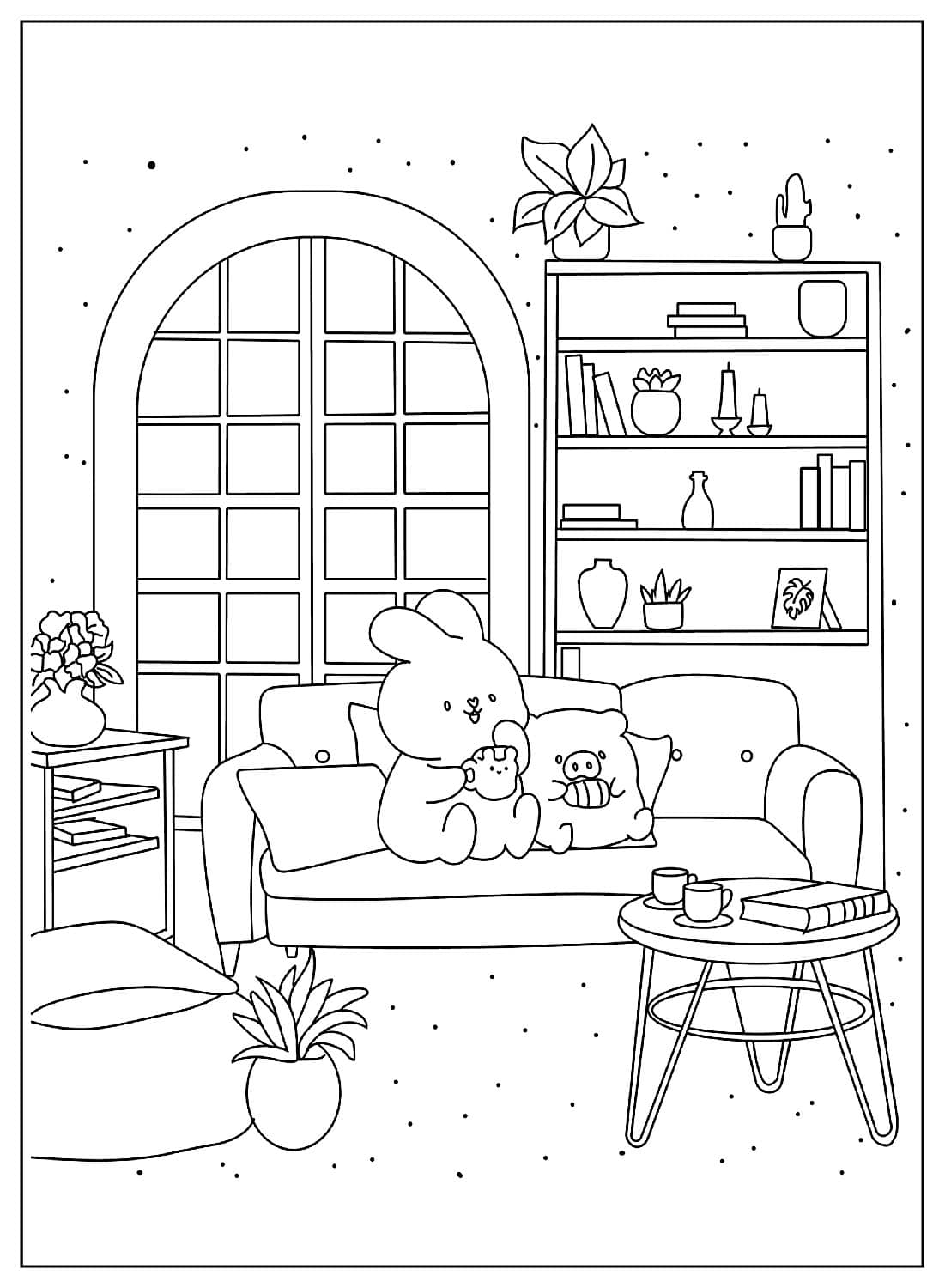
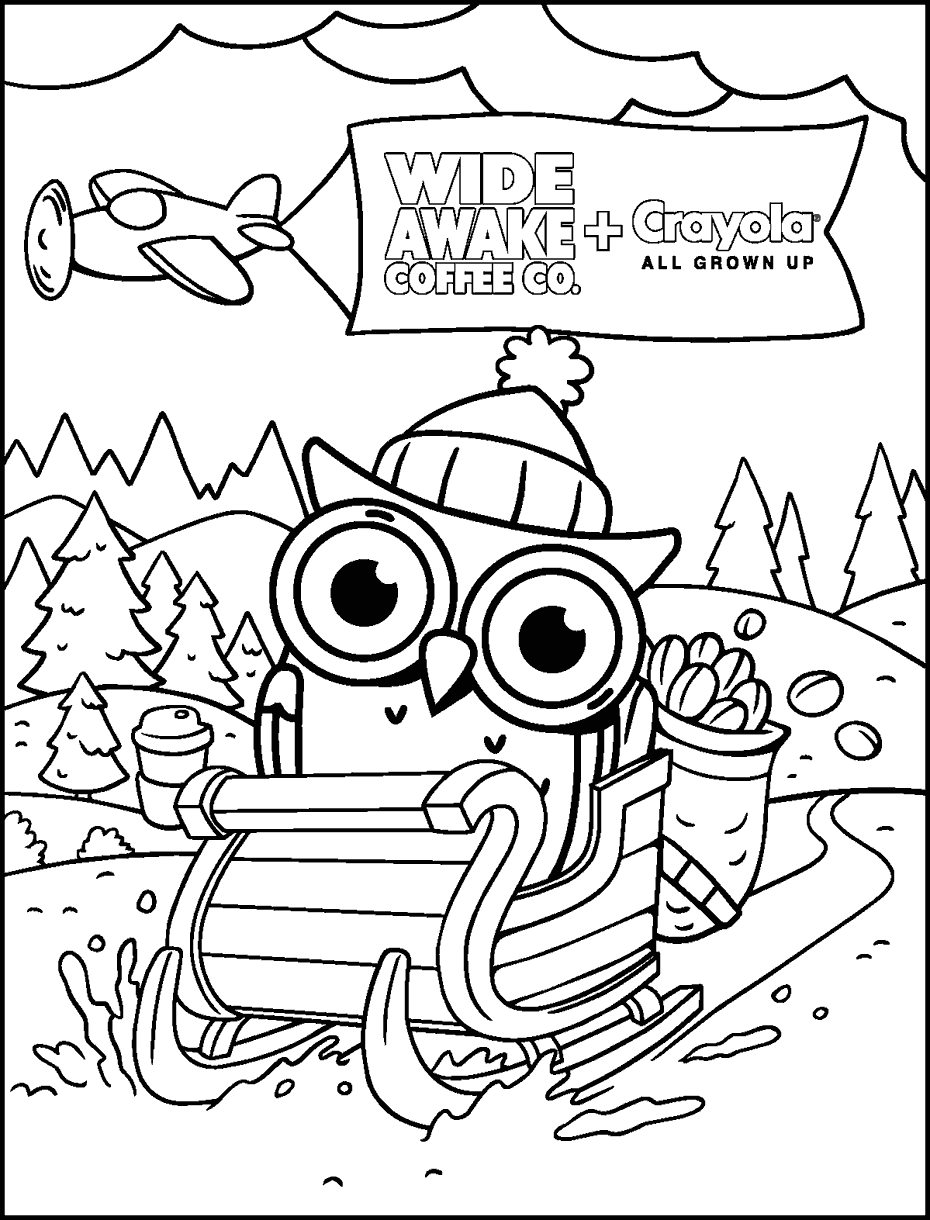
Coloring pages cozy represent intentionally curated, comforting domestic and nature-inspired visual compositions designed to lower cognitive load and promote calm focus during early childhood creative development. According to the National Art Education Association (NAEA), structured visual arts experiences that integrate comforting, familiar environmental motifs significantly enhance emotional regulation, spatial awareness, and fine-motor precision in young learners. Integrating specialized Coloring Pages into daily instructional schedules bridges the gap between structured cognitive tasks and open-ended artistic expression.
Visual Learning & Skill Snapshot:
- Core Focus: Comforting, low-stimulus compositional designs featuring domestic interiors, warm drink motifs, and gentle nature scenes.
- Target Skill: Fine-motor control, visual-spatial calibration, and emotional self-regulation through artistic engagement.
- Key Recommendation: Pair high-density coloring sheets with broader Art Activities to reinforce tactile exploration and medium versatility.
Core Principles and Learning Overview
Cozy-themed artistic sheets utilize thick, clean outlines and balanced negative space to support children navigating early stages of pencil grasp and visual tracking. Direct answer: These printable assets optimize neurological development by providing predictable, reassuring shapes that encourage sustained attention spans without inducing visual fatigue. Educators utilizing these materials often transition children from basic sheets into targeted Drawing Worksheets that demand higher levels of independent line replication. The deliberate balance of intricate textures and expansive fill areas teaches children how to modulate pressure, manage color distribution, and respect spatial boundaries.
Key Specifications and Breakdown
| Age / Learning Stage | Visual Skill & Ratio | Pedagogical Application & Scaffolding |
|---|---|---|
| Ages 3-4 (Early Years) | Broad strokes, large boundary ratios (80% fill, 20% detail) | Utilize thick marker tools to build foundational palmar and pincer grasp strength. |
| Ages 5-7 (Kindergarten/Grade 1) | Balanced negative space, moderate detail calibration | Integrate colored pencils to practice directional shading and pressure control. |
| Ages 8+ (Early Elementary) | Complex patterns, high micro-detail density | Combine with Printable Crafts for multi-media dimensionality. |
Structured art experiences that incorporate familiar, low-stress environmental imagery measurably reduce classroom anxiety and promote sustained cognitive immersion in young children. — National Art Education Association (NAEA). Related guide: Coloring Pages Princess.
Step-by-Step Practical Application and Guidelines
Implementing cozy artistic resources effectively requires a deliberate setup that prioritizes workspace ergonomics and appropriate dry media selection. Direct answer: Educators and caregivers must first print sheets on heavyweight cardstock to prevent bleed-through, establish a well-lit flat surface, and provide a curated palette of six to eight cohesive hues to prevent cognitive overload. Adults should guide learners to identify the primary focal point of the artwork before coloring outwards toward the background, fostering methodical planning skills. Allowing children to dictate their own color schemes within comforting thematic frameworks preserves intrinsic motivation while refining visual discrimination.
Common Challenges and How to Avoid Them
Children frequently experience hand fatigue or frustration when attempting overly intricate sections without prior fine-motor preparation. Direct answer: Mitigate physical strain by limiting coloring sessions to fifteen-minute intervals and providing triangular grip pencils that naturally align fingers into an ergonomic posture. When learners rush through detailed areas, instructors can introduce tactile tracking tools or boundary games to slow down execution speed and encourage mindful craftsmanship. Providing varied paper weights also resolves issues related to tearing and surface buckling caused by heavy wax or water-based marker applications.
💬 Frequently Asked Questions
Conclusion and Next Steps
Nurturing both cognitive development and emotional well-being through intentional visual arts materials establishes a lifelong foundation for creative confidence. Educators, homeschoolers, and parents are encouraged to explore the comprehensive library of free instructional materials available on the main Coloring Pages directory to expand their creative teaching toolkits today.
Printable Coloring Page Previews