Introduction
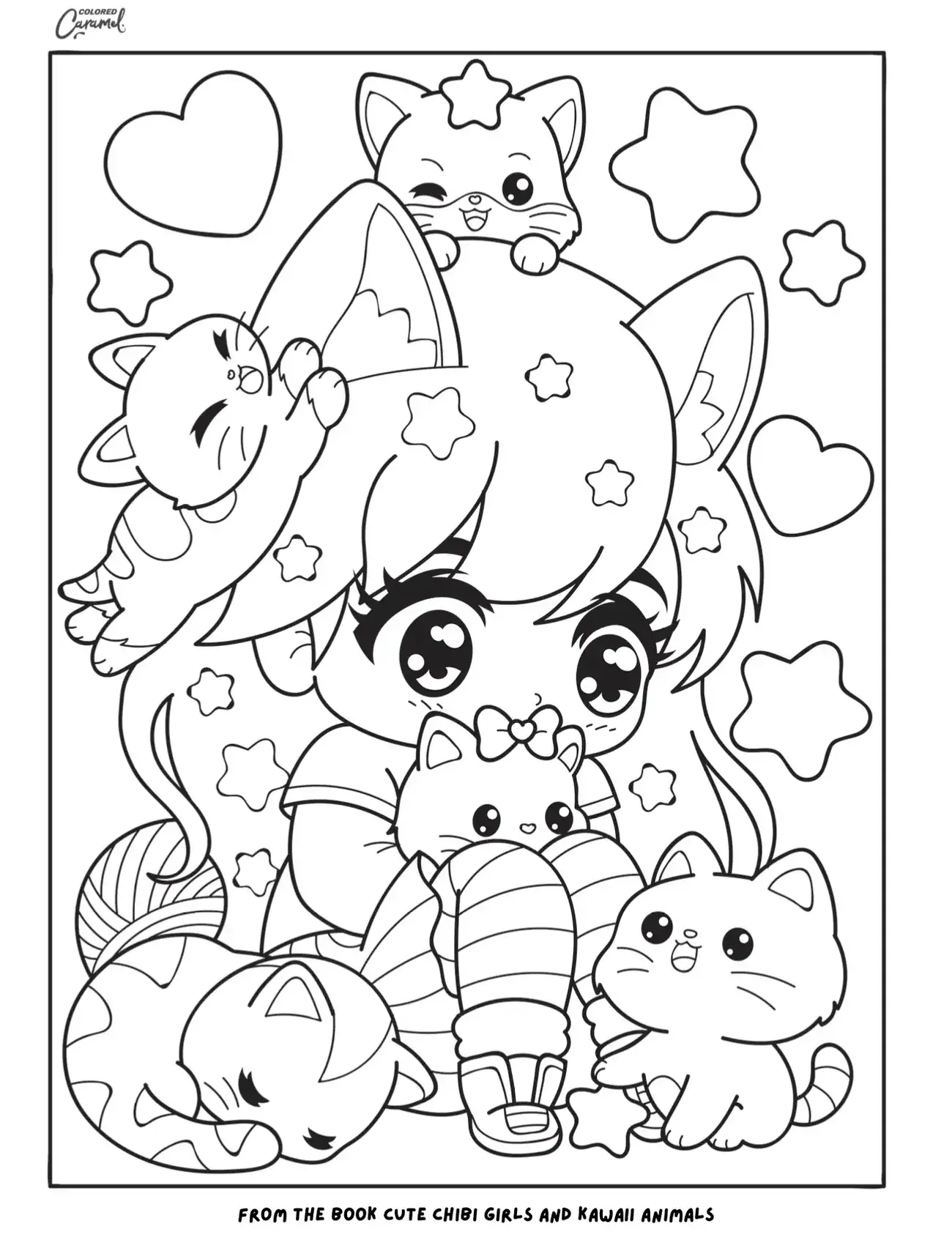
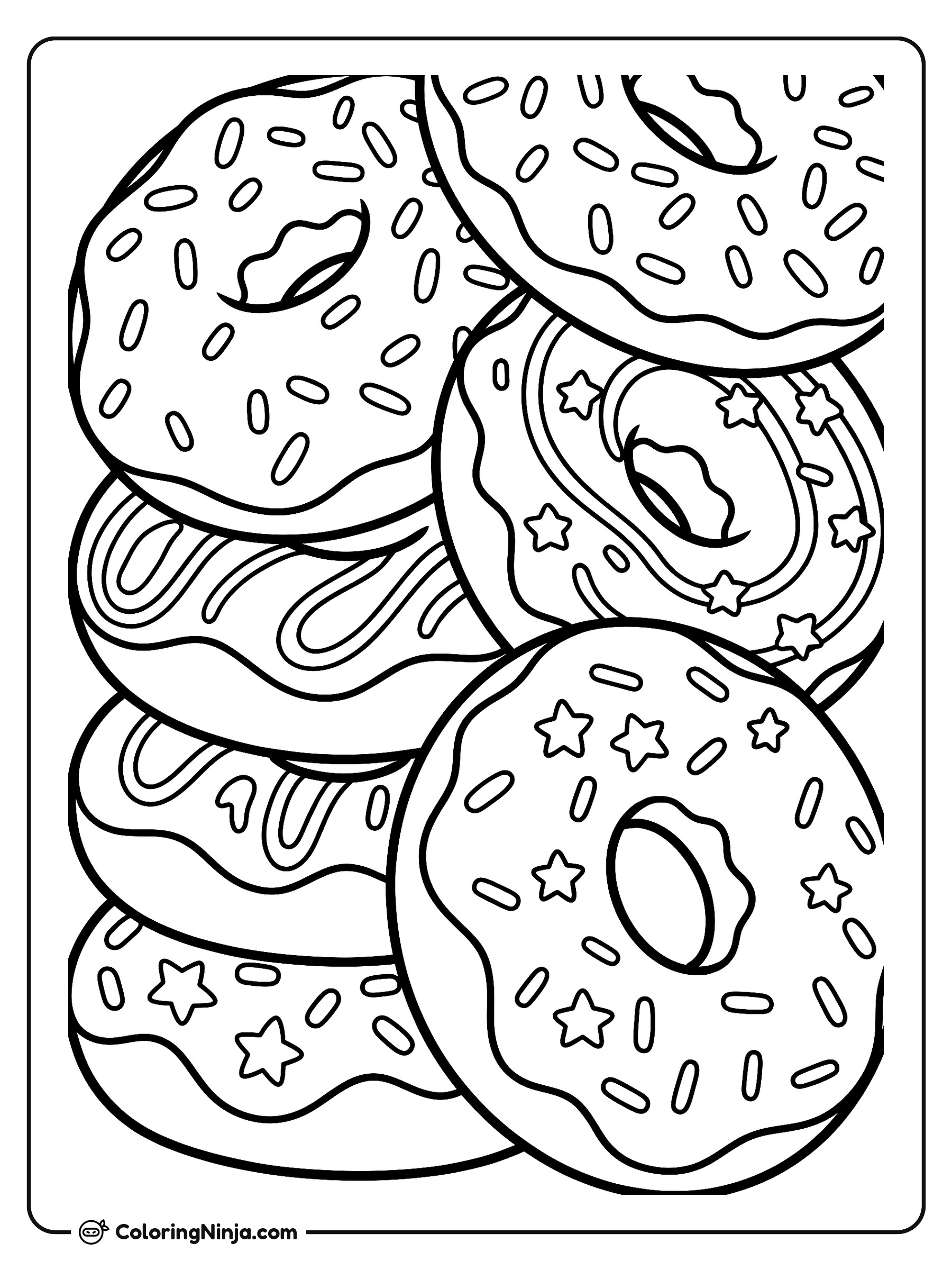
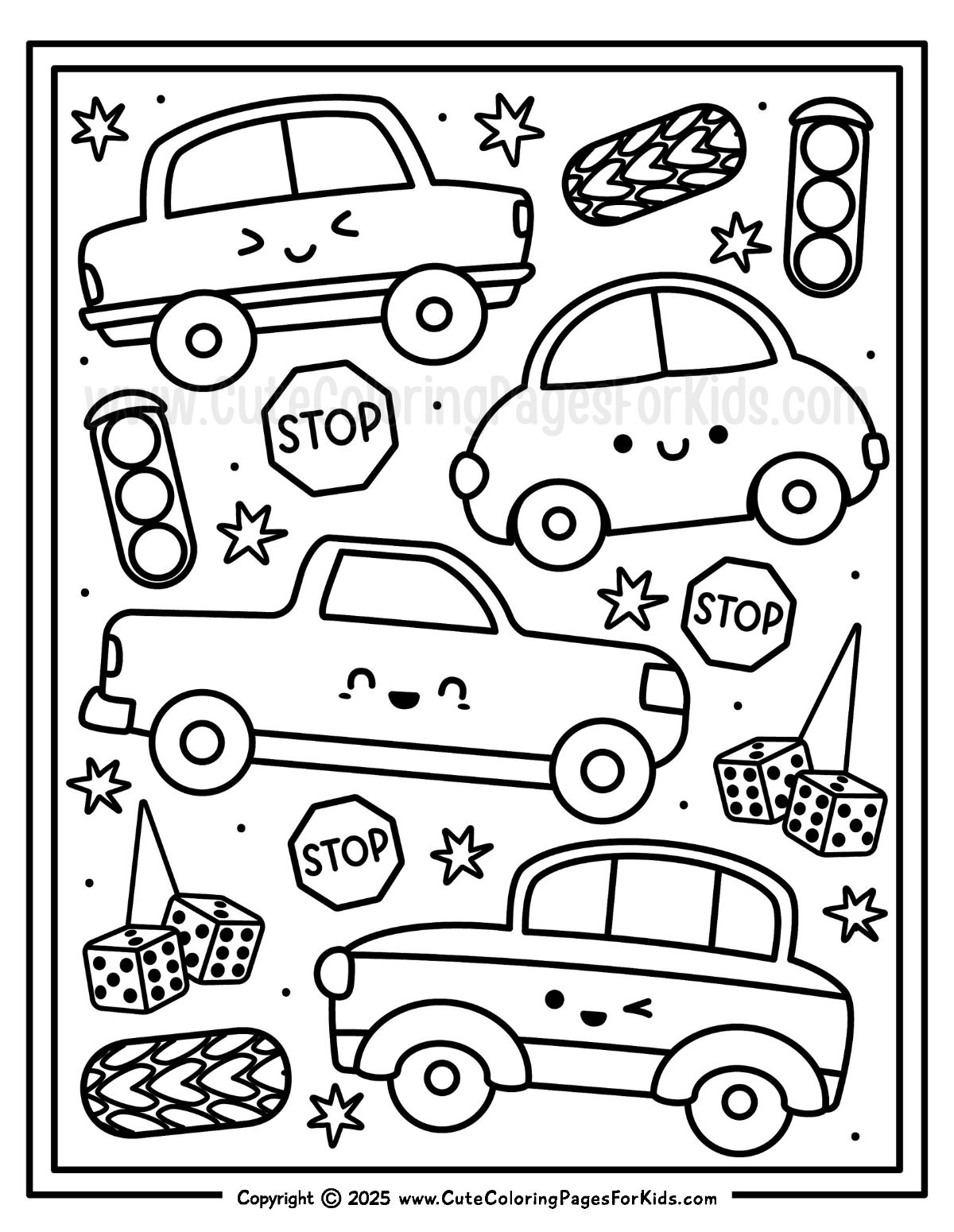
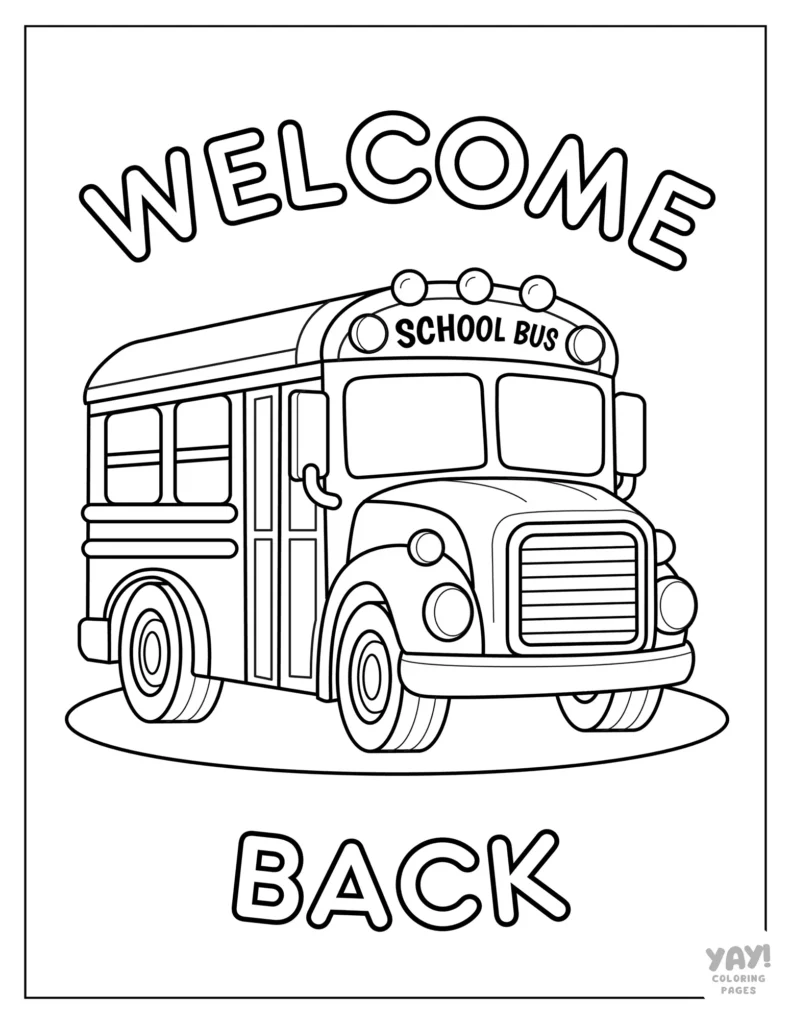
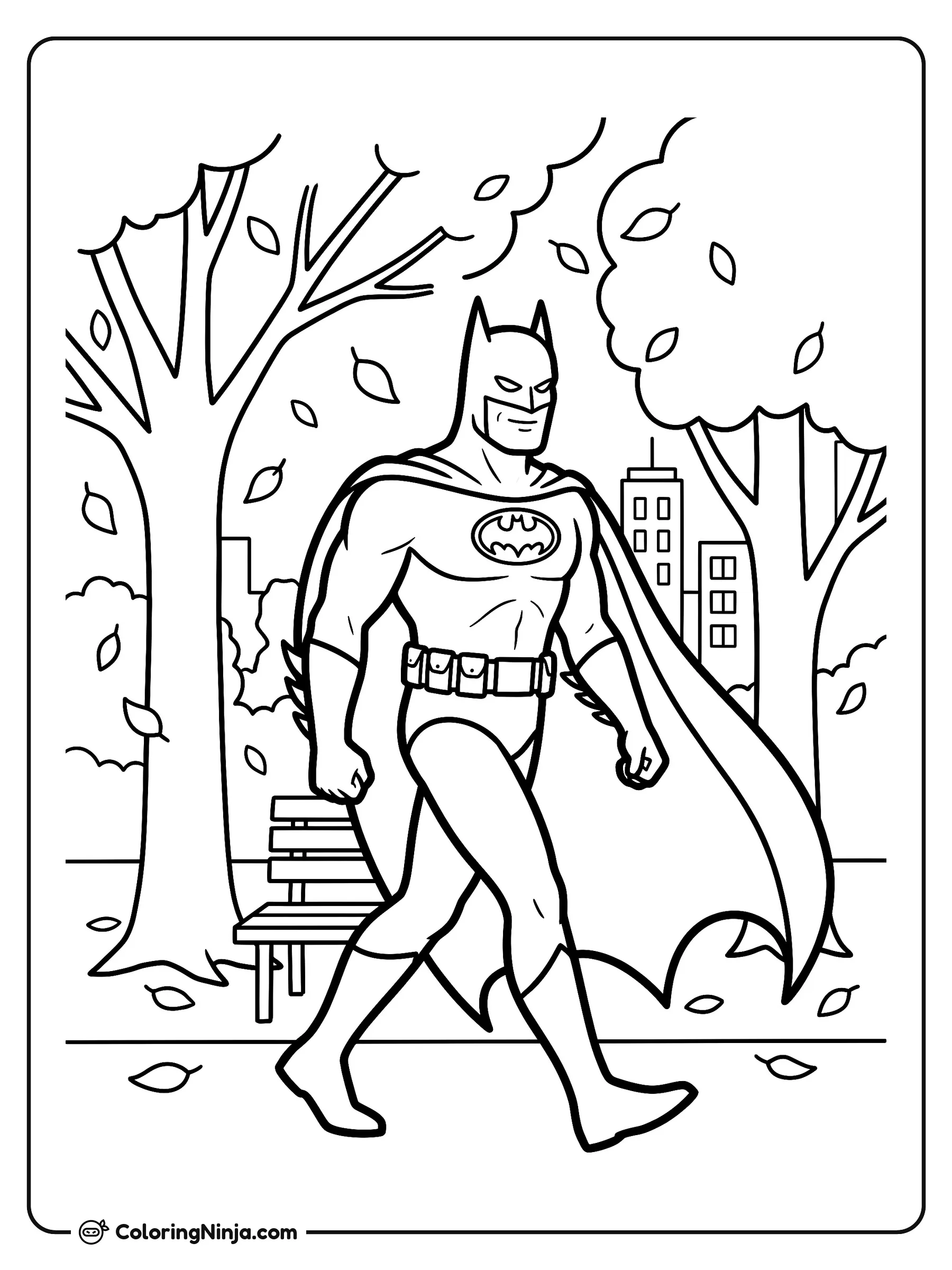
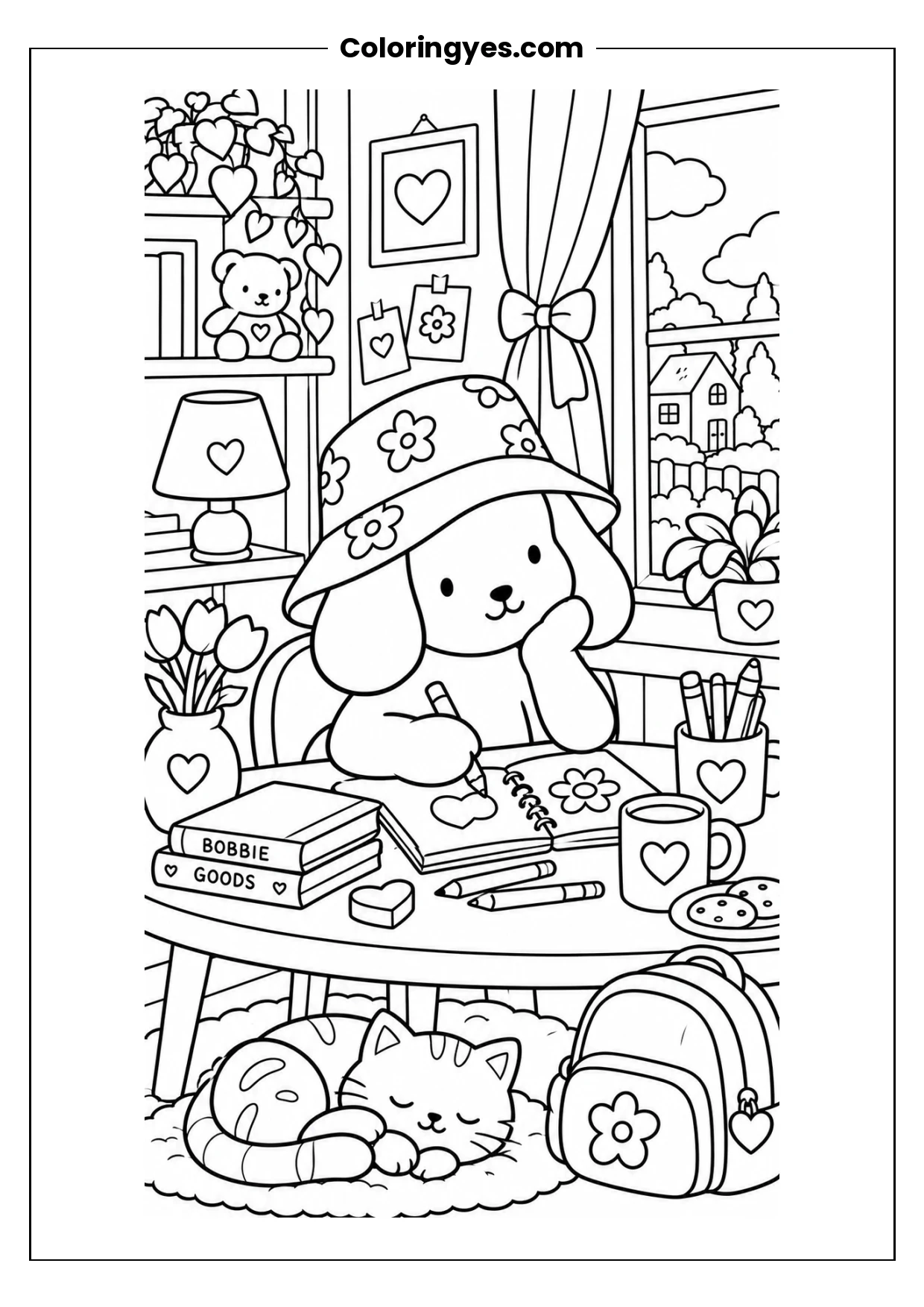
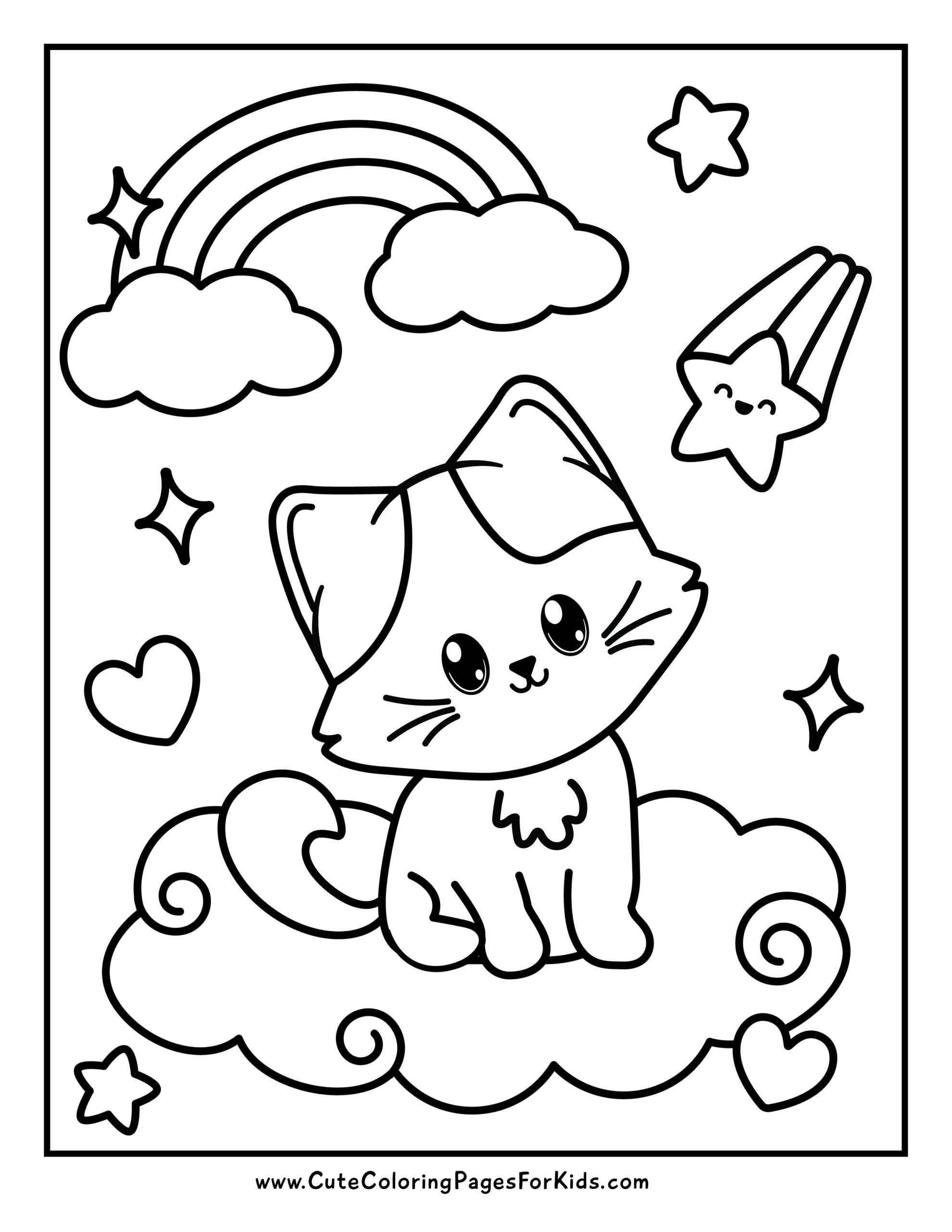
Coloring pages cute represent simplified, endearing illustrated outlines featuring chibi characters, sweet animals, and friendly inanimate objects specifically designed to lower anxiety and boost early visual engagement. According to the National Association for the Education of Young Children (NAEYC), purposeful visual arts resources effectively foster foundational cognitive development, emotional expression, and fine-motor precision in early childhood education. By utilizing structured Coloring Pages, educators and caregivers provide a predictable yet creative canvas that encourages children to explore color theory, spatial boundaries, and pattern recognition without the overwhelming demands of blank-sheet drawing.
Visual Learning & Skill Snapshot:
- Core Focus: Engaging, simplified character art designed to reduce cognitive load and maximize creative confidence.
- Target Skill: Fine-motor control, hand-eye coordination, pencil grip stamina, and emotional regulation.
- Key Recommendation: Select thick-lined, uncomplicated illustrations to prevent early frustration and support intentional color application.
Core Principles and Learning Overview
Child-friendly cute visual sheets rely heavily on bold, clean outlines and exaggerated, endearing features that naturally capture attention and promote sustained focus. These carefully constructed line-art assets serve as transitional tools bridging simple scribbling and advanced Drawing Worksheets. When children interact with simplified forms, the visual system processes shapes more efficiently, allowing learners to concentrate entirely on pressure control, shading techniques, and boundary awareness. Incorporating complementary Art Activities alongside these sheets reinforces cross-curricular learning, blending tactile crafting with foundational geometry and visual storytelling.
Key Specifications and Breakdown
| Age / Learning Stage | Visual Skill & Ratio | Pedagogical Application & Scaffolding |
|---|---|---|
| Toddler / Early Preschool (Ages 2-3) | Thick stroke widths (3-5mm), large closed shapes, 1:1 focal-to-background ratio. | Encourages gross-to-fine motor transition, palm-grip practice, and initial understanding of enclosed spaces. |
| Kindergarten / Early Elementary (Ages 4-6) | Medium stroke widths (2-3mm), moderate object detail, balanced spatial distribution. | Supports pincer-grip refinement, bilateral coordination, pattern matching, and intentional color selection. |
| Advanced Primary / Homeschool (Ages 7-8) | Fine stroke variations (1-2mm), intricate patterns, narrative visual scenes. | Enhances color blending, texture representation, extended concentration spans, and independent artistic expression. |
Visual-motor integration activities must prioritize low-threshold, high-success tasks to build authentic creative resilience in early learners. — National Art Education Association (NAEA)
Step-by-Step Practical Application and Guidelines
Implementing adorable printable resources effectively requires deliberate preparation, high-quality material selection, and structured environmental scaffolding. Educators and parents should print sheets on heavy-weight cardstock to withstand repeated friction from markers, watercolor paints, or colored pencils without bleeding or tearing. Begin by inviting learners to identify primary elements within the illustration, discussing potential color schemes before applying any medium. Pair these coloring exercises with hands-on Printable Crafts to transform flat 2D designs into dimensional classroom displays, thereby solidifying spatial comprehension and tactile engagement.
Common Challenges and How to Avoid Them
Over-saturation of visual elements and overly complex line work frequently lead to cognitive fatigue and premature task abandonment in young children. Prevent frustration by screening images beforehand, ensuring that focal subjects possess clear borders and uncluttered backgrounds that accommodate unsteady hands. Adults should avoid correcting perceived mistakes in color choice or stray marks, as constructive artistic freedom builds intrinsic motivation. Providing varied drawing utensils—such as triangular crayons that naturally encourage correct pincer grasps—ensures physical comfort during extended creative sessions.
💬 Frequently Asked Questions
Conclusion and Next Steps
Integrating charming and thoughtfully designed visual resources into daily routines transforms ordinary practice into a joyful, skill-building experience. Caregivers and educators are encouraged to explore the extensive collection available at ColorLeaf Studio to discover high-quality printables designed to inspire creativity, patience, and artistic confidence.
Printable Coloring Page Previews