Introduction
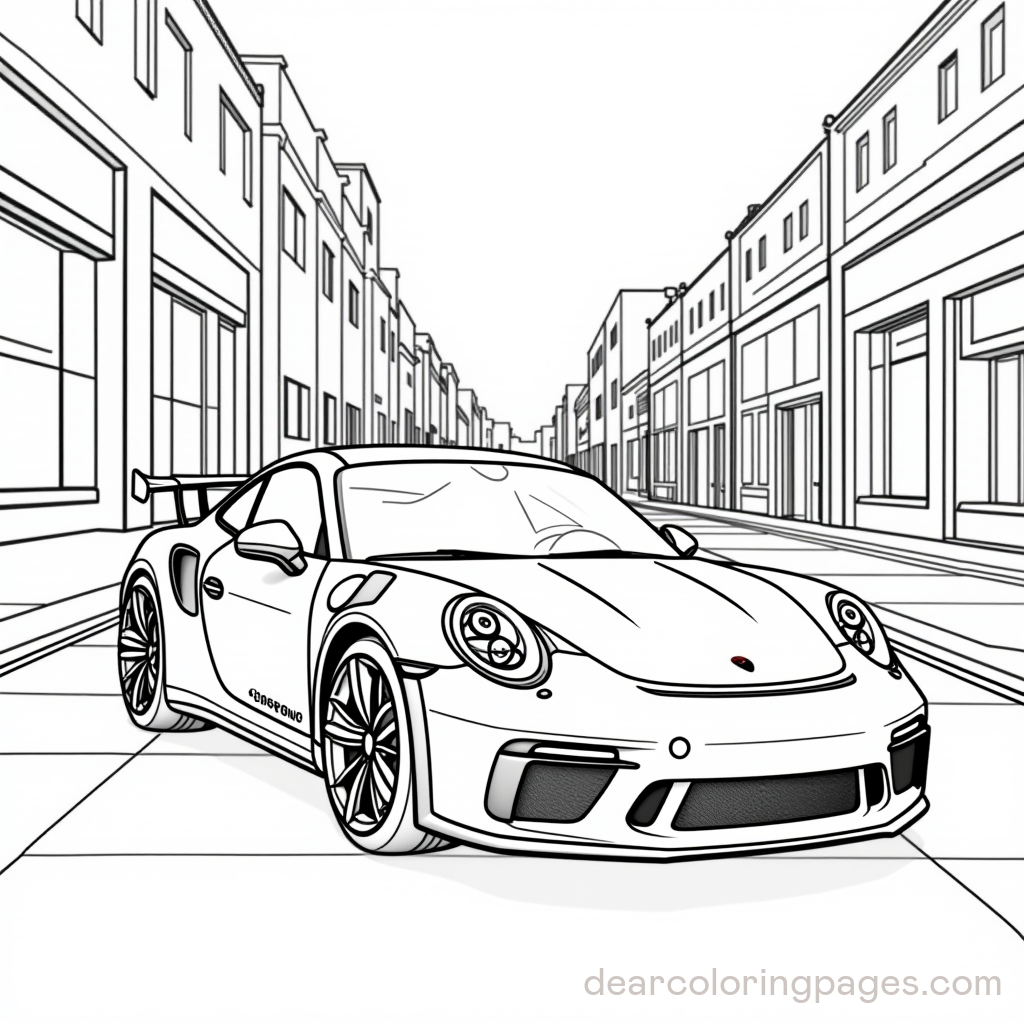
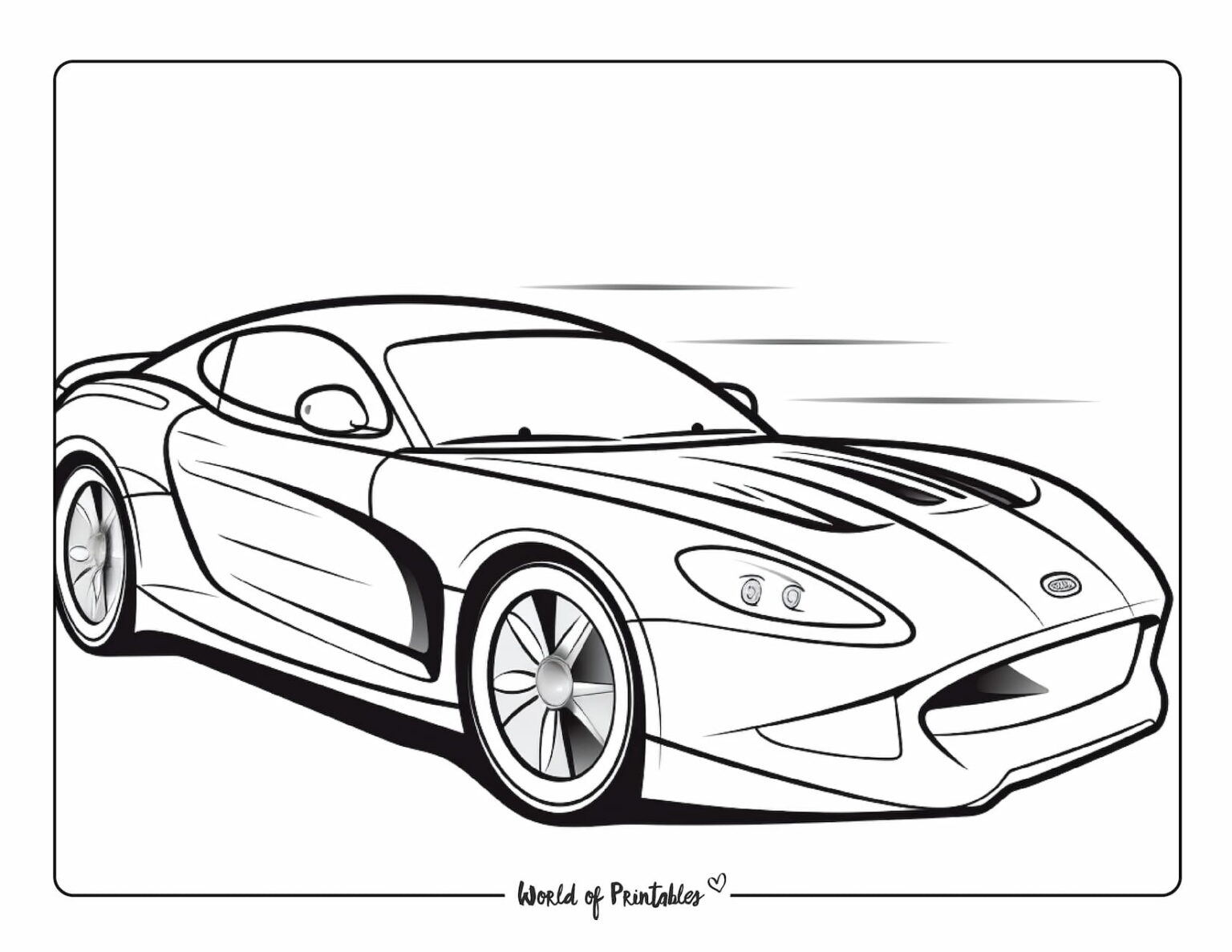
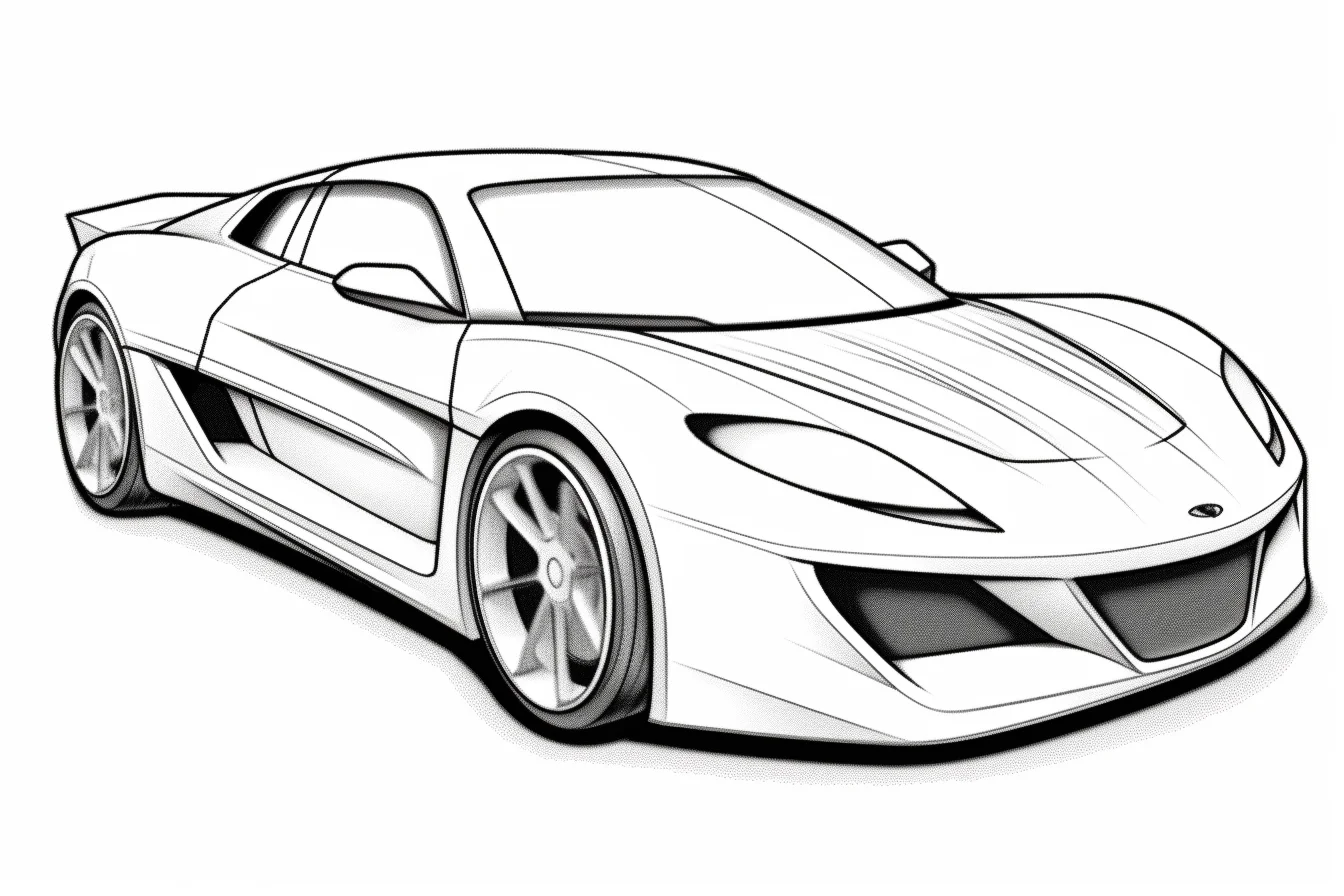
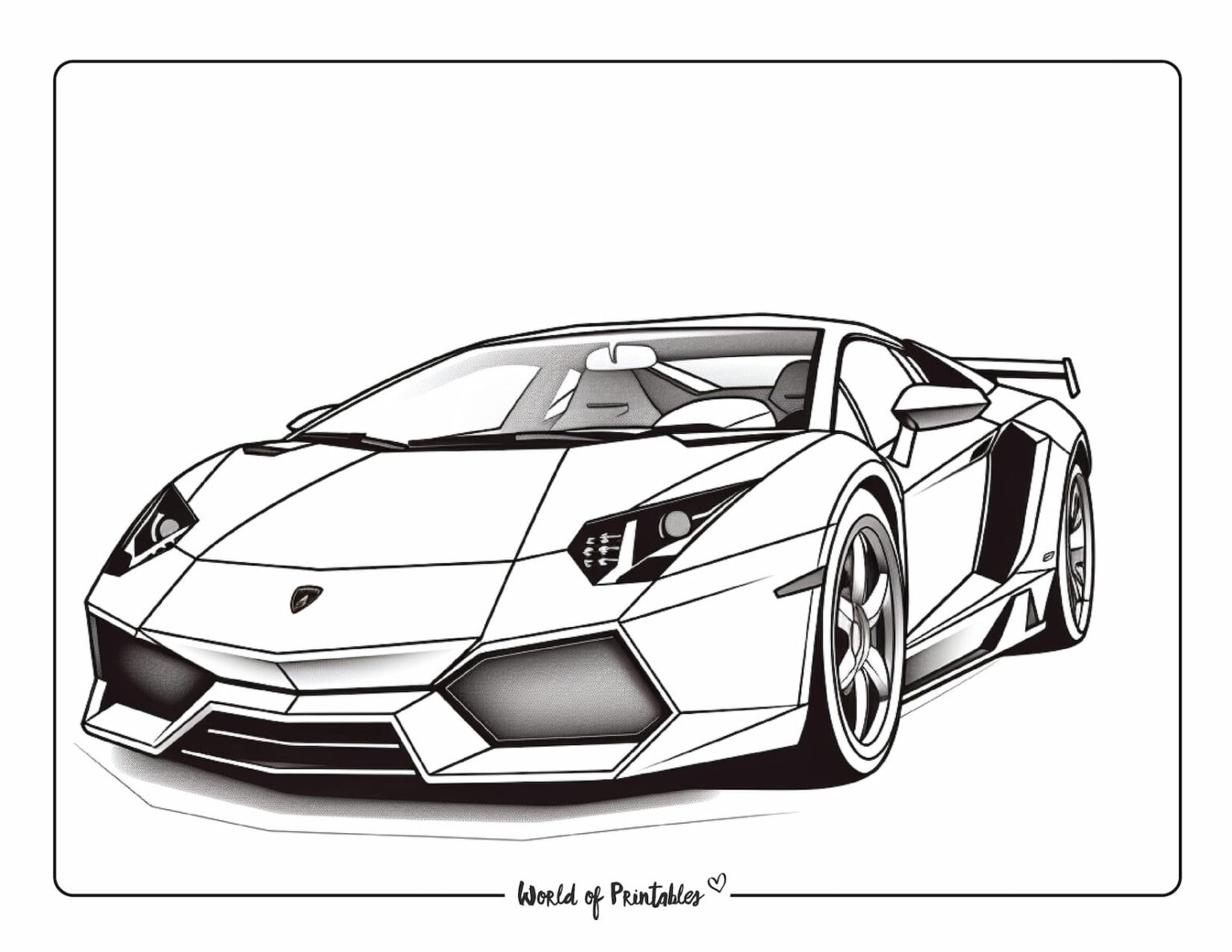
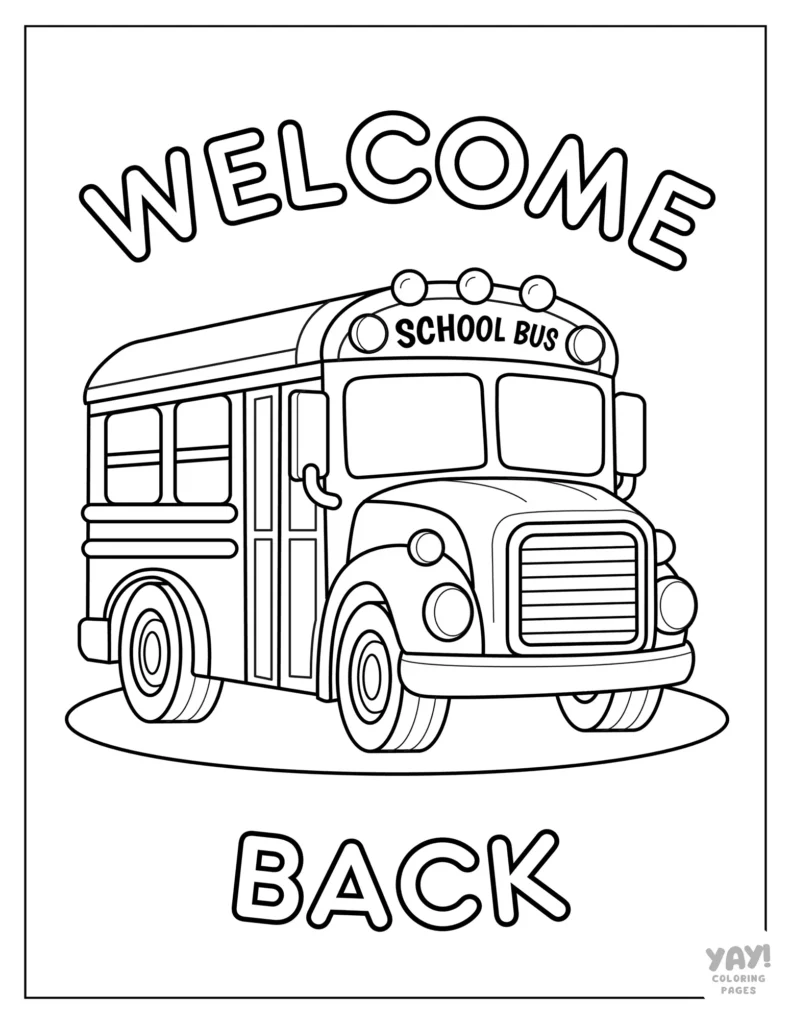
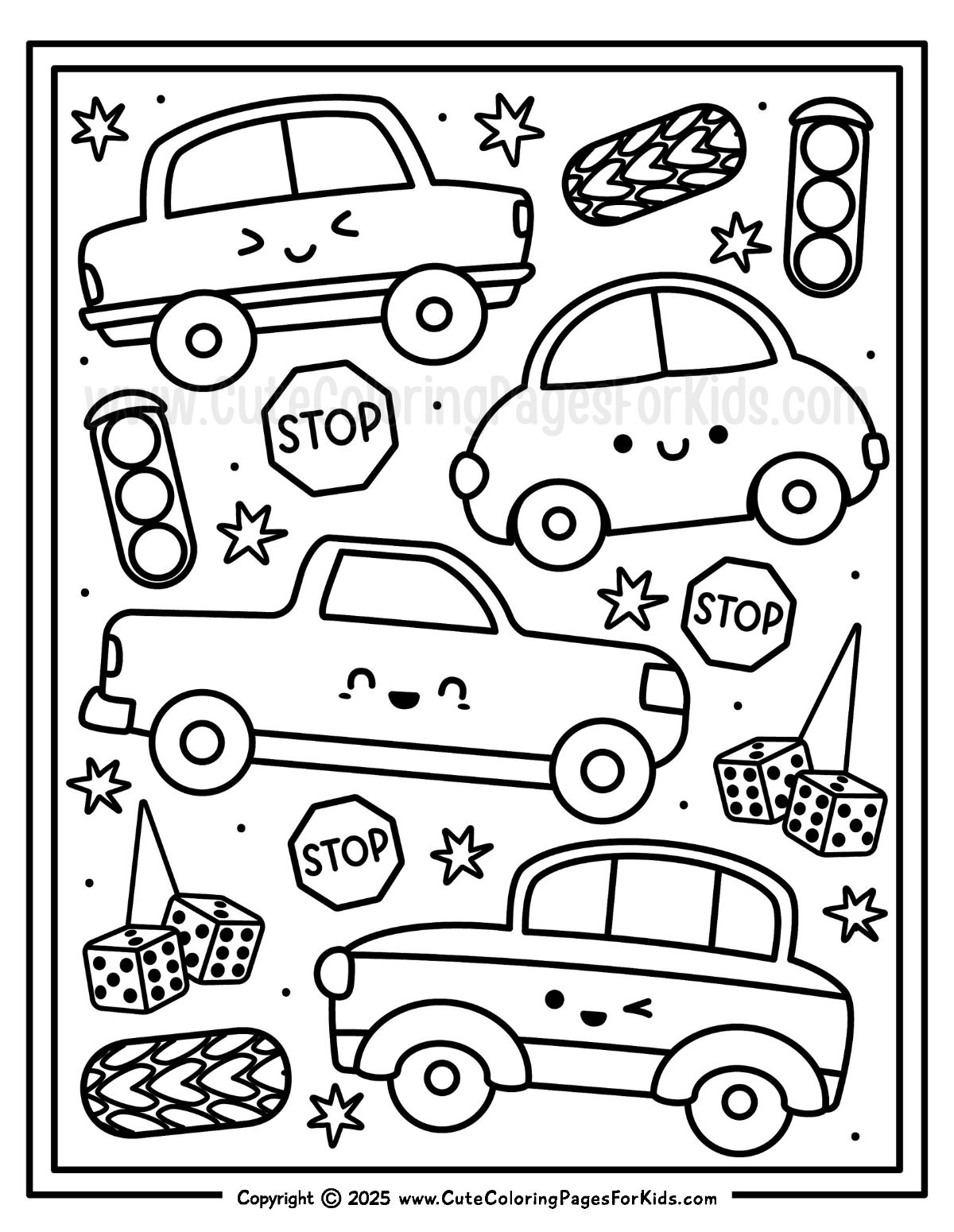
Coloring pages car resources serve as structured visual templates that enhance early childhood fine-motor control, spatial awareness, and cognitive mapping through structured line art. According to the National Association for the Education of Young Children (NAEYC), engaging young learners with purposeful graphic templates reinforces pencil grip, hand-eye coordination, and visual-spatial reasoning essential for early literacy and mathematical foundations. Integrating transport-themed sheets into daily educational routines bridges high-interest subjects with essential manipulative practice, making printable templates invaluable tools for structured Coloring Pages collections.
Visual Learning & Skill Snapshot:
- Core Focus: Structured vehicle-themed printables designed to build precision motor control and shape recognition.
- Target Skill: Spatial reasoning, boundary containment, visual discrimination, and fine-motor proportion.
- Key Recommendation: Pair thick-lined vehicular printables with varied writing utensils to test pressure variation and shading control.
Core Principles and Learning Overview
Structured vehicle printables facilitate targeted visual-motor integration by challenging young learners to navigate complex geometric contours, parallel lines, and circular wheel arches within confined boundaries. Direct engagement with structured outlines trains the visual cortex to analyze perspective, symmetry, and scale while simultaneously strengthening the intrinsic muscles of the hand. Educators frequently utilize these transportation templates alongside comprehensive Drawing Worksheets to transition students from passive color-filling to active structural observation, fostering a seamless bridge into independent illustration and geometric comprehension.
Key Specifications and Breakdown
| Age / Learning Stage | Visual Skill & Ratio | Pedagogical Application & Scaffolding |
|---|---|---|
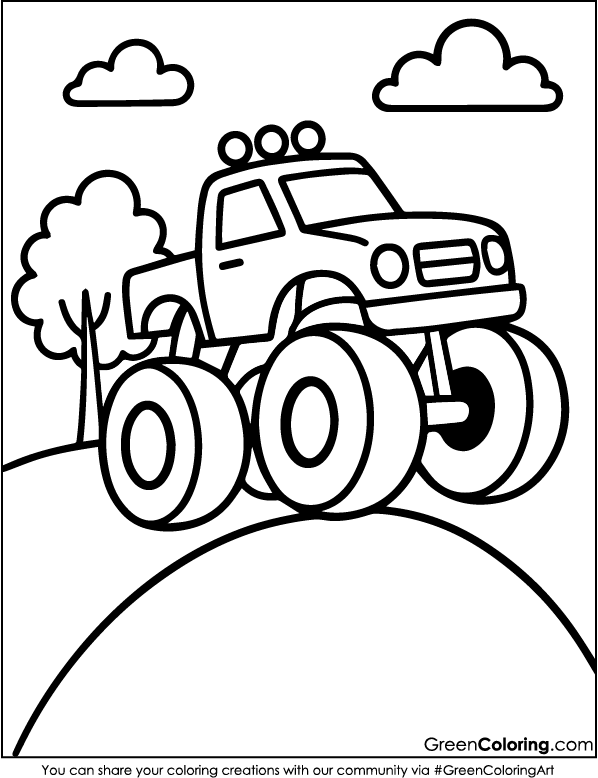
| Ages 3-4 (Early Toddler) | Thick outer borders, minimal internal details | Focuses on gross hand movements, basic color vocabulary, and primary boundary containment. |
| Ages 5-6 (Early Elementary) | Complex intersecting lines, detailed wheels, windows | Refines pincer grip, pressure modulation, and multi-color spatial planning. |
| Ages 7+ (Advanced Learner) | Perspective views, technical components, shading areas | Introduces foundational cross-hatching, texture exploration, and independent proportion study. |
Structured visual art activities directly correlate with enhanced sensorimotor development and bilateral coordination in early childhood learners — National Art Education Association (NAEA)
Step-by-Step Practical Application and Guidelines
Effective implementation requires selecting high-resolution prints, preparing appropriate tactile mediums, and scaffolding the complexity of the chosen vehicle templates according to developmental readiness. Begin by printing templates on heavy-weight cardstock to prevent bleed-through and stabilize the sheet during vigorous marker or watercolor application. Introduce various coloring instruments sequentially, starting with jumbo wax crayons before graduating to colored pencils and flexible brush tips. Combine these graphic printables with hands-on Printable Crafts to transform flat 2D vehicle outlines into three-dimensional models, reinforcing structural engineering concepts.
Common Challenges and How to Avoid Them
Frustration during vehicle coloring tasks typically stems from overly intricate line weights or improper grip mechanics that lead to rapid hand fatigue and loss of focus. Educators can mitigate these hurdles by selecting appropriately scaled designs with distinct, bold outlines that clearly demarcate individual vehicle components like windshields, tires, and headlights. Encouraging frequent posture checks, alternating writing tools, and breaking sessions into manageable ten-minute intervals ensures that children maintain enthusiasm and fine-motor control without experiencing cognitive overload.
💬 Frequently Asked Questions
Conclusion and Next Steps
Incorporating structured vehicle graphics into early learning environments provides an effective method for blending high-interest themes with essential fine-motor skill development. Educators and parents can expand this creative momentum by exploring curated educational resources available through the main Coloring Pages library at ColorLeaf Studio to support comprehensive cognitive growth.
Printable Coloring Page Previews