Introduction
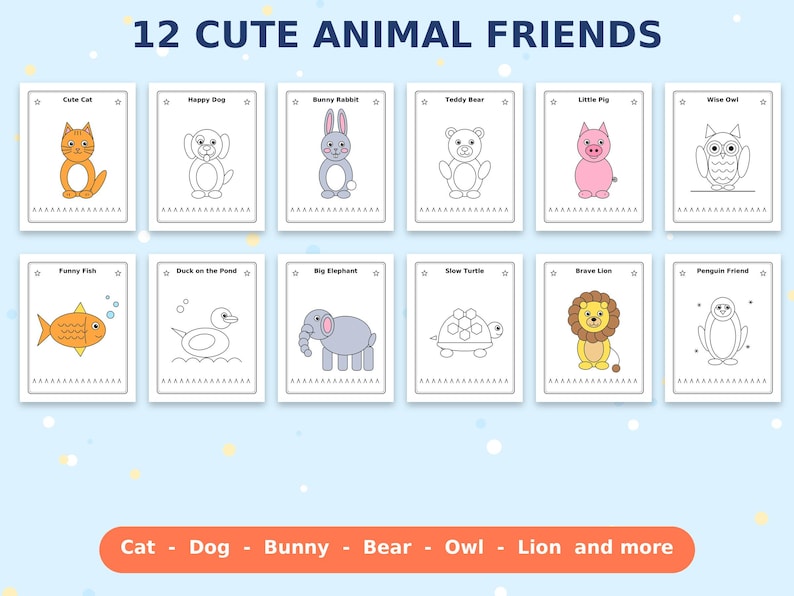
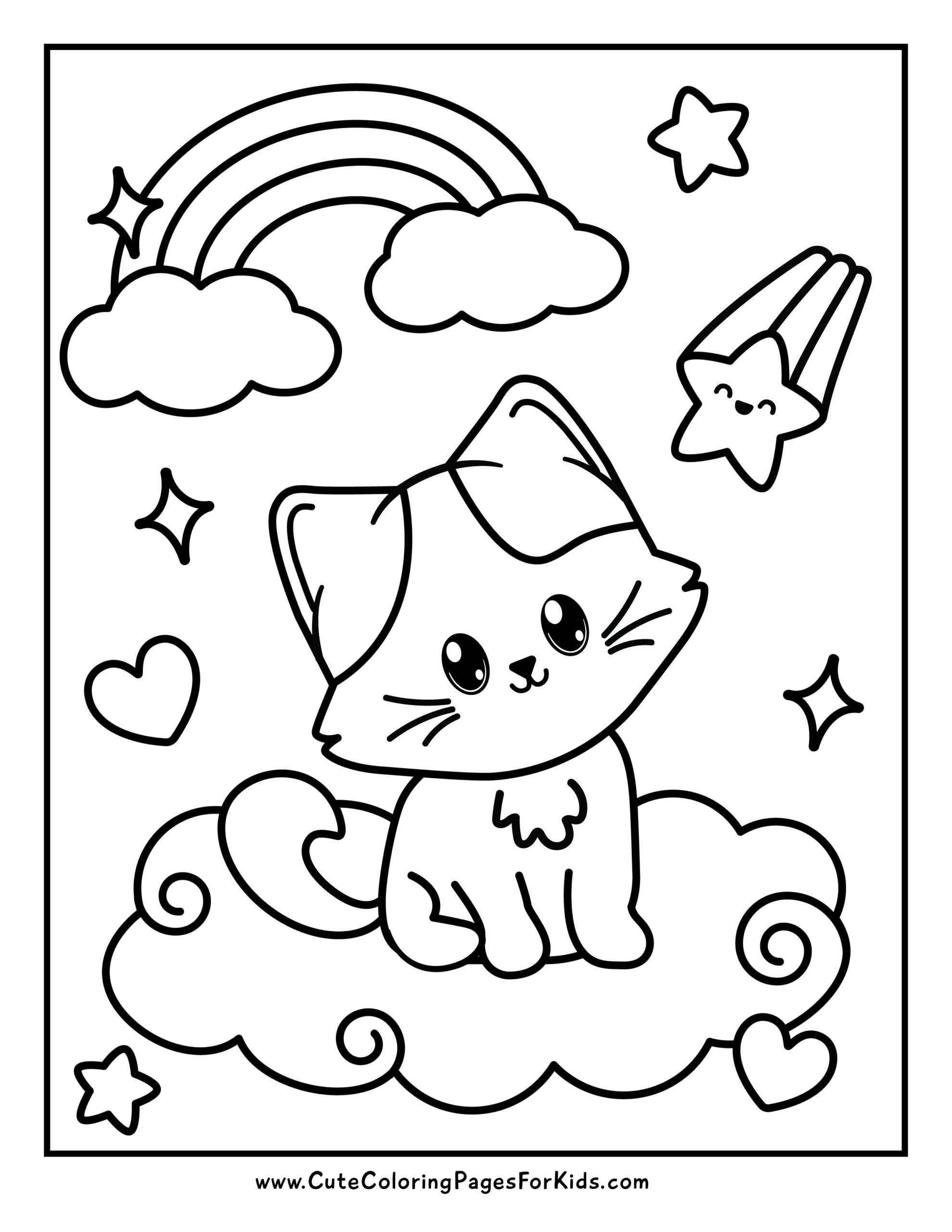
Coloring pages cute animals represent a structured pedagogical tool utilizing simplified, endearing animal outlines to foster fine motor control, visual-spatial awareness, and emotional regulation in early childhood. According to the National Association for the Education of Young Children (NAEYC), purposeful artistic engagement involving recognizable, appealing subjects significantly enhances a child’s early attention span and manual dexterity. Utilizing specialized Coloring Pages offers educators and caregivers a reliable method to bridge foundational pencil-grip practice with joyful, stress-free creative expression.
Visual Learning & Skill Snapshot:
- Core Focus: Developing fine motor precision and emotional engagement through endearing animal illustrations.
- Target Skill: Spatial reasoning, visual discrimination, fine-motor proportion, and hand-eye coordination.
- Key Recommendation: Select simplified outlines with bold contour lines to support early wrist articulation and successful color containment.
Core Principles and Learning Overview
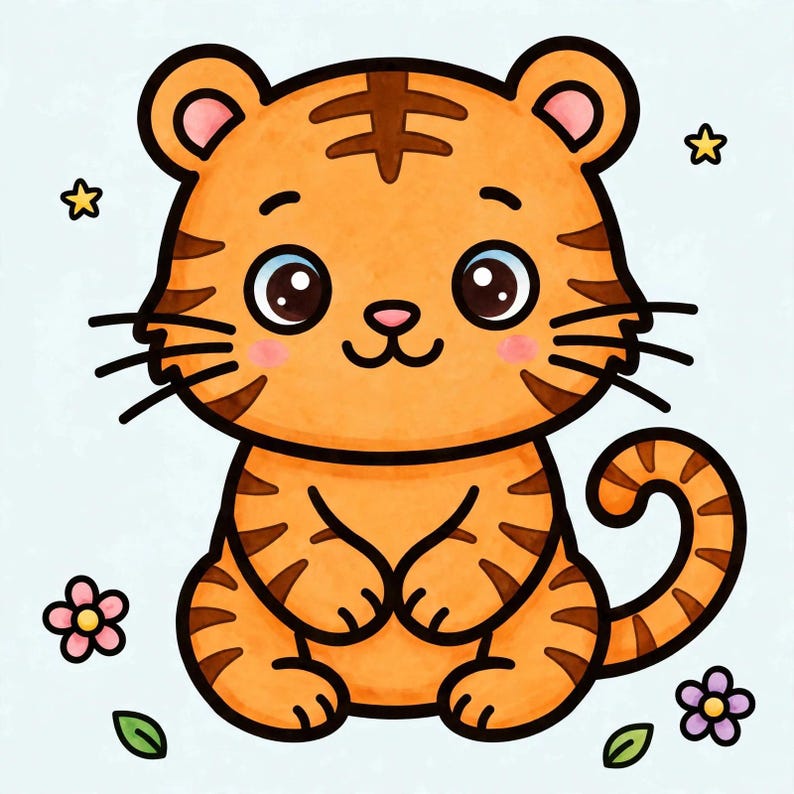
Pedagogical frameworks establish that cute animal aesthetics leverage juvenile schema—large eyes, rounded features, and oversized heads—which naturally evoke nurturing responses and sustained visual focus in young learners. Engaging with Drawing Worksheets alongside structured coloring materials allows children to transition smoothly from passive color-filling to active structural observation. Early childhood specialists emphasize that simplifying biological forms into friendly, stylized vectors reduces cognitive overload, enabling developing minds to concentrate entirely on pressure modulation, directional stroke control, and color blending without experiencing artistic frustration.
Key Specifications and Breakdown
| Age / Learning Stage | Visual Skill & Ratio | Pedagogical Application & Scaffolding |
|---|---|---|
| Ages 3-4 (Early Explorer) | Thick, bold outlines with minimal internal details and high contrast proportions. | Pair with jumbo crayons or washable markers to build basic grip strength and boundary awareness. |
| Ages 5-6 (Developing Artist) | Moderate anatomical complexity featuring playful animal scenes and open background areas. | Integrate with Art Activities to encourage color patterning and shading experiments. |
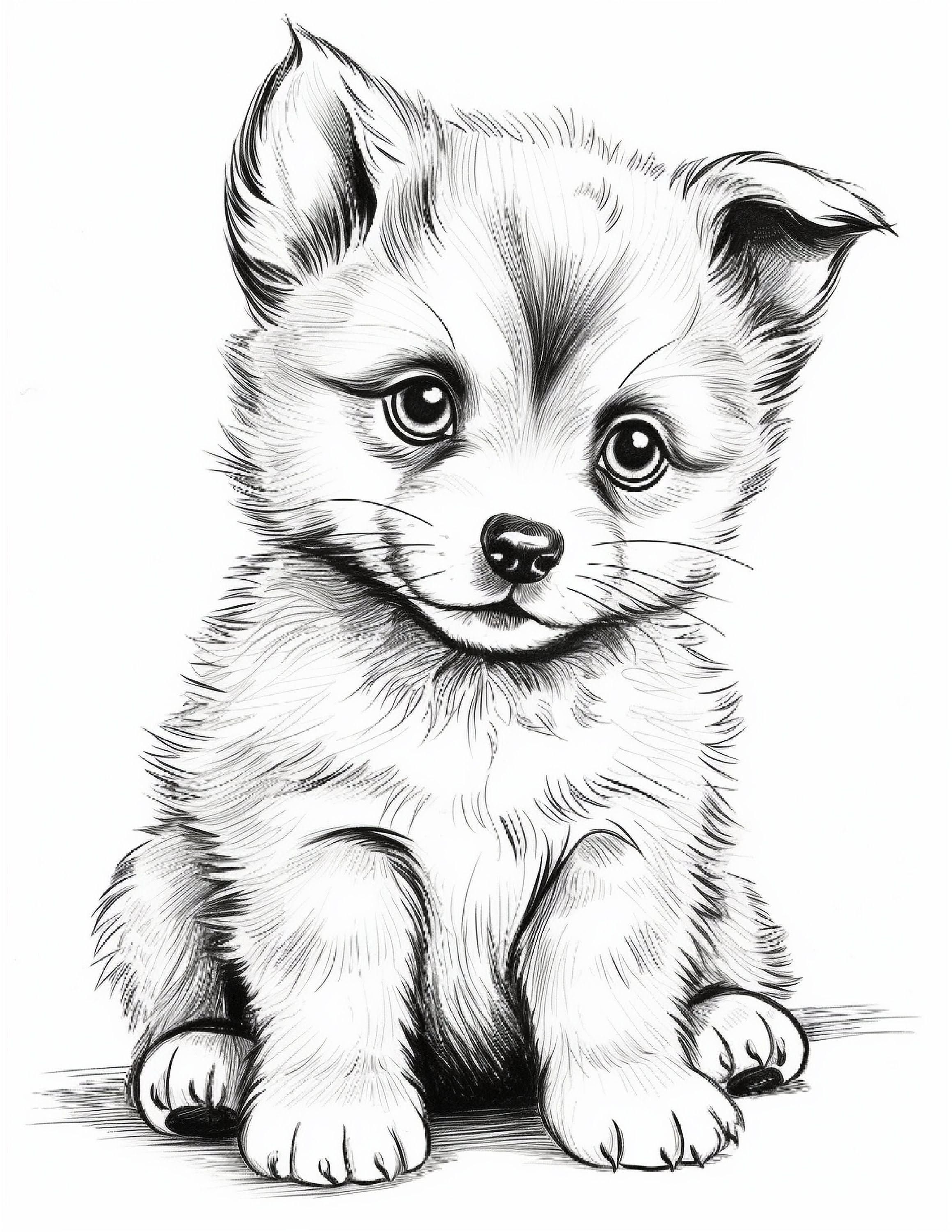
| Ages 7-8 (Confident Creator) | Intricate fur textures, patterned habitats, and complex compositional layouts. | Combine with Printable Crafts for cutting, folding, and 3D storytelling extensions. |
Artistic development in early childhood relies heavily on non-competitive, open-ended manipulation of shape and color within bounded frameworks that support emotional security and confidence. — National Art Education Association (NAEA). Related guide: Coloring Pages Princess.
Step-by-Step Practical Application and Guidelines
Implementing animal coloring assets effectively requires preparing a supportive physical workspace equipped with ergonomic seating, adequate lighting, and varied medium options such as colored pencils, water-soluble crayons, and blunt-tip scissors. Educators should first introduce the subject animal through storytelling or informational books to establish contextual empathy before distributing the printed sheet. Instructors guide learners to observe the directional flow of animal fur or shell patterns, encouraging purposeful strokes rather than hurried scribbling, while validating unconventional color choices to preserve imaginative autonomy.
Common Challenges and How to Avoid Them
Children frequently encounter hand fatigue, grip frustration, or anxiety over staying within complex contour lines when tackling detailed animal illustrations. Educators mitigate these hurdles by printing templates on heavier cardstock to prevent tearing from aggressive marker application, and by initially selecting pages featuring larger focal points with minimal background clutter. Reframing accidental line transgressions as opportunities to incorporate patterned borders or background elements successfully redirects perfectionist tendencies back into positive creative exploration.
💬 Frequently Asked Questions
Conclusion and Next Steps
Embracing friendly animal themes transforms ordinary practice sessions into engaging journeys of artistic discovery and fine motor mastery for developing learners. Explore the comprehensive collection of creative resources and bring inspiration into every lesson by downloading premium materials directly from the ColorLeaf Studio portfolio today.
Printable Coloring Page Previews