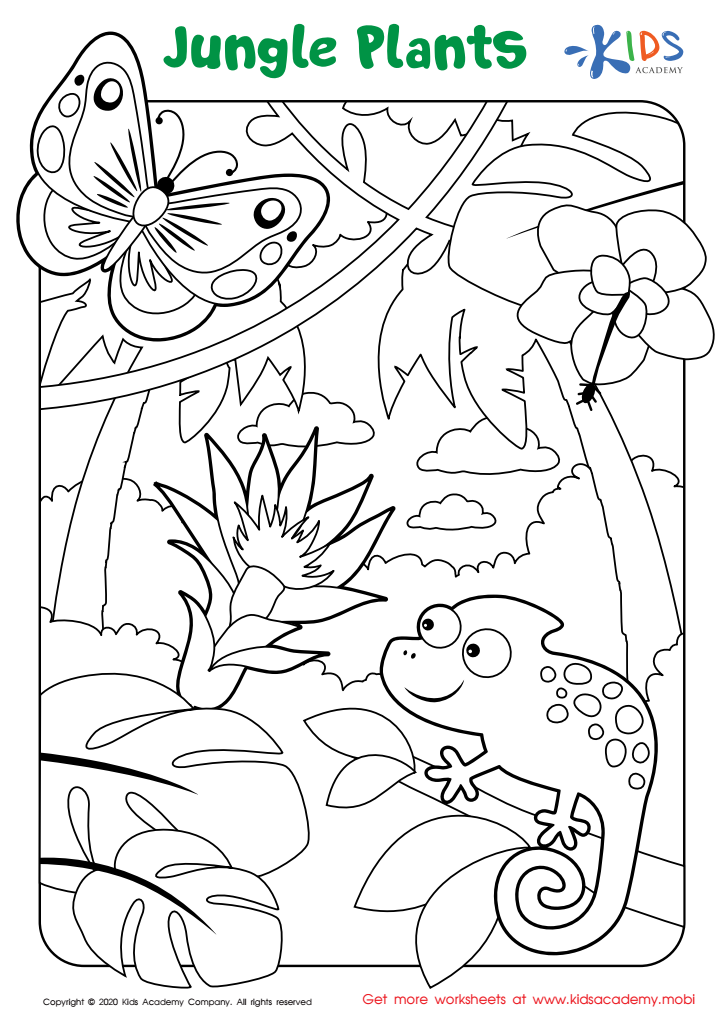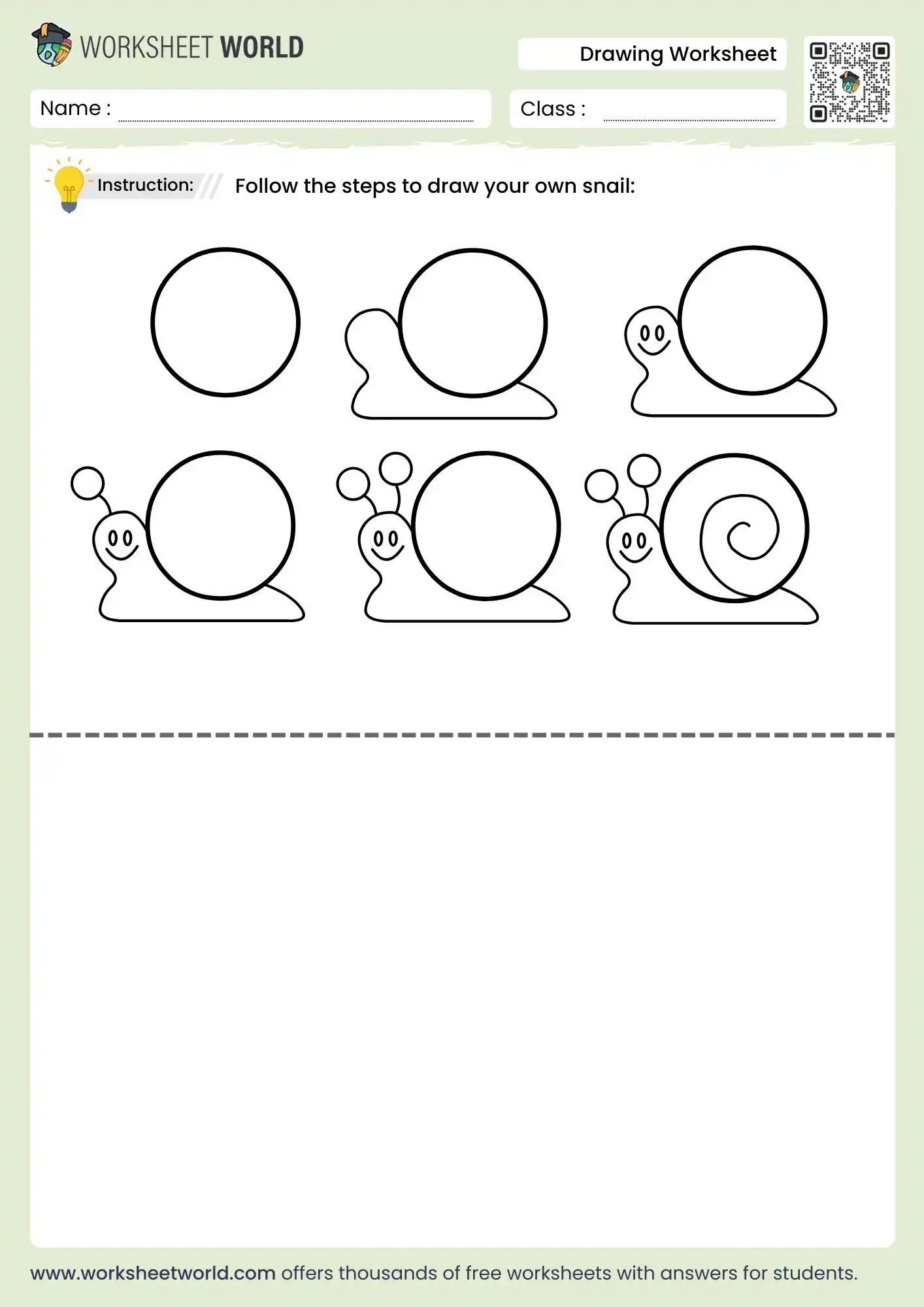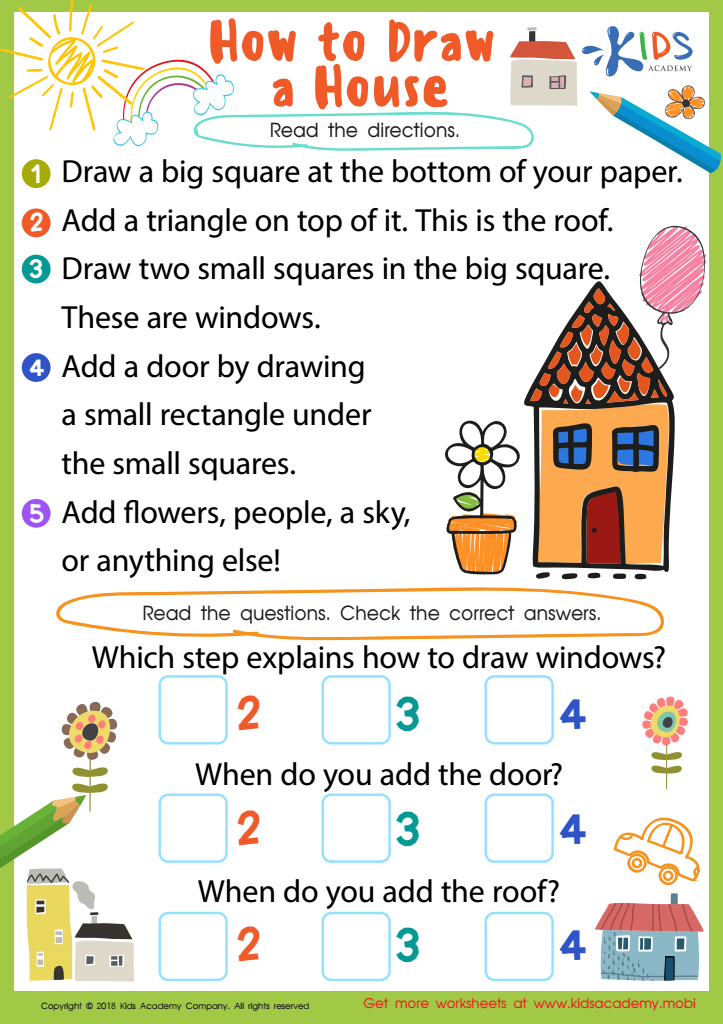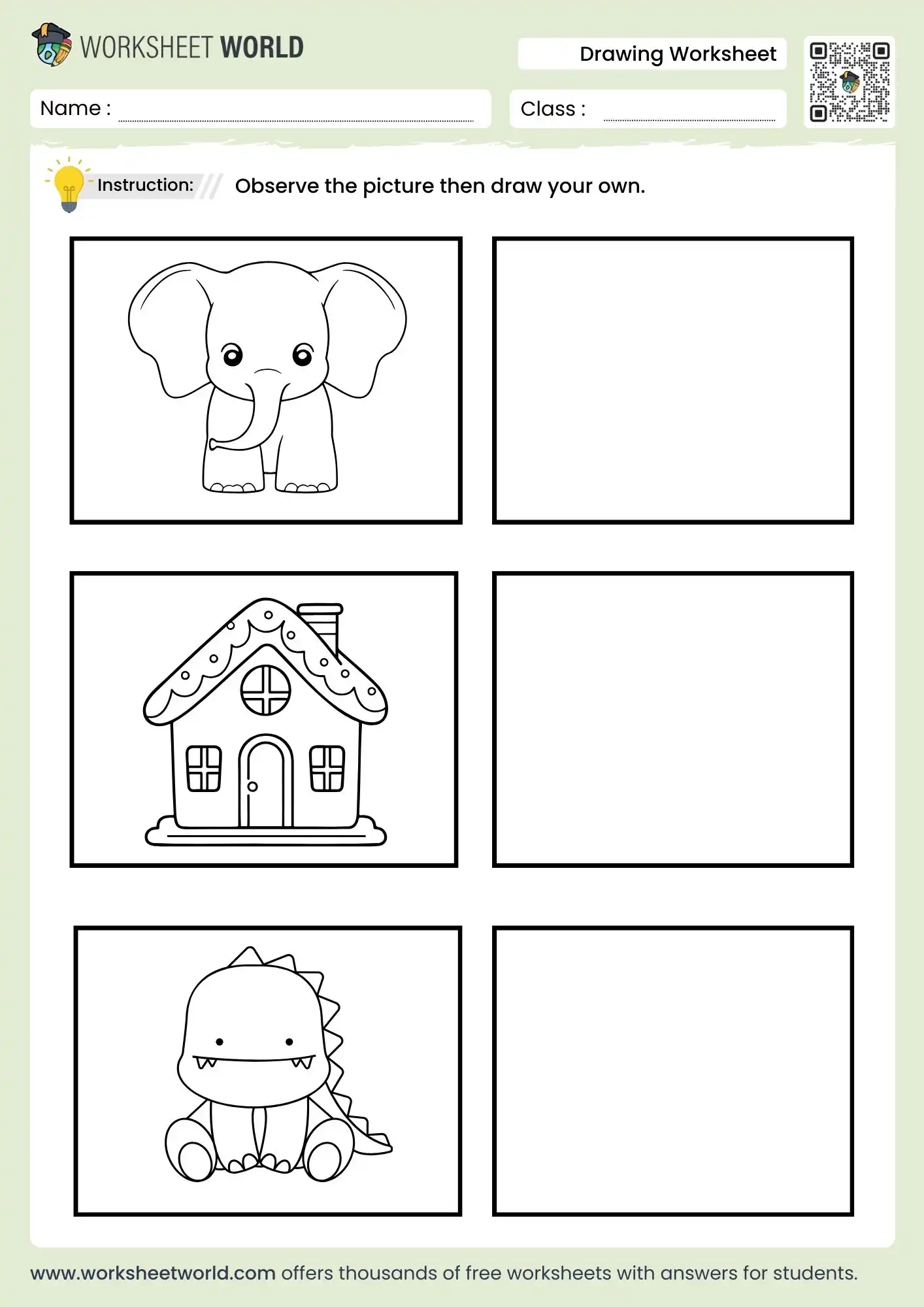
Introduction
Drawing worksheets for grade 1 serve as structured graphical templates designed to transition six-year-old learners from emergent scribbling to intentional spatial representation, fine-motor control, and visual literacy. According to the National Association for the Education of Young Children (NAEYC), purposeful integration of visual arts and structured drawing exercises directly reinforces emergent literacy, mathematical pattern recognition, and bilateral hand-eye coordination in early elementary students. Integrating targeted resources such as Drawing Worksheets provides foundational scaffolds that bridge the gap between open-ended creativity and curriculum-aligned cognitive milestones. Early childhood environments utilize these assets to build pencil stamina, hand muscle dexterity, and confidence in visual communication before introducing complex abstract concepts.
Visual Learning & Skill Snapshot:
- Core Focus: Systematic pencil control, shape composition, and directional line tracking for six-year-olds.
- Target Skill: Spatial proportion, line precision, visual discrimination, and geometric shape retention.
- Key Recommendation: Pair structured templates with tactile Art Activities to reinforce kinetic memory.
Core Principles and Learning Overview
Drawing worksheets for grade 1 establish essential cognitive foundations by translating abstract visual ideas into manageable, step-by-step motor sequences that align with developmental milestones. Six-year-old cognitive progression relies heavily on visual-spatial processing, where structured guided-drawing prompts help learners break complex forms into basic geometric shapes like circles, triangles, and intersecting lines. This systematic exposure reduces cognitive overload, allowing children to focus entirely on pressure regulation, wrist rotation, and boundary awareness. Effective printable templates incorporate grid alignments, dotted tracking lines, and sequential reference steps that encourage independent problem-solving while reinforcing executive functioning skills such as sequencing and spatial orientation.
Key Specifications and Breakdown
| Age / Learning Stage | Visual Skill & Ratio | Pedagogical Application & Scaffolding |
|---|---|---|
| Grade 1 (Ages 6-7) | 1:1 scale tracking, basic shape fusion, border retention | Step-by-step directed drawing prompts with directional arrows and dotted outlines. |
| Early Transition | Symmetrical balance, intersecting lines, negative space | Grid-based copying sheets and symmetrical mirror-image completion tasks. |
| Advanced First Grade | Proportional scaling, observational rendering, detail layering | Open-ended thematic prompts combined with Printable Crafts for 3D extension. |
Structured visual arts education and guided drawing exercises significantly enhance cognitive mapping, geometric comprehension, and fine-motor endurance in early elementary school students. — National Art Education Association (NAEA)
Step-by-Step Practical Application and Guidelines
Implementing drawing worksheets for grade 1 requires an intentional, multi-step execution strategy that maximizes pencil grip stability and creative confidence. Educators and parents must first prepare an ergonomic workspace featuring flat surfaces, child-sized seating, and primary-weight graphite pencils or triangular crayons to encourage correct tripod grasps. Initial instruction begins with a group demonstration of the sheet’s primary directional arrows and step-by-step sequence boxes, ensuring children understand the intended progression from top-left to bottom-right. Learners then trace the dotted scaffolding lines before attempting independent freehand replication in the blank application panels provided on the sheet. Instructors should monitor posture, hand pressure, and paper stabilization throughout the process, offering verbal encouragement that focuses on effort and line precision rather than rigid perfection.
Common Challenges and How to Avoid Them
Common obstacles encountered during early drawing instruction include pencil fatigue, visual frustration with complex proportions, and rapid rushing through sequential steps. Addressing these issues involves scaling back task complexity, offering thicker writing instruments to reduce hand strain, and breaking multi-step worksheets into single-panel focal points. When children experience difficulty maintaining lines within printed boundaries, educators can introduce tactile borders or high-contrast markers to reinforce visual tracking and spatial awareness. Additionally, complementing traditional worksheets with vibrant Coloring Pages maintains high engagement levels while solidifying foundational wrist control and color theory basics.
💬 Frequently Asked Questions
Conclusion and Next Steps
Systematic drawing worksheets for grade 1 provide an essential foundation for lifelong artistic expression, cognitive organization, and academic readiness. By combining structured motor skill development with engaging visual prompts, educators and parents empower young learners to bridge imagination with technical precision. Explore the complete library of educational resources to support early childhood development by visiting the comprehensive Drawing Worksheets collection at ColorLeaf Studio.
Worksheet Previews & Reference Materials