Introduction
Art activities dc encompass structured visual learning modules, printable coloring pages, and guided drawing frameworks designed to accelerate neurological development and fine-motor precision in early childhood education. According to the National Art Education Association (NAEA), active engagement in developmental visual arts instruction fosters critical cognitive flexibility, spatial awareness, and creative problem-solving capabilities essential for young learners. By integrating targeted resources like Art Activities into early elementary curricula, educators and parents provide children with the foundational graphic tools needed to translate abstract imagination into structured tangible outcomes.
Visual Learning & Skill Snapshot:
- Core Focus: Structured graphic worksheets and developmental art activities dc designed for early childhood cognitive enhancement.
- Target Skill: Fine-motor pencil control, visual discrimination, spatial tracking, and proportional hand-eye coordination.
- Key Recommendation: Pair structured printable line drawings with multi-media exploration to reinforce tactile and cognitive development simultaneously.
Core Principles and Learning Overview
Art activities dc serve as a critical bridge between sensory-rich physical exploration and structured graphic literacy for young minds. Direct execution of lines, shapes, and textures activates the parietal and frontal lobes, governing spatial attention and intentional motor planning. When children interact with curated Drawing Worksheets, they systematically decode complex visual layouts into manageable, sequential strokes. This pedagogical process enhances visual tracking, pencil grasp stamina, and the cognitive capacity to interpret two-dimensional representations of three-dimensional environments.
Key Specifications and Breakdown
| Age / Learning Stage | Visual Skill & Ratio | Pedagogical Application & Scaffolding |
|---|---|---|
| Ages 3-4 (Early Preschool) | Gross motor control, continuous line tracking | Utilize large-format Coloring Pages with bold outlines to build boundary awareness. |
| Ages 5-6 (Kindergarten) | Proportional scaling, fine-motor precision | Implement step-by-step drawing grids to encourage deliberate stroke replication and spatial planning. |
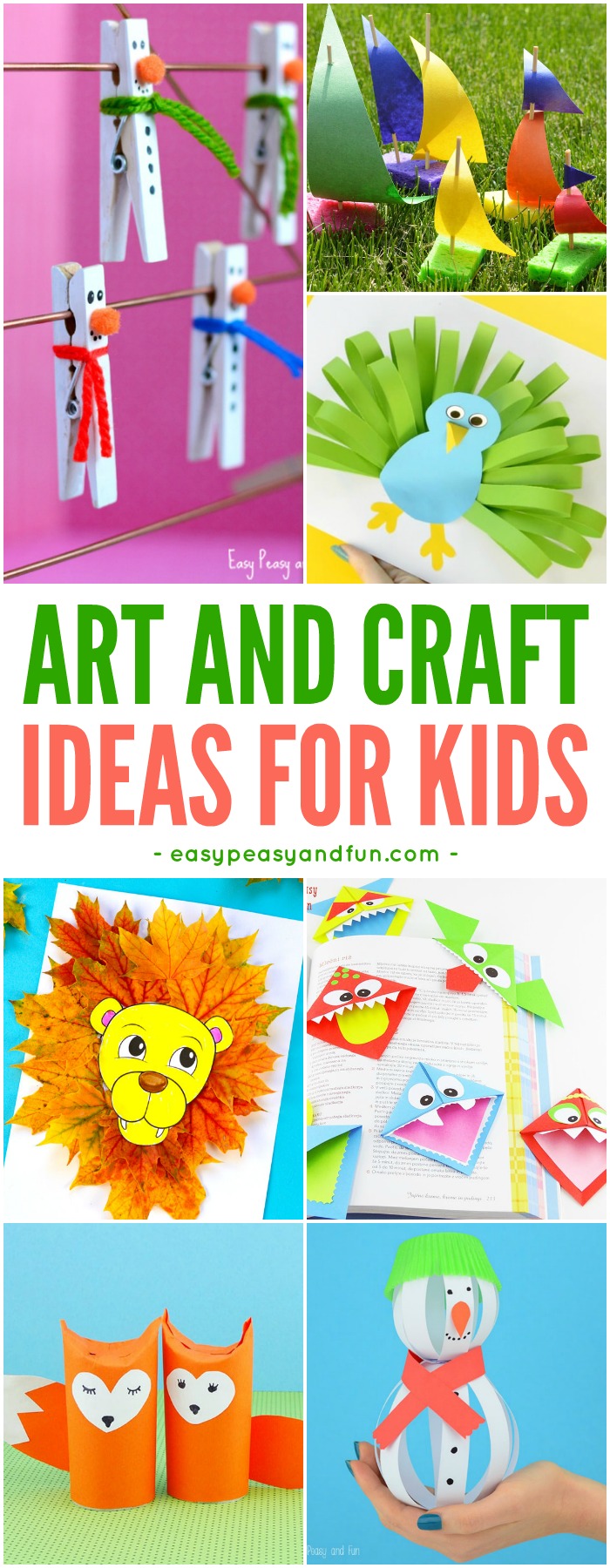
| Ages 7-8 (Early Elementary) | Perspective analysis, complex pattern assembly | Deploy intricate Printable Crafts that require accurate folding, cutting, and structural assembly. |
Early visual-motor integration experiences directly correlate with advanced mathematical spatial reasoning and pre-literacy letter formation accuracy — National Art Education Association (NAEA)
Step-by-Step Practical Application and Guidelines
Successful execution of art activities dc requires a prepared environment that prioritizes ergonomic seating, proper lighting, and high-grade durable paper stocks that withstand multiple layers of coloring media. Educators and parents should begin sessions by modeling how to analyze negative space and boundary lines before permitting independent work. Providing clear visual cues and breaking complex multi-step drawing tasks into discrete, manageable milestones prevents cognitive overload and encourages sustained attention spans in early elementary learners.
Common Challenges and How to Avoid Them
Young learners frequently encounter frustration when attempting to color within intricate boundaries or execute complex geometric proportions prematurely. To prevent discouragement, adults should avoid forcing rigid perfectionism and instead celebrate incremental improvements in pencil grip consistency and stroke control. Scaffolding simpler templates upward into more challenging graphic configurations ensures that children build both technical competence and psychological resilience when confronting complex artistic exercises.
💬 Frequently Asked Questions
Conclusion and Next Steps
Implementing targeted visual arts programming provides an invaluable foundation for holistic childhood development, marrying creative expression with rigorous cognitive scaffolding. Exploring curated collections of Art Activities offers immediate access to print-ready materials designed to inspire curiosity and master essential motor skills in any learning environment.
Visual Reference Gallery