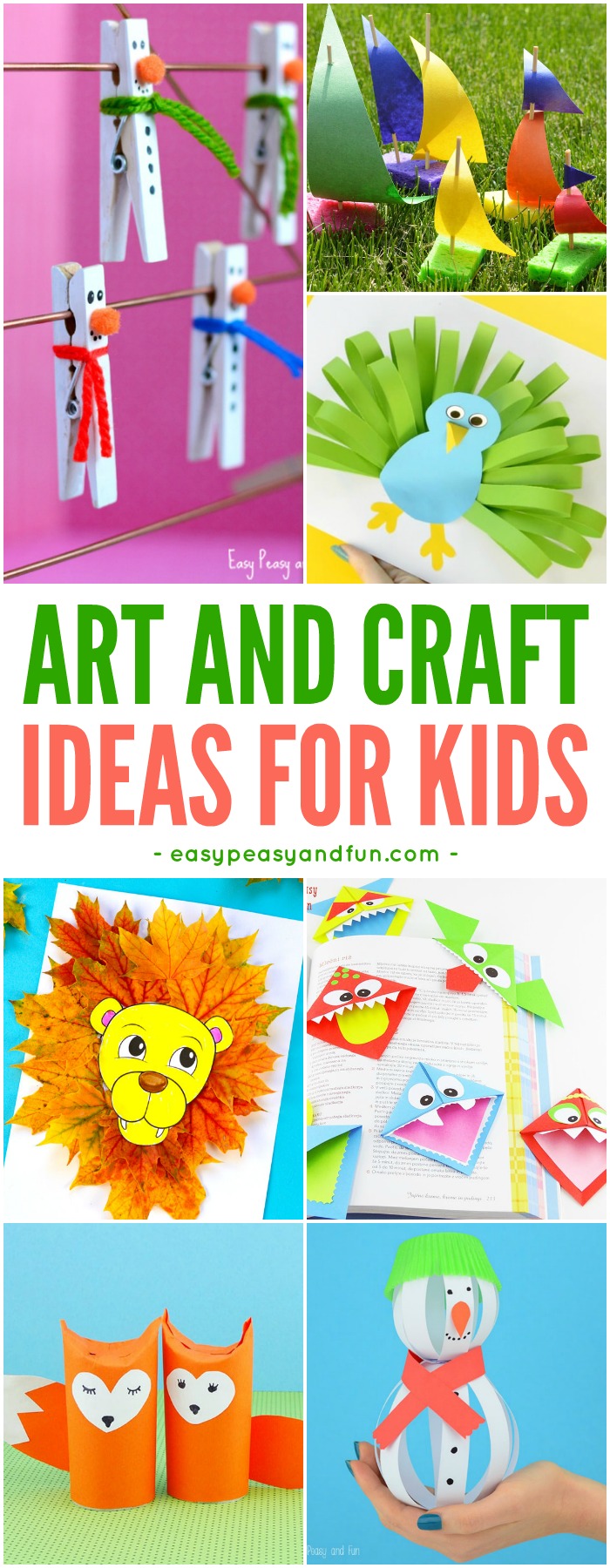
Introduction
Art activities denver encompass structured, regional-specific creative projects and downloadable educational resources designed to foster fine motor control and visual literacy in early childhood learners. According to the National Association for the Education of Young Children (NAEYC), developmentally appropriate visual arts experiences directly enhance cognitive flexibility, spatial intelligence, and emotional expression in young students. Educators, homeschoolers, and parents seeking high-yield creative enrichment often turn to specialized curricula that blend local inspiration with foundational drawing principles, such as utilizing structured Art Activities to build classroom engagement.
Visual Learning & Skill Snapshot:
- Core Focus: Integration of place-based art activities denver with structured early childhood curricula.
- Target Skill: Spatial reasoning, bilateral coordination, and visual-motor integration.
- Key Recommendation: Combine tactile printables with open-ended drawing prompts to reinforce cognitive mapping.
Core Principles and Learning Overview
Art activities denver integrate place-based learning themes with core developmental milestones to optimize early cognitive architecture. Direct engagement with regional geography, local flora, and mountain motifs through visual arts stimulates observational skills and enhances memory retention. By bridging local environmental themes with structured instructional design, educators provide children with tangible frameworks for understanding scale, proportion, and perspective. This pedagogical approach supports both independent exploration and guided instruction, utilizing targeted Drawing Worksheets to build sequential pencil control.
Key Specifications and Breakdown
| Age / Learning Stage | Visual Skill & Ratio | Pedagogical Application & Scaffolding |
|---|---|---|
| Ages 3 to 4 (Pre-K) | Bilateral coordination; 1:1 shape recognition. | Utilize bold-lined Coloring Pages to build grip endurance and boundary awareness. |
| Ages 5 to 6 (Kindergarten) | Spatial proportion; line continuity. | Implement guided drawing grids and pattern matching to reinforce early geometry concepts. |
| Ages 7 to 8 (Early Elementary) | Perspective scaling; multi-step execution. | Incorporate dimensional Printable Crafts requiring precise cutting and folding. |
Early childhood art experiences must prioritize process-oriented exploration over rigid product replication to foster lifelong problem-solving capabilities and neural pathway development — National Art Education Association (NAEA)
Step-by-Step Practical Application and Guidelines
Implementing effective art activities denver requires a systematic classroom or homeschool setup that minimizes distraction and maximizes tactile engagement. Begin by selecting high-contrast, age-appropriate printables that match current thematic units, ensuring print scaling is locked at one-hundred percent for accurate proportions. Prepare a dedicated creative station equipped with non-toxic mediums, safety scissors, and heavy-weight paper to support multi-layered crafting. Facilitate the session by offering open-ended prompts rather than strict templates, allowing learners to interpret regional motifs through individual chromatic choices and structural modifications.
Common Challenges and How to Avoid Them
Over-structuring creative lessons often leads to student frustration and diminished imaginative risk-taking during early childhood art sessions. Prevent this by treating printed templates as flexible jumping-off points rather than absolute boundaries, encouraging children to add unique background elements and personal storytelling details. Additionally, ensure that fine motor tasks match developmental thresholds; frustration frequently stems from using overly intricate designs before the learner has mastered basic pencil grip and scissor mechanics. Scaffolding simpler outlines before advancing to complex geometric patterns ensures sustained confidence and steady motor skill progression.
💬 Frequently Asked Questions
Conclusion and Next Steps
Integrating purposeful regional themes into early childhood visual instruction transforms standard craft time into a powerful engine for cognitive and fine motor development. Educators and parents are encouraged to explore the complete library of Art Activities to find adaptable resources that inspire creativity and strengthen foundational learning milestones in every classroom environment.
Visual Reference Gallery