Introduction
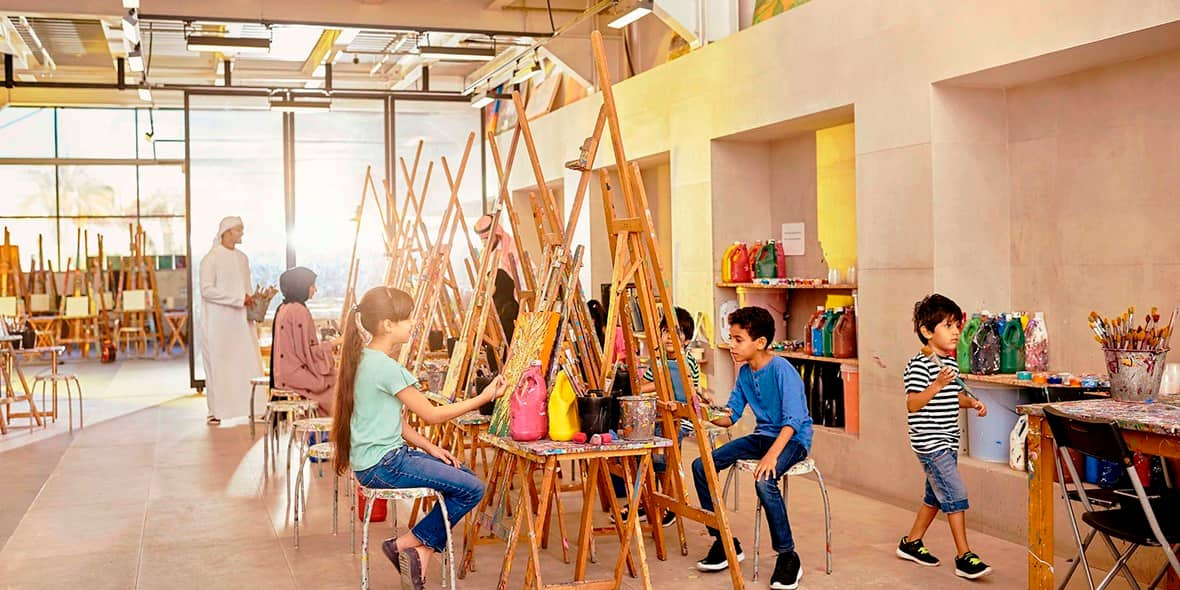
Art activities dubai encompass structured visual arts curricula, printable coloring materials, and hands-on creative exercises designed to foster early childhood cognitive and motor development in the United Arab Emirates. According to the National Association for the Education of Young Children (NAEYC), process-focused visual arts experiences significantly enhance spatial awareness, critical thinking, and fine-motor precision in early learners. Educators, parents, and homeschoolers throughout the region utilize downloadable resources like Art Activities to establish structured yet flexible creative routines. These print-ready assets bridge traditional classroom instruction with modern home-based learning frameworks.
Visual Learning & Skill Snapshot:
- Core Focus: Structured, print-based creative exercises tailored for early childhood development.
- Target Skill: Spatial reasoning, visual discrimination, fine-motor control, and bilateral coordination.
- Key Recommendation: Implement daily 20-minute guided creative sessions using standardized printable templates.
Core Principles and Learning Overview
Art activities dubai prioritize open-ended exploration combined with structured skill-building to support progressive neurological development in children. Structured drawing, cutting, and coloring tasks require the brain to translate visual stimuli into deliberate motor execution. Utilizing targeted resources such as Drawing Worksheets allows educators to introduce fundamental geometric shapes, perspective lines, and proportion ratios in an accessible format. Children manipulate pencils and markers to refine grip strength, which directly correlates with early literacy and handwriting proficiency.
Key Specifications and Breakdown
| Age / Learning Stage | Visual Skill & Ratio | Pedagogical Application & Scaffolding |
|---|---|---|
| Ages 3-4 (Early Years) | Gross motor control, primary color identification | Utilizing bold-line Coloring Pages to build boundary awareness and confidence. |
| Ages 5-6 (Kindergarten) | Bilateral coordination, shape mapping, proportion | Employing step-by-step drawing grids to teach spatial placement and symmetry. |
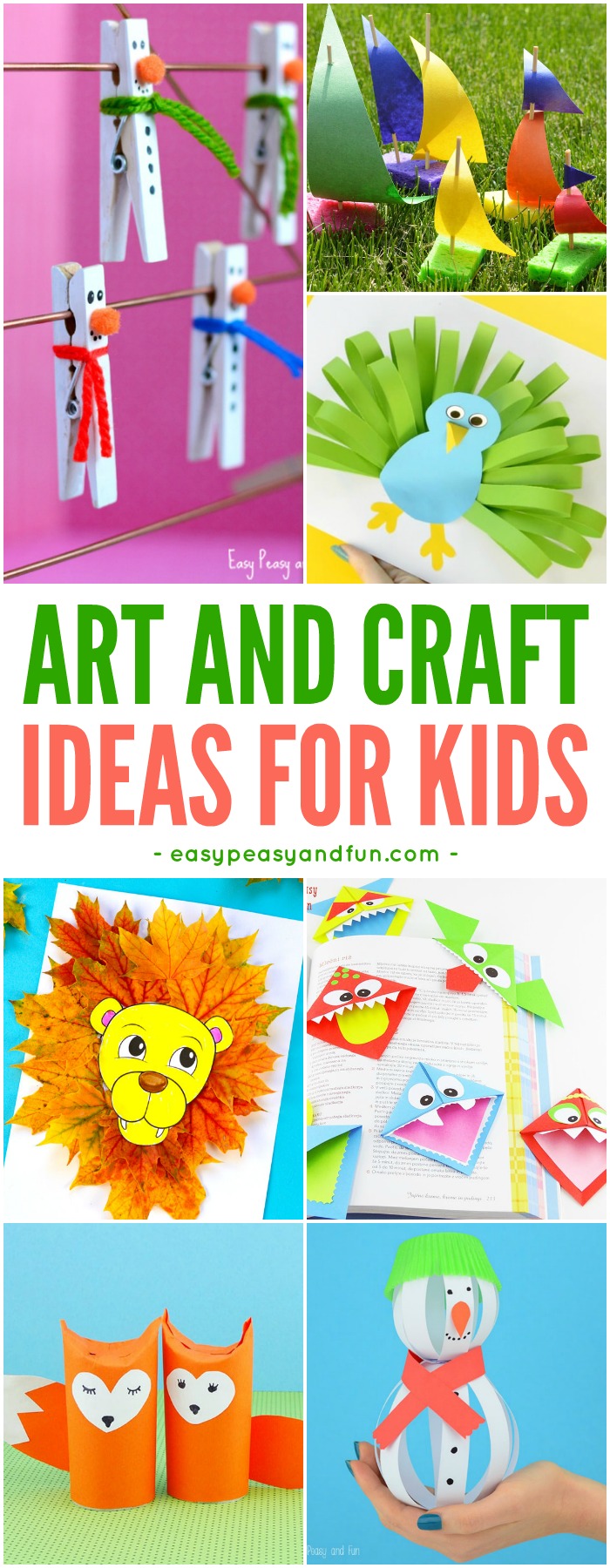
| Ages 7-8 (Early Elementary) | Advanced perspective, narrative illustration, layering | Integrating complex multi-step Printable Crafts for architectural and spatial logic. |
Engagement in visual arts and tactile crafting directly strengthens neural pathway density within the prefrontal cortex, supporting executive function and problem-solving capacities. — National Art Education Association (NAEA)
Step-by-Step Practical Application and Guidelines
Implementing effective art activities dubai in classrooms or home learning environments requires systematic preparation and material selection. Educators begin by selecting high-resolution digital templates that match the specific developmental milestone of the learner. High-quality cardstock or heavy bond paper is prepared to prevent bleeding during painting or marker application. Facilitators establish a dedicated, well-lit workspace equipped with child-safe scissors, non-toxic adhesives, and varied drawing mediums. Adults guide learners through observational analysis of the template before independent execution, ensuring children comprehend the core geometric lines and spatial requirements prior to marking the page.
Common Challenges and How to Avoid Them
Preventing frustration during creative sessions involves recognizing common hurdles such as perfectionism, grip fatigue, and improper scaling of complex worksheets. Adults frequently encounter resistance when children struggle to maintain lines within intricate coloring boundaries or complex craft templates. To mitigate this, educators should introduce simpler geometric layouts before advancing to detailed illustrations, and ensure writing utensils match the ergonomic needs of the child. Encouraging process over product shifts the cognitive focus away from flawless replication and toward joyful, experimental skill acquisition.
💬 Frequently Asked Questions
Conclusion and Next Steps
Integrating reliable, structured creative exercises into daily educational routines establishes a robust foundation for lifelong visual literacy and academic success. Educators and families looking to expand their creative libraries can access a wide variety of professional resources by visiting ColorLeaf Studio to explore curated Art Activities designed for every developmental stage.
Visual Reference Gallery