Introduction
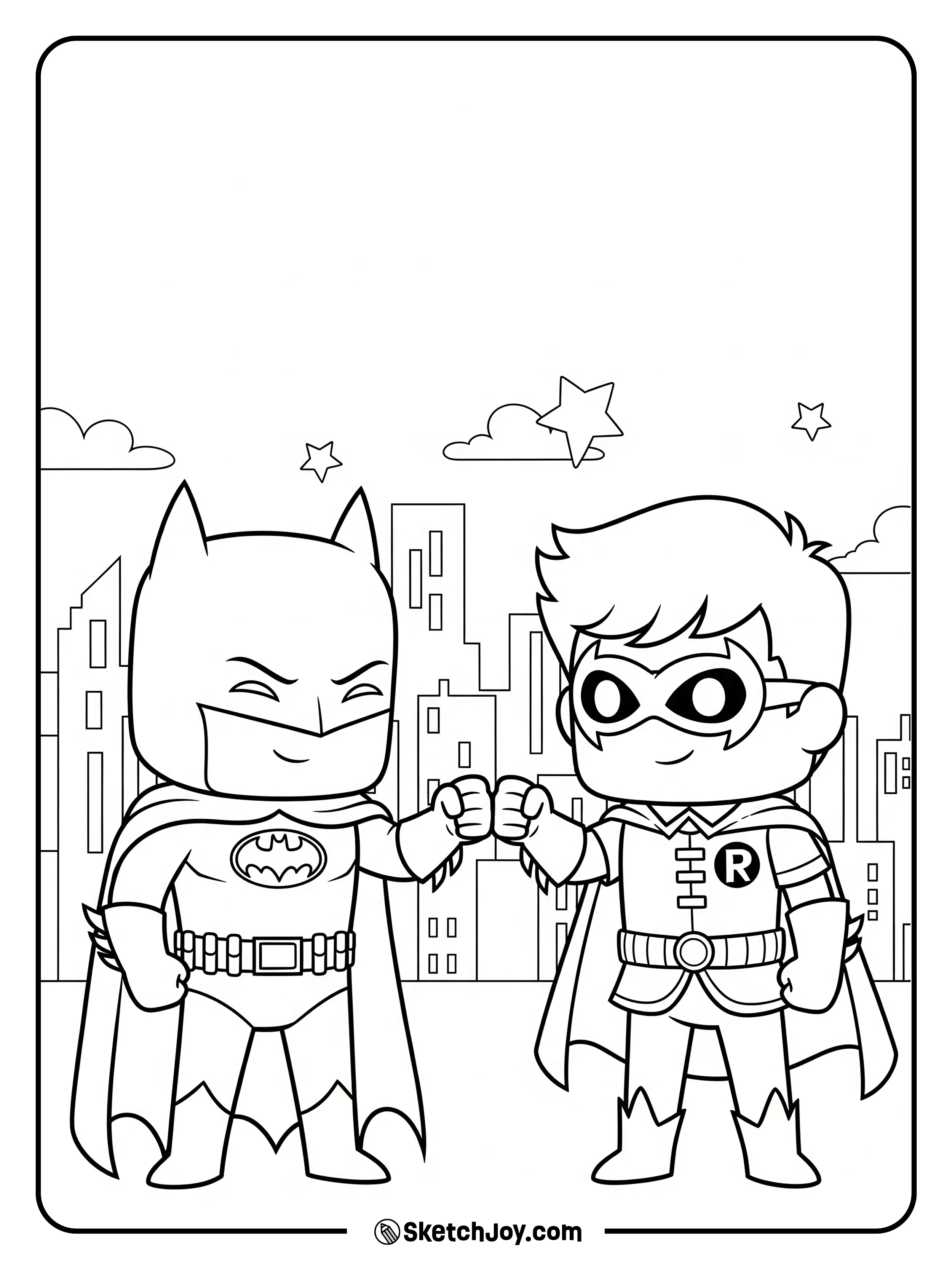
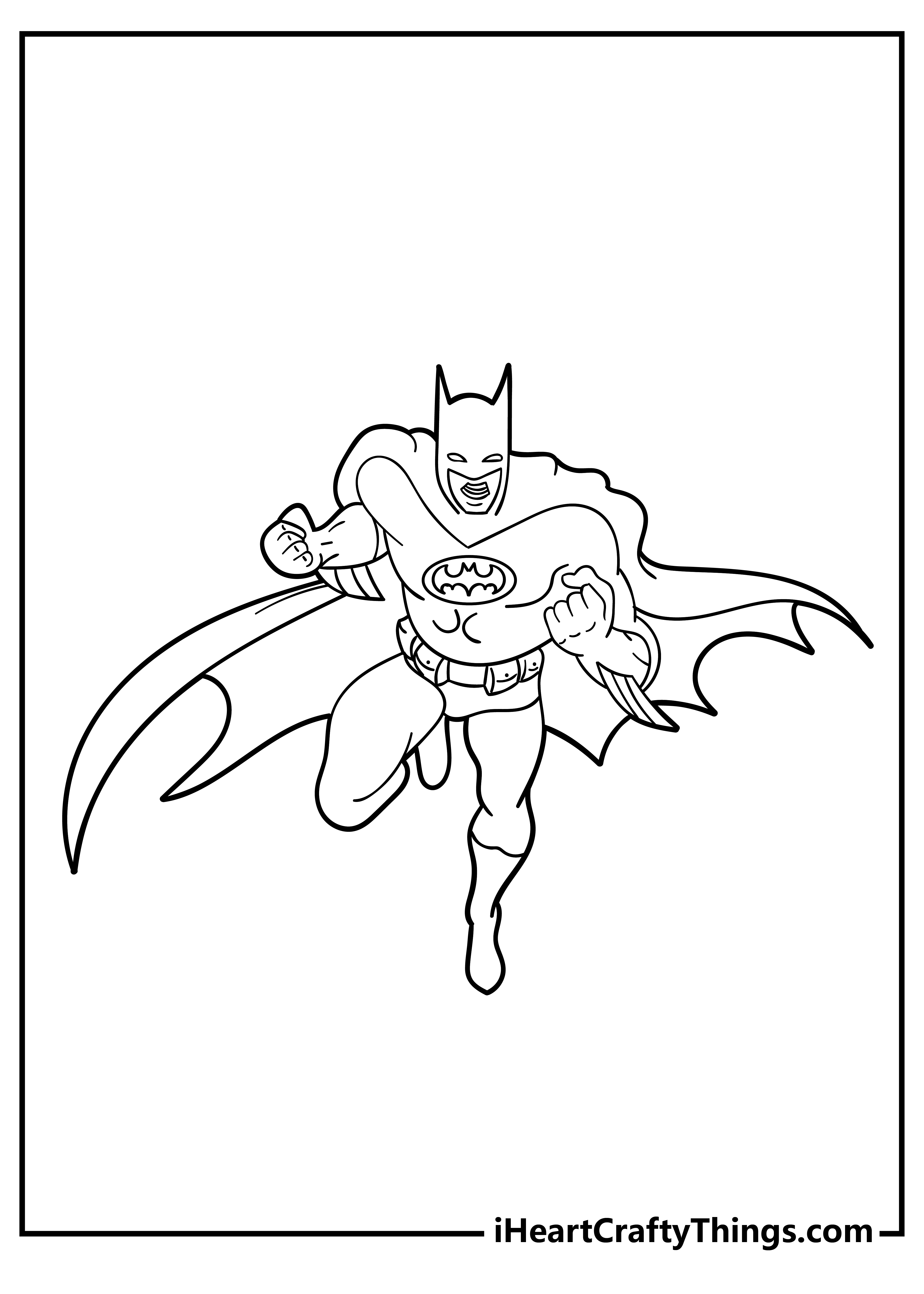
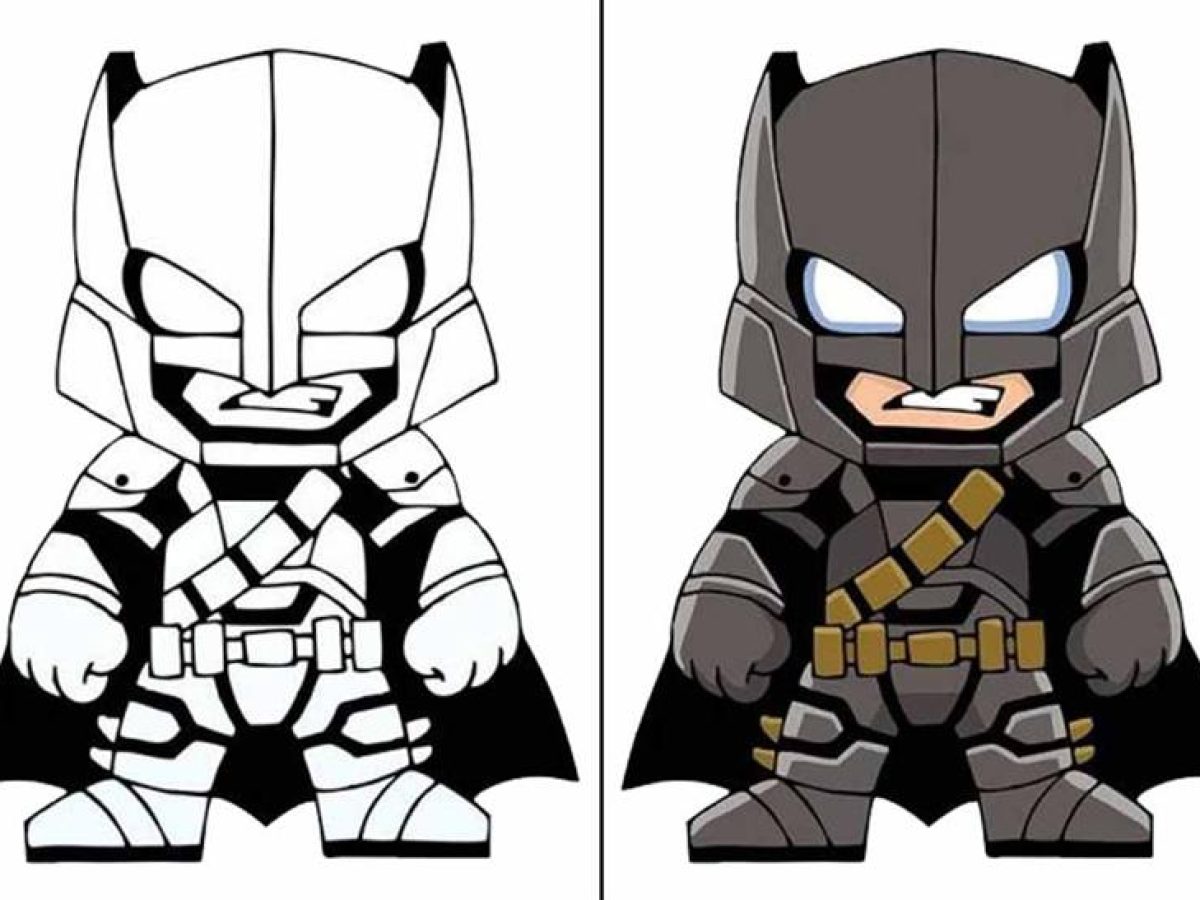
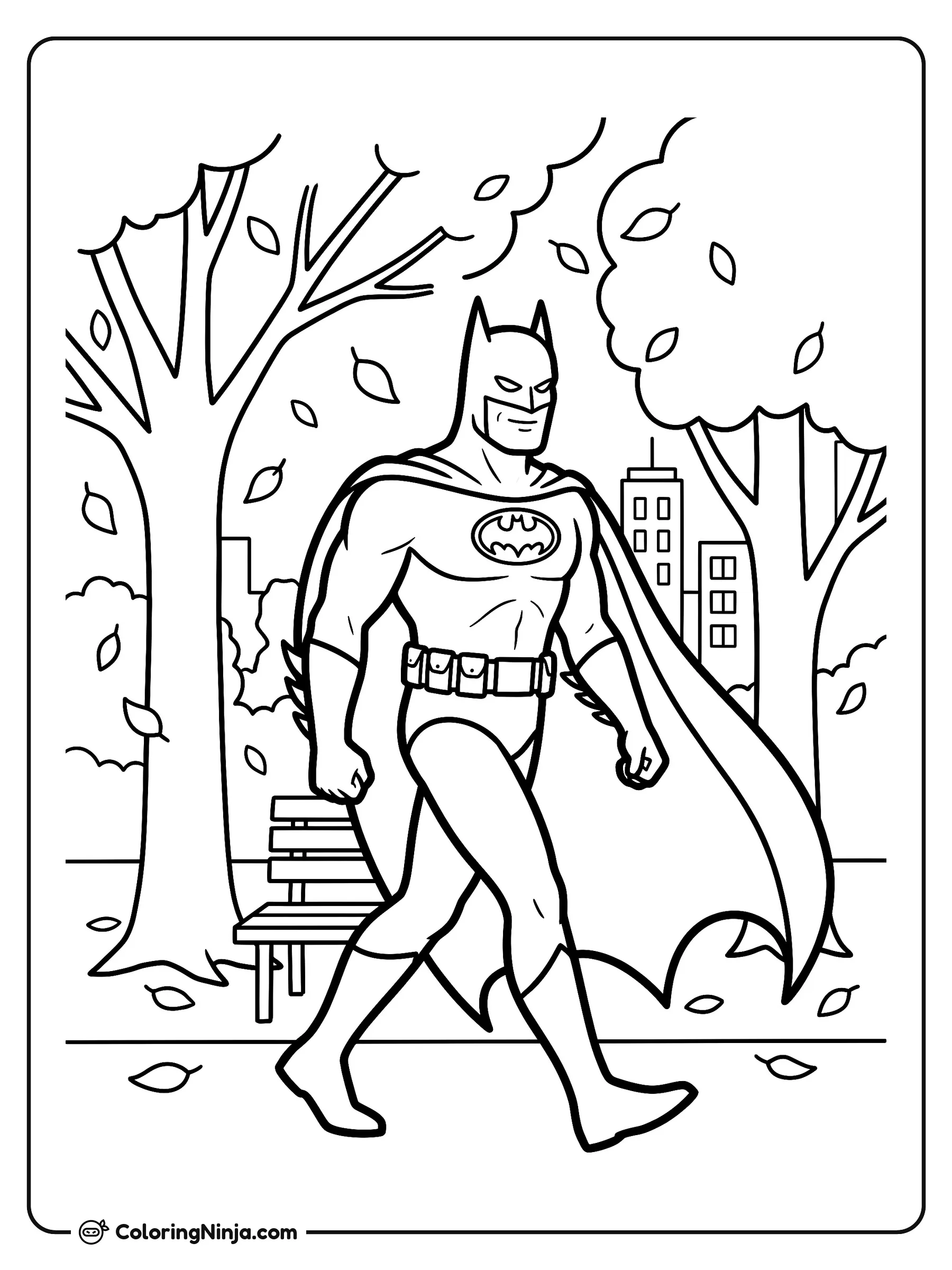
Coloring pages batman provide structured graphical templates that reinforce fine-motor precision, spatial visualization, and narrative comprehension through iconic heroic imagery. According to the National Association for the Education of Young Children (NAEYC), purposeful manipulation of artistic media and outlined characters builds foundational hand-eye coordination essential for early writing proficiency. Utilizing targeted resources such as Coloring Pages allows educators and parents to channel high-interest themes into structured cognitive development tasks.
Visual Learning & Skill Snapshot:
- Core Focus: Harnessing character-driven outlines like coloring pages batman to motivate fine-motor control and focus.
- Target Skill: Spatial reasoning, boundary containment, visual discrimination, and proportion awareness.
- Key Recommendation: Pair high-contrast graphics with mixed-media tools to enhance tactile feedback and sustained attention.
Core Principles and Learning Overview
Structured coloring sheets featuring complex iconography bridge the gap between recreational engagement and intentional artistic instruction. Children utilize high-contrast lines to practice pen-grip endurance, line-weight variation, and color-blocking techniques. Integrating thematic elements from Drawing Worksheets helps transition young learners from passive coloring to active compositional planning, while related Art Activities expand these concepts into three-dimensional creations.
Key Specifications and Breakdown
| Age / Learning Stage | Visual Skill & Ratio | Pedagogical Application & Scaffolding |
|---|---|---|
| Ages 3-4 (Early Preschool) | Broad stroke control, thick boundary recognition (10mm+ line weights). | Utilize simplified silhouettes to encourage basic color containment and grip stamina. |
| Ages 5-7 (Kindergarten/Early Elementary) | Complex spatial tracking, negative space awareness, shading variations. | Incorporate dynamic action poses to practice directional strokes and color blending. |
| Ages 8+ (Advanced Elementary) | Detailed proportion mapping, hatching, cross-hatching, value scales. | Transition to multi-layered panel compositions that merge coloring with independent sketching. |
Structured art tasks that incorporate familiar character iconography significantly increase task persistence and fine-motor engagement in early childhood cohorts. — National Art Education Association (NAEA)
Step-by-Step Practical Application and Guidelines
Implementing thematic sheets effectively requires selecting high-resolution print assets, setting up ergonomic seating, and providing diverse rendering tools. Educators begin by analyzing the line-weight density of the chosen template, matching the paper stock weight to the intended medium—such as heavier cardstock for markers or standard bond paper for colored pencils. Instructors guide learners to establish a focal point, such as the central emblem or mask, before filling in surrounding shadows and background environments. Expanding the lesson with projects from Printable Crafts transforms static two-dimensional templates into interactive puppets or dioramas.
Common Challenges and How to Avoid Them
Frustration often occurs when children attempt intricate details without adequate wrist control or appropriate tool selection. Educators prevent this by scaling the complexity of the templates to match developmental milestones, substituting broad wax crayons for fine-tip markers when hand fatigue arises. Encouraging deliberate, slow hand movements rather than rushed filling helps learners conquer boundary overflow and builds long-term pencil dexterity.
💬 Frequently Asked Questions
Conclusion and Next Steps
Integrating thematic visual exercises into early education creates a powerful bridge between playful engagement and essential motor skill mastery. Educators and parents can elevate learning outcomes by exploring additional resources available through curated collections like Coloring Pages to inspire ongoing creativity.
Printable Coloring Page Previews