Introduction
Art craft activities near me refer to accessible, localized, and instantly deployable creative experiences that foster cognitive growth and fine motor control in young children. According to the National Association for the Education of Young Children (NAEYC), hands-on creative expression significantly accelerates neural pathway formation, spatial reasoning, and emotional regulation during early childhood. Integrating structured visual exercises into daily home or classroom schedules transforms ordinary spaces into dynamic art studios without requiring extensive travel or expensive material acquisition. Educators and parents frequently seek immediate, high-quality resources that promote autonomous exploration through structured drawing, coloring, and tactile manipulation.
Visual Learning & Skill Snapshot:
- Core Focus: Immediate access to localized, print-ready creative projects that stimulate cognitive and tactile development.
- Target Skill: Bilateral coordination, spatial proportion, visual discrimination, and fine-motor precision.
- Key Recommendation: Curate a dedicated workspace stocked with quality printing paper, safety scissors, and varied coloring mediums to support spontaneous creation.
Core Principles and Learning Overview
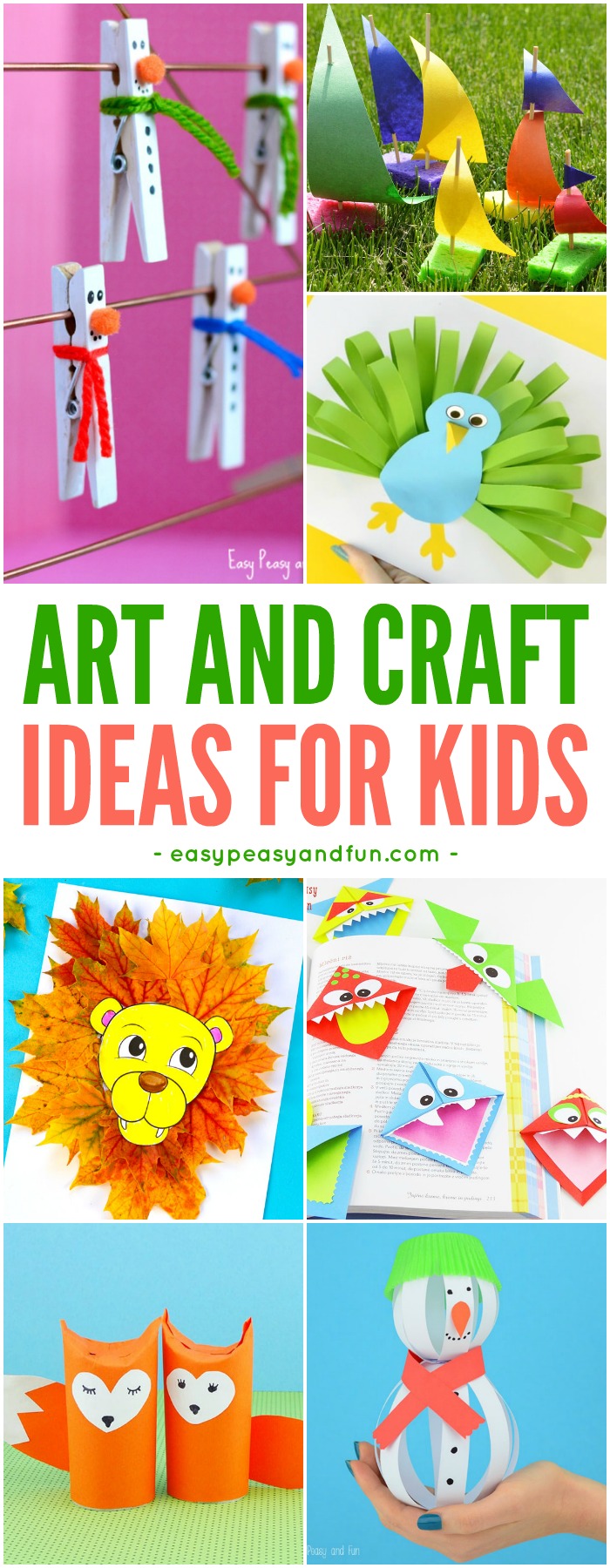
Implementing effective artistic projects relies on balancing open-ended creative freedom with structured skill-building frameworks that challenge growing minds. Structured Art Activities bridge the gap between abstract thought and physical execution by teaching children how to manipulate lines, shapes, and textures intentionally. Early learners benefit immensely from utilizing specialized Drawing Worksheets that provide scaffolding, guiding pencil grip and proportional observation without stifling individual imagination. Meanwhile, precise Printable Crafts build finger dexterity and hand-eye synchronization through folding, cutting, and pasting exercises.
Key Specifications and Breakdown
| Age / Learning Stage | Visual Skill & Ratio | Pedagogical Application & Scaffolding |
|---|---|---|
| Ages 3-4 (Early Explorer) | Gross motor mark-making to emerging pencil grip (1:1 scale) | Utilize large-format Coloring Pages with thick borders to build hand strength. |
| Ages 5-6 (Developing Artist) | Shape recognition, spatial mapping, and basic symmetry | Introduce guided grid worksheets that teach proportion and observational drawing. |
| Ages 7-8 (Independent Creator) | Complex multi-step construction and fine-detail rendering | Deploy intricate printable paper crafts that require precise cutting and sequencing. |
Art experiences foster intentional problem-solving and divergent thinking by encouraging children to navigate open-ended creative challenges rather than seeking a single predetermined outcome. — National Art Education Association (NAEA). For more related activities, check out our Art Activities Cafe.
Step-by-Step Practical Application and Guidelines
Executing successful studio sessions at home or in the classroom begins with proper material preparation, environmental setup, and clear guidance. Educators should select age-appropriate templates, print them on durable cardstock or standard bond paper depending on the medium, and organize tools logically within arm’s reach of the child. Establishing a predictable routine—such as previewing the design, discussing the color palette or construction steps, and executing the project with focused attention—maximizes both engagement and cognitive retention. Concluding each session with a reflective dialogue helps learners articulate their creative choices and reinforces the value of their unique artistic output.
Common Challenges and How to Avoid Them
Frustration during creative projects typically stems from mismatched motor skill expectations or templates that are either too complex or overly simplistic for the child’s developmental stage. Adults can easily prevent burnout by matching the complexity of the printable materials to the current fine motor capabilities of the learner, offering smaller, manageable tasks rather than overwhelming multi-page booklets. Providing supportive encouragement focused on effort and technique rather than flawless execution maintains high intrinsic motivation and preserves the inherent joy of the artistic process.
💬 Frequently Asked Questions
Conclusion and Next Steps
Transforming everyday learning environments into thriving creative spaces requires minimal friction and maximum access to high-quality educational resources. By leveraging instant digital assets, educators and families can continuously inspire young learners to explore, create, and refine their motor skills. Explore the curated collection of Art Activities to begin designing engaging, skill-building lessons today.
Visual Reference Gallery