Introduction
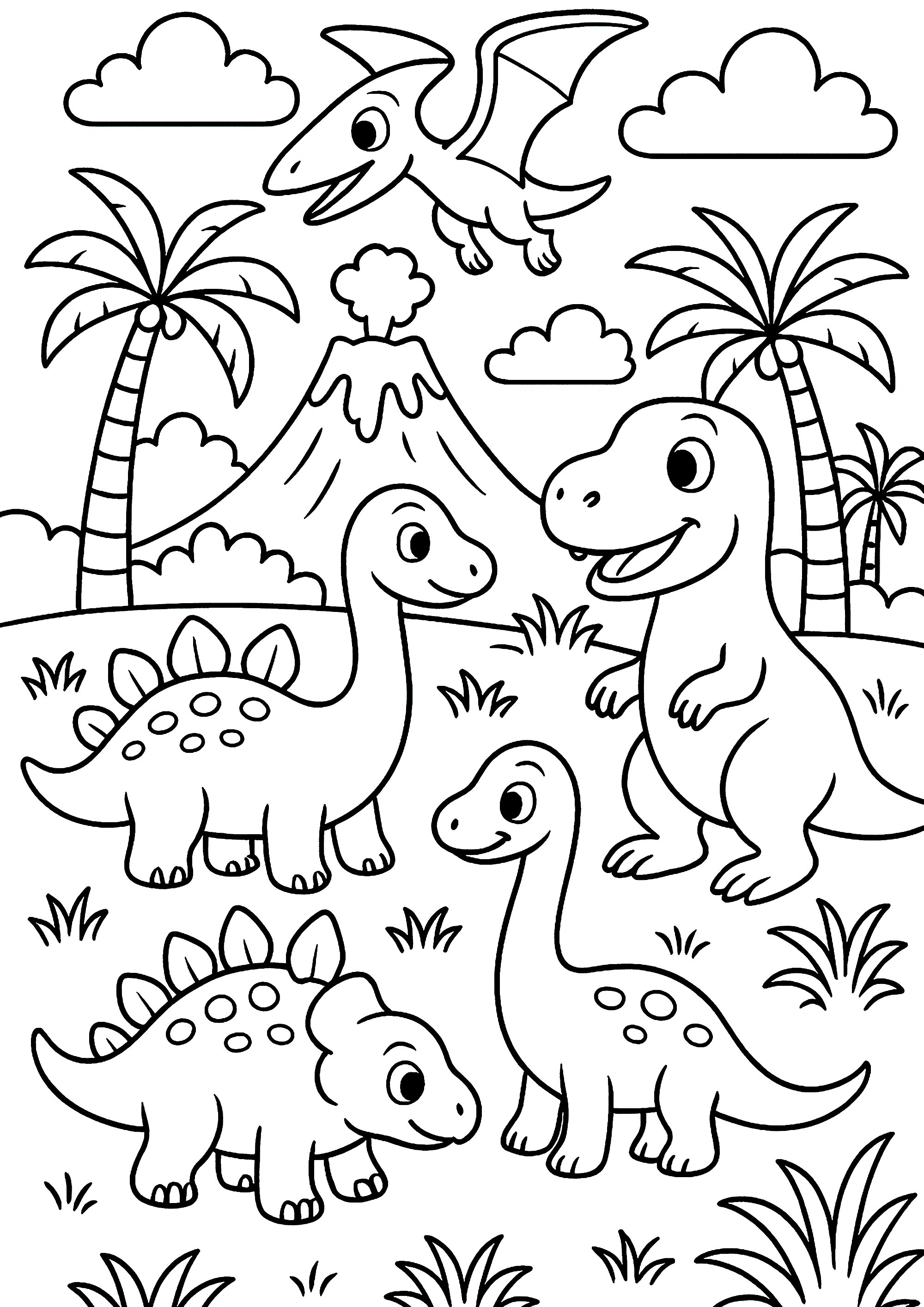
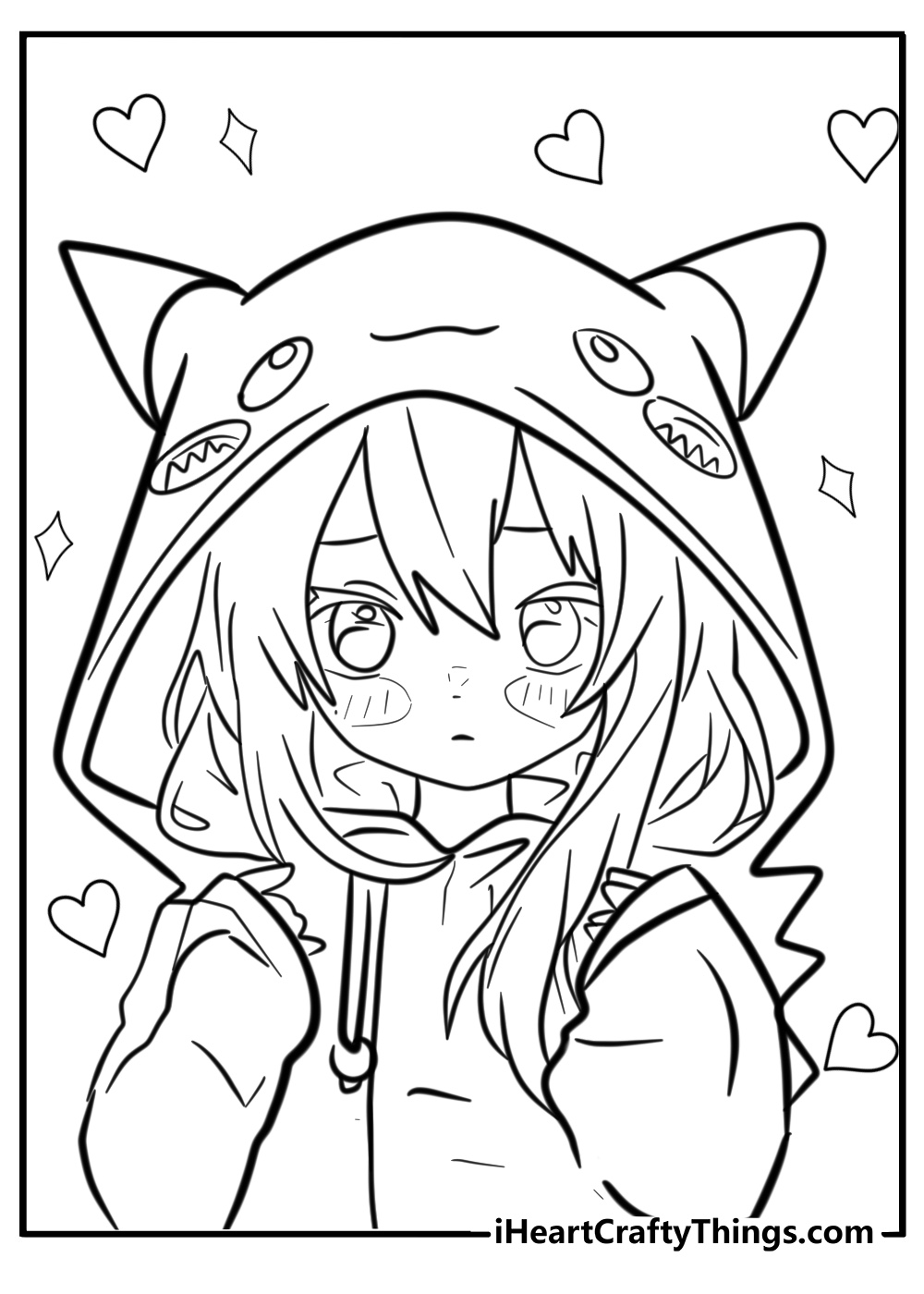
Coloring pages for adults serve as sophisticated pedagogical tools that foster mindfulness, advanced spatial dexterity, and complex visual processing. According to the National Art Education Association (NAEA), structured engagement with intricate visual art forms reinforces fine-motor endurance, pattern recognition, and cognitive self-regulation across diverse learner populations. Integrating these advanced design frameworks into modern educational environments provides facilitators with powerful resources for bridging tactile artistry and cognitive focus. Exploring diverse portfolios of Coloring Pages allows educators to curate materials that challenge perceptual precision while promoting intentional stress reduction.
Visual Learning & Skill Snapshot:
- Core Focus: Utilizing intricate linear designs to build advanced visual concentration and hand-eye coordination.
- Target Skill: Complex spatial reasoning, micro-motor control, and color-theory application.
- Key Recommendation: Pair high-density coloring templates with pressure-variable media like brush markers or fine-liners for optimal control.
Core Principles and Learning Overview
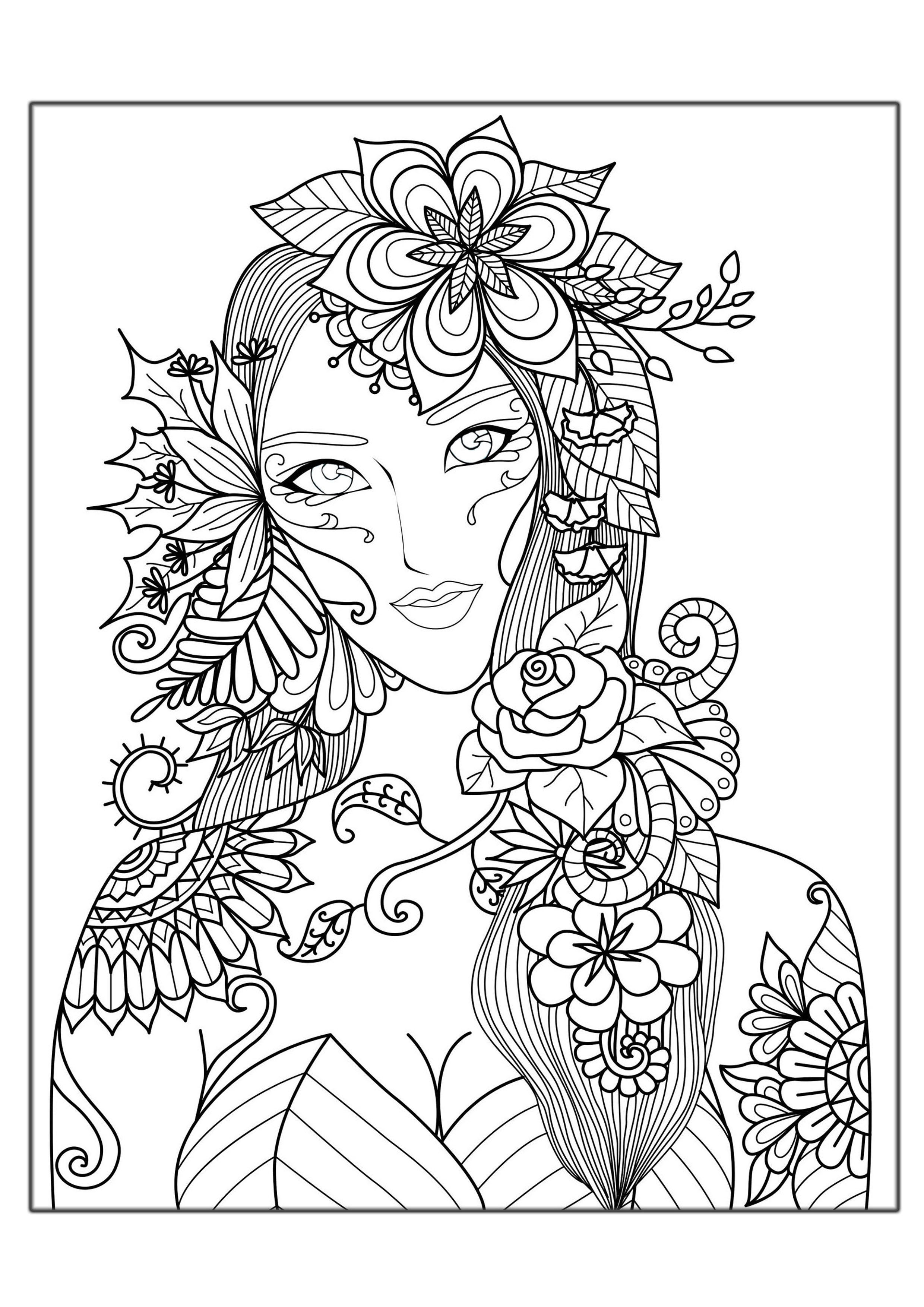
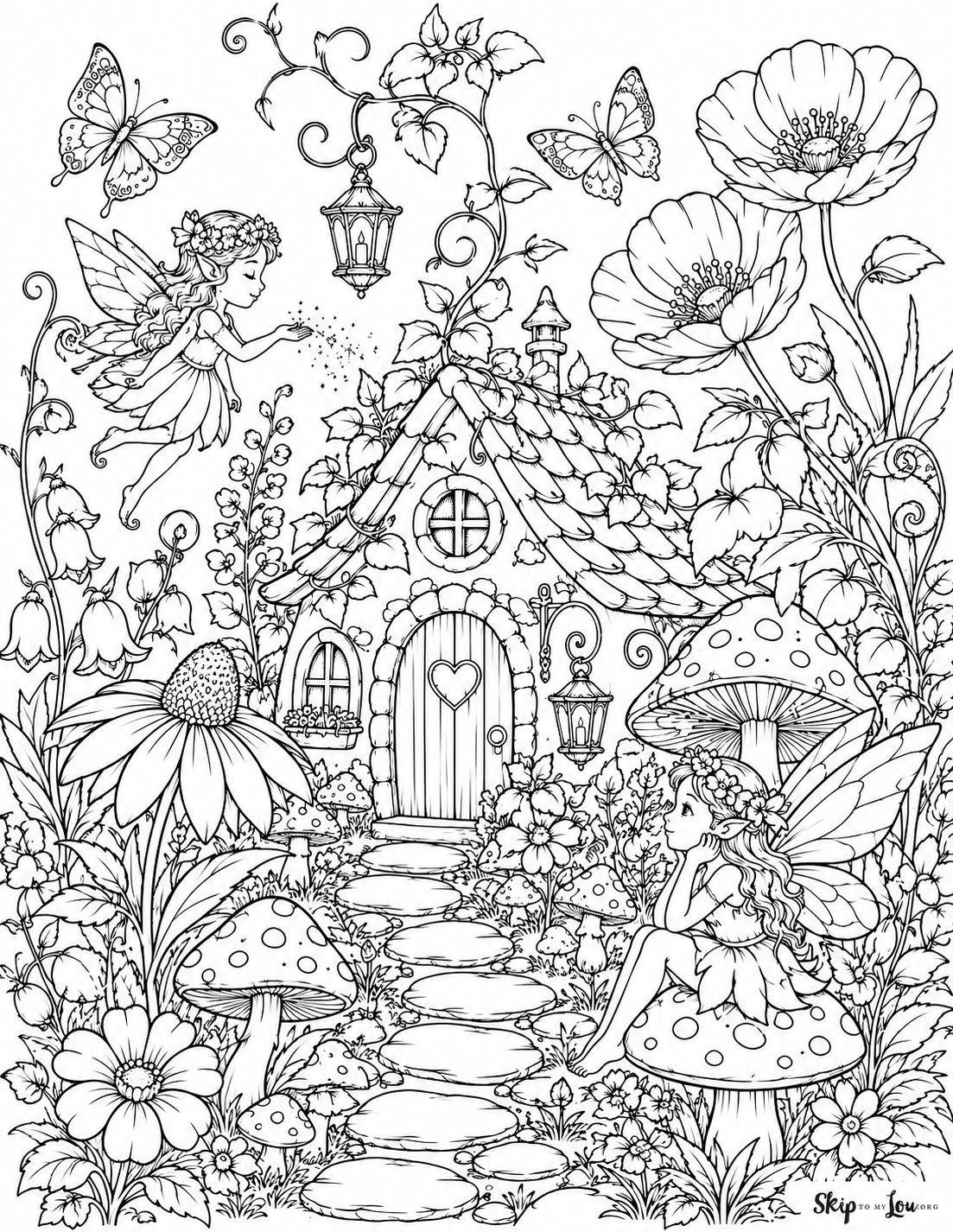
Adult-level coloring designs incorporate intricate geometric symmetries, organic botanical mandalas, and architecturally detailed compositions that demand sustained visual attention. The primary cognitive objective involves processing high-density negative space and maintaining consistent line-boundary discipline, which directly strengthens neurological pathways responsible for visual-spatial organization. Educators often utilize these complex visual layouts to transition students from basic motor execution to meticulous design analysis, preparing minds for advanced Drawing Worksheets. By engaging with intricate contours, learners develop a heightened appreciation for balance, scale, proportion, and visual rhythm.
Key Specifications and Breakdown
| Age / Learning Stage | Visual Skill & Ratio | Pedagogical Application & Scaffolding |
|---|---|---|
| Early Adolescence (Ages 12-14) | Intermediate contour tracking and chromatic balance | Use moderately detailed geometric patterns to build foundational shading and layering habits. |
| Advanced Youth & Educators (Ages 15+) | High-density pattern analysis and micro-precision | Deploy intricate botanical mandalas to cultivate sustained focus and deliberate color-theory mapping. |
| Lifelong Learners & Art Instructors | Mastery of negative space and textural contrast | Incorporate architectural templates to study perspective lines, depth cues, and tonal gradation. |
Engagement with complex visual-motor tasks significantly enhances cognitive stamina and reduces stress markers through sustained mindful focus — National Art Education Association (NAEA)
Step-by-Step Practical Application and Guidelines
Implementing adult-level coloring resources effectively requires selecting heavy-weight paper stocks and appropriate rendering instruments to prevent bleed-through and paper buckling. Educators should begin by introducing a limited palette of three to five analogous hues, encouraging learners to experiment with pressure modulation to create depth and shadow within dense motifs. Transitioning from these mindful coloring sessions into hands-on Art Activities reinforces the direct connection between structured artistic templates and freehand spatial expression. Instructors must emphasize process over speed, allowing adequate time for individuals to analyze spatial relationships before applying pigment.
Common Challenges and How to Avoid Them
A frequent obstacle encountered during advanced coloring sessions is hand fatigue caused by excessive grip pressure and the urge to complete intricate sections too rapidly. Educators can resolve this by modeling relaxed pencil-grip postures and encouraging short ergonomic breaks every fifteen minutes to maintain hand elasticity. When learners feel overwhelmed by high-density compositions, breaking the page down into quadrant-based sections transforms a daunting intricate layout into manageable visual milestones, supporting long-term engagement similar to the tactile problem-solving found in Printable Crafts.
💬 Frequently Asked Questions
Conclusion and Next Steps
Integrating sophisticated artistic templates into daily routines offers profound cognitive, motor, and mindfulness benefits for learners of all ages. Educators and parents are encouraged to continuously expand their instructional toolkits by downloading professional resources available at ColorLeaf Studio to inspire lifelong creativity.
Printable Coloring Page Previews