Introduction
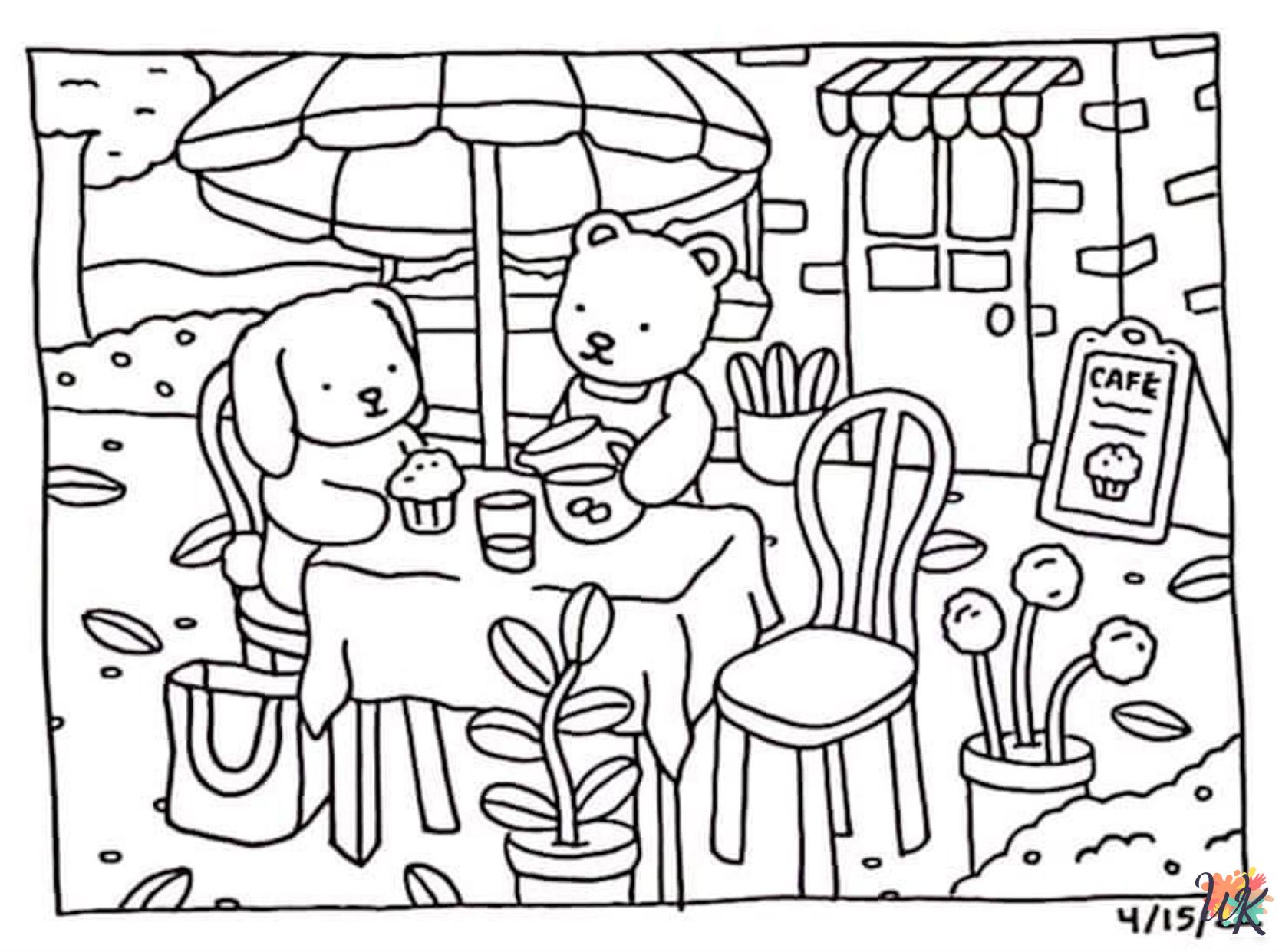
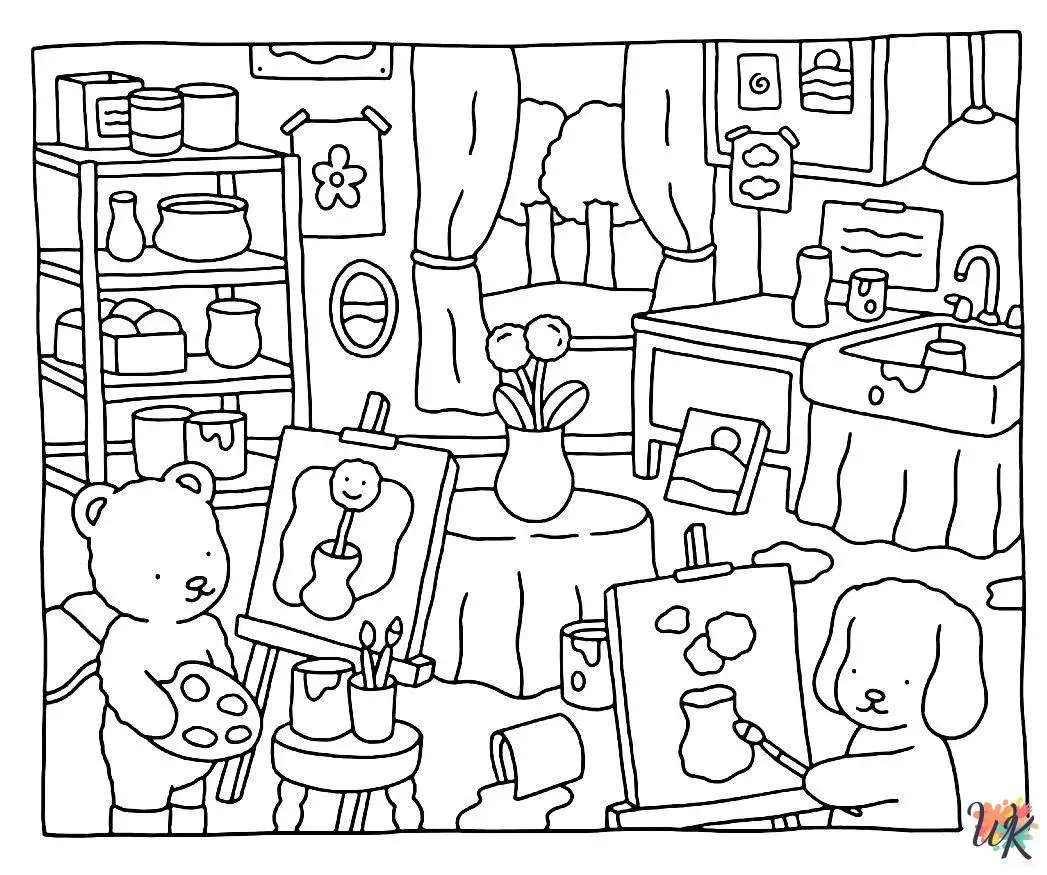
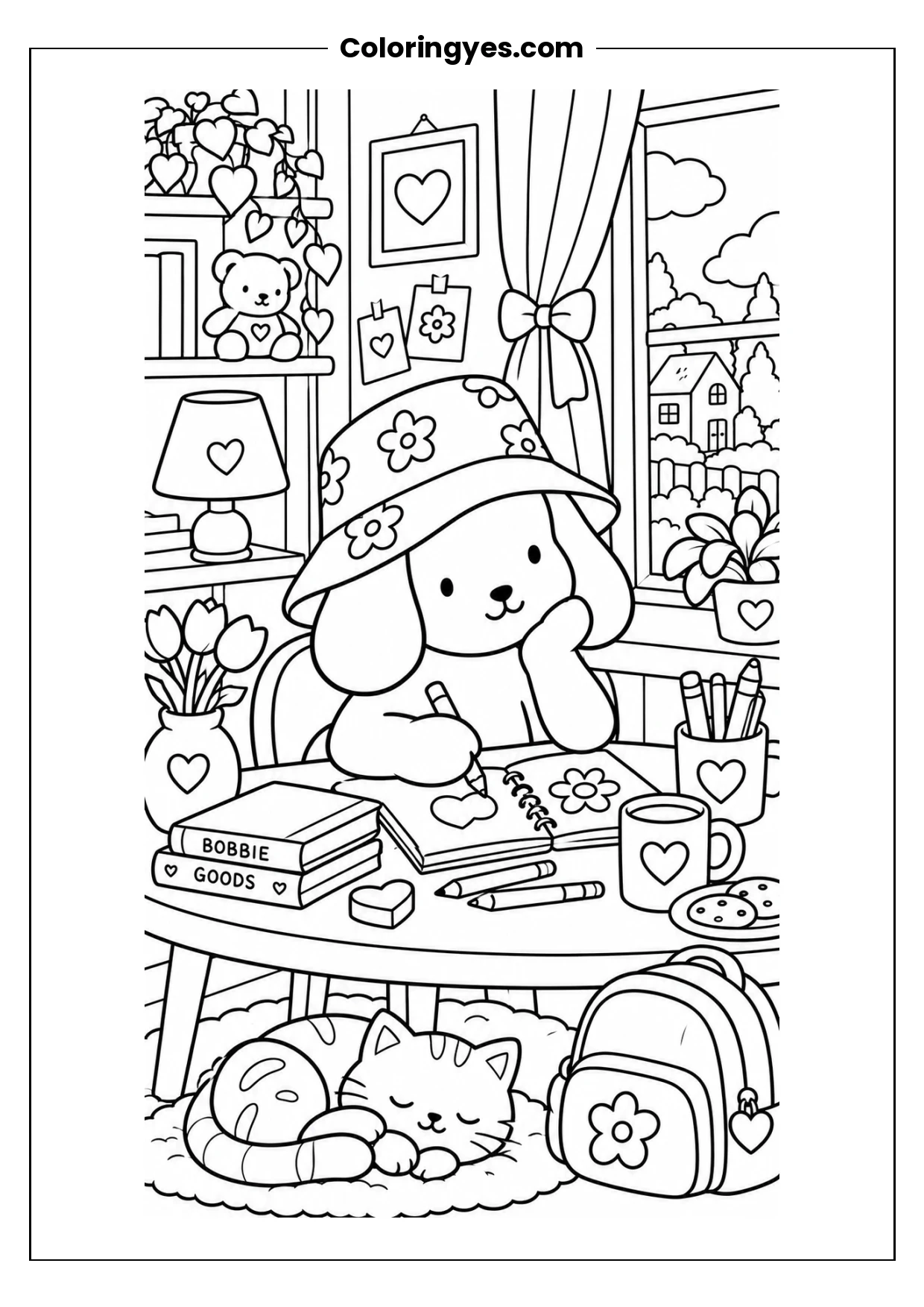
Coloring pages bobbie goods are specialized, narrative-driven printable line art sheets that feature charming cozy aesthetics, detailed domestic environments, and endearing animal characters to scaffold fine motor precision and narrative visualization in young learners. According to the National Association for the Education of Young Children (NAEYC), purposeful engagement with detailed visual art materials significantly enhances children’s bilateral coordination, spatial awareness, and sustained attention spans. By incorporating these cozy illustrative styles into early childhood curricula, educators and parents provide children with structured opportunities to explore color theory, value gradation, and complex composition within accessible artistic frameworks.
Visual Learning & Skill Snapshot:
- Core Focus: Narrative-rich, cozy-aesthetic coloring sheets that promote detailed motor control and visual storytelling.
- Target Skill: Fine-motor proportion, spatial reasoning, and visual discrimination.
- Key Recommendation: Pair high-density coloring templates with varied media such as colored pencils and watercolor markers to test paper weight resilience.
Core Principles and Learning Overview
Cozy illustrative art styles serve as powerful cognitive tools by offering manageable yet detailed visual boundaries that encourage intentional focus. When children interact with coloring pages bobbie goods, the intricate yet friendly linework prompts careful planning of color palettes, fostering critical thinking regarding light, shadow, and texture. This style bridges the gap between simple toddler coloring sheets and advanced botanical or architectural line art, making it exceptionally well-suited for early elementary students refining their pencil grips. Furthermore, utilizing structured Coloring Pages allows facilitators to introduce cross-curricular themes, including interior design concepts, basic perspective, and emotional storytelling through visual arts.
Key Specifications and Breakdown
| Age / Learning Stage | Visual Skill & Ratio | Pedagogical Application & Scaffolding |
|---|---|---|
| Ages 4-6 (Early Foundation) | Gross motor boundary control; 1:1 color-to-object mapping. | Use simplified borders and direct children to focus on primary shading techniques. |
| Ages 7-9 (Developing Mastery) | Fine-motor precision; subtle value shifts and texture blending. | Incorporate complex background items to build patience and spatial planning. |
| Ages 10+ (Advanced Application) | Advanced composition, lighting consistency, and narrative art. | Pair with Drawing Worksheets to encourage original scene replication. |
| Home & Classroom Settings | Collaborative art display; theme-based storytelling units. | Integrate alongside Printable Crafts for tactile multidimensional projects. |
Artistic exploration within structured boundaries promotes emotional regulation and strengthens neural pathways responsible for hand-eye coordination. — National Art Education Association (NAEA)
Step-by-Step Practical Application and Guidelines
Successful implementation of cozy-aesthetic art activities begins with selecting premium paper stock, ideally 80lb cardstock or heavier, to prevent bleeding from markers and wet mediums. Educators should first introduce the thematic elements of the sheet, discussing the objects, textures, and potential lighting sources before any coloring begins. Children benefit greatly from choosing a limited palette of four to six harmonious colors before executing the piece, which teaches color theory and reduces visual clutter. After completing the coloring phase, students can expand their creative output by transitioning into related Art Activities that transform flat printed sheets into 3D dioramas or narrative storyboards.
Common Challenges and How to Avoid Them
Young learners often experience frustration when intricate linework feels overwhelming or when standard printer paper buckles under heavy marker applications. To prevent sensory fatigue and discouragement, facilitators should break long coloring sessions into smaller, manageable intervals, encouraging hand stretches and visual rests. Selecting appropriate printing weights eliminates the problem of ink bleeding, while providing well-sharpened colored pencils instead of broad-tipped markers ensures children can successfully navigate tight spaces without crossing outlines. Establishing a supportive environment that values patience over speed helps learners appreciate the meditative quality of detailed coloring.
💬 Frequently Asked Questions
Conclusion and Next Steps
Integrating cozy illustrative art into daily routines provides an exceptional balance of mindfulness, motor skill refinement, and creative expression. Educators and families are encouraged to expand these artistic experiences by exploring additional resources available through ColorLeaf Studio, where curated collections of Coloring Pages support continuous developmental growth.
Printable Coloring Page Previews