Introduction
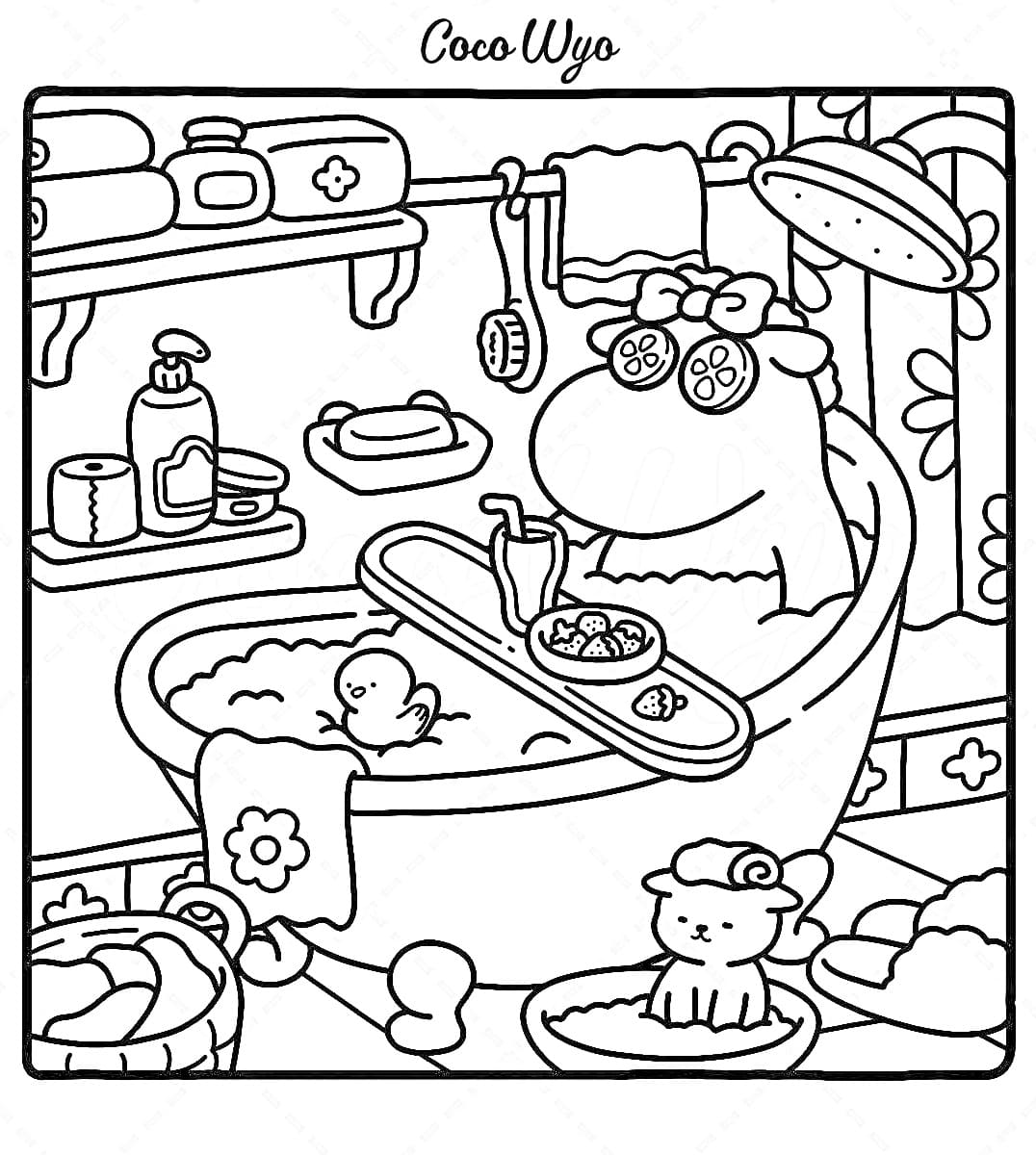
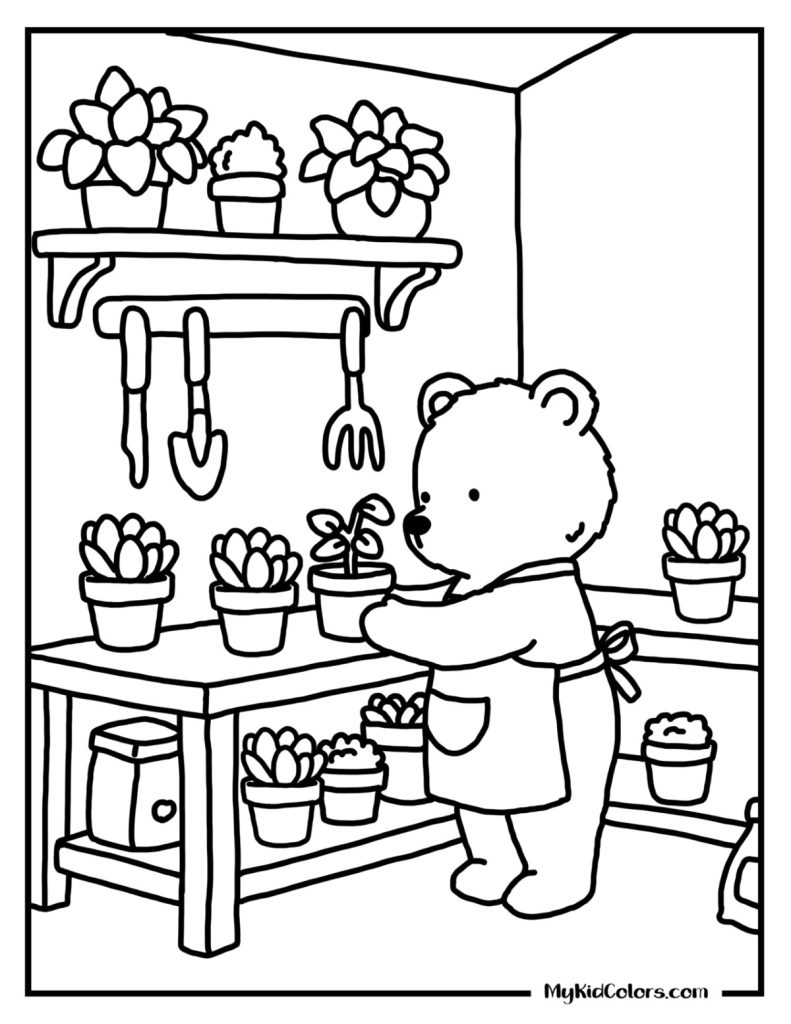
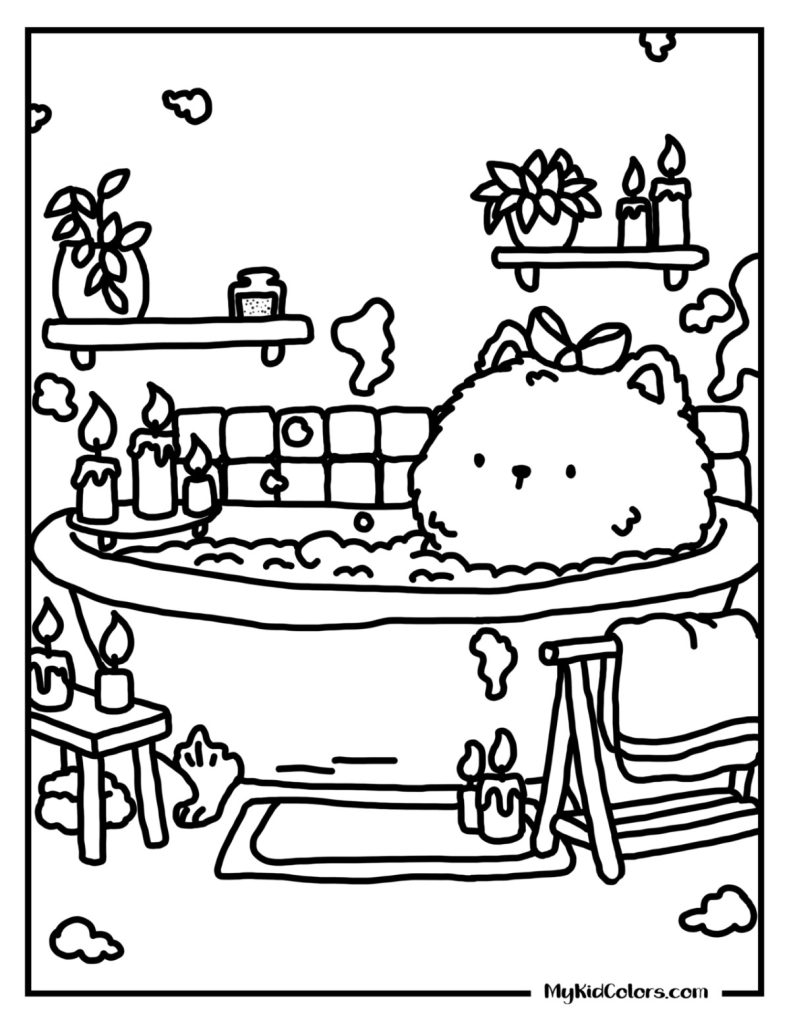
Coloring pages Coco Wyo refer to a distinct aesthetic genre of printable graphic art characterized by thick outlines, cozy everyday scenes, and simplified yet balanced composition layouts optimized for mindful art practice and early motor skill development. According to the National Association for the Education of Young Children (NAEYC), purposeful engagement with structured visual arts materials actively supports the refinement of hand-eye coordination, sustained attention spans, and spatial awareness in growing children. Exploring specialized visual resources provides educators and caregivers with structured opportunities to enhance fine motor control while fostering emotional regulation through intentional, screen-free creative tasks. Such printables serve as a bridge between foundational Coloring Pages and more advanced spatial exercises.
Visual Learning & Skill Snapshot:
- Core Focus: Thick-lined, cozy, character-driven aesthetic templates designed for meditative and controlled pigment application.
- Target Skill: Fine-motor proportion, visual discrimination, color theory application, and sustained focus.
- Key Recommendation: Pair thick-lined printing sheets with broad-tip markers or soft-core colored pencils to encourage correct tripod grip development.
Core Principles and Learning Overview
Cozy aesthetic coloring sheets incorporate bold boundary lines and spacious focal points that directly assist young learners in navigating spatial constraints without visual frustration. Direct answer in first sentence: The primary cognitive value of utilizing Coco Wyo style coloring sheets lies in their ability to reduce visual clutter while providing clearly defined boundaries that scaffold pencil control and motor planning. Educational environments benefit immensely from incorporating these templates into daily schedules, as the uncluttered backgrounds allow children to focus entirely on pressure control, color blending, and intentional pattern creation. For broader creative exploration, integrating these pages alongside structured Drawing Worksheets helps students transition smoothly from coloring predetermined boundaries to generating original lines.
Key Specifications and Breakdown
| Age / Learning Stage | Visual Skill & Ratio | Pedagogical Application & Scaffolding |
|---|---|---|
| Early Childhood (Ages 3-5) | Gross boundary recognition; thick-to-thin stroke ratio (4:1) | Use oversized crayons or chunky markers to reinforce palmar and early tripod grasp without hand fatigue. |
| Early Elementary (Ages 6-8) | Micro-region differentiation; shading gradients | Introduce colored pencils and watercolor paints to teach pigment layering, light source consistency, and color blending. |
| Upper Elementary & Homeschool (Ages 9+) | Advanced color harmony, pattern expansion, and textural variation | Challenge learners to modify background elements or incorporate mixed-media collage elements onto printed outlines. |
Structured visual art activities significantly enhance fine motor control, bilateral coordination, and visual-spatial processing networks during early childhood development. — National Art Education Association (NAEA)
Step-by-Step Practical Application and Guidelines
Effective implementation of cozy-style coloring printables requires a systematic approach to material selection, workspace preparation, and guided artistic exploration. Direct answer in first sentence: Establishing a successful art session involves selecting heavy-cardstock paper, organizing appropriate pigment mediums, and modeling mindful coloring techniques before independent work begins. Educators and parents should first print selected designs on heavyweight paper to prevent bleeding or tearing when water-based markers are applied. Next, encourage children to identify light sources within the scene before applying color, which naturally introduces elementary value scales and spatial depth. Finally, display completed art pieces at eye level to validate creative efforts and build lasting intrinsic motivation.
Common Challenges and How to Avoid Them
Overcoming common frustration points during coloring sessions ensures that artistic engagement remains a positive, confidence-building experience for children. Direct answer in first sentence: Frustration during coloring typically stems from using inappropriate writing utensils on thin paper stock or attempting complex shading before mastering basic pressure modulation. To resolve bleed-through issues and paper tearing, swap standard copy paper for 65-pound or heavier cardstock, which readily withstands repeated strokes and damp mediums. When learners rush through fine details, prompt them to slow down by introducing engaging tactile challenges, such as outlining specific objects with metallic gel pens or testing various patterns before filling large blocks of space.
💬 Frequently Asked Questions
Conclusion and Next Steps
Integrating cozy-aesthetic visual resources into home and classroom environments offers a powerful method for supporting cognitive development, fine motor precision, and emotional well-being. By utilizing thoughtfully designed printables, educators and parents provide children with engaging tools that transform simple coloring tasks into meaningful creative milestones. To expand your collection of educational print resources, explore the wide array of downloadable materials available across the Coloring Pages archives.
Printable Coloring Page Previews