Introduction
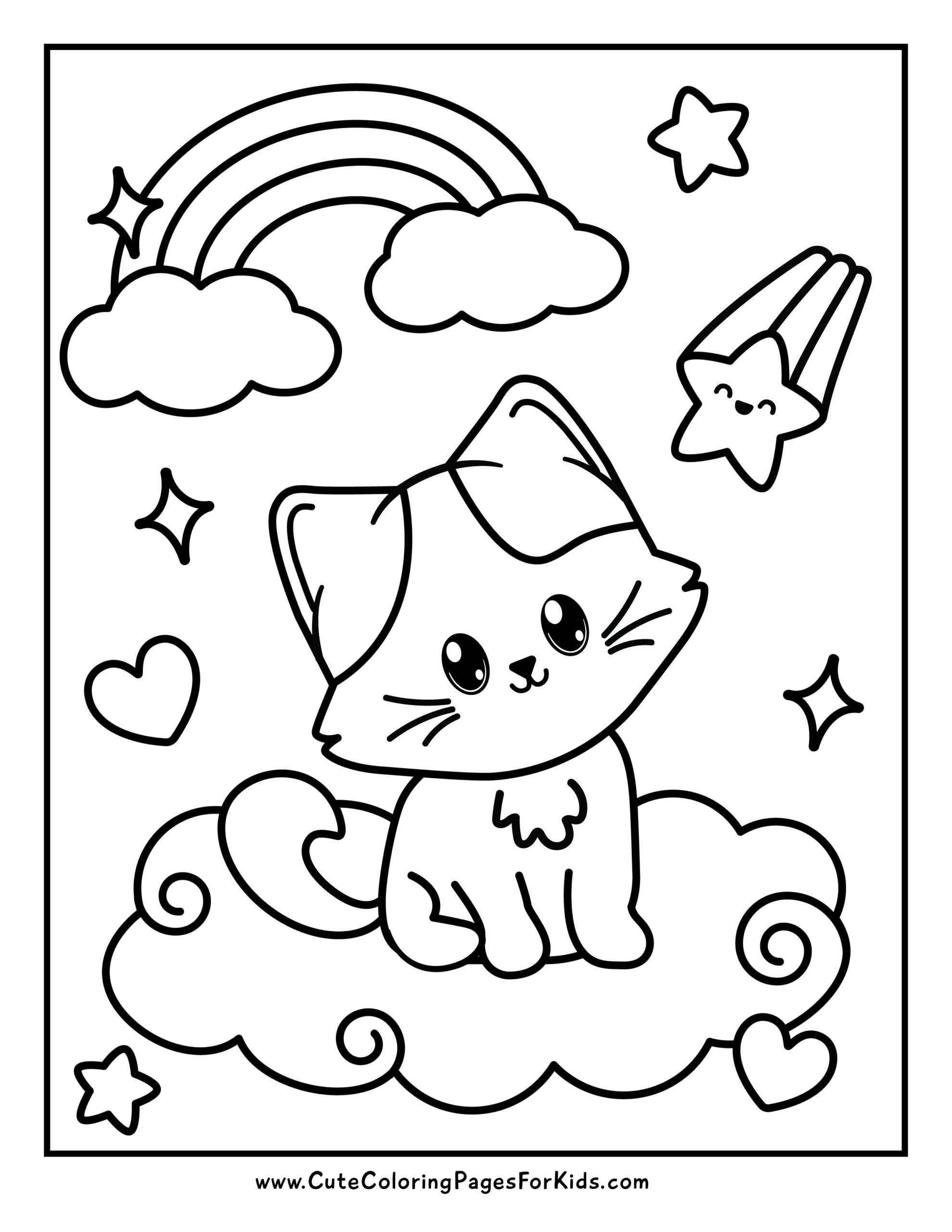
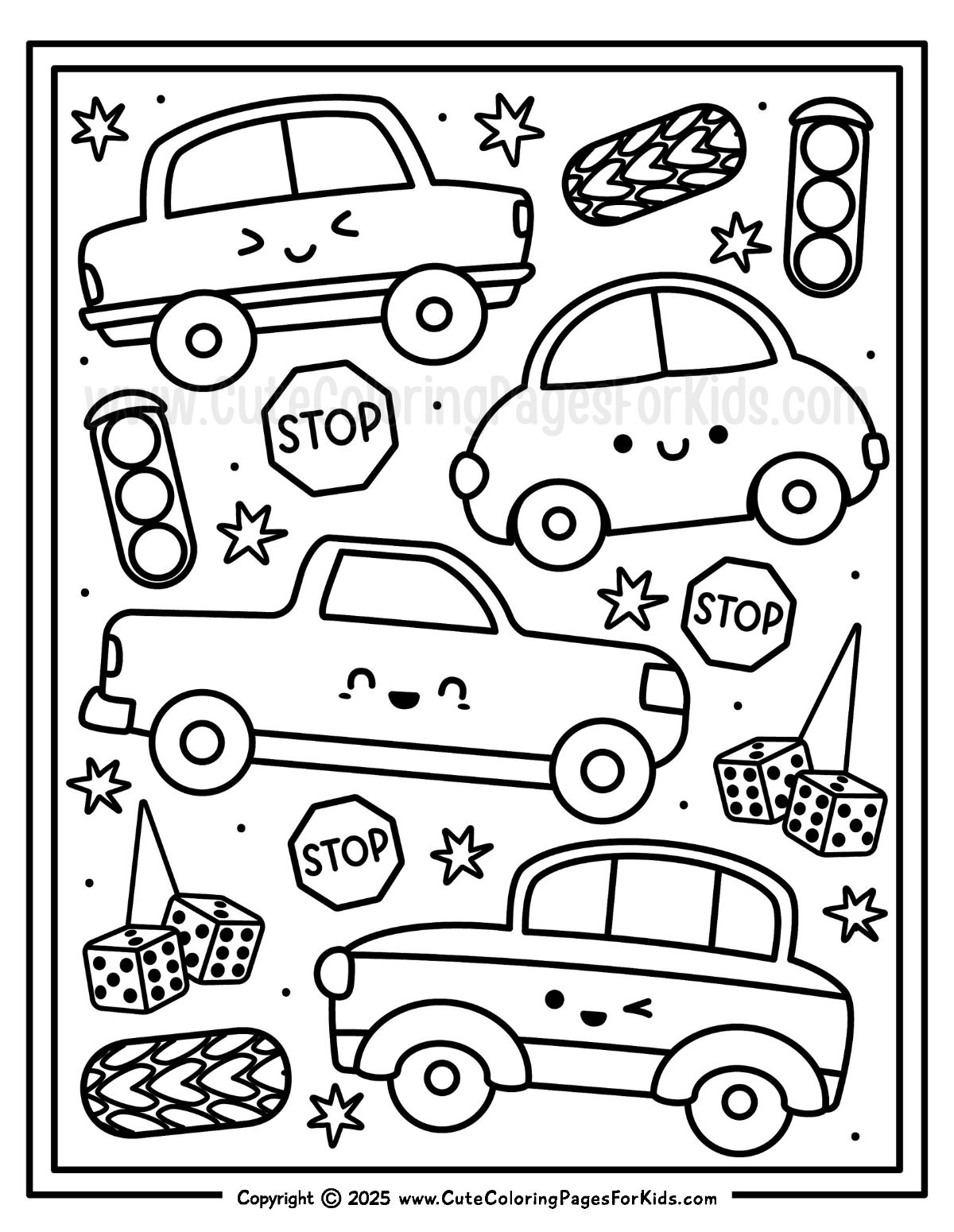
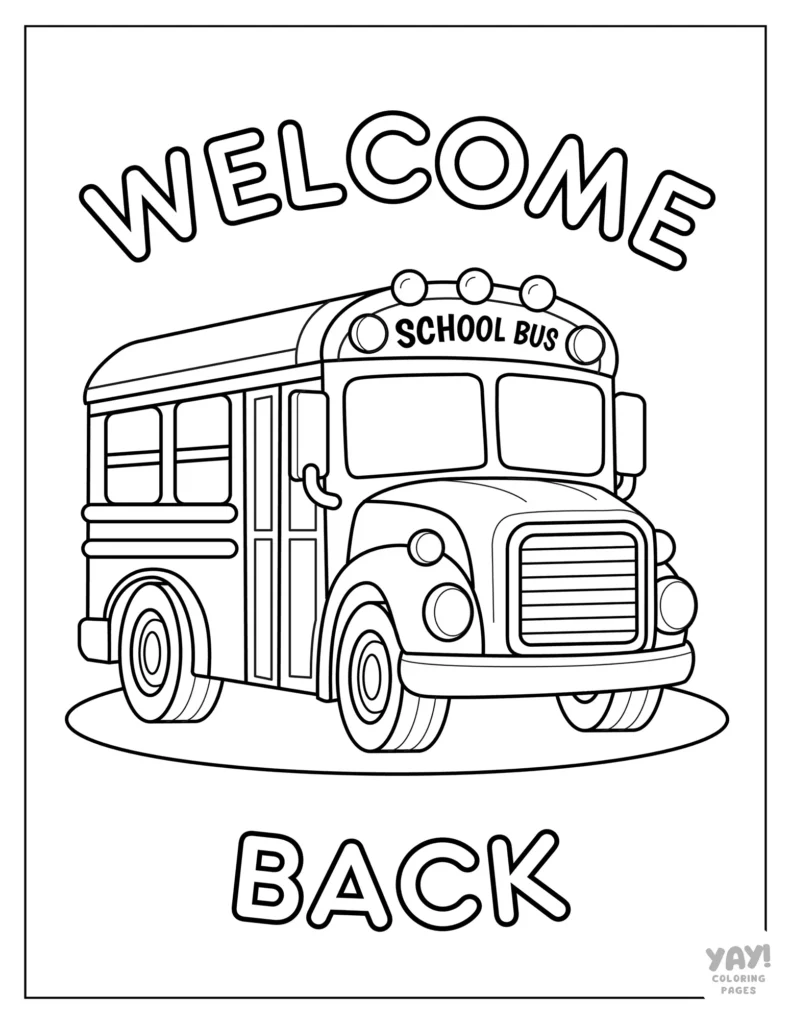
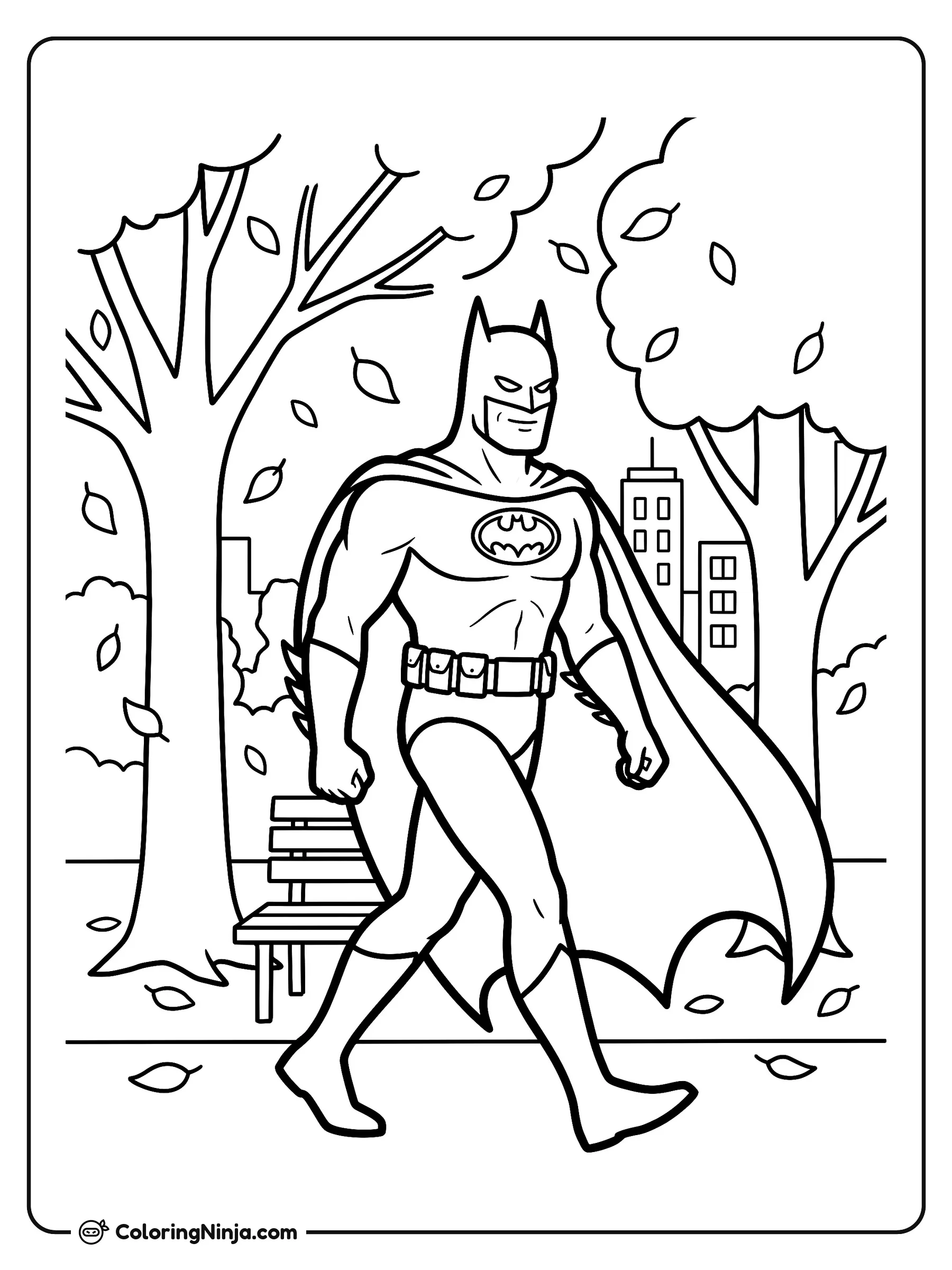
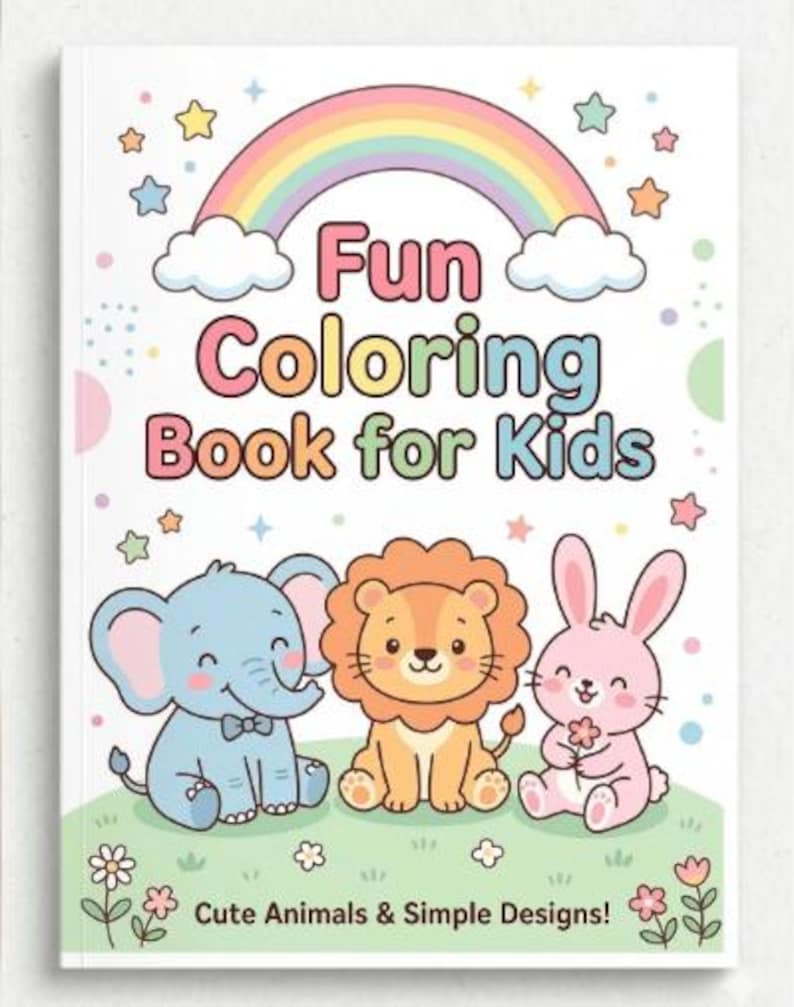
A coloring pages book serves as an indispensable cognitive and graphic instrument that systematically builds early childhood visual literacy, fine-motor dexterity, and spatial comprehension through structured line-art engagement. According to the National Association for the Education of Young Children (NAEYC), intentional engagement with tactile graphic materials significantly accelerates pre-writing readiness and hand-eye coordination in developing learners. Utilizing a well-curated Coloring Pages collection transforms passive recreation into active perceptual analysis, reinforcing color theory, boundary recognition, and sustained attention spans across preschool and early elementary curricula.
Visual Learning & Skill Snapshot:
- Core Focus: Structured graphical layouts designed to build fine-motor precision, visual-spatial tracking, and artistic confidence.
- Target Skill: Fine-motor proportion, bilateral coordination, and deliberate visual discrimination.
- Key Recommendation: Pair printed outlines with multi-medium Art Activities to bridge two-dimensional coloring with physical creative exploration.
Core Principles and Learning Overview
Structured graphical resources operate on foundational principles of cognitive schema development, allowing young artists to translate complex spatial environments into manageable, bounded shapes. A well-designed coloring pages book incorporates progressive line weights and scaled geometrical complexity to match changing developmental milestones. By navigating distinct contours and contrasting patterns, children reinforce neural pathways responsible for visual scanning, figure-ground perception, and intentional grip stabilization. Educators integrate these printables alongside Drawing Worksheets to transition students from passive color application to independent graphic creation and proportional sketching.
Key Specifications and Breakdown
| Age / Learning Stage | Visual Skill & Ratio | Pedagogical Application & Scaffolding |
|---|---|---|
| Ages 3-4 (Early Explorer) | Thick, bold outlines with expansive fill zones (1:3 ratio) | Focuses on gross motor control, basic color identification, and foundational grip correction. |
| Ages 5-6 (Transition Learner) | Moderate line variation with intermediate geometric patterns | Encourages edge control, directional shading, and intentional color-palette selection. |
| Ages 7-8+ (Advanced Maker) | Intricate compositional layouts and detailed thematic elements | Builds sustained concentration, texture variation, and advanced spatial perspective awareness. |
Visual-Motor Integration Principle — National Art Education Association (NAEA)
Step-by-Step Practical Application and Guidelines
Implementing a structured graphic curriculum requires systematic preparation of physical printing environments and material selection to maximize cognitive retention and artistic engagement. Educators and caregivers begin by selecting resolution-optimized PDF assets printed on heavy-weight bond paper to prevent medium bleed-through and support eraser friction. Instructors introduce specific mark-making tools—ranging from beeswax crayons for toddlers to watercolor pencils for older children—while modeling proper ergonomic pencil grasp. Following initial color application, classrooms transition the physical sheets into multidisciplinary projects by cutting and assembling elements from curated Printable Crafts directories, merging graphic design with tactile construction.
Common Challenges and How to Avoid Them
Overcoming frustration with edge containment and grip fatigue requires targeted instructional scaffolding rather than immediate adult correction or unguided repetition. When young learners rush through complex illustrations or abandon projects due to overwhelming visual density, educators step back by introducing segmented masking techniques or highlighting specific boundary sections with high-contrast markers. Establishing brief, focused coloring intervals prevents physical strain and maintains enthusiastic cognitive engagement, ensuring that graphic art tasks remain rewarding sensory experiences rather than burdensome motor tests.
💬 Frequently Asked Questions
Conclusion and Next Steps
Integrating reliable graphic resources into daily learning routines unlocks profound developmental benefits across motor, cognitive, and artistic domains. Educators, homeschoolers, and parents can expand their creative repositories by exploring the professional-grade Coloring Pages collection available at ColorLeaf Studio to support joyful, skill-building learning adventures.
Printable Coloring Page Previews