Introduction
Coloring pages birds serve as structured visual tools that accelerate fine-motor coordination, avian morphology recognition, and spatial awareness in early childhood development. According to the National Association for the Education of Young Children (NAEYC), purposeful manipulation of graphic outlines and writing instruments strengthens the small hand muscles required for precision tasks and early literacy. Educators and parents utilize these thematic templates to bridge observation of nature with foundational art instruction. Integrating printable avian designs within daily curricula introduces biological diversity while refining hand-eye calibration. Exploring foundational tools like Coloring Pages offers immediate access to structured templates designed for developmental growth.
Visual Learning & Skill Snapshot:
- Core Focus: Avian-themed graphic templates engineered for deliberate hand-eye coordination and visual-motor integration.
- Target Skill: Spatial reasoning, color-boundary discrimination, fine-motor control, and avian anatomy identification.
- Key Recommendation: Pair large-scale outlines with diverse tactile drawing media to maximize wrist dexterity and grasp control.
Core Principles and Learning Overview
Avian graphic resources operate by translating complex biological forms into simplified, manageable geometric boundaries suitable for developing cognitive systems. Direct answer in first sentence: Structuring artistic exercises around bird illustrations allows young learners to decode complex feather patterns, curved beaks, and wing symmetries into discrete, colorable segments. This systematic breakdown reduces visual overload, enabling children to focus entirely on pressure modulation, edge control, and directional shading. Educators often expand these lessons by connecting visual templates to broader Art Activities that encourage creative expression and tactile exploration beyond simple paper boundaries. Furthermore, analyzing avian forms nurtures visual discrimination, teaching young minds to differentiate between raptor silhouettes, waterfowl profiles, and songbird proportions.
Key Specifications and Breakdown
| Age / Learning Stage | Visual Skill & Ratio | Pedagogical Application & Scaffolding |
|---|---|---|
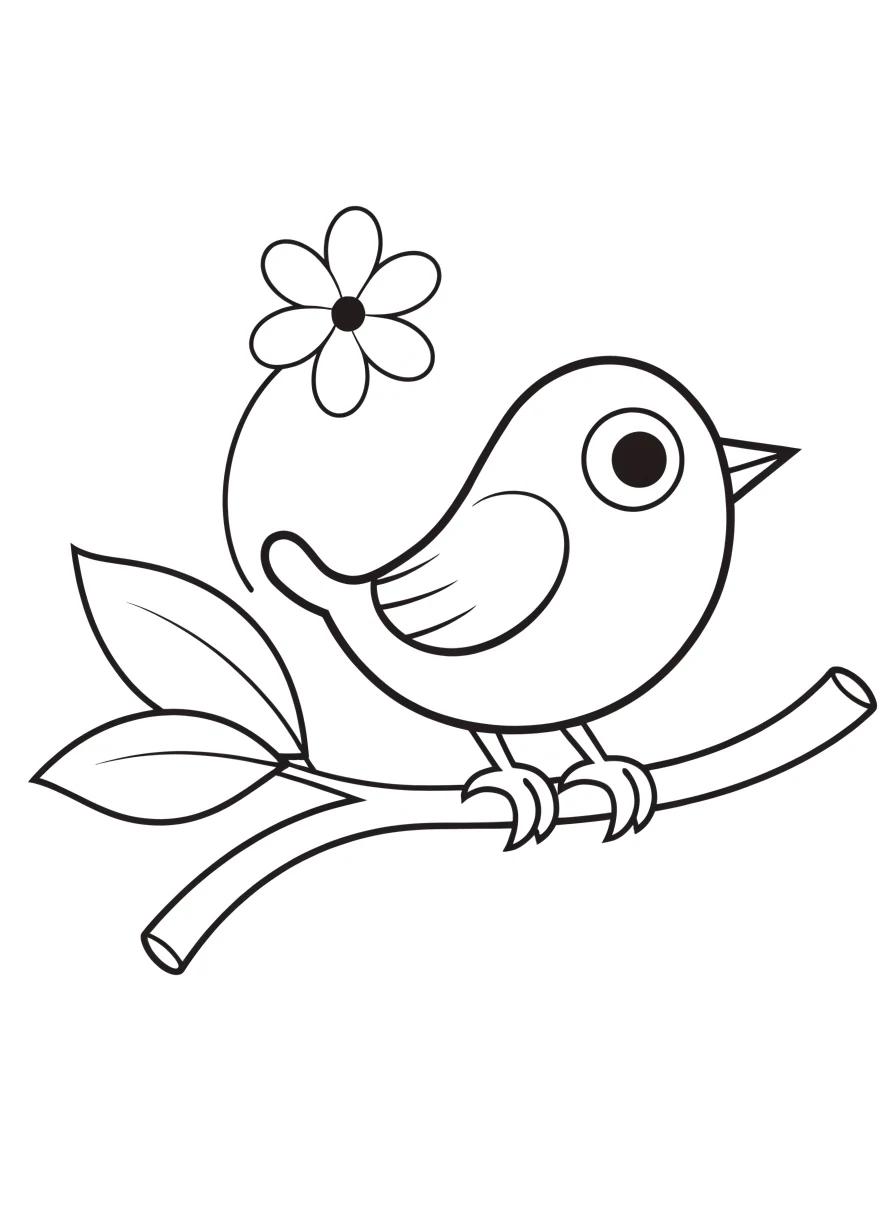
| Ages 3-4 (Early Preschool) | Thick outlines, large structural masses, minimal internal detail. | Focuses on gross motor control, palm grasps, and broad color-filling without strict boundary adherence. |
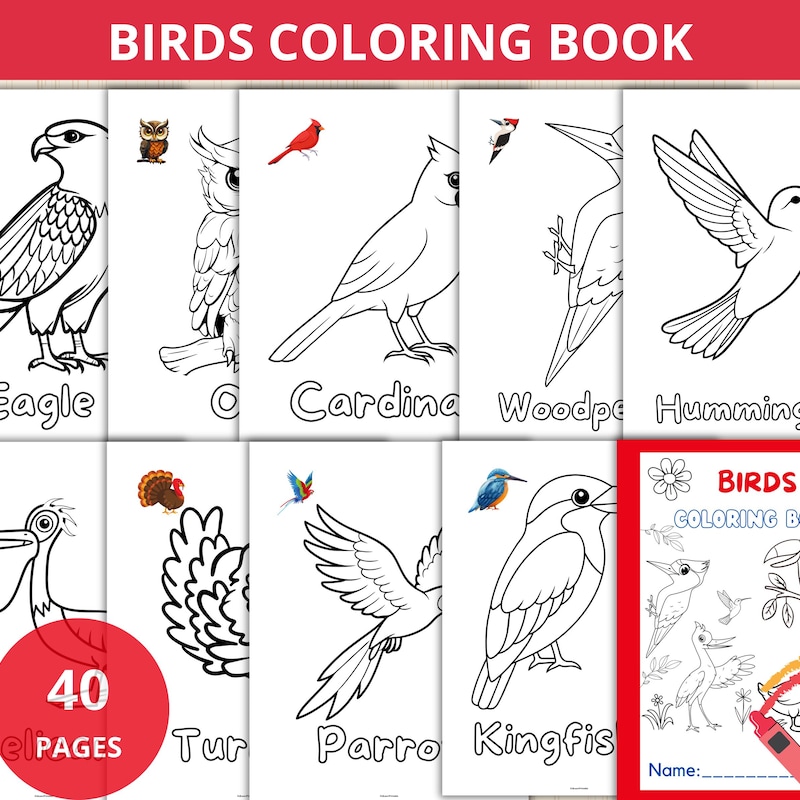
| Ages 5-6 (Kindergarten) | Moderate anatomical accuracy, distinct wing and tail feathers. | Scaffolds pencil grip transition, edge containment, and introduces basic color theory through naturalistic plumage. |
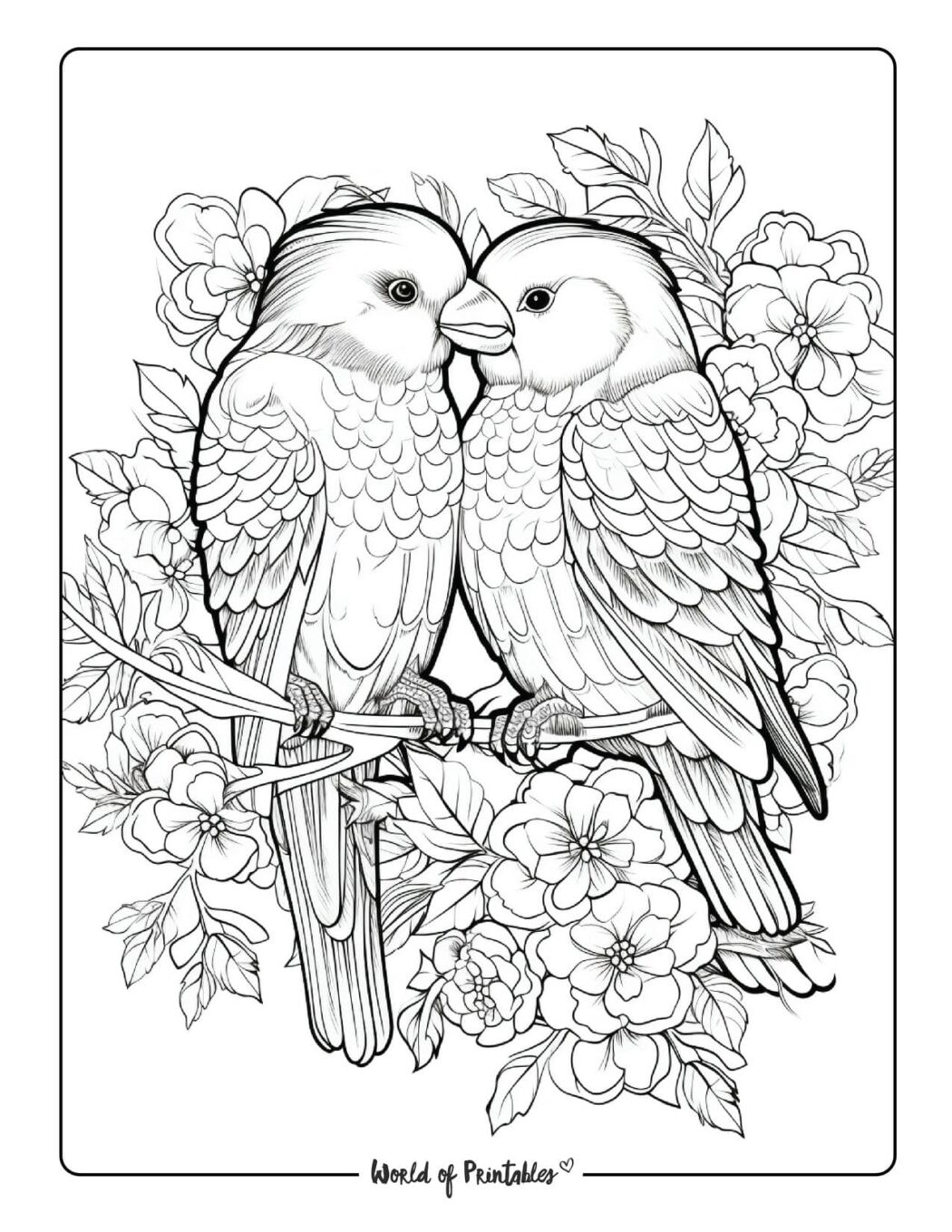
| Ages 7-9 (Early Elementary) | Complex feather textures, environmental backgrounds, varied avian species. | Integrates detailed Drawing Worksheets to transition from filling spaces to independent sketching. |
Art education must prioritize open-ended exploration of form and medium over rigid color-matching, fostering genuine cognitive flexibility and creative problem-solving skills in young learners. — National Art Education Association (NAEA)
Step-by-Step Practical Application and Guidelines
Implementing avian graphic sheets effectively requires a deliberate progression from unconstrained observation to focused color application. Direct answer in first sentence: Educators should initiate the session by displaying reference photographs of actual birds to stimulate biological curiosity before distributing printed outlines. Instructors must encourage children to observe natural feather patterns, color gradients, and textures before deciding on specific markers, crayons, or colored pencils. Setting up ergonomic seating with proper wrist support ensures physical comfort during extended periods of focused coloring. Following the completion of coloring tasks, teachers can transition learners toward constructive Printable Crafts where completed avian templates are cut, assembled, and incorporated into three-dimensional dioramas.
Common Challenges and How to Avoid Them
Frustration during fine-motor tasks typically stems from inappropriate scale selection, inadequate writing tool resistance, or overly complex background details. Direct answer in first sentence: Mitigating these hurdles requires matching the template complexity precisely to the developmental stage of the child while offering graduated tool thicknesses. When learners struggle with thin outlines, educators should provide high-contrast prints featuring bold boundary lines that clearly delineate wings, beaks, and bodies. Allowing frequent hand-stretching breaks prevents muscular fatigue and maintains enthusiasm for detailed visual projects.
💬 Frequently Asked Questions
Conclusion and Next Steps
Utilizing structured avian illustrations provides a reliable methodology for cultivating fine-motor precision, artistic confidence, and biological curiosity in growing children. Educators and parents can continuously expand developmental curricula by exploring curated resources available through Coloring Pages to inspire daily creativity and lifelong artistic appreciation.
Printable Coloring Page Previews