Introduction
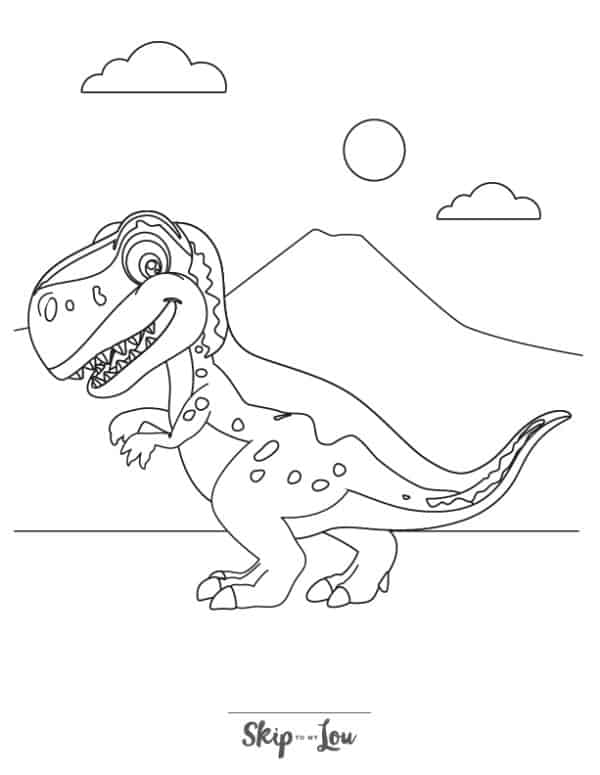
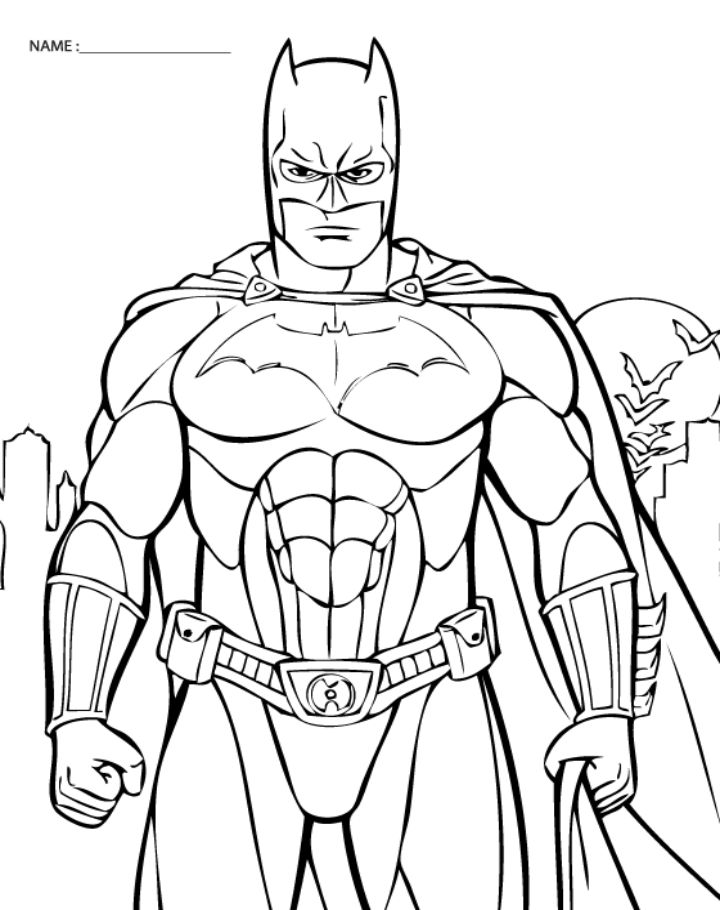
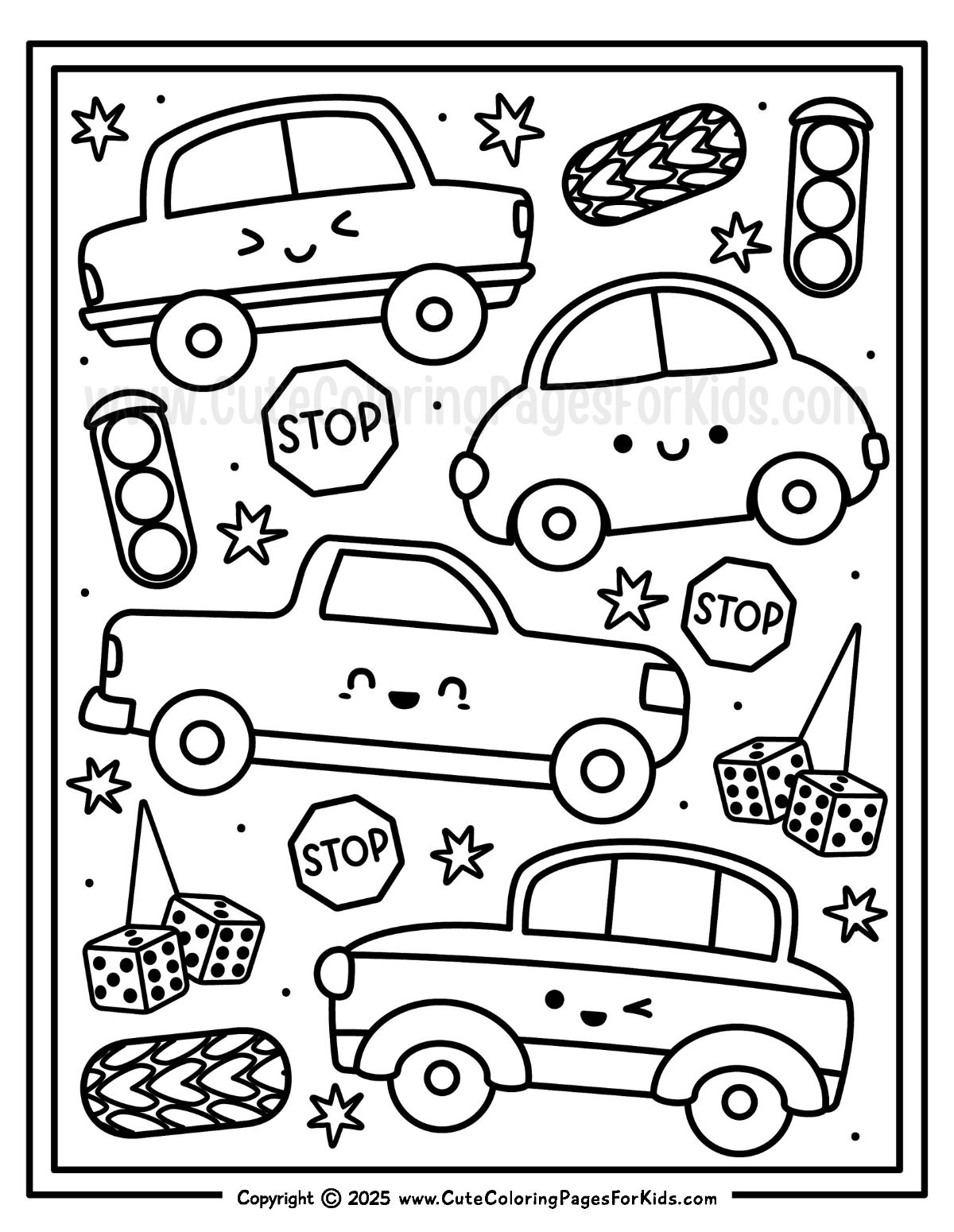
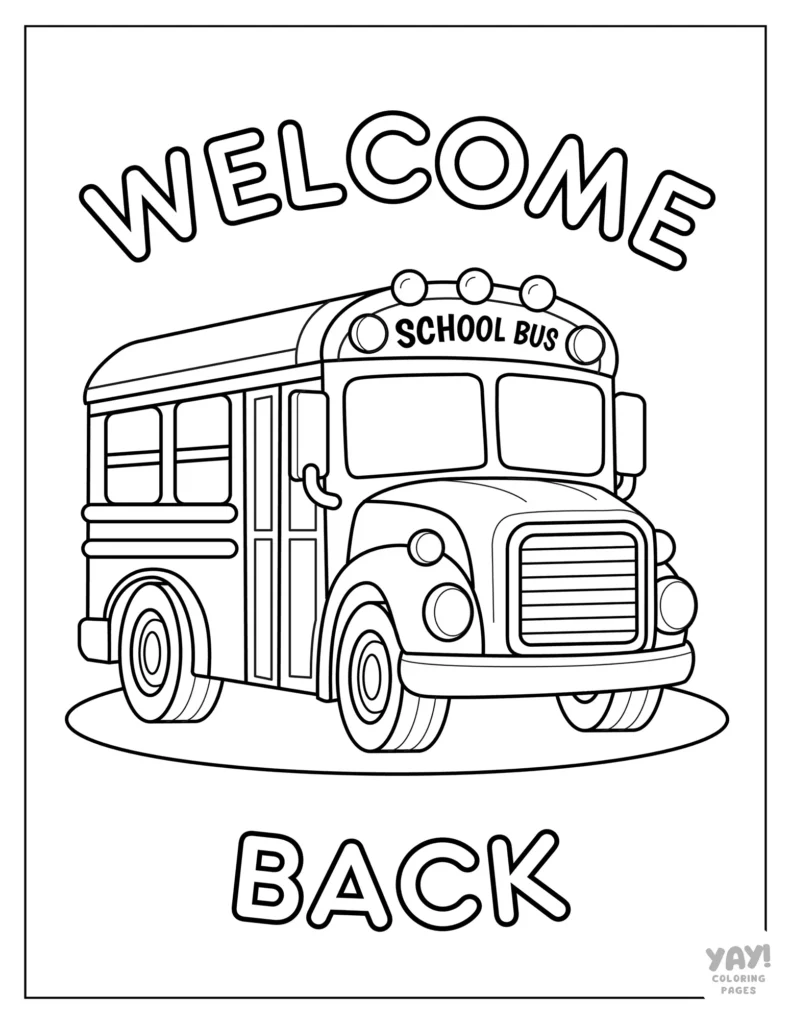
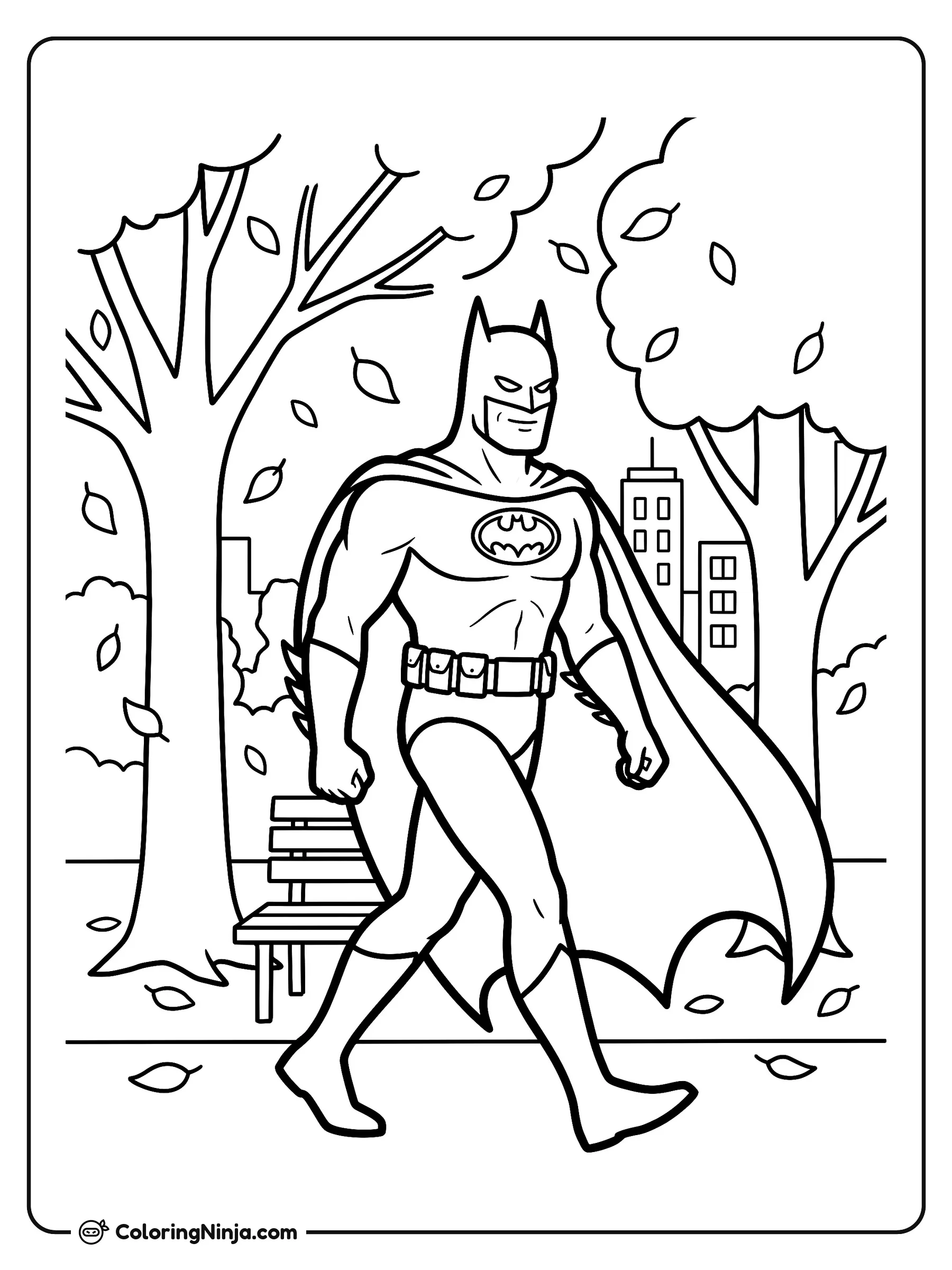
Coloring pages boys encompass structured, themed visual art sheets designed to engage young male learners through dynamic subjects like vehicles, action-based heroes, dinosaurs, and mechanical engineering concepts. According to the National Association for the Education of Young Children (NAEYC), purposeful visual arts materials significantly accelerate fine-motor control, bilateral coordination, and visual-spatial processing in early childhood. By integrating carefully calibrated Coloring Pages into daily routines, educators and parents provide foundational graphic practice that bridges free-form sketching and precise control.
Visual Learning & Skill Snapshot:
- Core Focus: Structured, theme-based graphic worksheets tailored for dynamic motor engagement.
- Target Skill: Spatial reasoning, boundary containment, and fine-motor proportion.
- Key Recommendation: Pair thematic pages with structured Drawing Worksheets to expand mechanical comprehension.
Core Principles and Learning Overview
Targeted graphic sheets provide a vital pedagogical scaffold for developing pencil grip, stroke pressure regulation, and directional tracking in young learners. Direct answer: The primary objective of these thematic resources is to harness intrinsic motivation through familiar, high-interest motifs—such as structural architecture, space exploration, and wildlife—to sustain focus during intricate fine-motor tasks. Early learners naturally explore composition, depth, and color theory when interacting with diverse materials. Curated collections often link directly to complementary Art Activities that transform flat colored images into three-dimensional models.
Key Specifications and Breakdown
| Age / Learning Stage | Visual Skill & Ratio | Pedagogical Application & Scaffolding |
|---|---|---|
| Ages 3-4 (Early Years) | Thick outlines (4-6pt), low complexity, large primary shapes. | Focuses on gross wrist movement and basic color containment without frustration. |
| Ages 5-7 (Early Elementary) | Medium line weight, intersecting geometric paths, dynamic action poses. | Encourages visual tracking, bilateral coordination, and deliberate pressure modulation. |
| Ages 8-10 (Advanced Primary) | Intricate mechanical details, perspective grids, high-density line art. | Builds stamina for complex rendering, shading techniques, and spatial scaling. |
Fine-motor skill acquisition in early childhood relies heavily on repetitive, self-directed visual tracing and controlled coloring tasks that strengthen intrinsic hand muscles. — National Art Education Association (NAEA)
Step-by-Step Practical Application and Guidelines
Effective implementation requires selecting appropriate paper weights, regulating writing utensils, and setting clear spatial boundaries before starting. Direct answer: Instructors should begin by printing templates on heavy-stock cardpaper (80lb+) to prevent marker bleed-through, followed by pairing specific projects with corresponding Printable Crafts to reinforce tactile-visual connections. Educators must encourage children to rotate sheets actively to maintain optimal wrist posture, reducing physical fatigue during extended coloring sessions.
Common Challenges and How to Avoid Them
Common obstacles in early childhood coloring include hand cramping, rushing through intricate boundaries, and frustration with complex compositions. Direct answer: These challenges are successfully mitigated by scaling down session durations, utilizing ergonomic triangular grip pencils, and introducing simpler thematic layouts before advancing to high-detail architectural sheets. Adults should emphasize process-oriented creation over immaculate perfection, celebrating sustained concentration and intentional color choice.
💬 Frequently Asked Questions
Conclusion and Next Steps
Integrating purposeful visual materials into daily learning routines empowers young learners to master fine-motor control while engaging deeply with captivating subjects. Exploring versatile creative resources lays a strong groundwork for advanced academic and artistic achievement. To expand your educational collection with premium, ready-to-print resources, browse the extensive catalog available at ColorLeaf Studio.
Printable Coloring Page Previews