Introduction
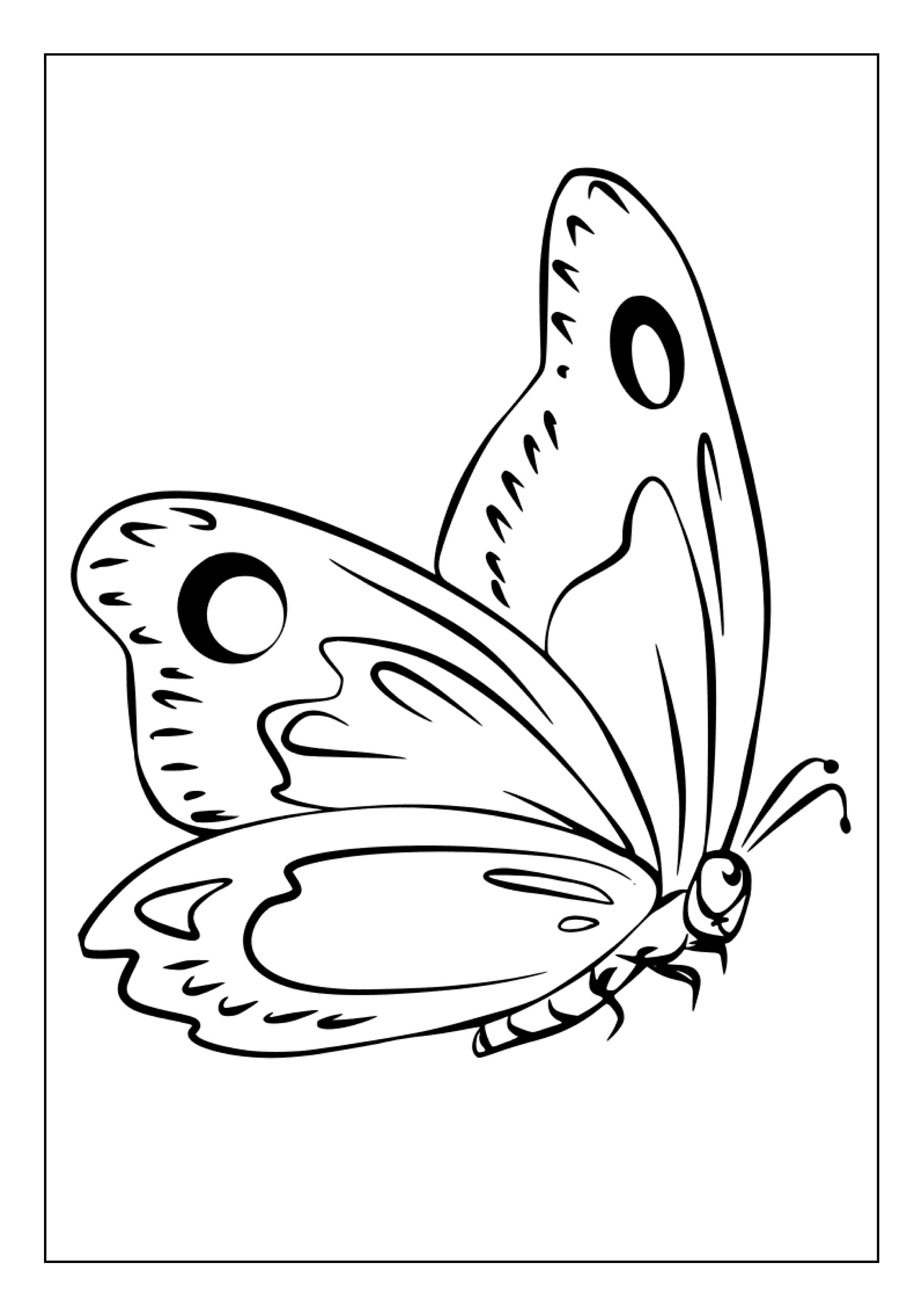
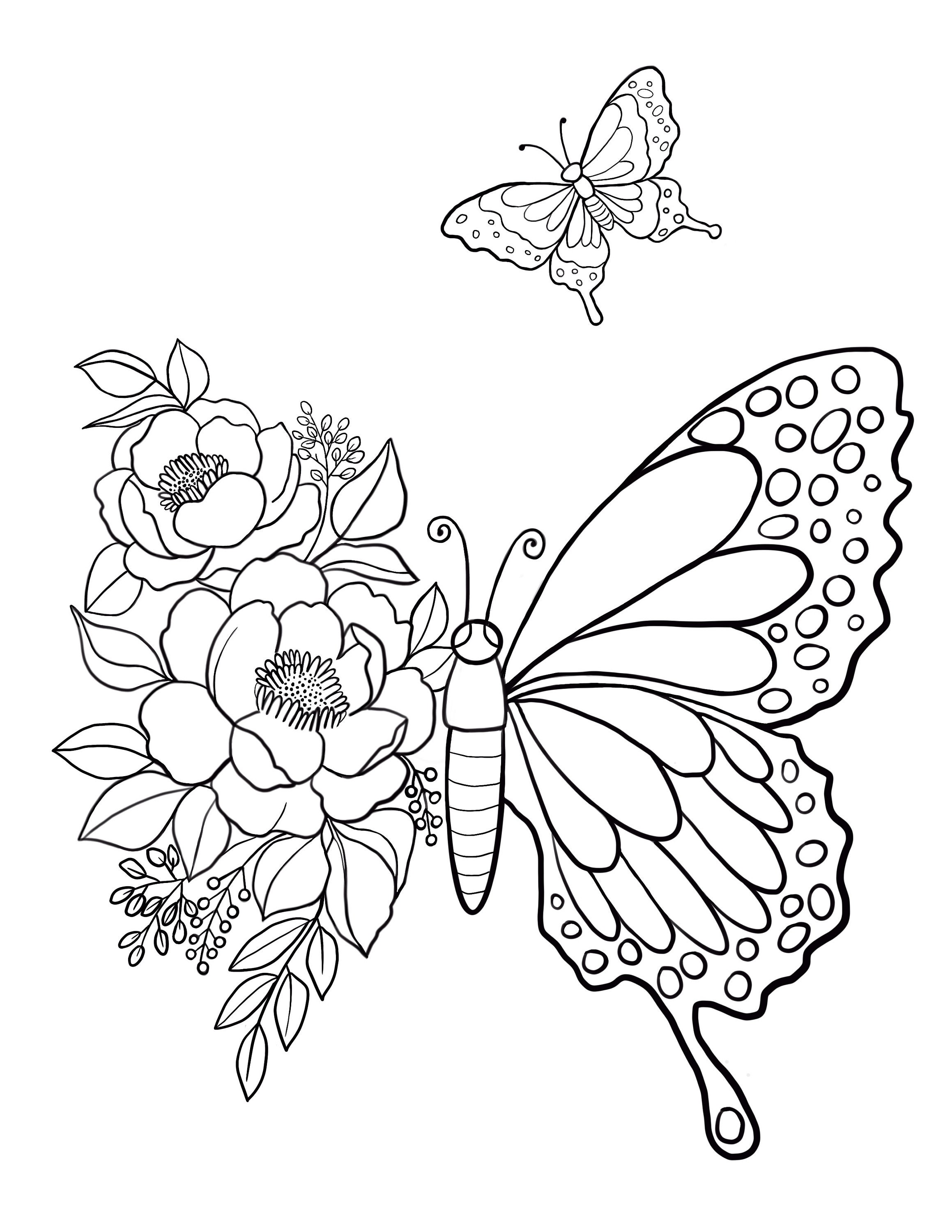
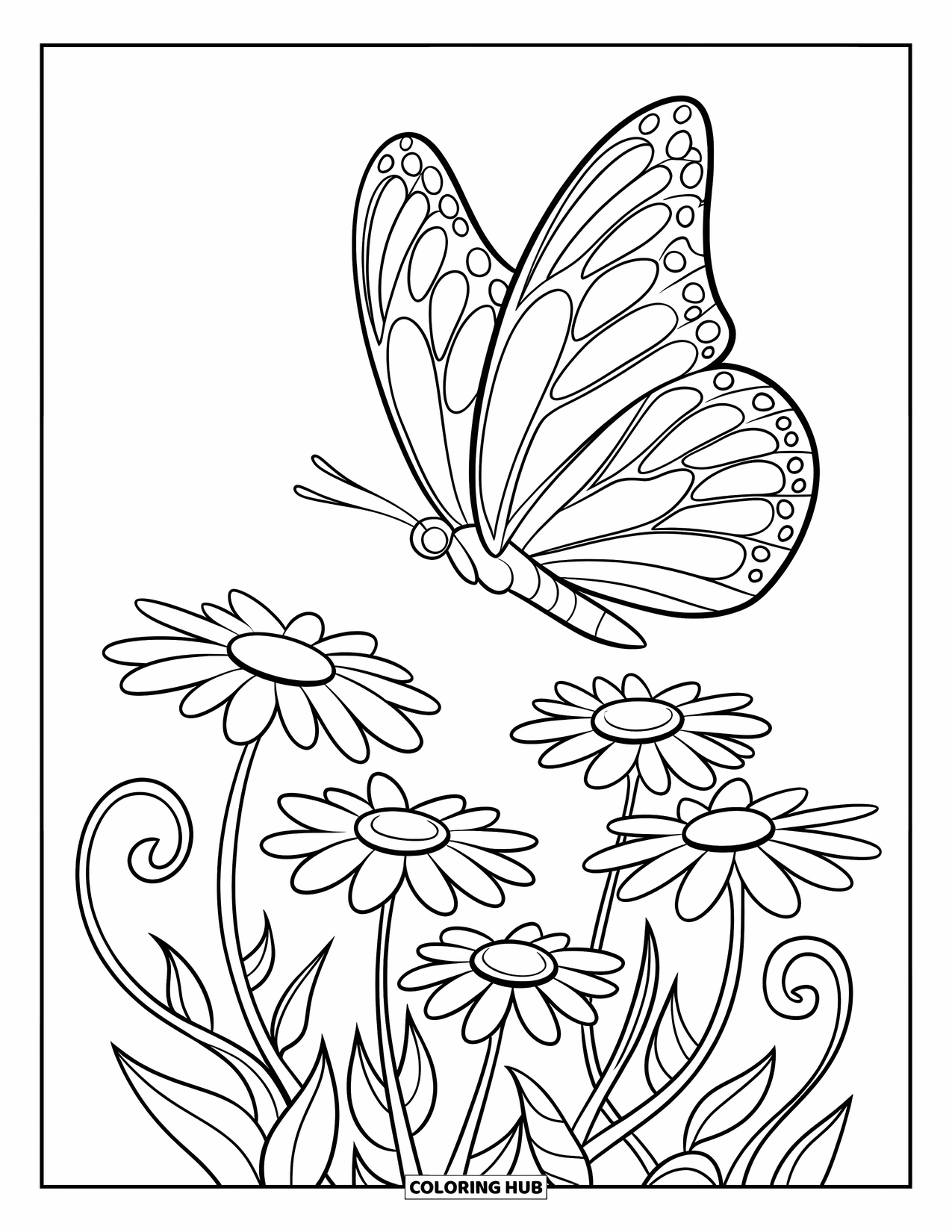
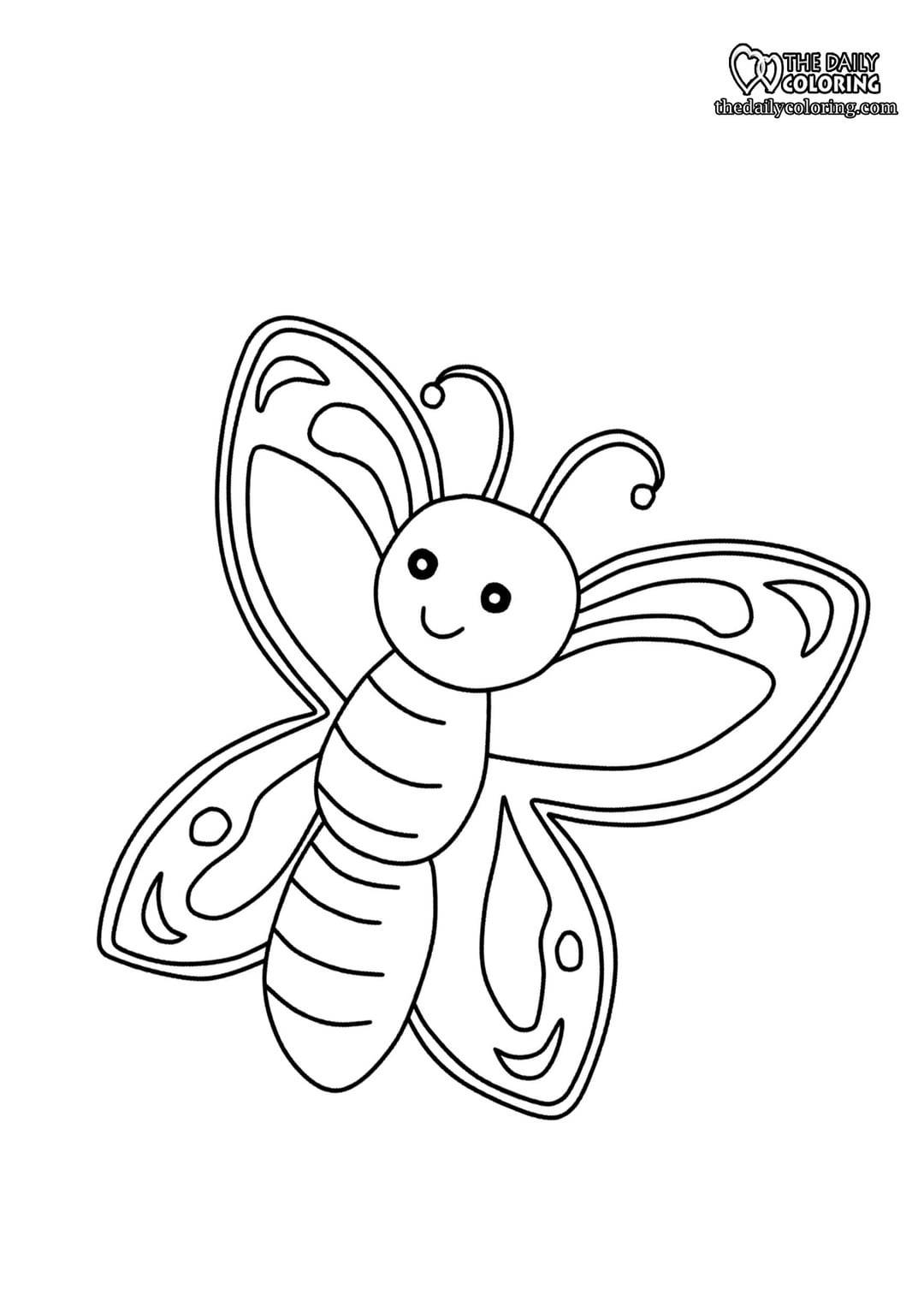
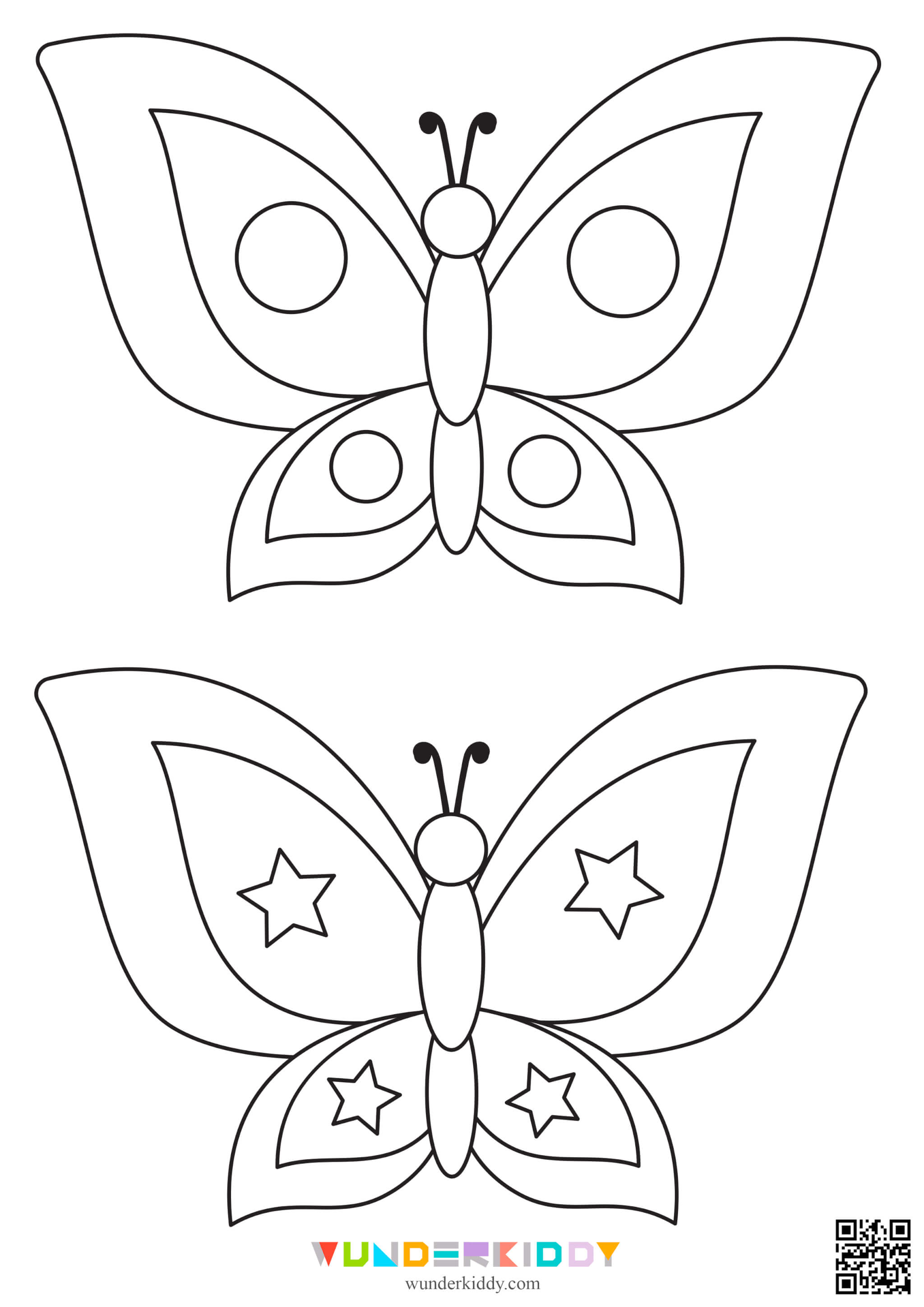
Coloring pages butterfly templates function as foundational cognitive instruments that bridge fine-motor skill development with early biological science recognition. According to the National Association for the Education of Young Children (NAEYC), structured visual art materials significantly enhance hand-eye coordination, bilateral integration, and spatial awareness during early childhood. Integrating these specialized geometric assets into daily curricula supports pencil grip refinement while introducing bilateral symmetry concepts through direct engagement. Educators, homeschoolers, and parents frequently utilize resources from Coloring Pages collections to foster foundational pre-writing control and deliberate aesthetic exploration.
Visual Learning & Skill Snapshot:
- Core Focus: Utilizing butterfly outlines to build fine-motor precision, symmetry recognition, and color theory concepts.
- Target Skill: Spatial reasoning, visual discrimination, and controlled wrist articulation.
- Key Recommendation: Pair thick-bordered outlines with medium-weight crayons or watercolor pencils to build foundational hand strength safely.
Core Principles and Learning Overview
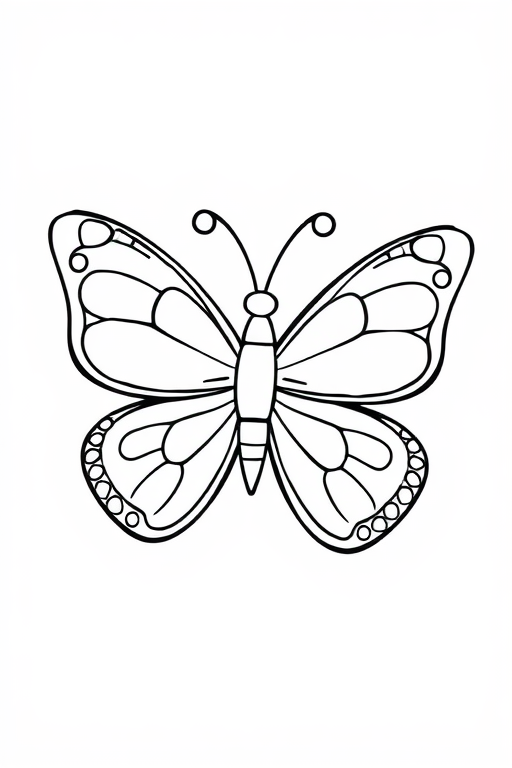
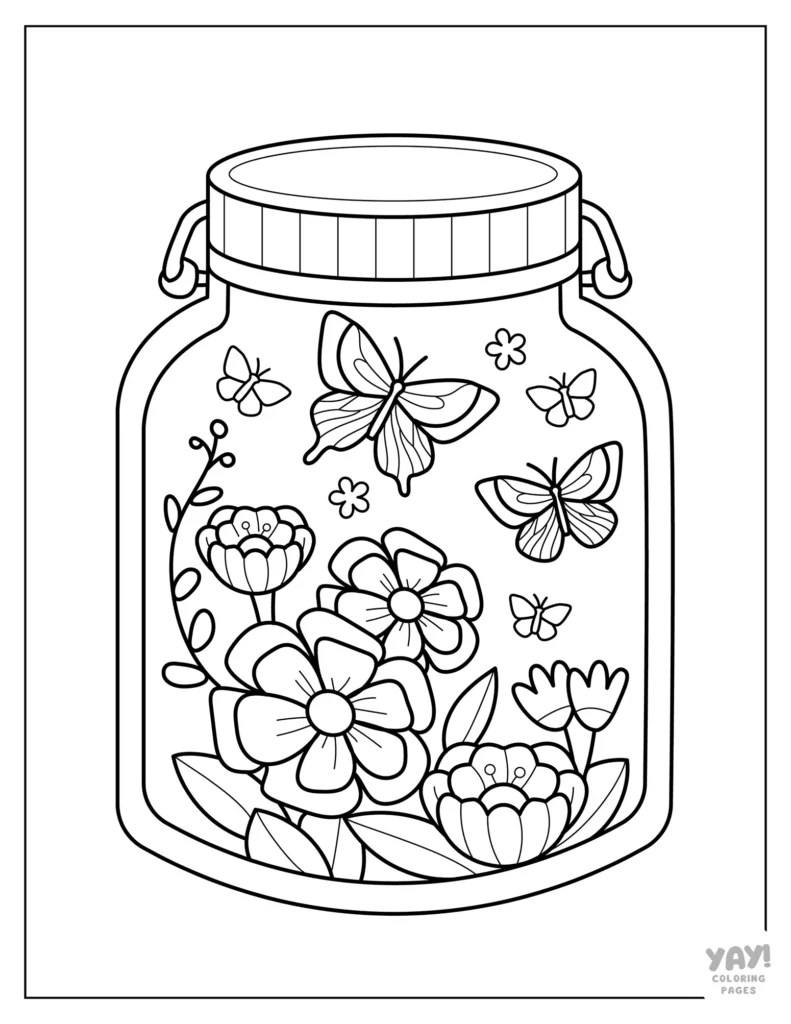
Symmetrical visual templates deliver essential cognitive scaffolding by training young minds to recognize matching halves, patterns, and structural balance in natural forms. The distinct anatomical divisions of an insect—thorax, abdomen, and mirrored wings—provide clear spatial boundaries that encourage children to plan color distribution methodically. Such Art Activities move beyond mere pastime entertainment, acting instead as intentional exercises in visual tracking and cognitive focus. By examining varied wing venation patterns, learners cultivate heightened visual acuity, preparing them for more advanced Drawing Worksheets and observational studies.
Key Specifications and Breakdown
| Age / Learning Stage | Visual Skill & Ratio | Pedagogical Application & Scaffolding |
|---|---|---|
| Ages 3-4 (Early Preschool) | Thick outer borders, large closed shapes, 1:1 scale symmetry. | Use broad crayons to practice staying within primary boundary lines. |
| Ages 5-6 (Kindergarten) | Medium line weight, segmented wing panels, pattern repetition. | Incorporate oil pastels or markers to explore contrasting color combinations. |
| Ages 7-8 (Early Elementary) | Complex botanical backgrounds, intricate wing scales, fine motor precision. | Pair with Printable Crafts for 3D paper-folding and scissor-cut integration. |
Structured visual art exercises systematically strengthen neural pathways responsible for spatial orientation, bilateral coordination, and symbolic representation in early childhood. — National Art Education Association (NAEA)
Step-by-Step Practical Application and Guidelines
Implementing butterfly-themed templates effectively requires careful selection of paper weight, printing settings, and coloring mediums suited to the specific developmental stage of the learner. Begin by selecting high-opacity cardstock if wet mediums like watercolor paints or markers are planned, preventing bleed-through and paper buckling. Introduce the activity by encouraging learners to identify the center line of symmetry before applying color to the left and right wings reciprocally. Guide children to outline the exterior margins first using light pressure, gradually filling the interior spaces with short, controlled strokes to build muscle memory without hand fatigue.
Common Challenges and How to Avoid Them
Hand fatigue, frustration with complex borders, and unstructured coloring often arise when material difficulty exceeds the current developmental readiness of the child. Prevent these obstacles by matching line thickness directly to motor proficiency; thicker outlines naturally contain erratic wrist movements, while detailed patterns are reserved for older students with established pencil control. If learners rush through the symmetrical mirroring process, pause the activity to discuss pattern replication visually, turning completion into a guided analytical puzzle rather than a race.
💬 Frequently Asked Questions
Conclusion and Next Steps
Intentional visual art exercises provide an invaluable bridge between creative expression and foundational cognitive mastery for growing children. By utilizing carefully designed templates, educators and parents establish a reliable framework for sustainable skill growth and artistic confidence. Explore the expansive collection of Coloring Pages today to support early childhood development through engaging, printable learning materials.
Printable Coloring Page Previews