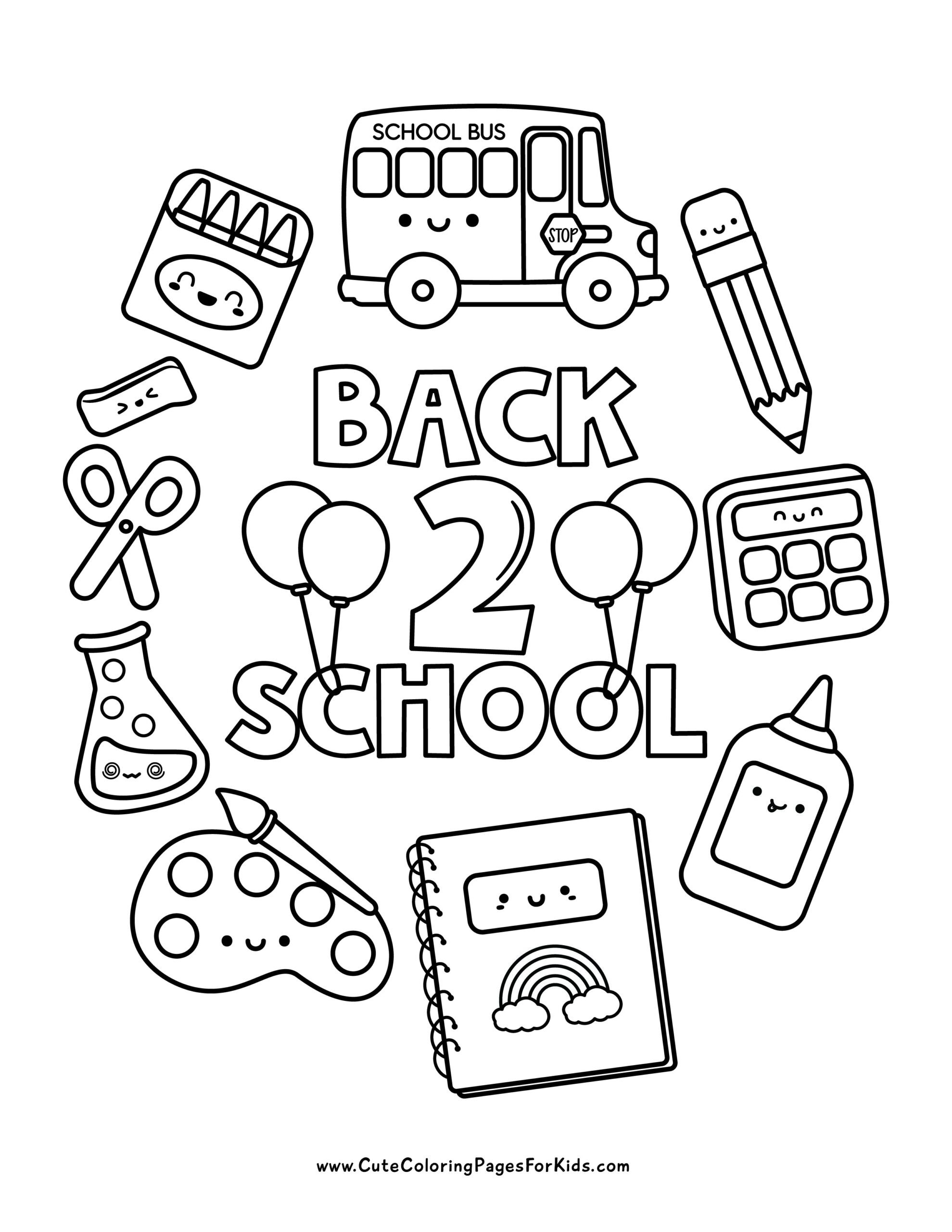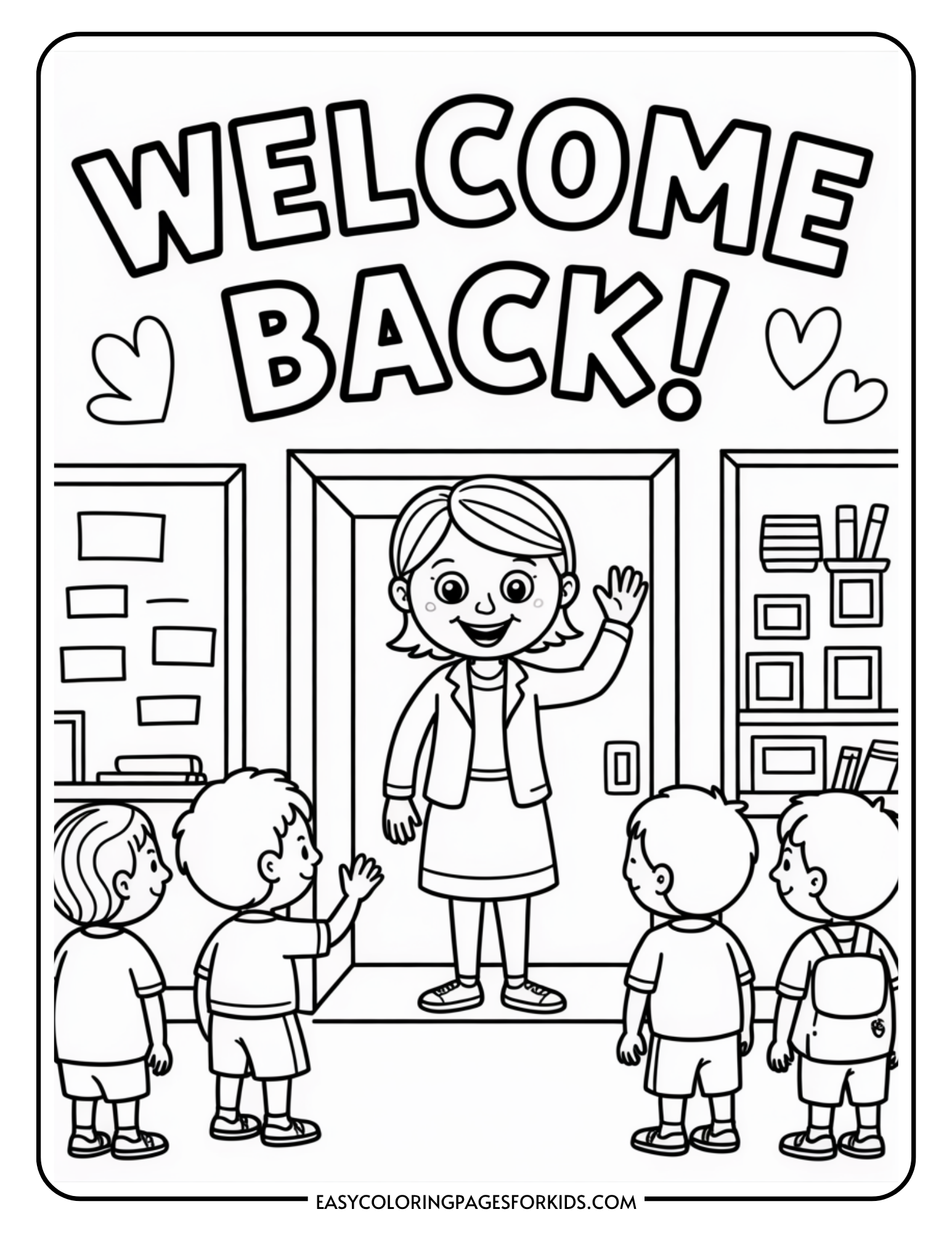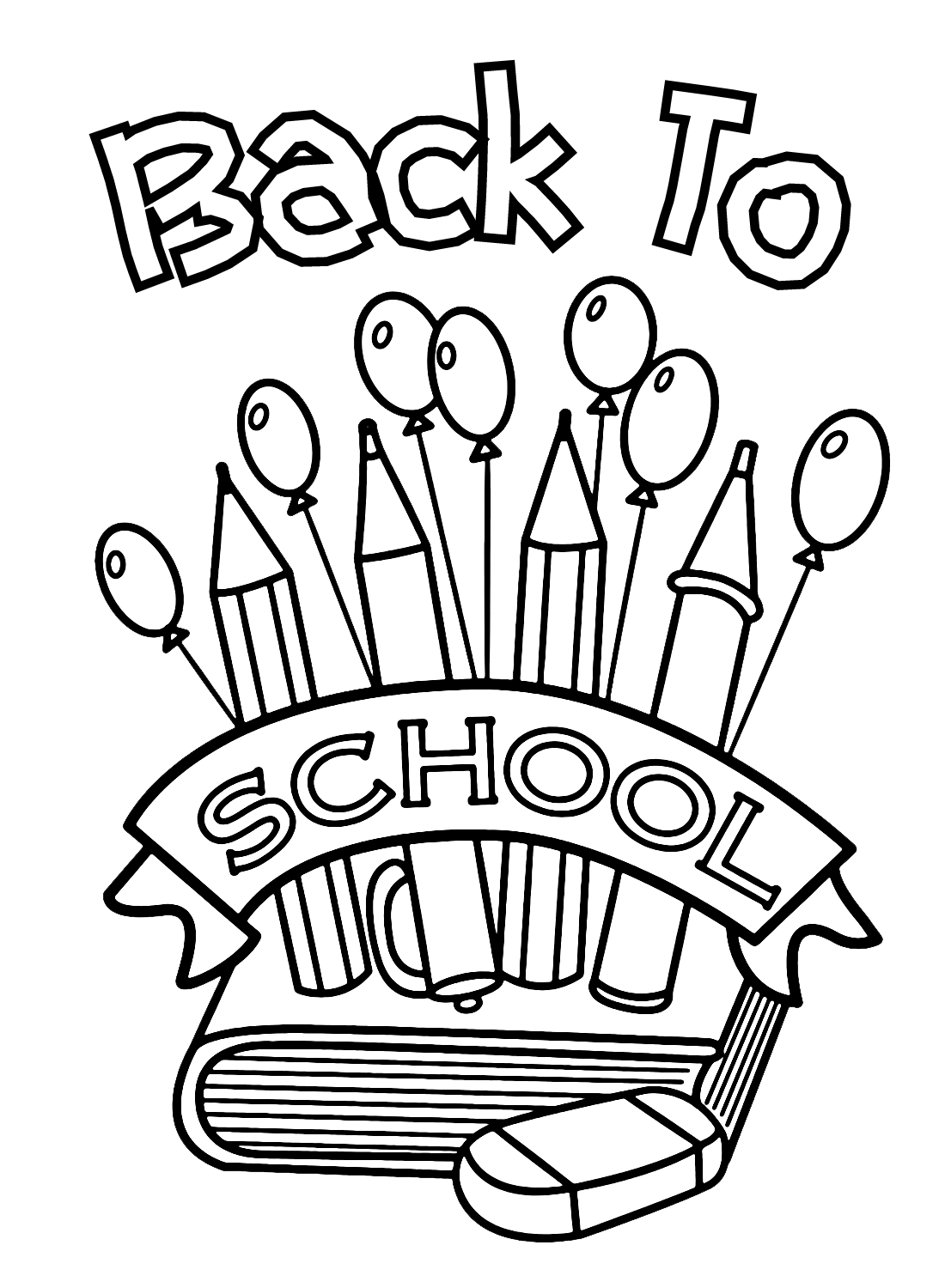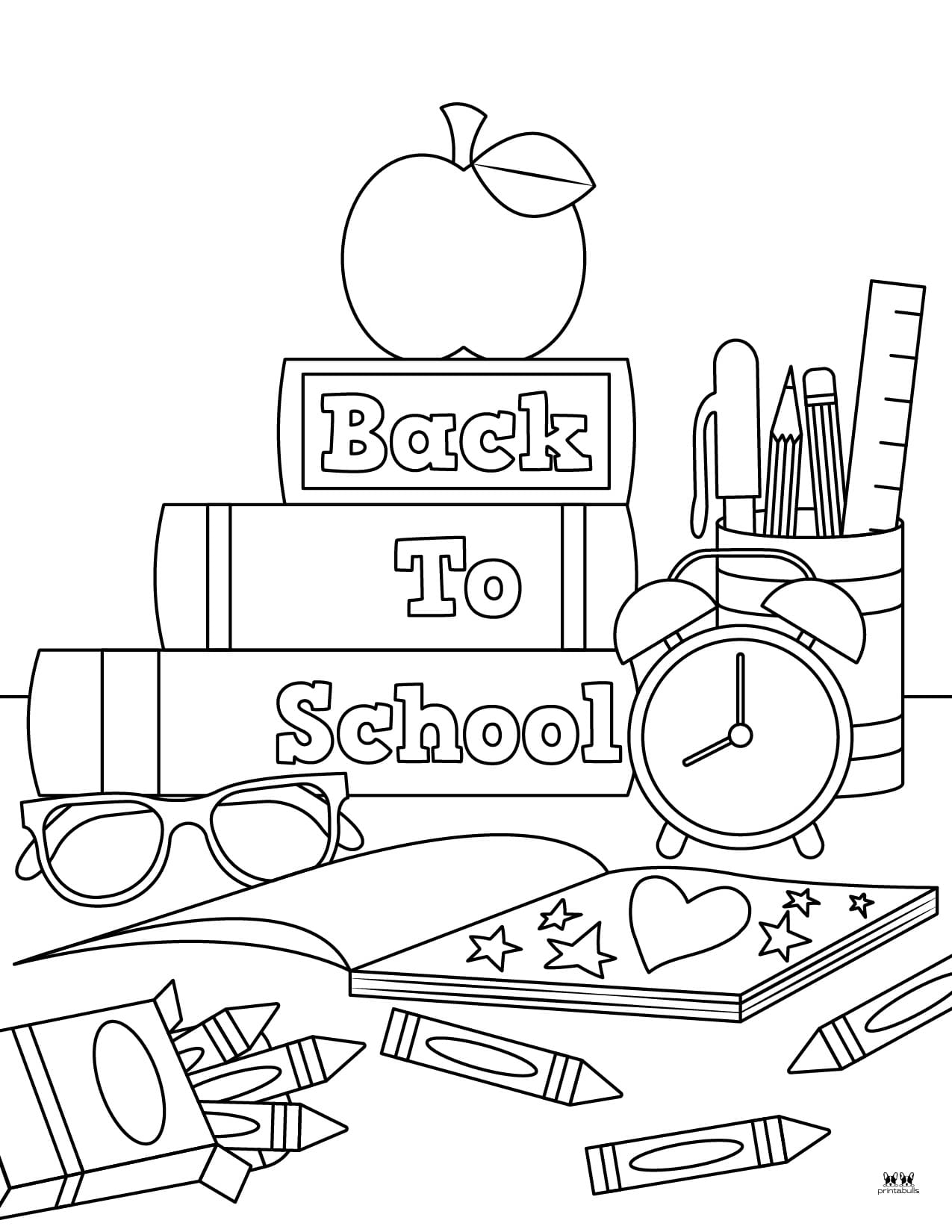
Introduction
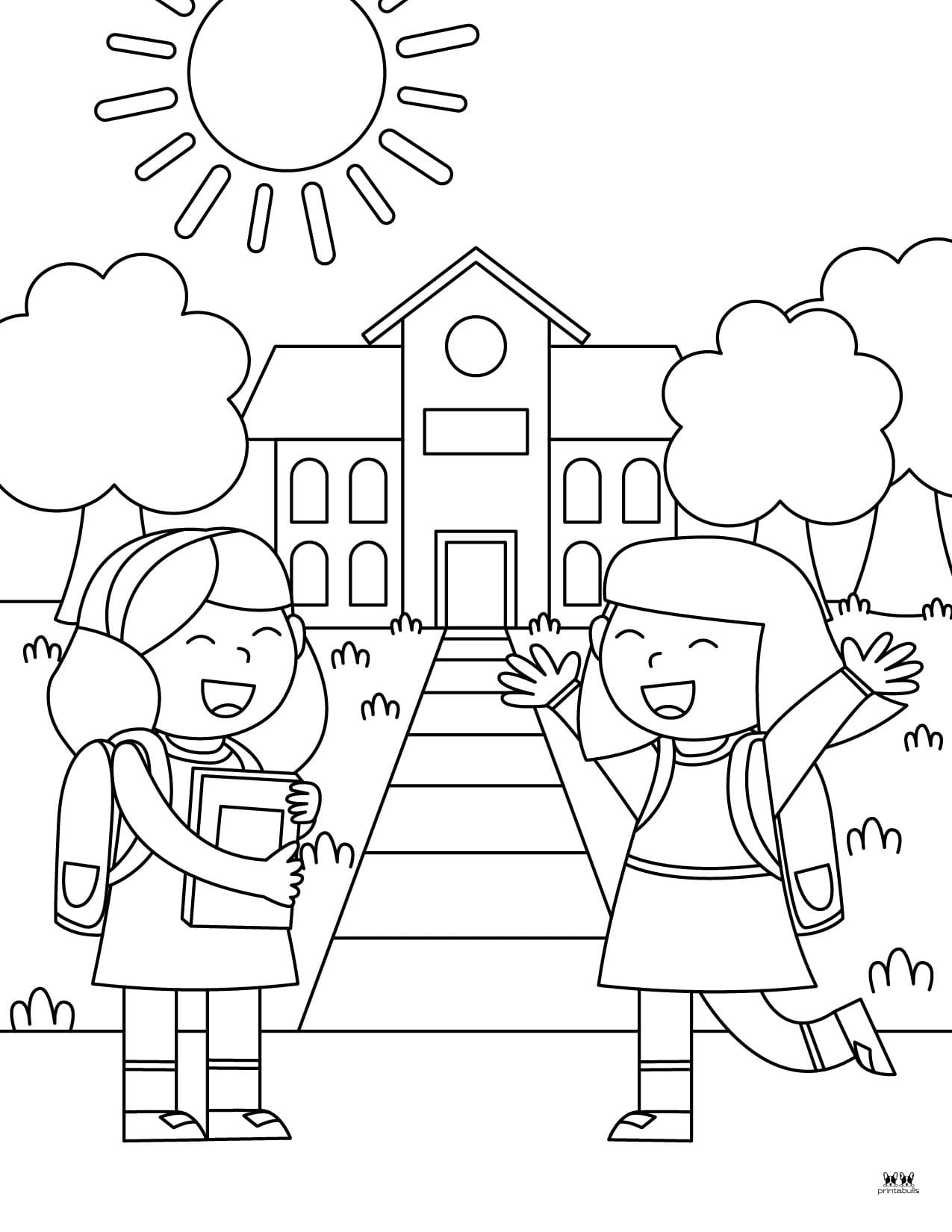
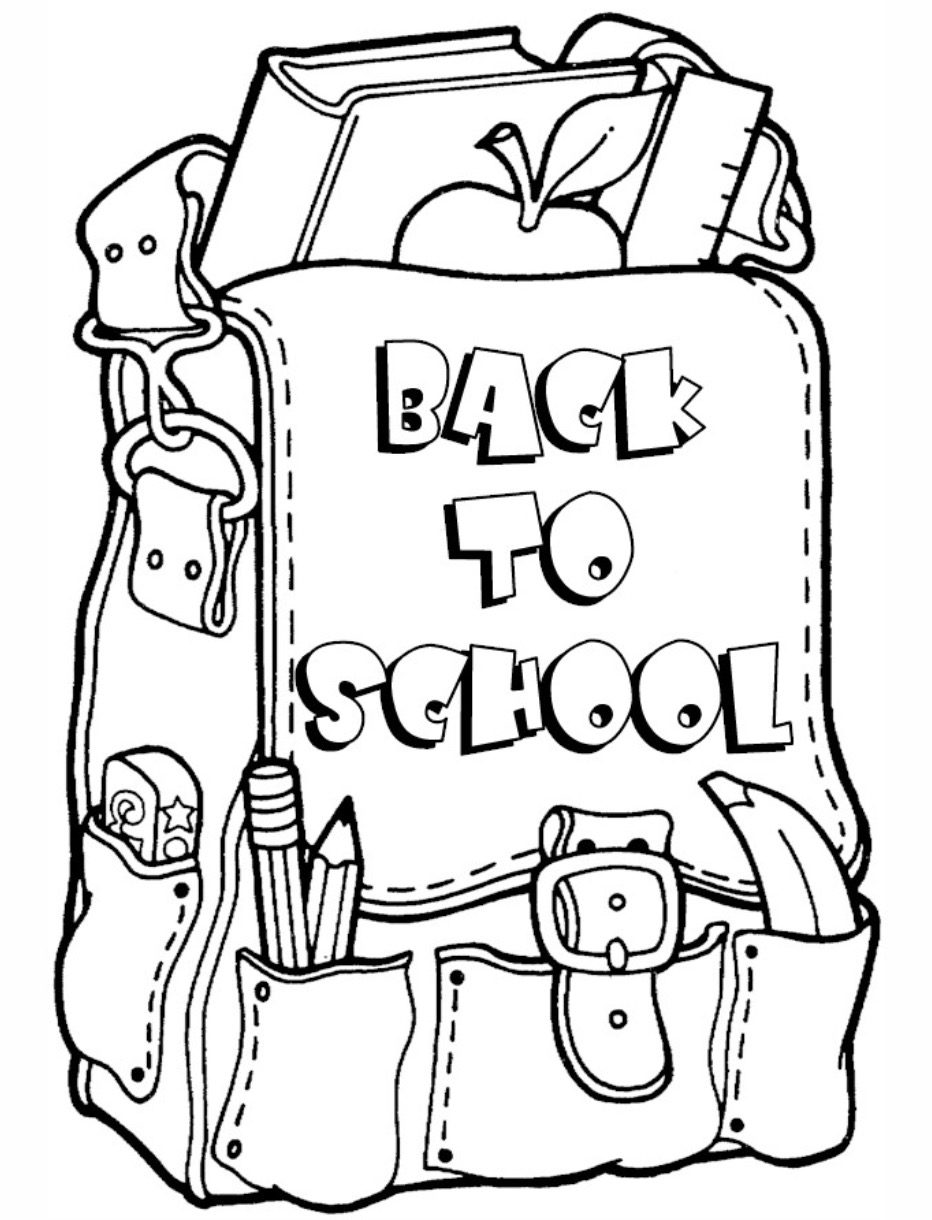
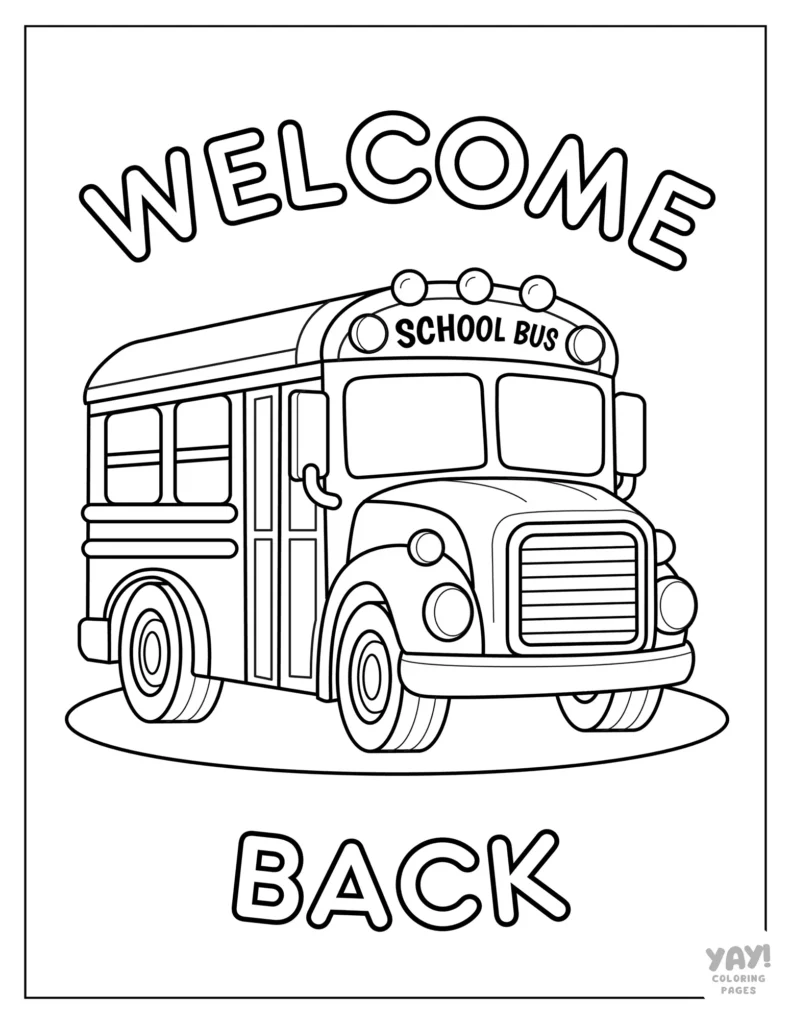
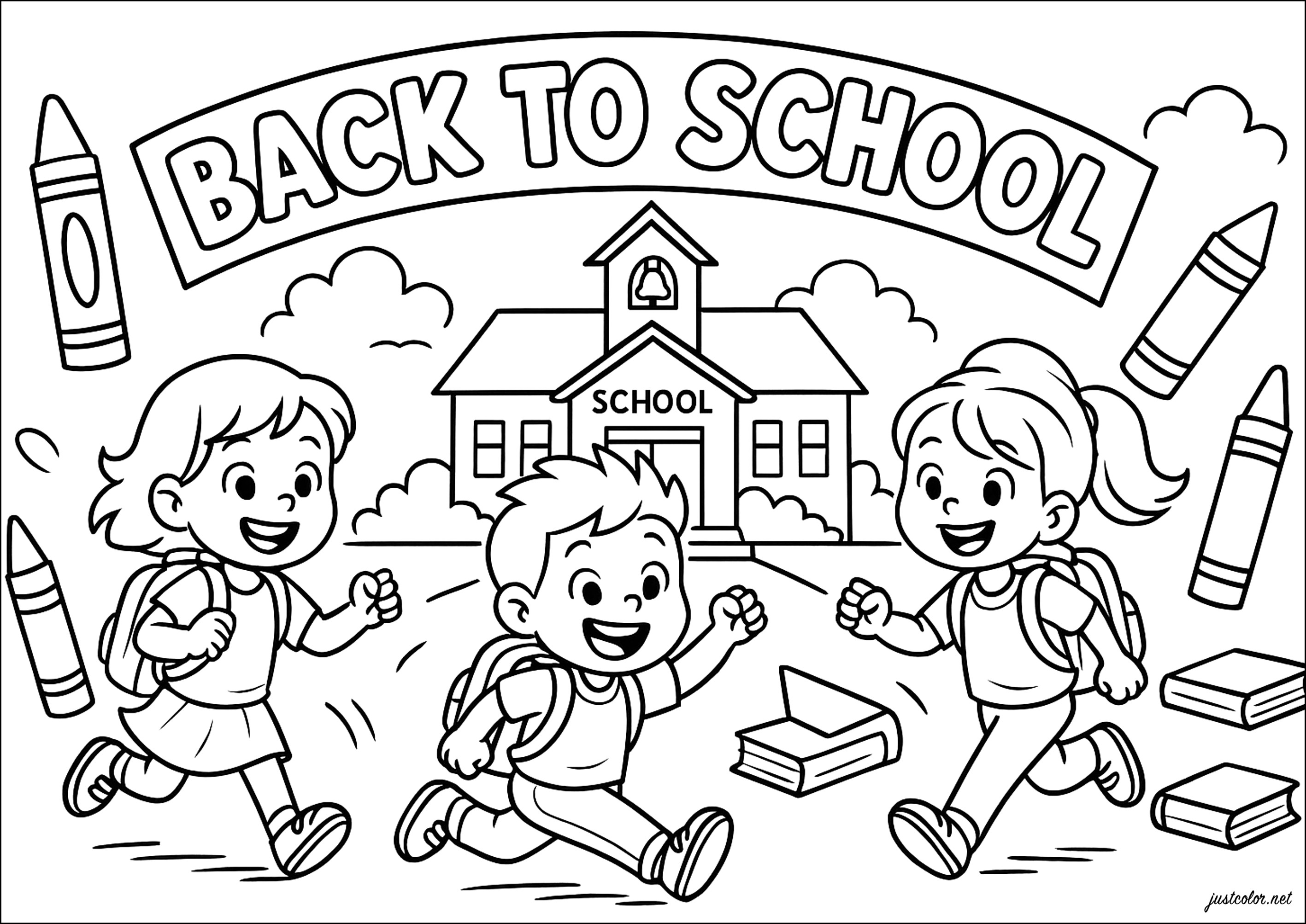
Coloring pages back to school function as structured visual tools that seamlessly transition young learners into academic environments by reducing cognitive anxiety while simultaneously refining fine-motor control and bilateral hand-eye coordination. According to the National Association for the Education of Young Children (NAEYC), intentional process-oriented visual art experiences during transitional phases significantly support emotional self-regulation and spatial awareness in early childhood development. Utilizing specialized Coloring Pages during the initial weeks of instruction establishes familiar routines, eases separation stress, and activates critical visual discrimination pathways before formal writing begins.
Visual Learning & Skill Snapshot:
- Core Focus: Bridging seasonal transitions through structured graphic art and fine-motor exercises.
- Target Skill: Grip endurance, edge control, visual tracking, and emotional grounding.
- Key Recommendation: Pair outline sheets with open-ended Art Activities to encourage creative expansion rather than rigid color compliance.
Core Principles and Learning Overview
Structured graphic worksheets designed for the academic transition period provide essential scaffolding for children mastering pencil grasp, pressure modulation, and spatial boundaries. Direct engagement with line art prompts neurological pathways responsible for hand dominance and visual-spatial orientation. When educators integrate targeted Drawing Worksheets alongside standard color sheets, students naturally bridge the gap between passive filling and active compositional planning. This dual approach transforms simple classroom downtime into a valuable cognitive exercise that enhances focus, attention span, and hand strength required for future handwriting success.
Key Specifications and Breakdown
| Age / Learning Stage | Visual Skill & Ratio | Pedagogical Application & Scaffolding |
|---|---|---|
| Ages 3-4 (Preschool) | Thick outlines, large forms (1:1 ratio), minimal interior detail | Focuses on gross motor coloring, palm grips, and basic color identification without boundary frustration. |
| Ages 5-6 (Kindergarten) | Moderate line weight, recognizable school icons (backpacks, books) | Encourages tripod grip transition, edge awareness, and structured directional stroking. |
| Ages 7-8 (Early Elementary) | Complex geometric patterns, detailed academic scenes | Promotes pattern recognition, shading techniques, color blending, and sustained fine-motor stamina. |
Intentional creative mark-making and guided visual exercises improve neurological connectivity, executive function, and fine-motor control during early childhood academic transitions. — National Art Education Association (NAEA)
Step-by-Step Practical Application and Guidelines
Implementing seasonal printable materials effectively requires deliberate preparation, proper paper selection, and thoughtful integration into daily classroom management routines. Educators and homeschoolers should begin by selecting heavy-cardstock printouts that withstand various mediums like crayons, colored pencils, or water-based markers without bleeding. Introduce the activity during morning arrival times to establish a calm, focused atmosphere. Teachers can transition students smoothly by pairing these sheets with tactile Printable Crafts that reinforce the same thematic academic concepts, ensuring multi-sensory engagement across diverse learning styles.
Common Challenges and How to Avoid Them
Children frequently experience hand fatigue, frustration with staying inside complex borders, or boredom when presented with overly simplistic designs during the first weeks of school. Prevent these setbacks by matching the intricacy of the line art directly to the developmental motor stage of the child, avoiding dense patterns for younger preschoolers. Instructors should emphasize creative exploration over rigid perfectionism, celebrating varied stroke directions and unconventional color choices. Providing ergonomic writing tools and breaking longer sessions into manageable five-to-ten-minute intervals protects developing hand muscles from cramping while preserving intrinsic enjoyment.
💬 Frequently Asked Questions
Conclusion and Next Steps
Integrating purposeful seasonal art exercises into early learning environments sets a positive, calm tone for academic achievement and emotional security. Educators and families can explore an extensive collection of professional resources by visiting the primary catalog of Coloring Pages to discover engaging tools tailored for every developmental milestone.
Printable Coloring Page Previews