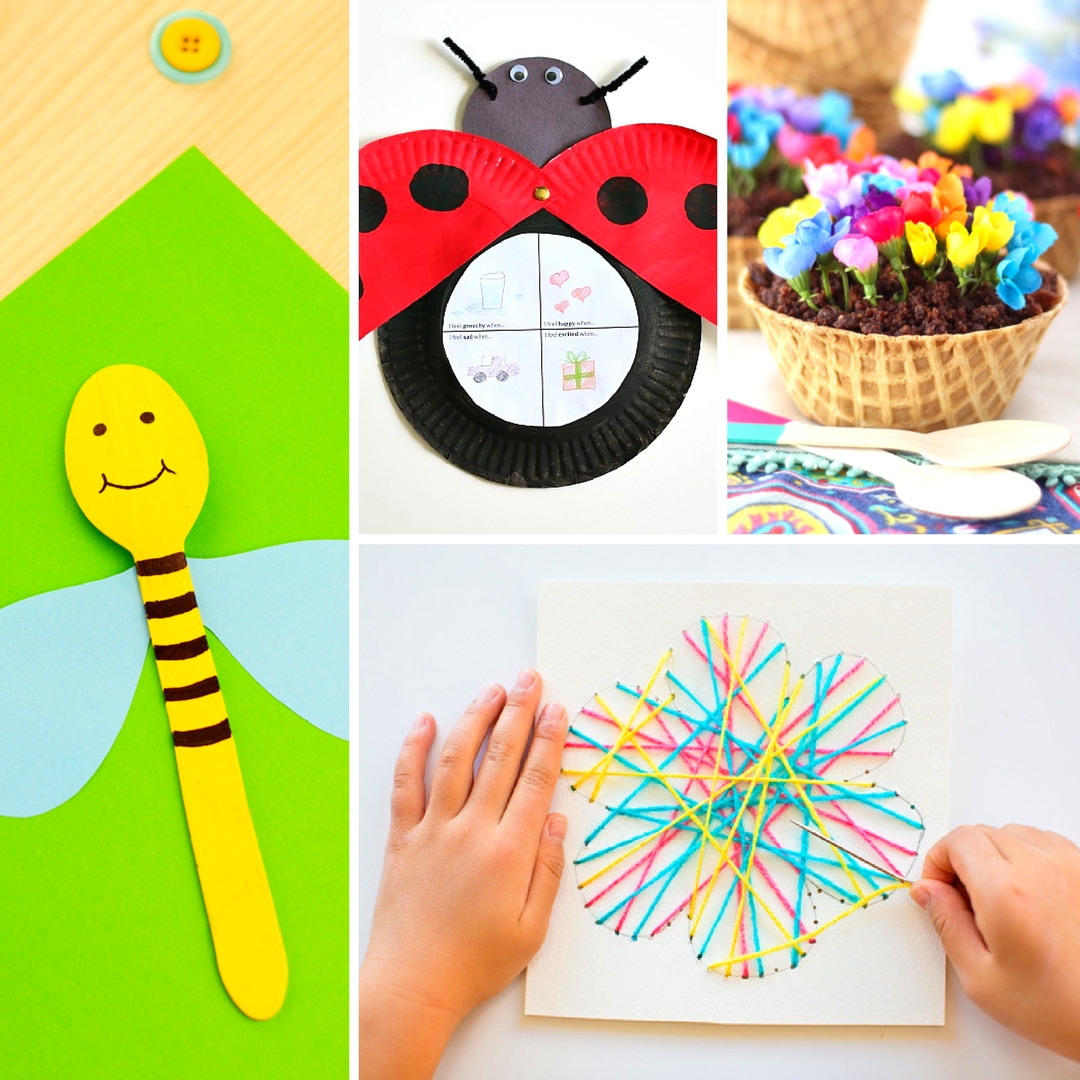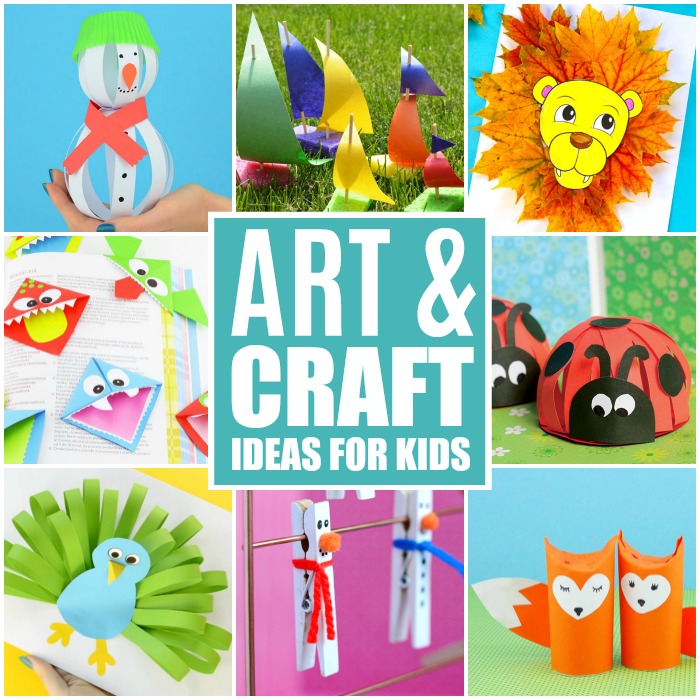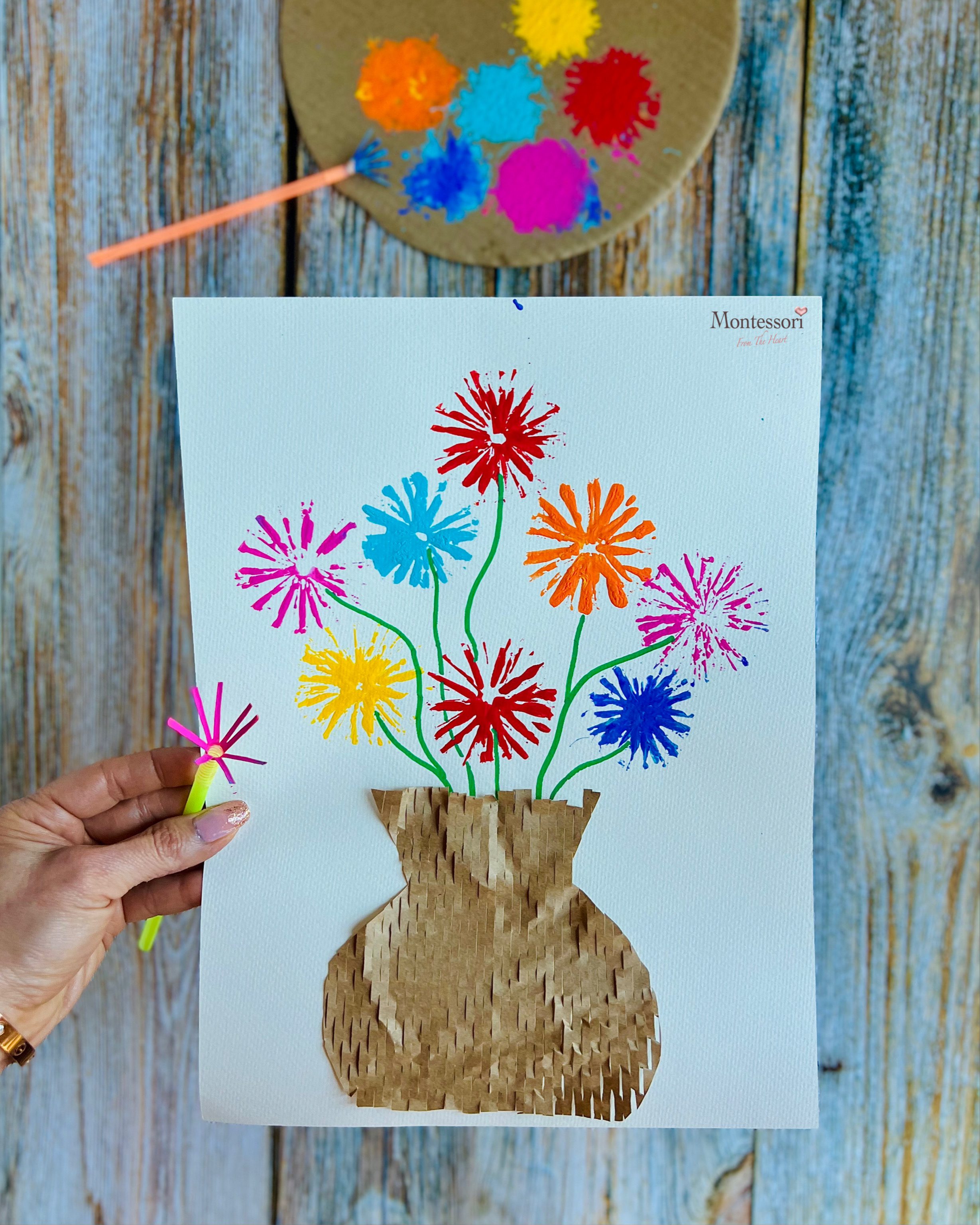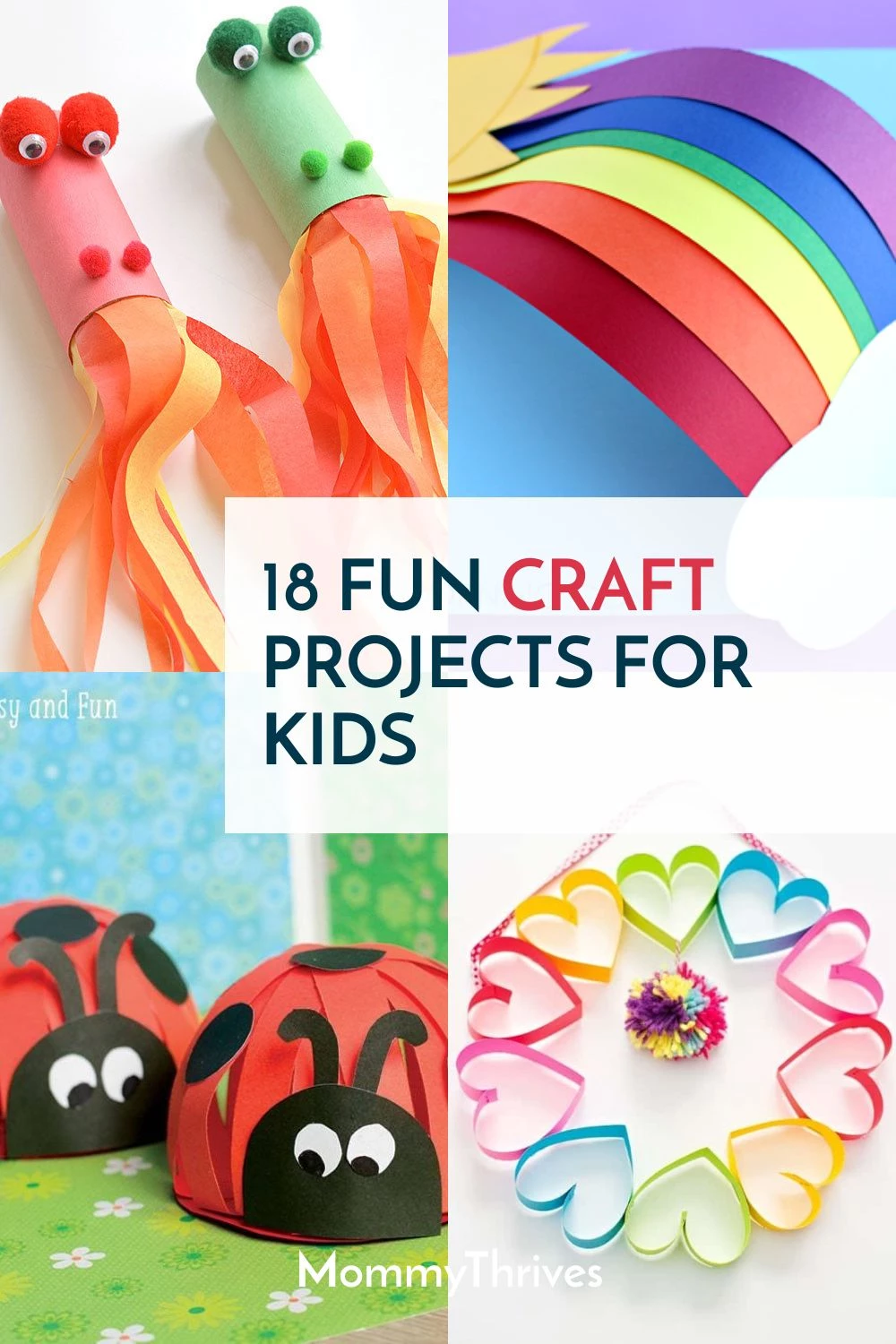
Introduction
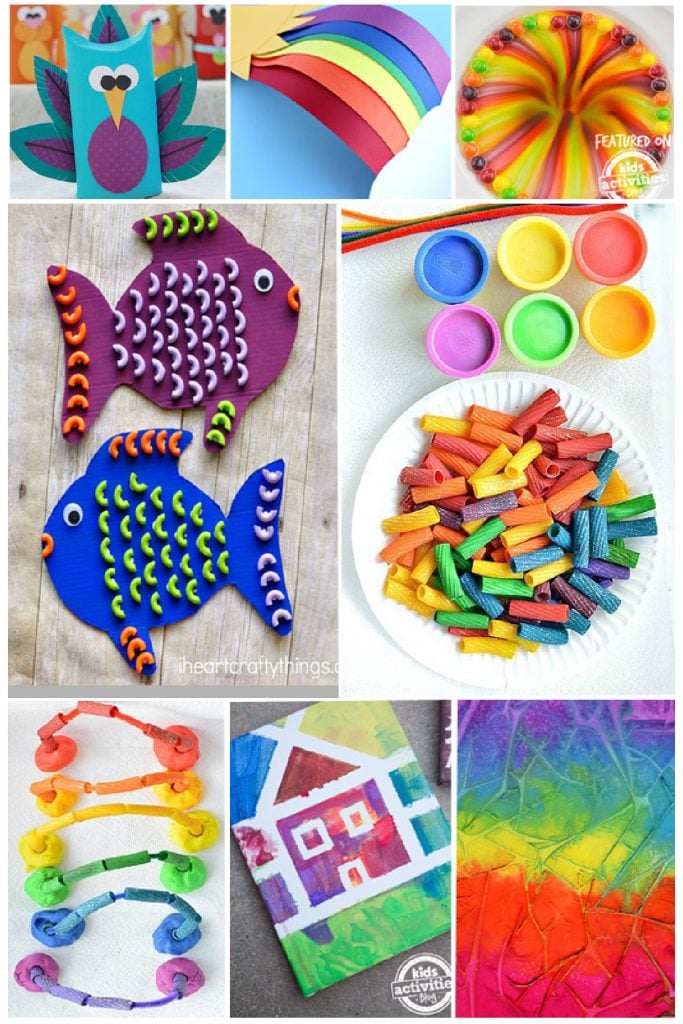
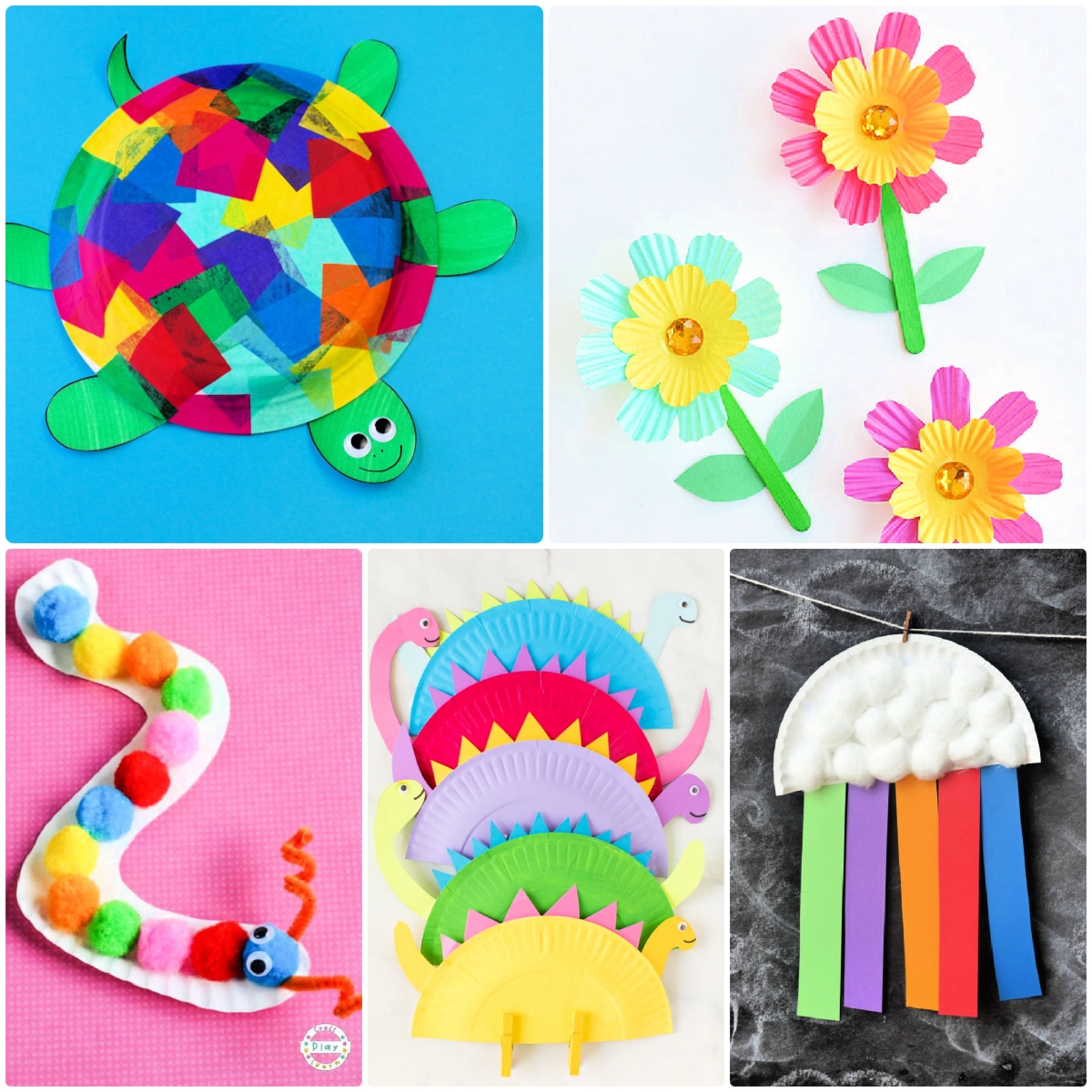
Art craft activities for kids are structured tactile exercises that combine visual arts, fine motor manipulation, and cognitive problem-solving to build essential neural pathways during early childhood development. According to the National Association for the Education of Young Children (NAEYC), intentional engagement in hands-on creative tasks significantly enhances spatial awareness, concentration, and emotional self-regulation in young learners. Early childhood learning environments rely heavily on these multidisciplinary exercises to bridge sensory exploration with academic readiness. Integrating specialized resources such as Art Activities provides educators and parents with reliable frameworks to support holistic childhood growth.
Visual Learning & Skill Snapshot:
- Core Focus: Structured tactile creative exercises bridging fine-motor control with cognitive visual learning.
- Target Skill: Spatial reasoning, visual discrimination, fine-motor proportion, and concept mastery.
- Key Recommendation: Combine structured printable templates with open-ended creative exploration for optimal cognitive balance.
Core Principles and Learning Overview
Art craft activities for kids serve as critical cognitive catalysts that translate abstract visual concepts into concrete physical understanding through multi-sensory manipulation. When children engage with structured media, the prefrontal cortex processes visual inputs, plans hand movements, and executes fine-motor adjustments to achieve a desired aesthetic result. This active processing strengthens bilateral coordination, hand-eye calibration, and intentional planning. Utilizing guided templates such as Drawing Worksheets allows children to build fundamental stroke confidence before transitioning to independent visual composition.
Key Specifications and Breakdown
| Age / Learning Stage | Visual Skill & Ratio | Pedagogical Application & Scaffolding |
|---|---|---|
| Ages 3-4 (Early Explorer) | Gross motor stroke control; 1:1 color-to-shape recognition ratio | Utilize thick-lined templates, finger-painting, and basic coloring guides to reinforce boundaries. |
| Ages 5-6 (Transition Learner) | Fine-motor pincer grip; 2:1 spatial proportion coordination | Incorporate guided cut-and-paste tasks, symmetry exercises, and progressive pattern matching. |
| Ages 7-8 (Proficient Creator) | Advanced perspective mapping; complex composition balance | Integrate multi-layered paper craft assemblies, proportion scaling, and independent design drafting. |
Early childhood art education must prioritize process-oriented making and sensory-rich manipulative tasks over rigid product replication to ensure healthy cognitive development and sustained intrinsic motivation. — National Art Education Association (NAEA)
Step-by-Step Practical Application and Guidelines
Executing successful art craft activities for kids requires careful preparation of the physical workspace, clear sequential instruction, and high-quality printable assets. Educators and caregivers begin by selecting developmentally appropriate material matched to the specific motor capabilities of the group. Next, printing out structured templates from dedicated collections such as Printable Crafts ensures that geometric proportions and cutting lines are clearly defined. Adults then model the initial folding or assembly steps, encouraging children to mimic the mechanics before exploring their own unique decorative choices.
Common Challenges and How to Avoid Them
Frustration during art craft activities for kids typically stems from misaligned developmental expectations, inadequate workspace ergonomics, or overly complex cutting demands. When young learners struggle with fine motor precision, adults should substitute complex multi-step assemblies with simpler foundational tasks or utilize thicker cardstock paper to prevent tearing. Maintaining a growth mindset around accidental mistakes transforms creative errors into valuable problem-solving opportunities. Introducing focused resources like Coloring Pages offers low-stress alternatives that rebuild confidence when intricate craft projects temporarily overwhelm early learners.
💬 Frequently Asked Questions
Conclusion and Next Steps
Implementing thoughtful art craft activities for kids fosters lifelong cognitive resilience, aesthetic appreciation, and advanced motor dexterity. By integrating structured printables and progressive creative challenges into daily routines, educators and parents create optimal environments for children to thrive. Explore the complete collection of Art Activities today to discover high-quality resources designed to inspire young minds.
Visual Reference Gallery