Introduction
Coloring pages anime serve as highly structured visual templates featuring stylized Japanese animation characters that systematically develop fine-motor precision, line control, and aesthetic appreciation in developing learners. According to the National Art Education Association (NAEA), structured engagement with stylized graphic outlines significantly enhances visual literacy and spatial coordination in children and early adolescents. Educators utilize these distinct illustrative sheets to bridge recreational interests with targeted artistic skill development. Integrating these dynamic resources supports the broader educational scope found across Coloring Pages collections.
Visual Learning & Skill Snapshot:
- Core Focus: Stylized Japanese animation graphics transformed into structured educational templates.
- Target Skill: Fine-motor proportion, visual discrimination, and complex line-boundary tracking.
- Key Recommendation: Pair high-contrast line work with colored pencils or brush markers to build controlled pressure habits.
Core Principles and Learning Overview
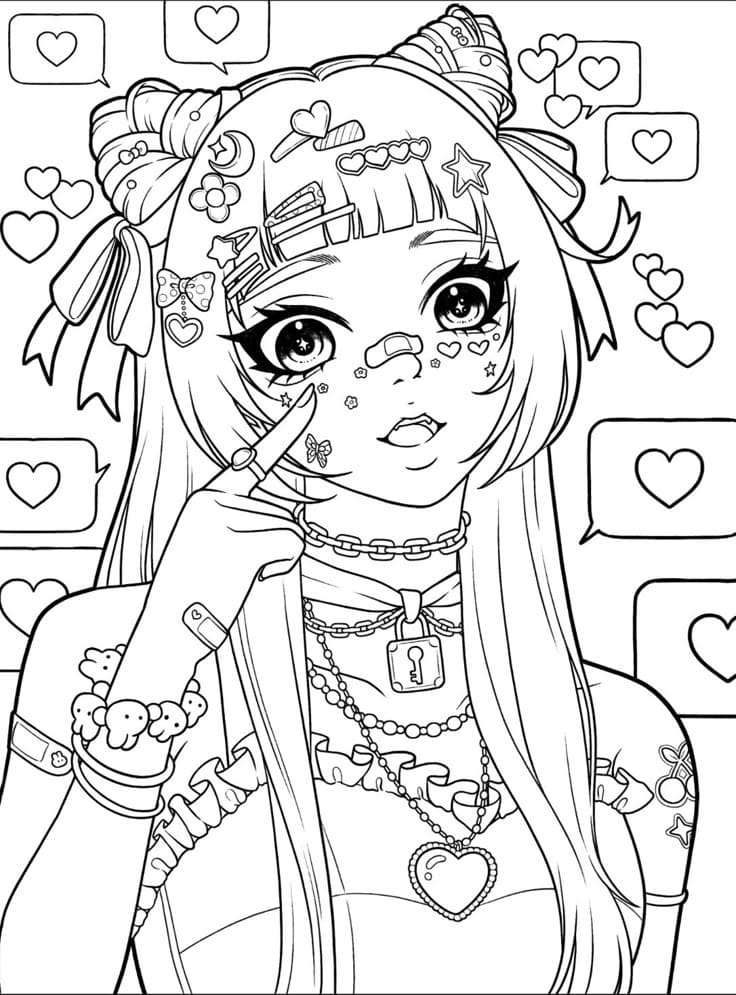
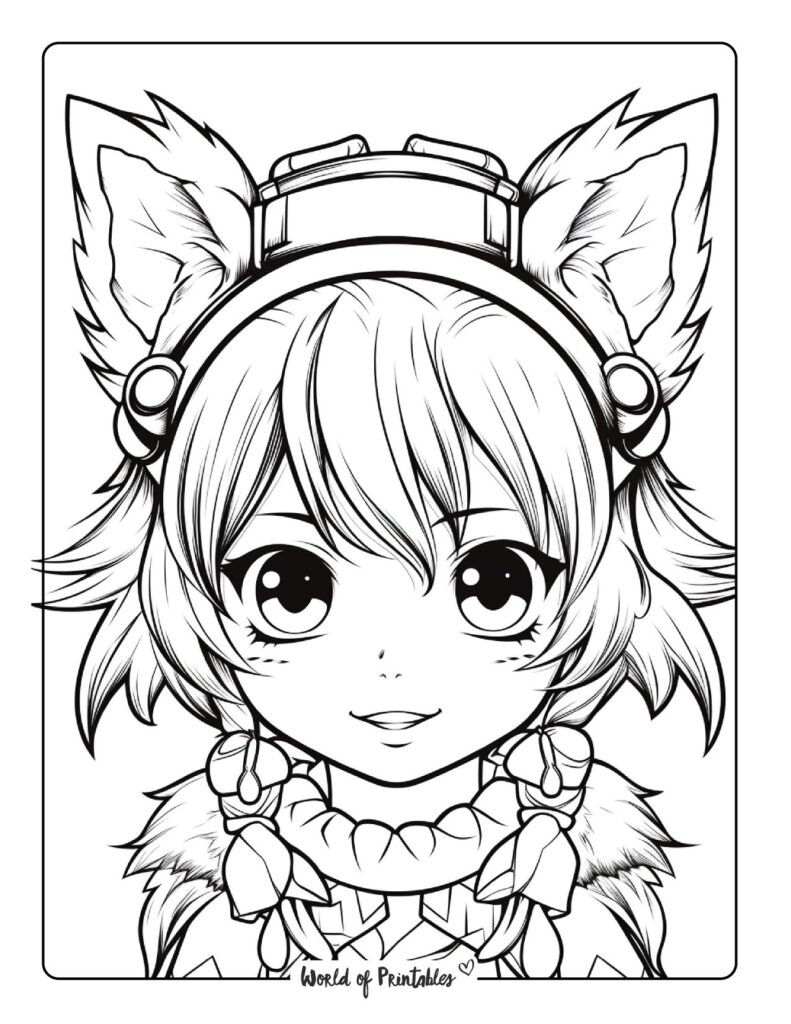
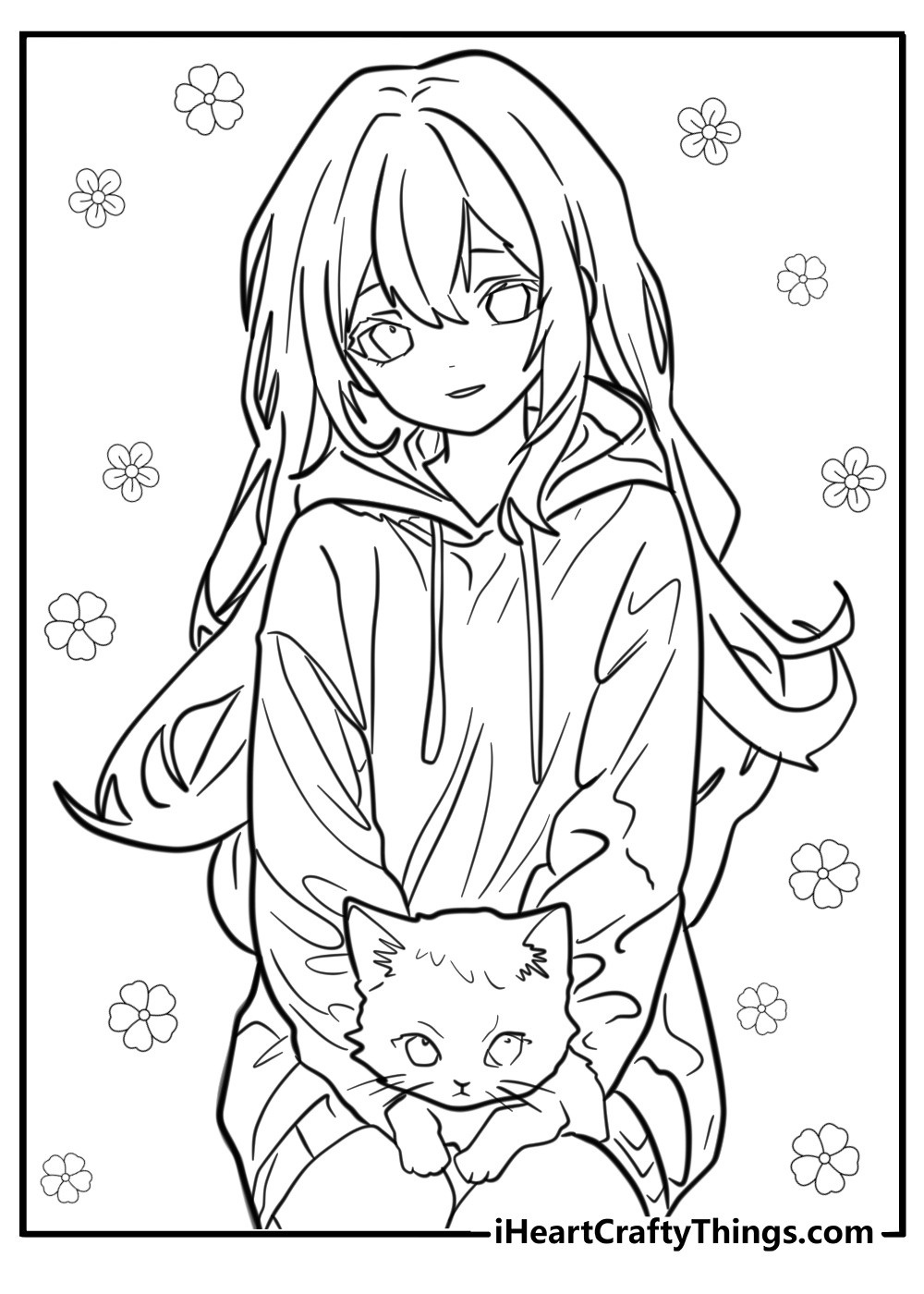
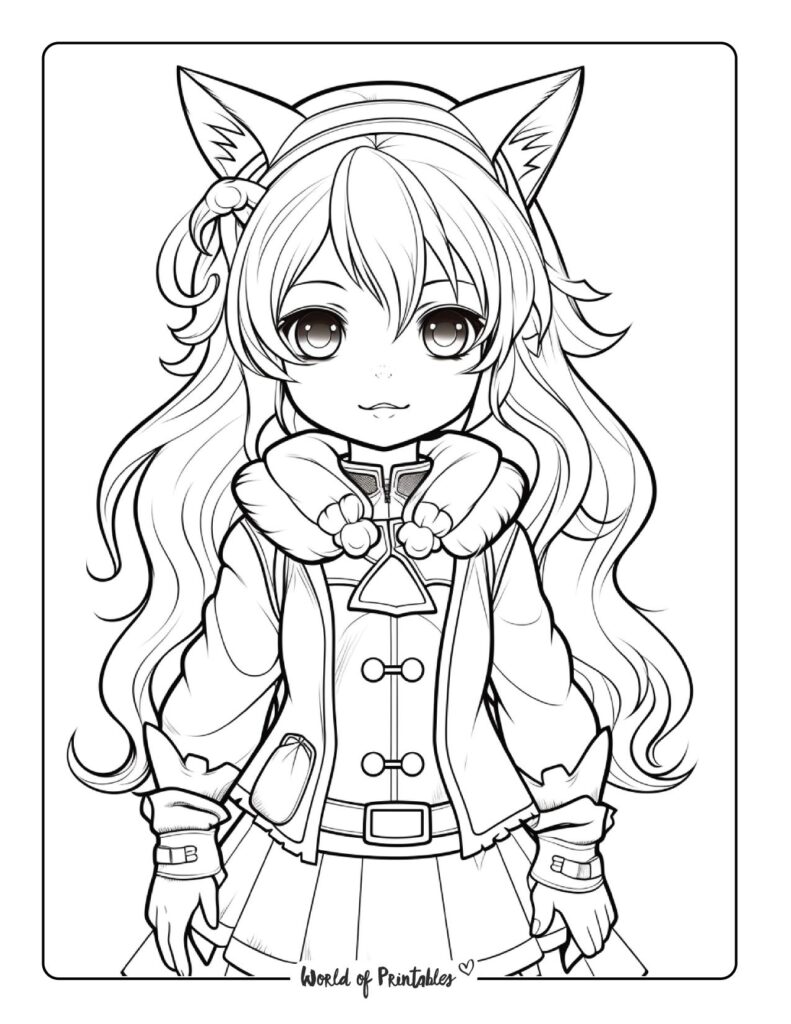
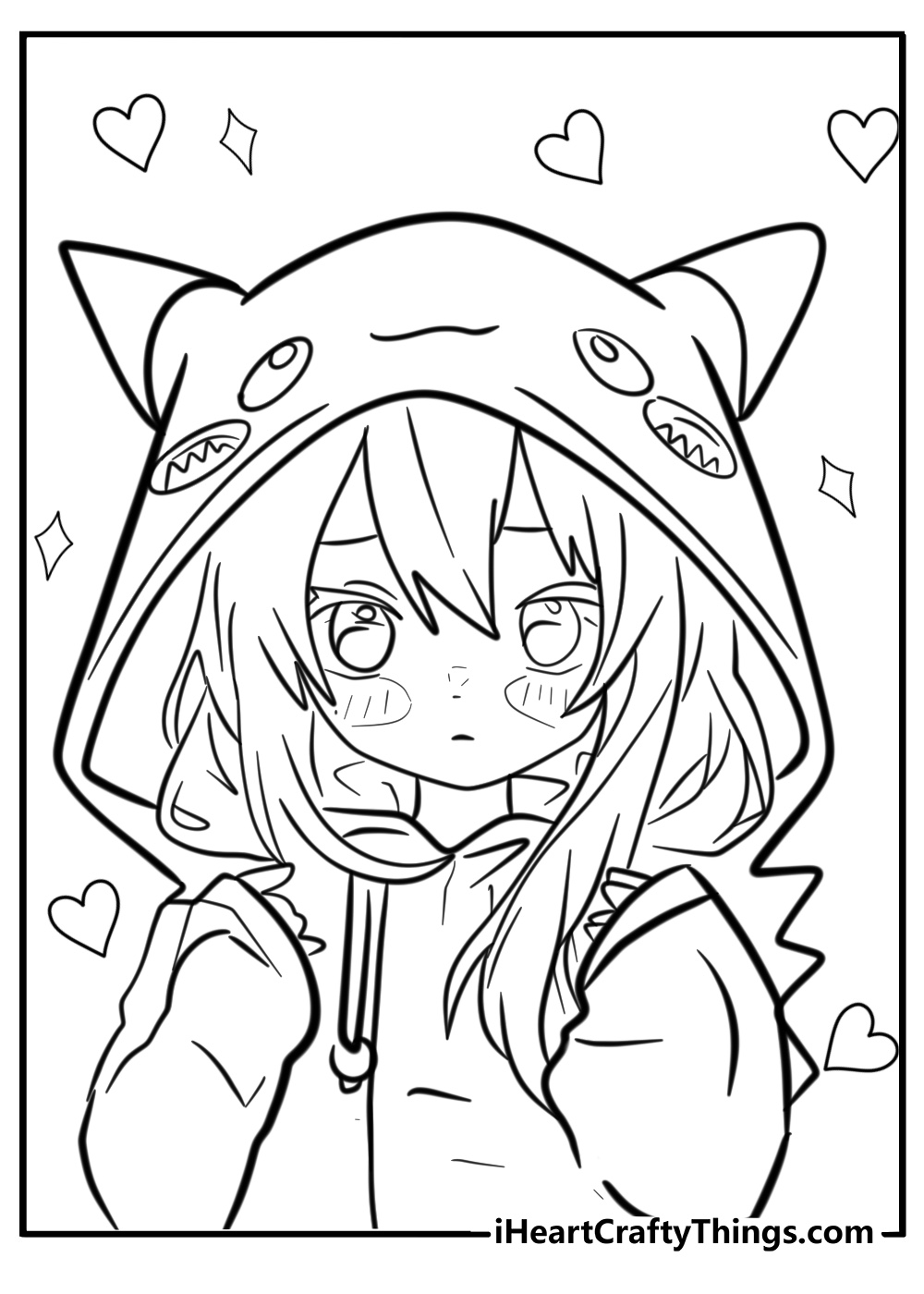
Anime-themed illustration sheets incorporate unique design characteristics—such as exaggerated facial proportions, expressive eyes, and dynamic line weights—that actively challenge traditional coloring boundaries. These specific design motifs require elevated hand-eye coordination compared to standard geometric shapes, demanding refined motor planning from the user. When learners map color gradients across distinct character features, cognitive processing speeds improve due to the high density of segmented shapes. These printable sheets function as foundational stepping stones toward advanced Drawing Worksheets and structured graphic arts curricula.
Key Specifications and Breakdown
| Age / Learning Stage | Visual Skill & Ratio | Pedagogical Application & Scaffolding |
|---|---|---|
| Early Elementary (Ages 5-7) | Macro line boundary tracking and basic primary color matching. | Utilize simplified chibi designs with thick outer borders and minimal background detailing. |
| Upper Elementary (Ages 8-10) | Proportional shading, texture blending, and highlight preservation. | Incorporate dynamic action poses featuring varied line weights and distinct clothing folds. |
| Middle School (Ages 11-14) | Complex color theory application, mood setting, and layered gradient work. | Provide intricate portrait sheets to refine patience, precision, and personal artistic style. |
Engagement with stylized, culturally relevant graphic arts maintains elevated intrinsic motivation, which directly correlates with sustained attention spans and improved manual dexterity during complex fine-motor tasks. — National Art Education Association (NAEA)
Step-by-Step Practical Application and Guidelines
Successful implementation of anime-based coloring sheets begins with selecting age-appropriate complexity levels that match the current developmental stage of the learner. Educators should first introduce grayscale or monochrome reference images to help students analyze light sources and shadow placement before applying heavy pigments. Providing a diverse array of coloring mediums—such as alcohol markers, soft pastels, or fine-tip colored pencils—allows learners to experiment with blending techniques unique to animation art styles. For hands-on extension projects, completed colored sheets can be transitioned seamlessly into dynamic Printable Crafts or multi-panel storytelling posters.
Common Challenges and How to Avoid Them
Young learners frequently struggle with bleeding marker lines, overwhelming detail density, and rushing through intricate facial features without proper planning. Educators and parents can mitigate these hurdles by printing templates onto heavy cardstock to prevent pigment saturation and by encouraging the use of artist tape to define clean borders. Breaking down complex character designs into manageable quadrants prevents cognitive fatigue and teaches systematic spatial organization. Furthermore, pairing these coloring tasks with guided Art Activities reinforces broader conceptual understanding and creative confidence.
💬 Frequently Asked Questions
Conclusion and Next Steps
Incorporating stylized animation graphics into daily art instruction bridges recreational enthusiasm with rigorous cognitive and motor skill development. Educators and parents are encouraged to curate balanced portfolios that combine precise linear coloring with creative expression and structural drawing exercises. Explore the complete collection of educational printables, creative guides, and resources available through ColorLeaf Studio to inspire the next generation of confident young artists.
Printable Coloring Page Previews