Introduction
Coloring pages cat resources provide structured line art templates that foster early visual discrimination, bilateral hand coordination, and fine-motor precision in young children. According to the National Association for the Education of Young Children (NAEYC), purposeful manipulation of writing and coloring tools builds foundational grip strength essential for future literacy. Utilizing feline-themed templates captivates early learners through relatable animal subjects, encouraging sustained focus during creative sessions. Educators and parents frequently integrate these resources into broader Art Activities to bridge the gap between open-ended imagination and controlled line navigation.
Visual Learning & Skill Snapshot:
- Core Focus: Detailed felines formatted in printable templates for targeted motor and cognitive skill building.
- Target Skill: Fine-motor control, spatial boundaries, and visual-spatial proportion analysis.
- Key Recommendation: Pair high-contrast outline sheets with varied tactile markers to optimize sensory engagement.
Core Principles and Learning Overview
Feline subject matter offers unique pedagogical advantages due to distinct symmetrical features, varying textures, and recognizable facial geometry that assist children in understanding spatial orientation. As children engage with coloring pages cat sheets, visual pathways process intricate contours, whiskers, and triangular ear shapes, translating visual input into controlled hand movements. This continuous visual-motor feedback loop strengthens neurological connections across the cerebral cortex. To expand developmental learning beyond static sheets, instructors often pair these visuals with structured Drawing Worksheets or hands-on Printable Crafts.
Key Specifications and Breakdown
| Age / Learning Stage | Visual Skill & Ratio | Pedagogical Application & Scaffolding |
|---|---|---|
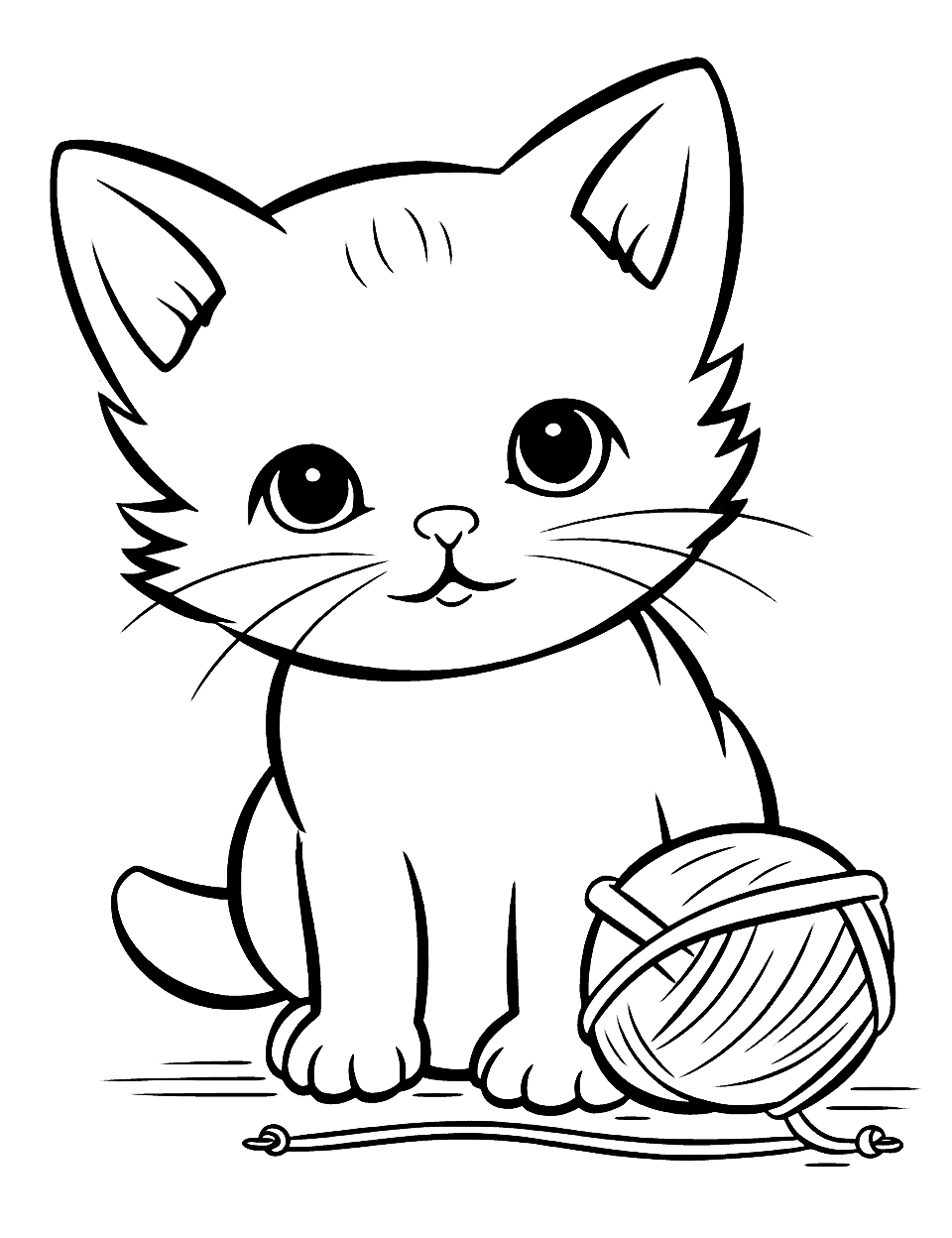
| Ages 3-4 (Early Toddler) | Thick, bold lines; high contrast; oversized geometric shapes. | Focuses on gross motor coloring freedom, learning to stay within broad boundaries. |
| Ages 5-6 (Kindergarten) | Moderate line width; distinct features like tails, paws, and stripes. | Encourages purposeful color choices, pattern recognition, and wrist stabilization. |
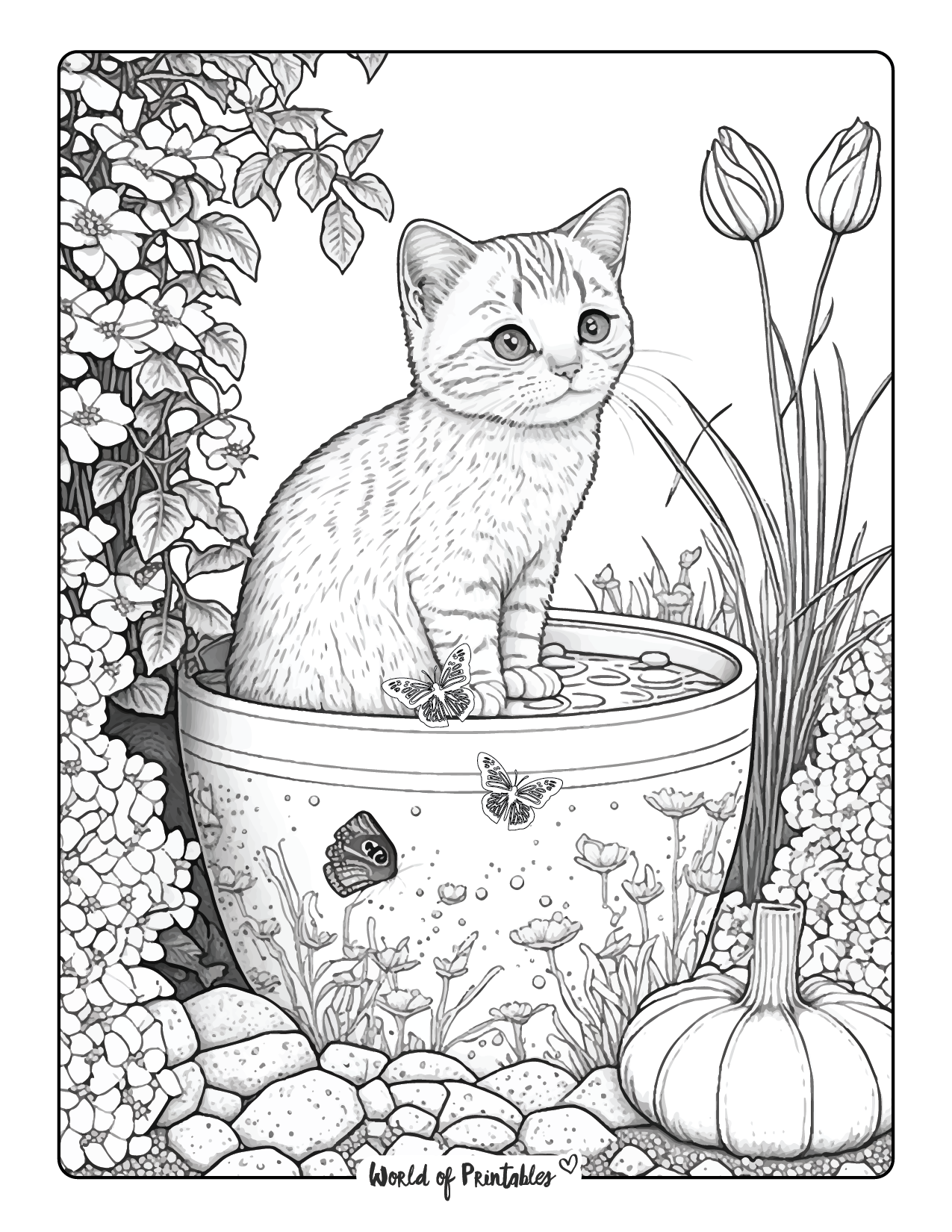
| Ages 7+ (Early Elementary) | Intricate fur textures, realistic proportions, and background elements. | Develops shading techniques, light source awareness, and advanced pencil grip endurance. |
Visual-Motor Integration Principle: Intentional manipulation of bounded art tools directly correlates with improved pre-writing dexterity, cognitive mapping, and spatial attention span in early childhood development. — National Art Education Association (NAEA)
Step-by-Step Practical Application and Guidelines
Implementing feline templates effectively requires preparing a well-lit workspace with varied drawing instruments matched to the developmental readiness of the child. Educators begin by selecting appropriate line weights, choosing simplified outlines for toddlers and intricate patterns for older students. Instructors then guide learners to observe the directional flow of feline fur before applying color, promoting deliberate planning over rushed execution. After completing the coloring phase, facilitators can transition the artwork into multi-step projects by cutting out the shapes or integrating them into seasonal bulletin boards.
Common Challenges and How to Avoid Them
Young learners frequently experience hand fatigue or frustration when attempting to color overly dense details without prior motor preparation. To prevent grip strain, adults should ensure writing utensils match ergonomic standards and encourage brief movement breaks between coloring intervals. When children rush through complex patterns, educators can introduce playful storytelling prompts regarding the cat character to slow down the pace and encourage mindful shading practices across different sections of the page.
💬 Frequently Asked Questions
Conclusion and Next Steps
Embracing structured creative resources provides children with an enjoyable gateway to mastering foundational visual and motor competencies. Exploring diverse visual templates supports healthy cognitive growth while fostering a lifelong appreciation for structured artistic expression. To discover more expanding visual resources and educational assets, browse the curated selection available at Coloring Pages.
Printable Coloring Page Previews