Introduction
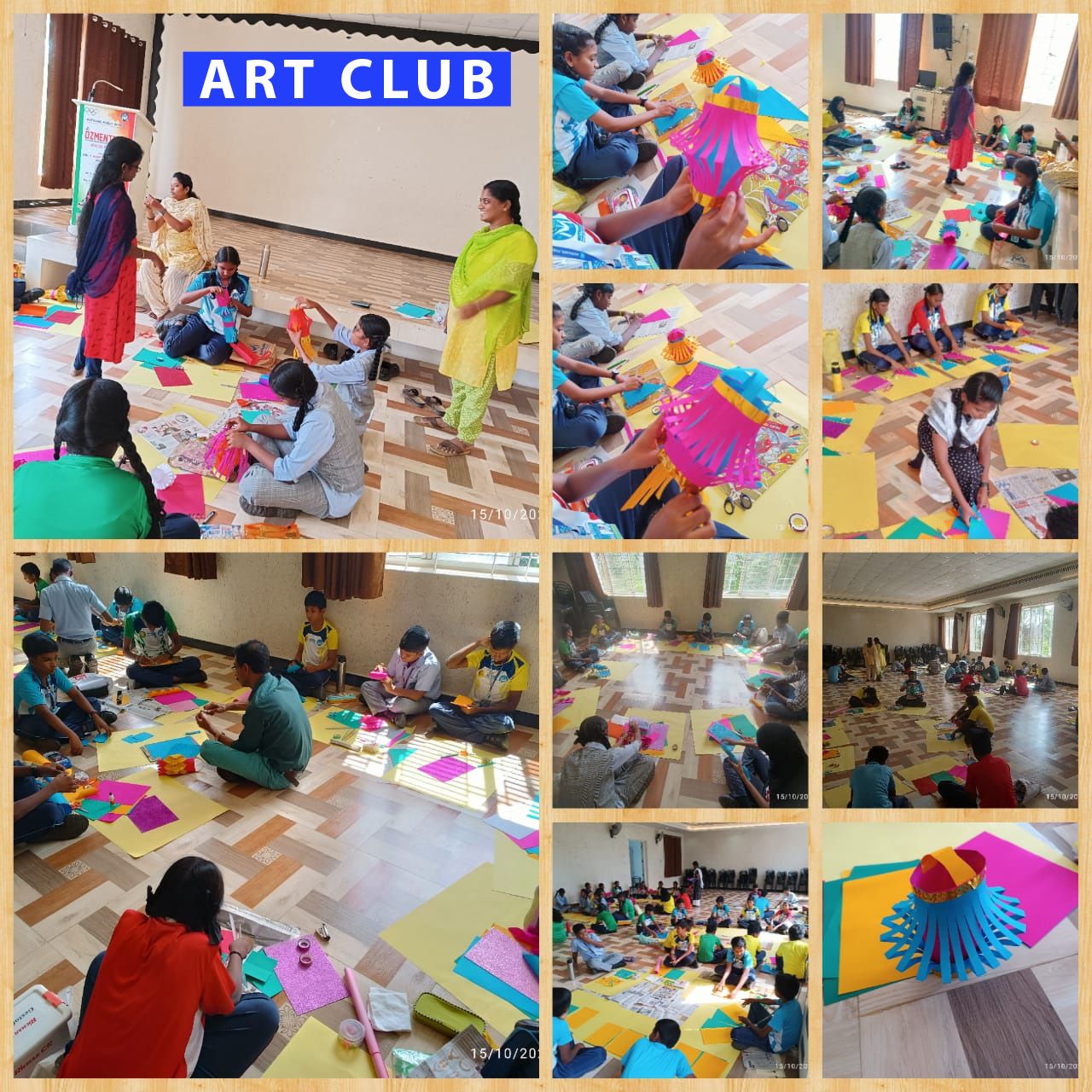
Art club activities comprise structured visual arts projects that foster creative exploration, fine-motor dexterity, and peer collaboration among young learners. According to the National Art Education Association (NAEA), sequential visual arts instruction significantly enhances critical thinking, spatial awareness, and socio-emotional development in early childhood. Implementing these creative exercises through accessible printables bridges the gap between structured instruction and independent artistic expression. Utilizing structured Art Activities provides educators and parents with reliable frameworks to cultivate sustained visual engagement.
Visual Learning & Skill Snapshot:
- Core Focus: Structured, collaborative, and independent visual arts projects for early learners.
- Target Skill: Spatial reasoning, visual discrimination, and fine-motor control.
- Key Recommendation: Pair open-ended visual challenges with scaffolded templates to support diverse skill levels.
Core Principles and Learning Overview
Art club activities operate on the principle of progressive skill acquisition, moving from basic line tracing to complex spatial composition. Children develop essential cognitive milestones when engaging with repeatable, high-quality visual resources that encourage careful observation and color theory application. By incorporating specialized Drawing Worksheets, instructors can systematically guide learners through foundational proportion, symmetry, and perspective exercises without overwhelming cognitive capacity.
Key Specifications and Breakdown
| Age / Learning Stage | Visual Skill & Ratio | Pedagogical Application & Scaffolding |
|---|---|---|
| Ages 3-5 (Early Years) | Bilateral coordination; 1:1 color matching ratio. | Utilize bold-outline Coloring Pages to build wrist strength and boundary control. |
| Ages 6-8 (Early Elementary) | Proportional scaling; geometric shape integration. | Implement step-by-step grid tracing and observational replication grids. |
| Ages 8-10 (Advanced Primary) | Multi-layer depth perception; structural integrity. | Deploy Printable Crafts requiring precise cutting, folding, and assembly. |
Visual arts education directly correlates with enhanced neural connectivity in the parietal and frontal lobes, supporting complex problem-solving abilities. — National Art Education Association (NAEA)
Step-by-Step Practical Application and Guidelines
Executing successful art club activities requires clear material preparation, designated workstations, and a balance between guided instruction and free creation. Educators should first distribute curated visual prompts, allowing participants five minutes to study line directions and negative space before applying mediums. Establish a clean rotation system for specialized tools, ensuring children can independently transition from tracing exercises to dimensional paper assembly while maintaining focus and workspace organization.
Common Challenges and How to Avoid Them
Premature frustration during complex art club activities typically stems from mismatched fine-motor expectations or lack of foundational scaffolding. Mitigate these obstacles by offering tiered worksheet options that allow struggling learners to practice basic strokes before attempting intricate dimensional assemblies. Encouraging a process-oriented mindset over rigid perfectionism prevents anxiety, ensuring young participants remain confident and intrinsically motivated throughout every creative session.
💬 Frequently Asked Questions
Conclusion and Next Steps
Integrating structured visual projects into weekly routines yields remarkable gains in concentration, creative confidence, and fine-motor precision. Educators and parents looking to expand their resource library can explore the extensive collection of Art Activities designed specifically to inspire lifelong artistic appreciation.
Visual Reference Gallery