Introduction
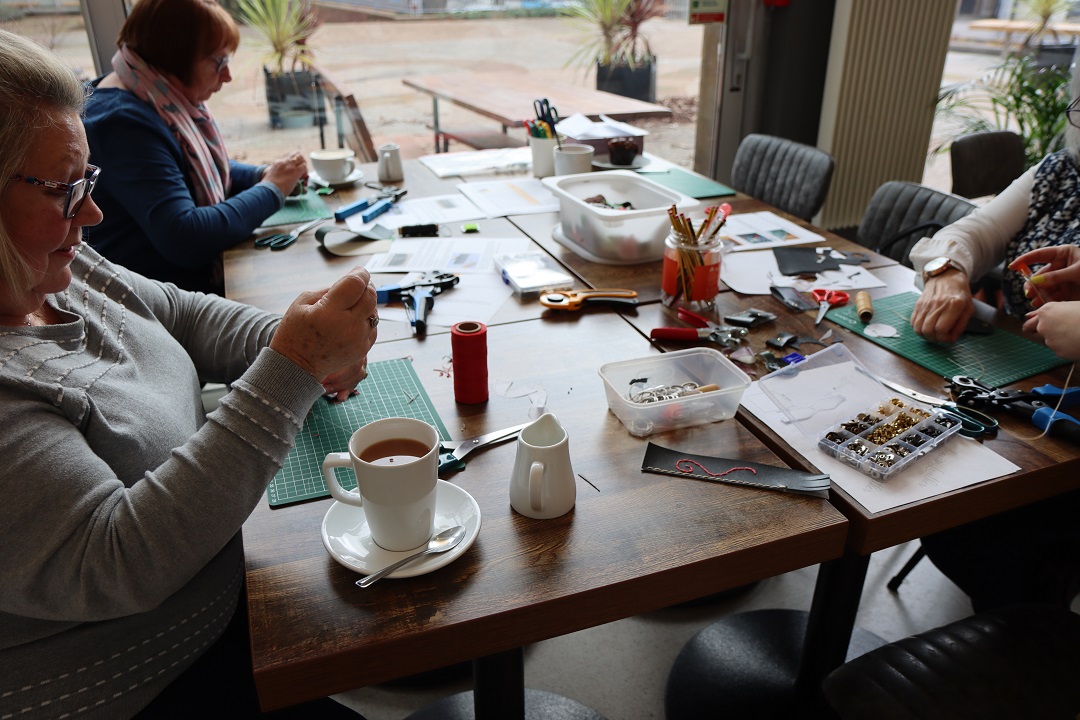
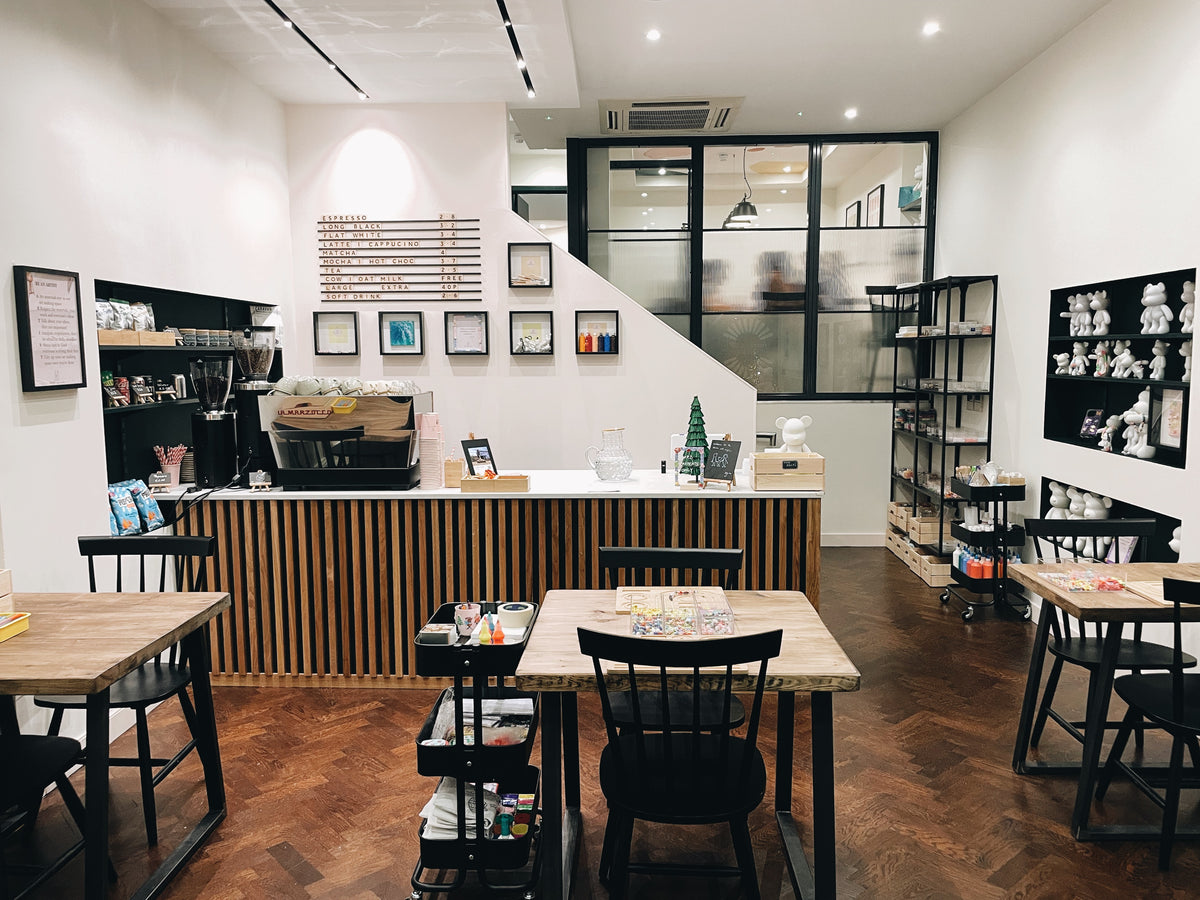
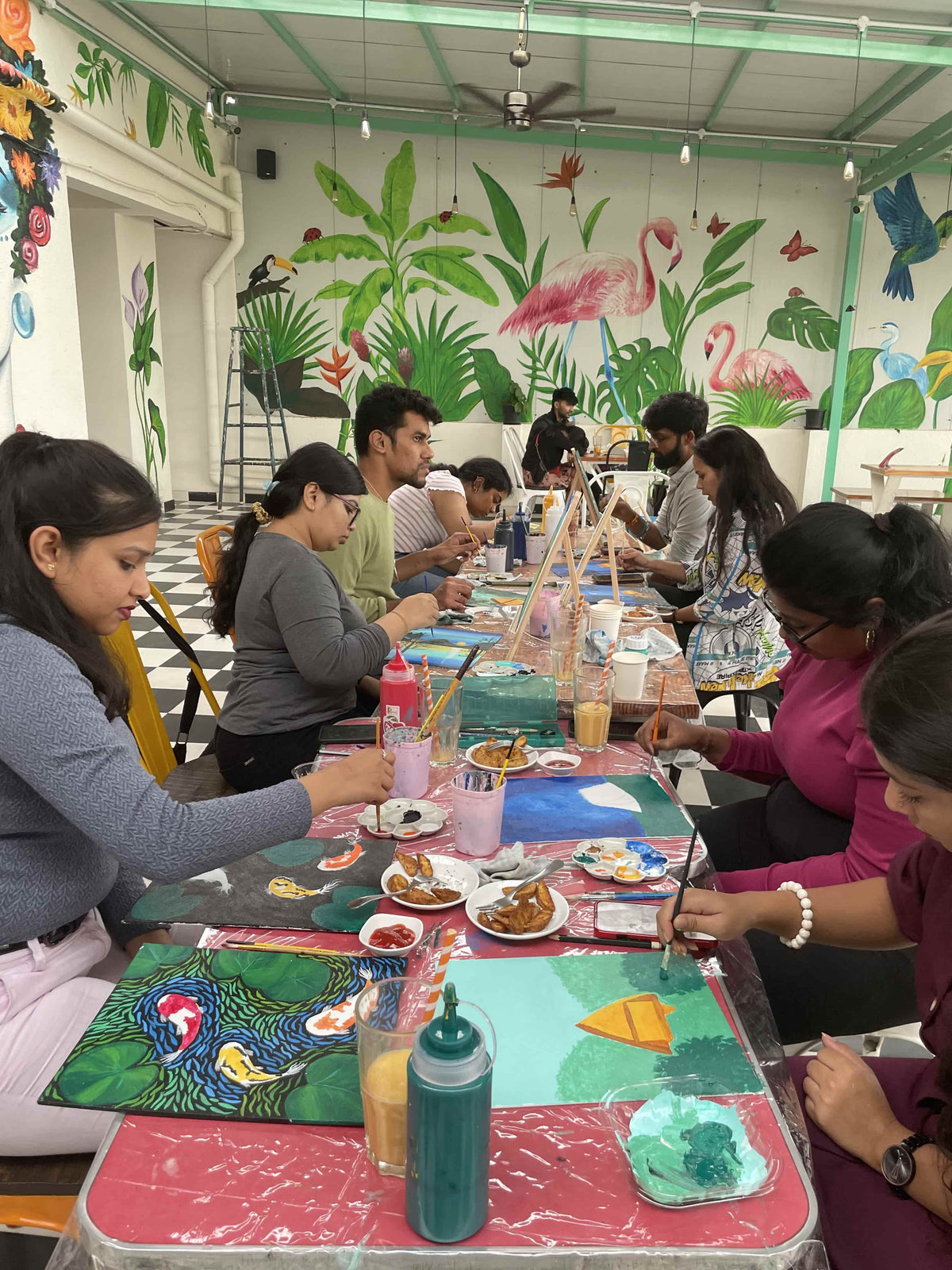
An art activities cafe represents a structured yet flexible creative environment where children engage in self-directed, station-based visual projects that foster cognitive development and tactile exploration. According to the National Art Education Association (NAEA), early visual arts experiences are essential for developing divergent thinking, spatial intelligence, and fine motor precision in young learners. Integrating printable resources into this setup allows educators and parents to curate a dynamic, cafe-style menu of creative options that target specific developmental domains. By treating the workspace like a studio atelier, children independently select tasks from curated Art Activities collections, building autonomy and sustained creative attention.
Visual Learning & Skill Snapshot:
- Core Focus: Station-based, self-directed visual art exploration using accessible printables.
- Target Skill: Fine-motor bilateral coordination, spatial reasoning, and creative autonomy.
- Key Recommendation: Rotate materials regularly to maintain engagement and introduce fresh visual challenges.
Core Principles and Learning Overview
Station-based creative environments leverage the psychology of choice to deepen engagement and intrinsic motivation in early elementary students and homeschoolers. When children approach a creative space organized like a studio menu, executive function skills activate as participants plan their projects, manage their time, and transition between different modalities of making. This approach bridges foundational marks and structural understanding by integrating Drawing Worksheets alongside complex projects, ensuring a balanced cognitive workout that develops both linear control and imaginative expression.
Key Specifications and Breakdown
| Age / Learning Stage | Visual Skill & Ratio | Pedagogical Application & Scaffolding |
|---|---|---|
| Ages 3-5 (Early Years) | Bilateral coordination & basic shape recognition | Utilize bold-lined Coloring Pages to build pencil grip strength and boundary awareness. |
| Ages 6-8 (Early Elementary) | Proportional scaling & spatial orientation | Implement structured step-by-step layout guides to encourage observational drawing and precision. |
| Ages 9-11 (Upper Elementary) | Multi-step planning & structural construction | Deploy complex tactile components through Printable Crafts that require accurate folding and cutting. |
Early art experiences promote neural pathway development in the prefrontal cortex, enhancing problem-solving and emotional regulation through tactile engagement. — National Art Education Association (NAEA)
Step-by-Step Practical Application and Guidelines
Setting up a successful learning station requires clear spatial division, organized material trays, and high-quality printed templates that invite independent exploration. Begin by categorizing the workspace into distinct zones, such as a precision marking station, a coloring corner, and a cutting assembly area. Print out diverse selections on heavy-weight cardstock to prevent bleed-through and ensure durability during manipulation. Instructors should model how to select a single project card, gather the necessary tools from communal caddies, and clean up the surface before moving to a new station, thereby instilling responsibility alongside artistic expression.
Common Challenges and How to Avoid Them
Overwhelming young learners with too many open-ended choices often leads to decision fatigue and scattered attention span. To prevent this, limit the available menu options at any given session to three distinct, complementary choices. If children rush through intricate sections or express frustration with fine motor tasks, scaffold the process by breaking complex shapes into manageable, pre-cut geometric foundations. Providing visual exemplars rather than strict prescriptive instructions ensures that participants focus on authentic creative problem-solving rather than copying an adult standard.
💬 Frequently Asked Questions
Conclusion and Next Steps
Establishing a structured creative environment transforms ordinary practice time into an inspiring, self-directed journey of discovery and skill-building. Educators and families ready to elevate their creative spaces can explore the extensive library of high-quality resources available at ColorLeaf Studio to curate the ultimate developmental studio experience.
Visual Reference Gallery