Introduction
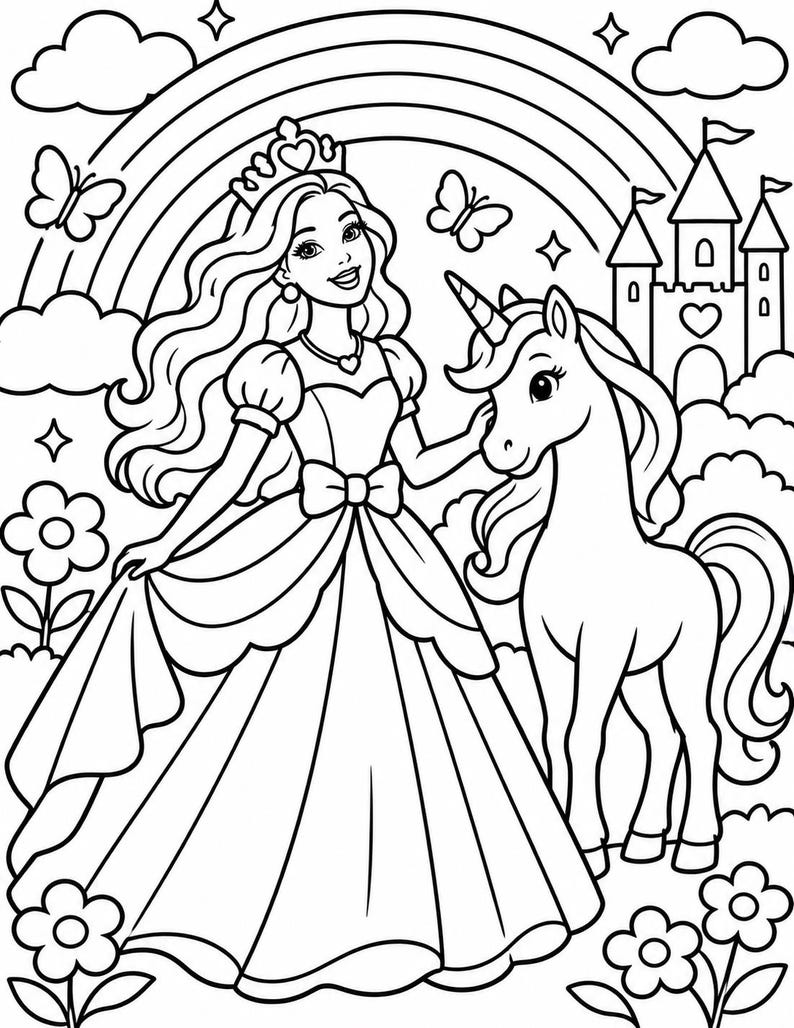
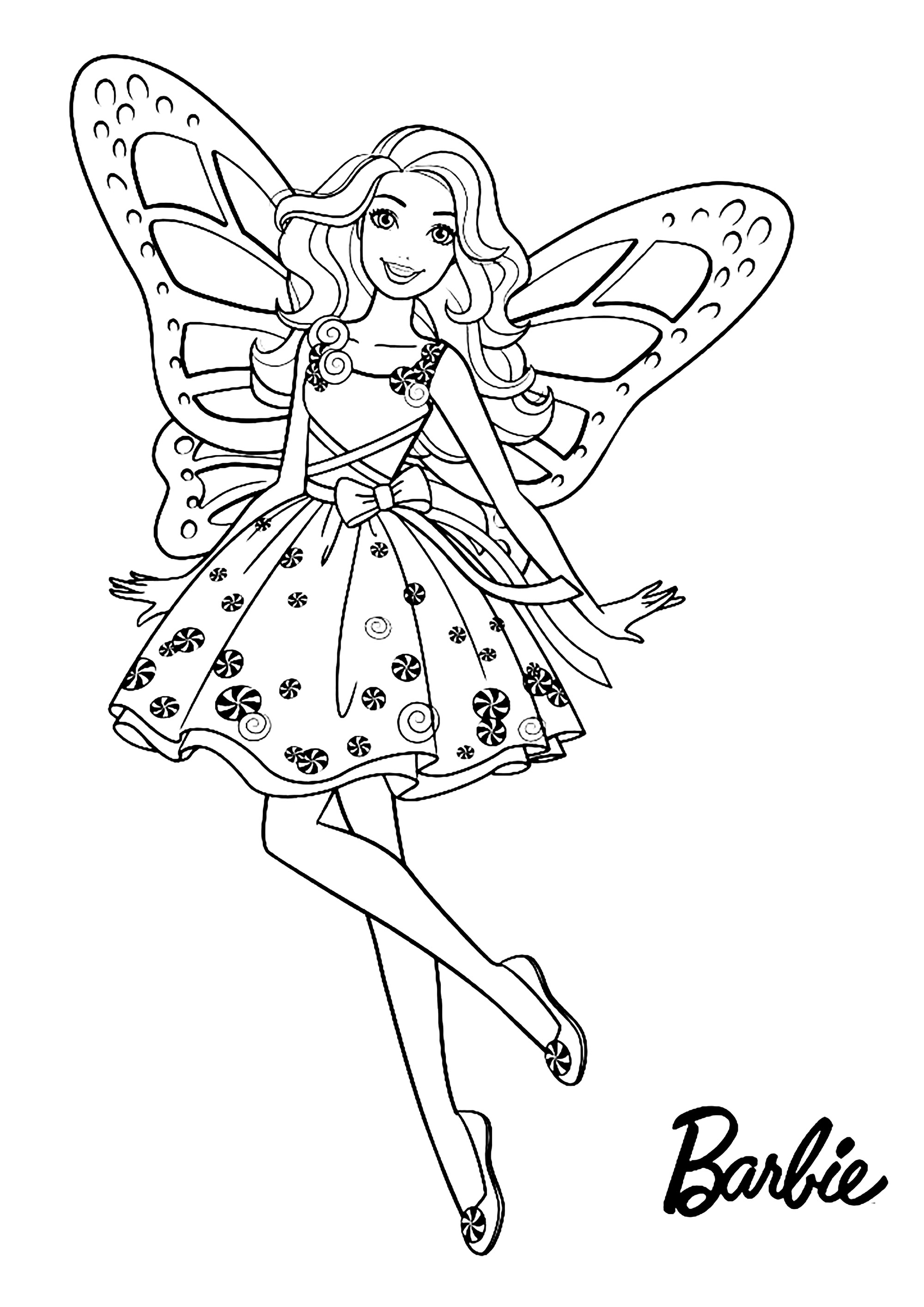
Coloring pages barbie provide structured graphic templates that foster fine-motor dexterity, color theory comprehension, and narrative composition in early childhood education. According to the National Association for the Education of Young Children (NAEYC), engaging children in structured manual coloring activities significantly strengthens the small hand muscles required for early writing readiness while simultaneously encouraging spatial awareness. Educators and developmental specialists utilize character-driven sheets to bridge popular culture interests with foundational artistic frameworks, enhancing engagement across diverse early elementary cohorts. Expanding beyond casual recreation, these printables integrate smoothly into broader curricula involving Coloring Pages collections designed for deliberate developmental milestones.
Visual Learning & Skill Snapshot:
- Core Focus: Structural graphic execution using recognizable stylistic contours.
- Target Skill: Fine-motor precision, color palette coordination, and boundary containment.
- Key Recommendation: Pair structured sheets with open-ended Art Activities to balance guided precision with creative expression.
Core Principles and Learning Overview
Coloring pages barbie serve as practical tools for translating complex iconic imagery into manageable geometric segments for developing visual learners. The primary educational value lies in boundary recognition, bilateral hand coordination, and proportional color distribution. As young learners analyze clothing seams, facial features, and background accessories within the line art, cognitive processing pathways link visual stimuli to physical execution. Educators leverage these specific layouts to teach light source placement, shading gradients, and harmonious color blending. Furthermore, integrating complementary Drawing Worksheets allows children to transition smoothly from passive coloring within set parameters to active, independent line creation and structural sketching.
Key Specifications and Breakdown
| Age / Learning Stage | Visual Skill & Ratio | Pedagogical Application & Scaffolding |
|---|---|---|
| Ages 3–4 (Preschool) | Thick borders with large focal areas to build foundational grip control. | Encourage broad marker strokes and simple primary color exploration without strict boundary enforcement. |
| Ages 5–6 (Kindergarten) | Moderate detail density requiring precise pencil and crayon control. | Introduce overlapping color blending and pattern replication across clothing and background elements. |
| Ages 7–8 (Early Elementary) | Fine linear partitions demanding advanced wrist dexterity and shading techniques. | Incorporate textured media, colored pencils, and multi-tone depth layering to achieve professional finish outcomes. |
Structured visual materials actively reinforce neural pathways responsible for hand-eye coordination, spatial estimation, and intentional motor planning during early childhood development. — National Art Education Association (NAEA)
Step-by-Step Practical Application and Guidelines
Executing coloring pages barbie effectively requires deliberate preparation of materials and an understanding of progressive skill scaffolding. Begin by selecting weight-appropriate paper stock, such as 80lb matte cardstock, to prevent media bleeding when children transition from wax crayons to water-based markers or colored pencils. Establish a calm, well-lit workspace that supports upright posture, ensuring optimal wrist mobility and reducing hand fatigue during extended drawing sessions. Instruct learners to start coloring from the central focal point outward toward the background edges to minimize smudging. Educators should encourage children to rotate their paper freely to maintain comfortable wrist angles while navigating complex curves and intricate costume details, mirroring professional illustrative habits.
Common Challenges and How to Avoid Them
Frequent obstacles encountered during coloring activities include premature hand fatigue, frustration over boundary breaches, and color monotony. Educators can mitigate physical strain by ensuring writing utensils feature ergonomic grips and appropriate barrel diameters for small hands. To address boundary anxiety, frame accidental overlaps not as errors, but as opportunities to incorporate shadow or background texture into the design. Prevent color fatigue by providing a curated palette of five to six complementary hues rather than an overwhelming selection of dozens of markers. For tactile variety and structural engagement, pair these flat sheets with Printable Crafts that translate two-dimensional clothing designs into three-dimensional wearable accessories.
💬 Frequently Asked Questions
Conclusion and Next Steps
Integrating thematic visual exercises into daily learning routines bridges recreational interest with foundational skill mastery. By providing structured, high-quality graphic resources, educators and parents empower young learners to build essential confidence in manual dexterity and artistic expression. Explore the growing library of educational resources to support early learners by visiting the primary Coloring Pages collection today.
Printable Coloring Page Previews