Introduction
Coloring pages bunny resources provide foundational visual-spatial templates that foster fine-motor dexterity, pencil control, and cognitive engagement in early childhood development. According to the National Association for the Education of Young Children (NAEYC), structured tactile art experiences are vital for strengthening hand muscles and enhancing visual-motor integration during the formative years. Utilizing targeted Coloring Pages transforms simple outlines into dynamic cognitive exercises.
Visual Learning & Skill Snapshot:
- Core Focus: Using thematic rabbit illustrations to build manual precision and shape recognition.
- Target Skill: Fine-motor proportion, bilateral coordination, and visual discrimination.
- Key Recommendation: Pair printable sheets with varied tactile media to stimulate divergent artistic thinking.
Core Principles and Learning Overview
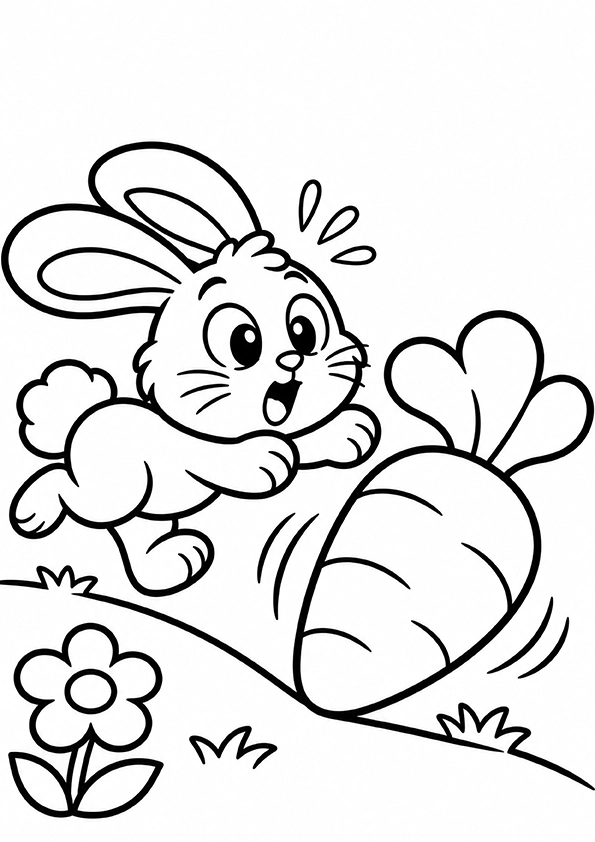
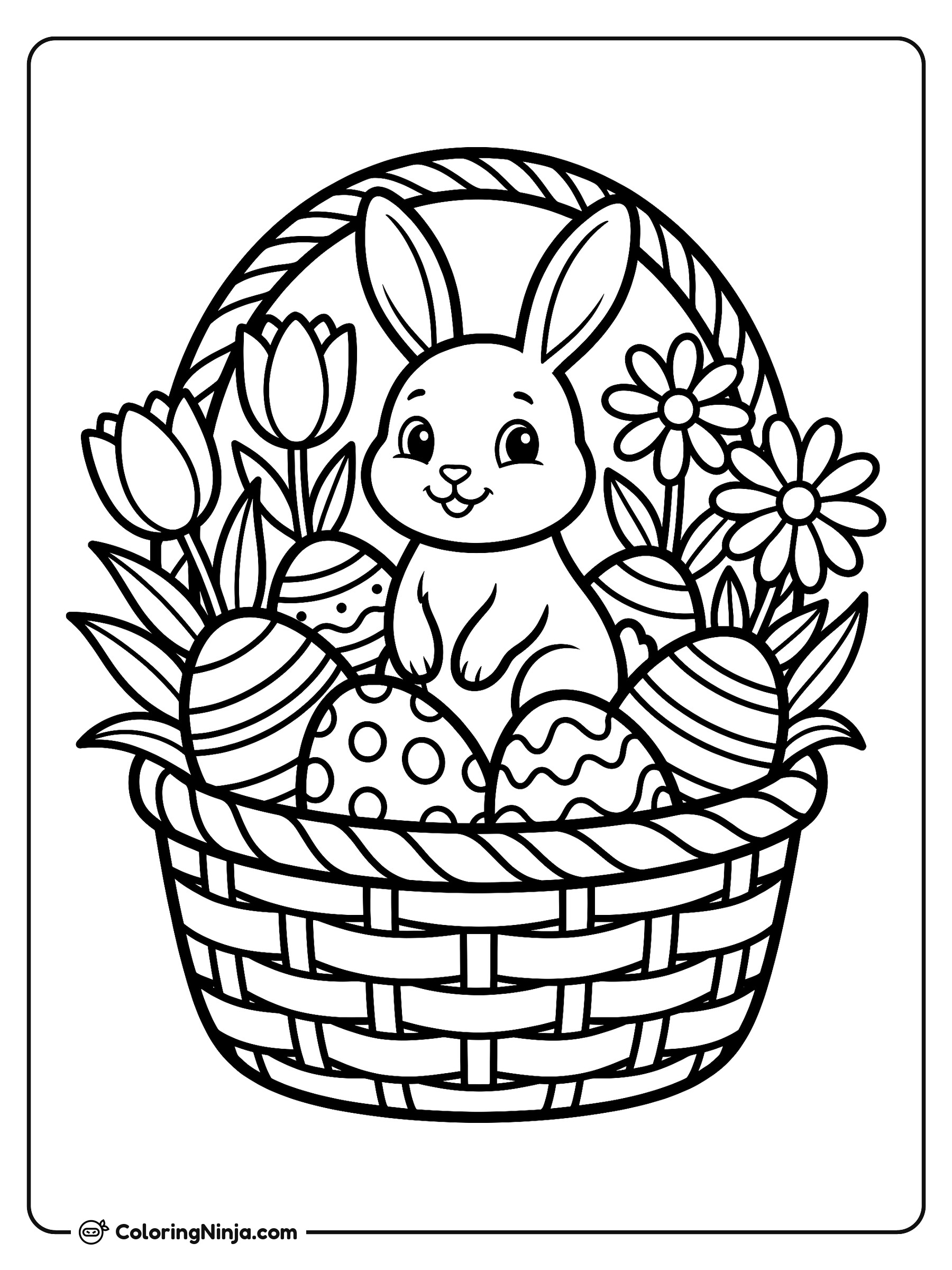
Rabbit-themed coloring templates systematically reinforce spatial boundaries and contour recognition through engaging, recognizable animal forms. Educators integrate these printables within broader Art Activities to bridge the gap between abstract geometrical shapes and organic life forms. Learners examine distinct proportions, such as elongated ears and rounded torsos, which naturally encourage deliberate stroke control and boundary awareness. By adjusting line thickness and negative space density, instructors can easily scale the cognitive challenge for toddlers, preschoolers, and early elementary students.
Key Specifications and Breakdown
| Age / Learning Stage | Visual Skill & Ratio | Pedagogical Application & Scaffolding |
|---|---|---|
| Ages 2-3 (Toddler) | Thick outlines, minimal detail, high contrast | Focuses on gross palmar grasp, exploring color application without strict boundary constraints. |
| Ages 4-5 (Preschool) | Moderate anatomical features, distinct sections | Builds pincer grip strength and introduces basic color theory through partitioned bunny anatomy. |
| Ages 6-8 (Early Elementary) | Intricate patterns, shading zones, fine lines | Encourages advanced pencil control, texture rendering, and transition into independent Drawing Worksheets. |
Engagement in structured manual drawing and coloring promotes neural pathway connectivity in the parietal lobe, directly supporting mathematical spatial reasoning and pre-writing proficiency — National Art Education Association (NAEA)
Step-by-Step Practical Application and Guidelines
Implementing these printable assets effectively requires strategic material selection, thoughtful environmental setup, and progressive skill scaffolding. Educators begin by choosing high-contrast outlines that match the developmental readiness of the group. Next, instructors pair the sheets with diverse instruments, ranging from chunky wax crayons for toddlers to fine-tip colored pencils for older children. As learners complete their sheets, transitioning them into complementary Printable Crafts helps reinforce 3D spatial awareness through cutting, pasting, and assembly.
Common Challenges and How to Avoid Them
Overcoming early childhood frustration with coloring sheets involves recognizing and mitigating common mechanical and cognitive hurdles. Children frequently rush through intricate sections, leading to grip fatigue and boundary overflow, which stems from selecting sheets with excessive detail too early. Instructors prevent this by ensuring line weights match grip maturity and by encouraging short, intentional coloring sessions rather than marathon tasks. Providing verbal scaffolding about directional strokes also helps learners manage complex curves found in organic shapes.
💬 Frequently Asked Questions
Conclusion and Next Steps
Integrating focused rabbit templates into daily educational routines bridges imaginative play with essential motor skill development. Educators and parents can expand this creative momentum by exploring more inspiring resources available through ColorLeaf Studio to support comprehensive early childhood learning.
Printable Coloring Page Previews