Introduction
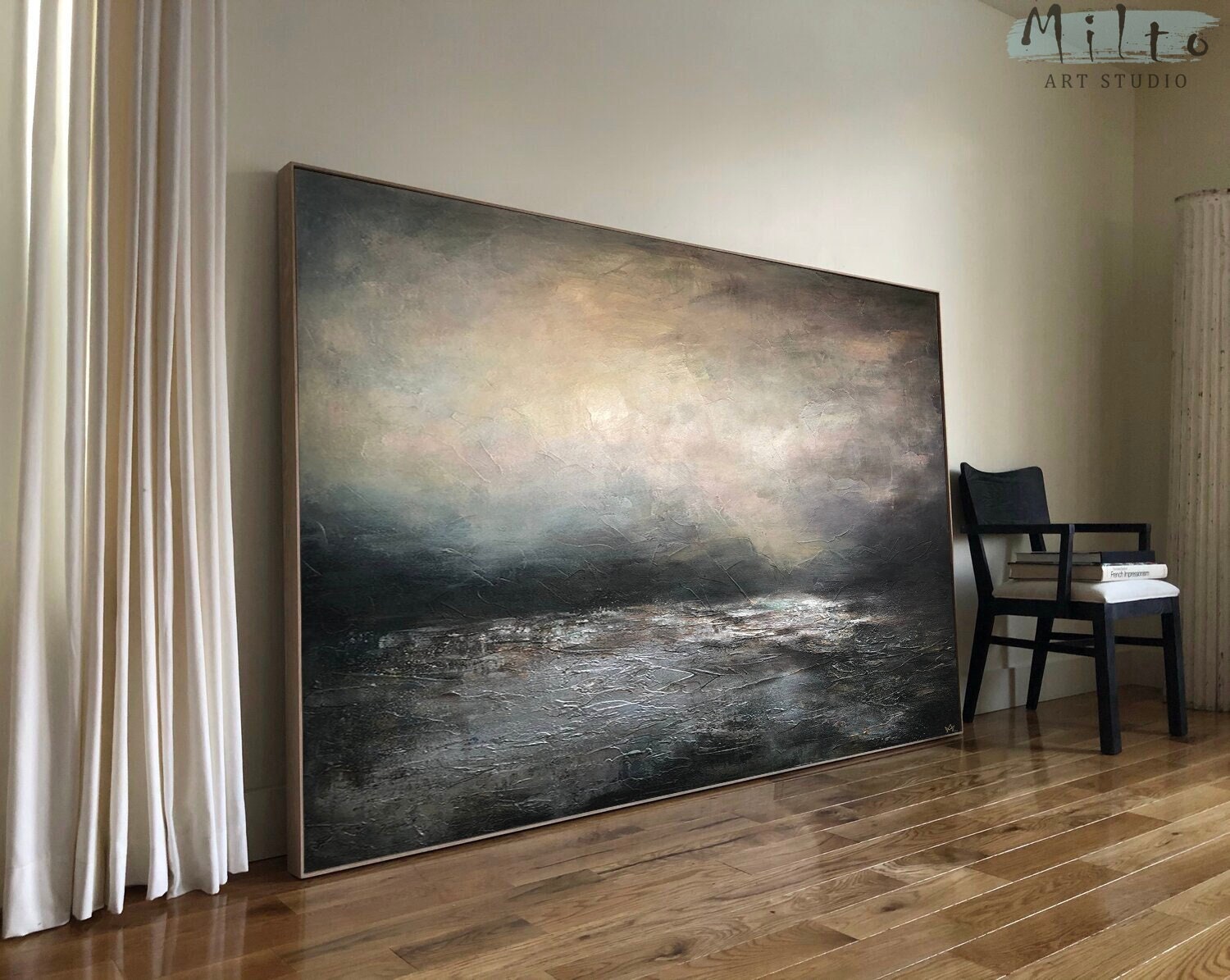
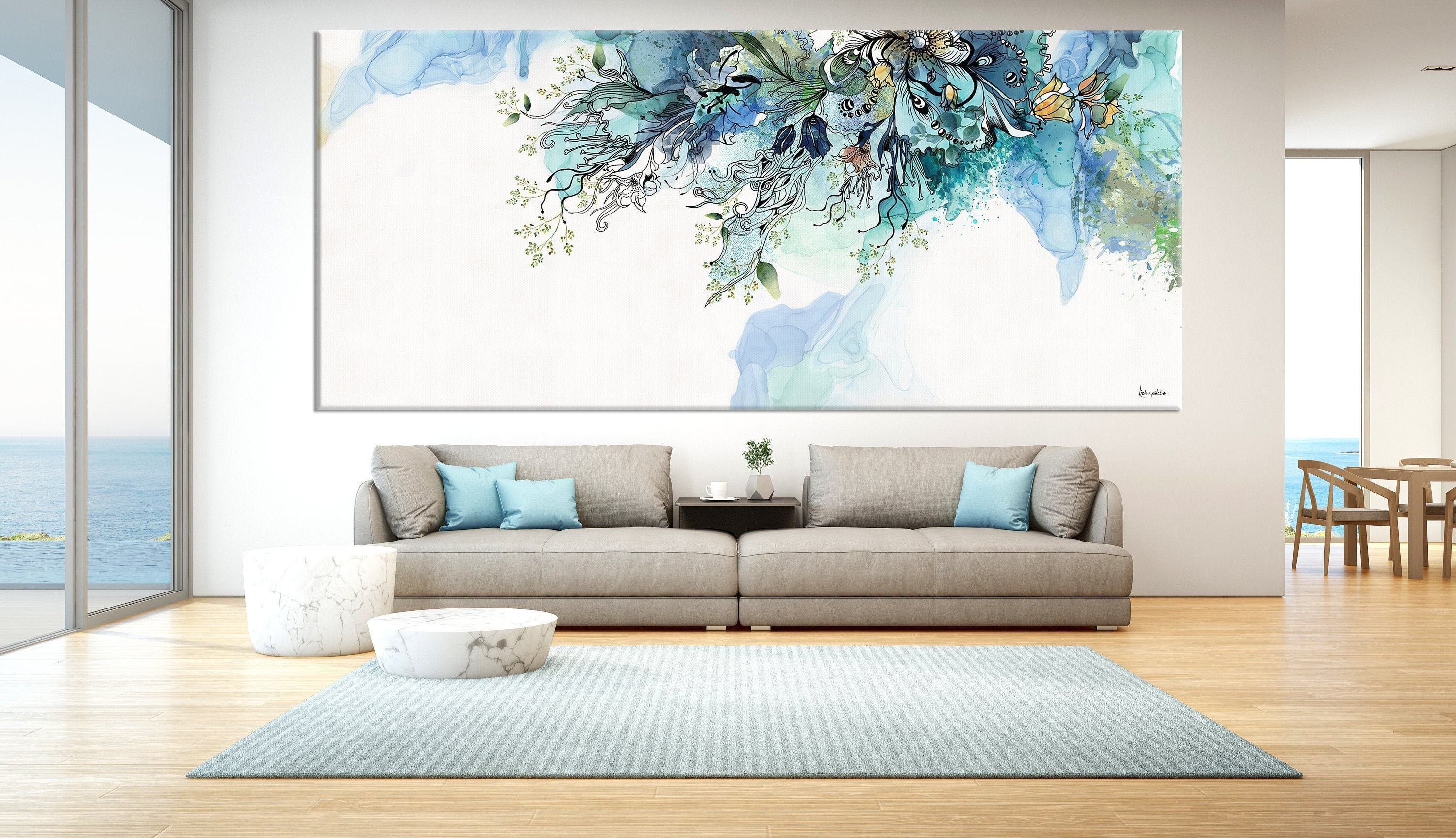
Art work xl designates oversized visual canvases and expansive printable templates designed to engage children in gross-motor artistic expression, spatial exploration, and advanced proportional scaling. According to the National Association for the Education of Young Children (NAEYC), large-scale creative formats significantly enhance bilateral coordination, core muscle stability, and spatial awareness during crucial developmental phases. Expanding physical drawing boundaries allows young learners to transition from tight wrist movements to fluid, full-arm gestures necessary for foundational visual literacy. Exploring expansive visual surfaces builds confidence, encourages collaborative group projects, and bridges the gap between abstract thinking and physical creation through curated resources such as Art Activities.
Visual Learning & Skill Snapshot:
- Core Focus: Large-format printable visual templates designed for full-body engagement and scale mastery.
- Target Skill: Spatial reasoning, gross-motor integration, proportional visualization, and collaborative design.
- Key Recommendation: Tape multiple standard sheets together or utilize oversized printing formats to encourage fluid, uninhibited mark-making.
Core Principles and Learning Overview
Oversized visual formats dismantle the physical constraints typically imposed by standard letter-sized paper, enabling children to utilize whole-body mechanics while drawing, painting, and designing. Direct engagement with expansive canvases fosters enhanced visual-spatial problem-solving, as creators must mentally calculate proportions across a broader field of vision. When integrating materials like Drawing Worksheets into large-format configurations, educators observe heightened student participation, prolonged attention spans, and deeper immersion in complex geometric and organic shapes.
Key Specifications and Breakdown
| Age / Learning Stage | Visual Skill & Ratio | Pedagogical Application & Scaffolding |
|---|---|---|
| Early Toddlers (Ages 2-4) | Unconstrained gross-motor arm sweeps; bilateral coordination. | Provide floor-level mural prompts that eliminate wrist strain and encourage free expression. |
| Preschool (Ages 4-6) | Proportional scaling and spatial awareness across a wide axis. | Utilize structured outline templates paired with varied drawing mediums to build boundary control. |
| Early Elementary (Ages 6-9) | Advanced perspective, detailed line work, and collaborative design. | Incorporate multi-panel printable geometric compositions and complex storytelling murals. |
Expansive creative media utilization promotes superior executive function, spatial planning, and fine-motor endurance in developing children. — National Art Education Association (NAEA). Related guide: Drawing Worksheets Adults.
Step-by-Step Practical Application and Guidelines
Implementing oversized creative projects requires strategic preparation of the physical workspace and careful selection of printing or assembly methods. Educators and parents should begin by securing heavy-weight paper surfaces to vertical walls or low-pile carpeted floors to prevent shifting during intensive mark-making sessions. When utilizing multi-page printable PDFs, align registration marks precisely using low-tack adhesive tape before introducing oil pastels, broad-tip markers, or watercolors to the canvas. Seamless integration of detailed projects can be further supported by pairing murals with specialized Coloring Pages for warm-up exercises.
Common Challenges and How to Avoid Them
Young learners frequently encounter physical fatigue or spatial disorientation when transitioning from small worksheets to expansive visual surfaces. Educators can mitigate physical strain by alternating between vertical wall displays and horizontal floor layouts, which engage different muscle groups and maintain engagement. Providing distinct visual anchors and clear boundary lines prevents spatial overwhelm, ensuring children maintain proportional control over their comprehensive designs without losing track of central focal points.
💬 Frequently Asked Questions
Conclusion and Next Steps
Incorporating expansive creative formats into daily learning routines transforms standard drawing exercises into dynamic physical and cognitive experiences. By utilizing structured templates and purposeful workspace management, educators cultivate lasting visual literacy and artistic confidence in young learners. Explore further developmental resources, structural guides, and imaginative templates by visiting the complete collection of Printable Crafts at ColorLeaf Studio.
Visual Reference Gallery