Introduction
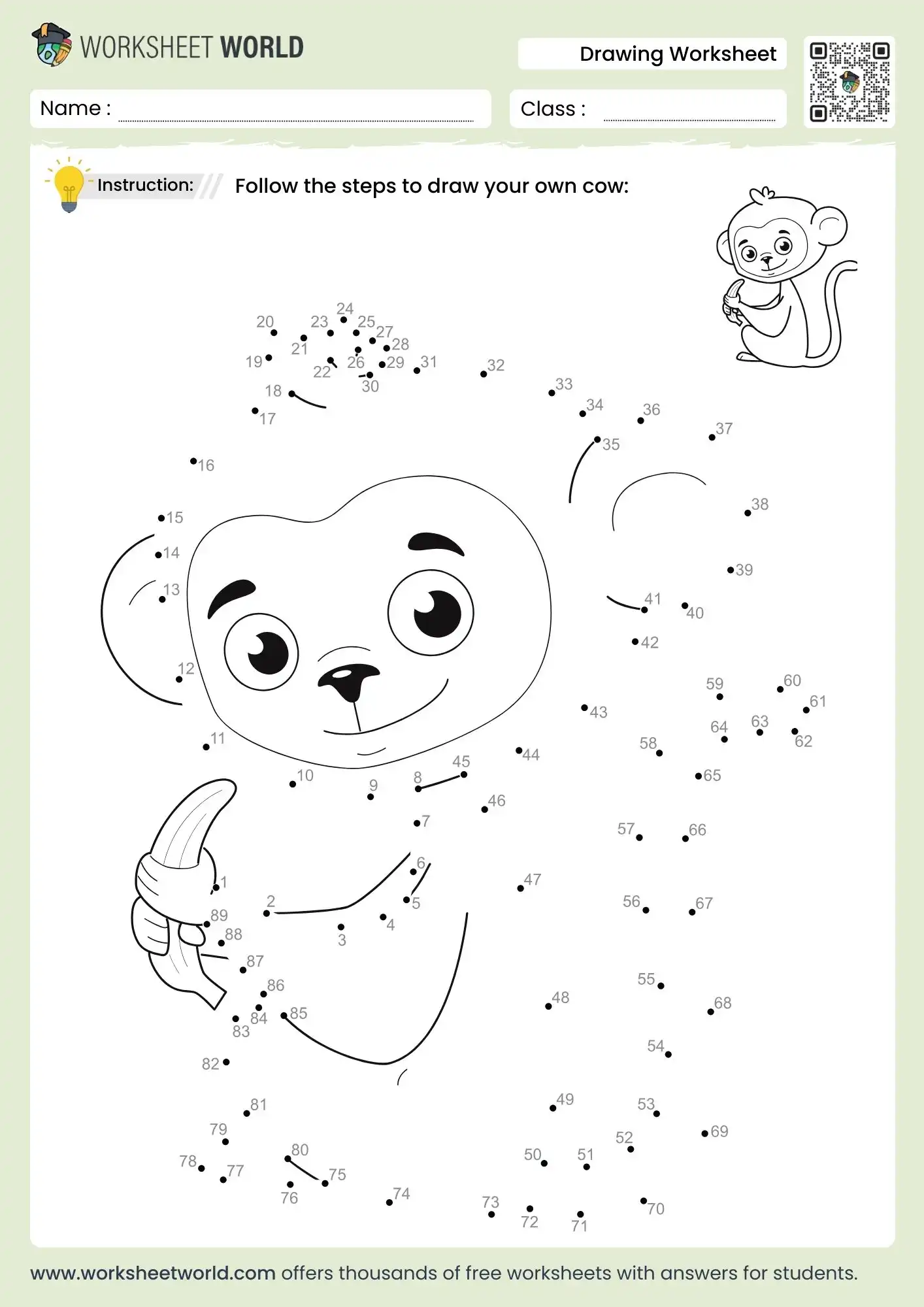
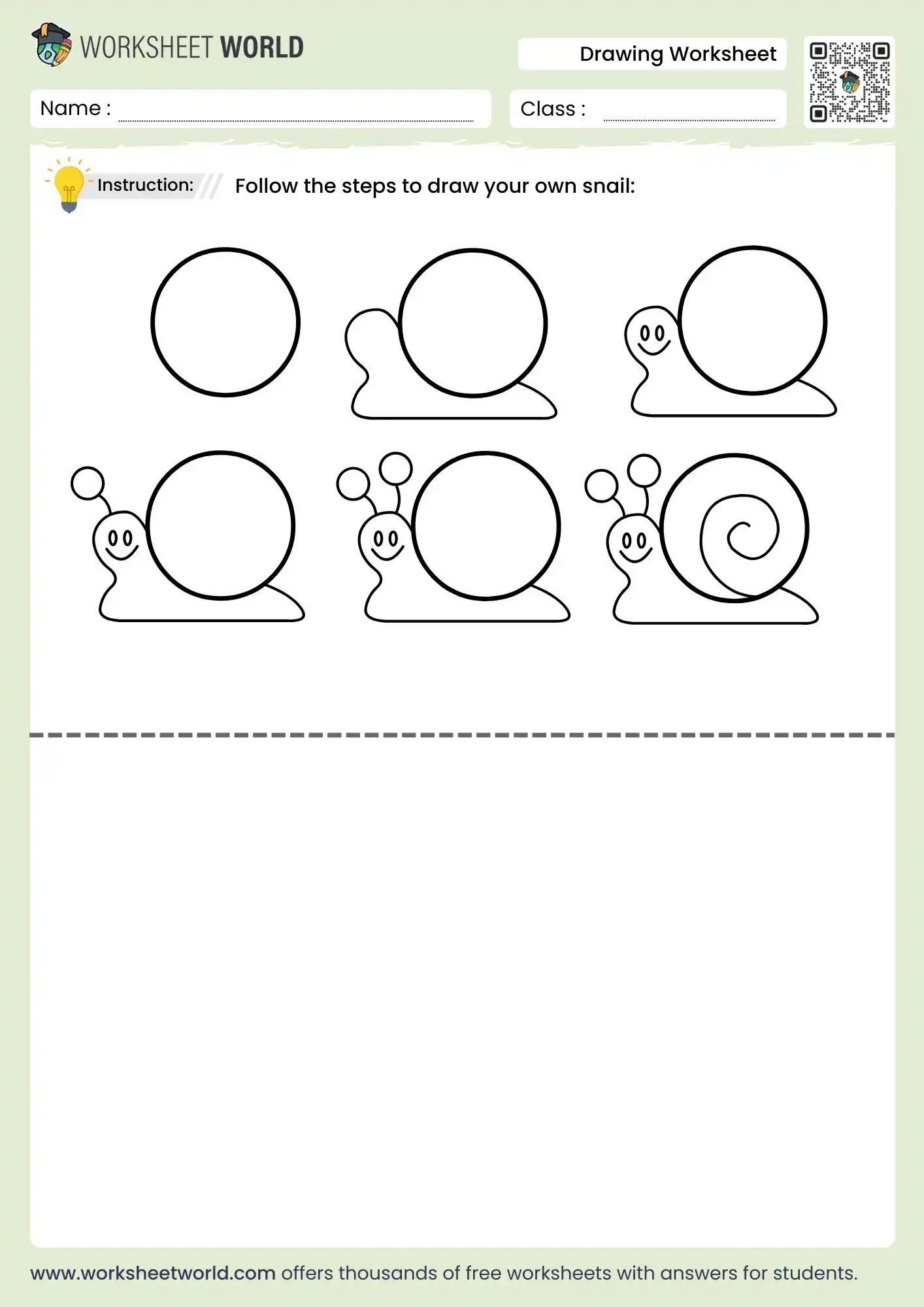
Art project y functions as an integrated visual learning framework designed to build essential fine-motor control, spatial mapping, and cognitive problem-solving abilities in early childhood education. According to the National Art Education Association (NAEA), sequential visual arts instruction significantly enhances structural thinking and creative resilience in young learners. By merging structured geometric templates with open-ended expression, educators can foster advanced observational skills. Such methodologies seamlessly complement dynamic curricula utilizing Art Activities to reinforce foundational developmental milestones.
Visual Learning & Skill Snapshot:
- Core Focus: Systematic spatial execution of art project y through guided printable templates and structural drawing prompts.
- Target Skill: Bilateral hand-eye coordination, contour tracking, proportion estimation, and visual discrimination.
- Key Recommendation: Pair high-contrast printable outlines with tactile mediums to anchor abstract visual concepts into physical reality.
Core Principles and Learning Overview
Art project y centers on scaffolded visual literacy, shifting children from passive observation to active spatial manipulation. Direct answer: The foundational objective is to develop cognitive schema through controlled line tracing, geometric scaling, and intentional color placement. When children engage with these structured templates, the developing brain forms vital neural connections governing visual-spatial orientation. These competencies form a reliable bridge toward mastering complex techniques found within Drawing Worksheets and complementary geometric design tasks.
Key Specifications and Breakdown
| Age / Learning Stage | Visual Skill & Ratio | Pedagogical Application & Scaffolding |
|---|---|---|
| Ages 3-4 (Early Explorer) | Macro-motor tracking & primary contour awareness | Use thick boundary lines and tactile finger-tracing prior to introducing writing utensils. |
| Ages 5-6 (Developing Artist) | Bilateral symmetry & intermediate proportion mapping | Implement multi-step templates encouraging symmetrical pattern replication and color blending. |
| Ages 7-8 (Advanced Beginner) | Fine-motor precision & negative space awareness | Incorporate complex structural grids requiring independent line completion and detail refinement. |
Early art experiences that integrate structured graphic templates with open-ended creative choices significantly accelerate visual-spatial literacy and cognitive flexibility in young learners. — National Art Education Association (NAEA). Related guide: Drawing Worksheets For Grade 1.
Step-by-Step Practical Application and Guidelines
Implementing art project y effectively requires preparing the workspace, selecting appropriate substrates, and sequencing the creative steps logically. Direct answer: Begin by printing the designated activity template on heavy-weight cardstock to prevent tearing and bleeding from wet mediums. Next, guide learners through a collaborative boundary observation exercise, prompting them to identify key focal points before applying color or ink. Educators should encourage deliberate pacing, allowing children to explore various textures through Printable Crafts that extend the central theme into three-dimensional applications.
Common Challenges and How to Avoid Them
Young learners frequently struggle with boundary adherence, grip fatigue, and proportion distortion during complex visual tasks. Direct answer: Overcome these hurdles by downsizing the working area, utilizing ergonomic writing grips, and breaking multi-step visual exercises into manageable twenty-minute increments. When children experience frustration with fine details, introduce high-contrast visual guides that clearly demarcate positive and negative space. Providing structured alternative options like detailed Coloring Pages can also alleviate perfectionism by focusing the session entirely on tactile enjoyment.
💬 Frequently Asked Questions
Conclusion and Next Steps
Mastering art project y provides children with a sturdy foundation in visual communication, patience, and structural confidence. Educators and parents can expand upon these core learning milestones by exploring additional curated resources and hands-on concepts available directly through ColorLeaf Studio.
Visual Reference Gallery