Introduction
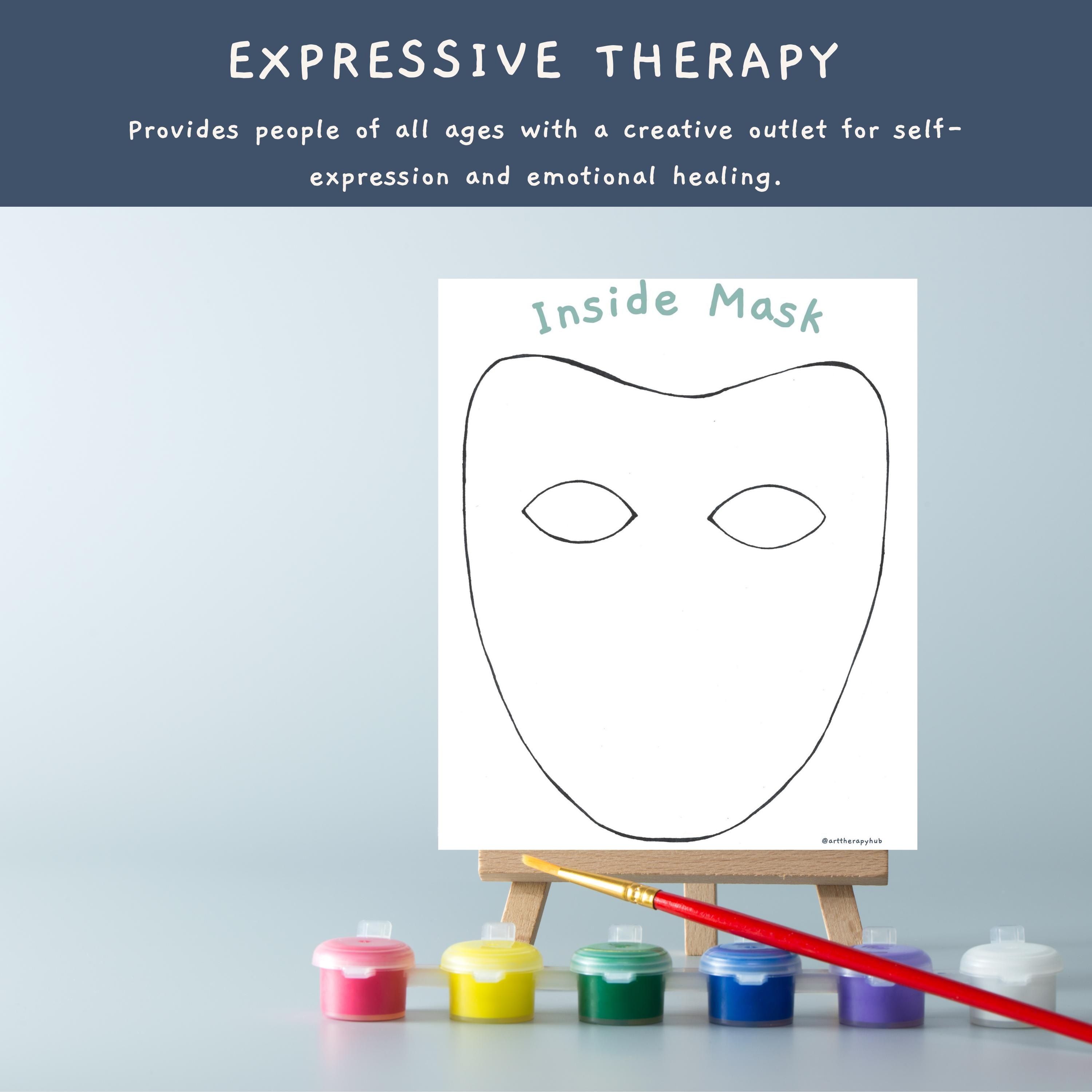
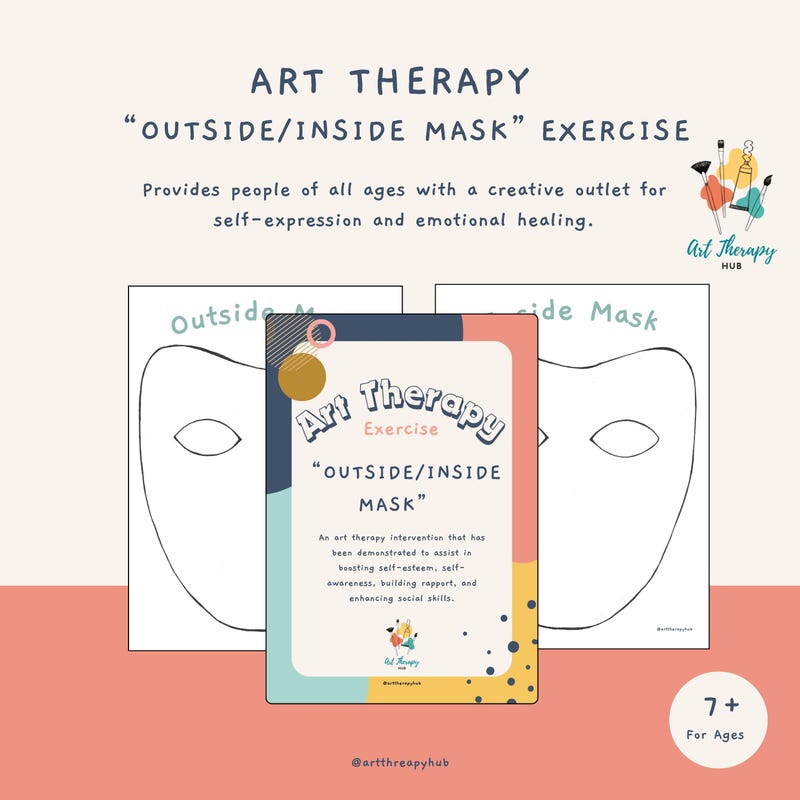
Art activity outer and inner masks represent a dual-layered creative process where young learners design a visible exterior face alongside a concealed interior landscape representing personal emotions, identity, and inner thoughts. According to the National Art Education Association (NAEA), intentional artmaking experiences that combine physical construction with emotional reflection significantly enhance self-regulation, spatial reasoning, and visual literacy in early childhood. Utilizing structured Art Activities within a curriculum offers children a tangible method to process complex internal states through structured design, symmetry exercises, and symbolic representation.
Visual Learning & Skill Snapshot:
- Core Focus: Designing physical dual-sided masks that contrast exterior social presentation with interior emotional processing.
- Target Skill: Spatial awareness, symbolic color association, fine-motor scissor control, and self-reflection.
- Key Recommendation: Scaffold the activity by introducing foundational Drawing Worksheets before cutting cardstock templates.
Core Principles and Learning Overview
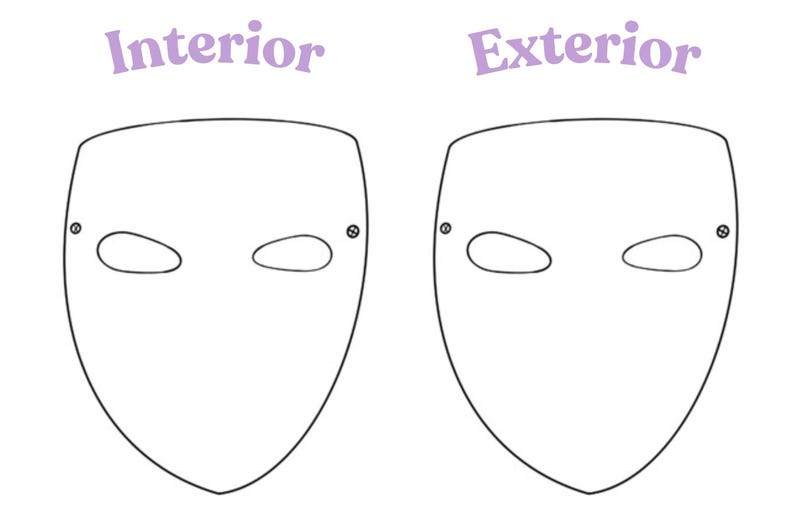
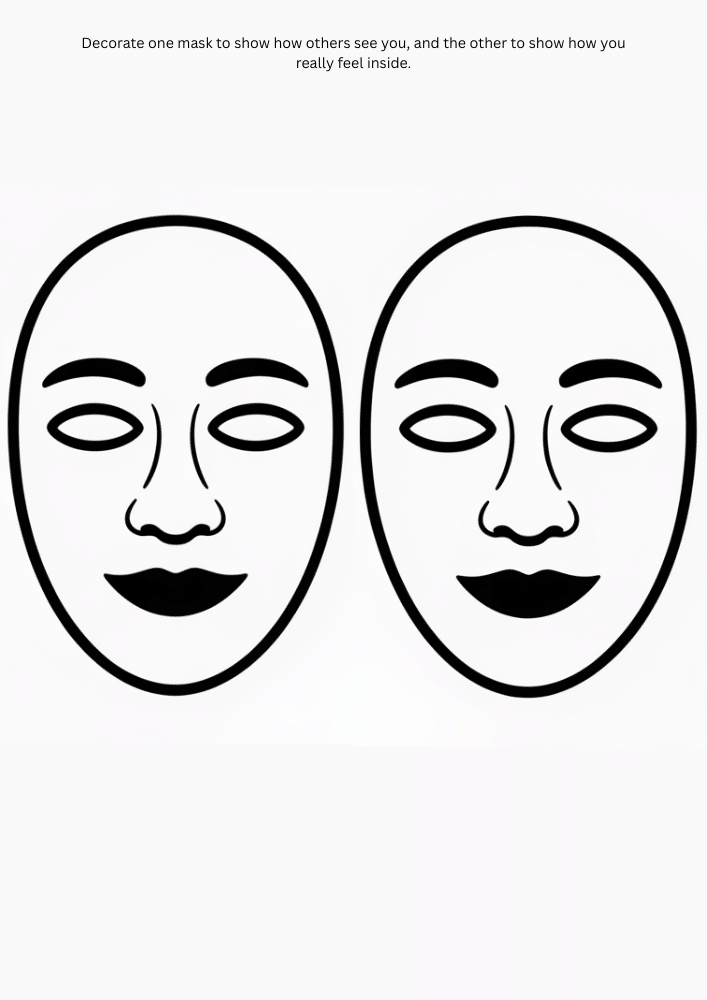
Art activity outer and inner masks bridge concrete visual-motor coordination with abstract emotional intelligence by requiring learners to translate intangible concepts into physical forms. The outer mask typically utilizes bold geometric patterns, social expressions, and high-contrast color theory found in traditional Coloring Pages to represent how the creator interacts with the external environment. Conversely, the inner surface utilizes abstracted symbols, fluid lines, and a muted or vibrant palette to depict internal feelings, dreams, and private thoughts. This layered approach supports cognitive development by encouraging children to balance two-dimensional pattern work with three-dimensional hinging, folding, and overlapping techniques.
Key Specifications and Breakdown
| Age / Learning Stage | Visual Skill & Ratio | Pedagogical Application & Scaffolding |
|---|---|---|
| Ages 4–6 (Early Elementary) | Symmetrical placement and primary color blocking | Use pre-drawn templates from Printable Crafts to focus purely on tactile painting and simple folding. |
| Ages 7–9 (Mid Elementary) | Proportional balance and symbolic line work | Incorporate multi-media collages, yarn textures, and contrasting color palettes for exterior versus interior surfaces. |
| Ages 10+ (Advanced Primary) | Complex spatial perspective and metaphorical design | Allow independent template scaling, intricate cut-outs, and narrative-driven reflective writing prompts. |
Integrating tactile art tasks with emotional reflection fosters higher-order cognitive processing, bilateral motor integration, and empathetic communication among developing learners. — National Art Education Association (NAEA). Related guide: Drawing Worksheets Adults.
Step-by-Step Practical Application and Guidelines
Implementing art activity outer and inner masks successfully requires a sequential setup that separates mechanical cutting from expressive mark-making. Begin by distributing heavy cardstock templates featuring matching hinge flaps, ensuring the exterior and interior surfaces align correctly when folded together. Instruct learners to use oil pastels, markers, or watercolor paints on the outer surface first, focusing on public symbols, social expectations, and visible geometric shapes. Next, open the hinge and guide participants to fill the inner surface with abstract watercolor washes, secret symbols, and words or imagery reflecting private emotions. Finally, secure structural reinforcements around eyeholes and attachment bands using reinforced cardstock strips or yarn ties.
Common Challenges and How to Avoid Them
Structural instability and cognitive overload during the design phase represent the most frequent obstacles encountered during mask-making projects. To prevent heavy wet media from warping the cardstock foundation, educators should mandate dry-medium blocking or lightweight washes before structural folding occurs. When children struggle to separate the concepts of public versus private representation, facilitators should introduce guided storytelling exercises or visual character studies to clarify symbolic translation. Ensuring that eyeholes are pre-punched or clearly outlined prior to detailed decoration also prevents accidental damage to finished artwork.
💬 Frequently Asked Questions
Conclusion and Next Steps
Engaging young learners in mindful creative explorations empowers them to articulate complex internal experiences through structured visual mediums. Exploring curated printable resources provides educators and parents with the ideal foundation to expand creative curricula; discover additional downloadable guides and project ideas within the extensive Art Activities collection.
Visual Reference Gallery