Introduction
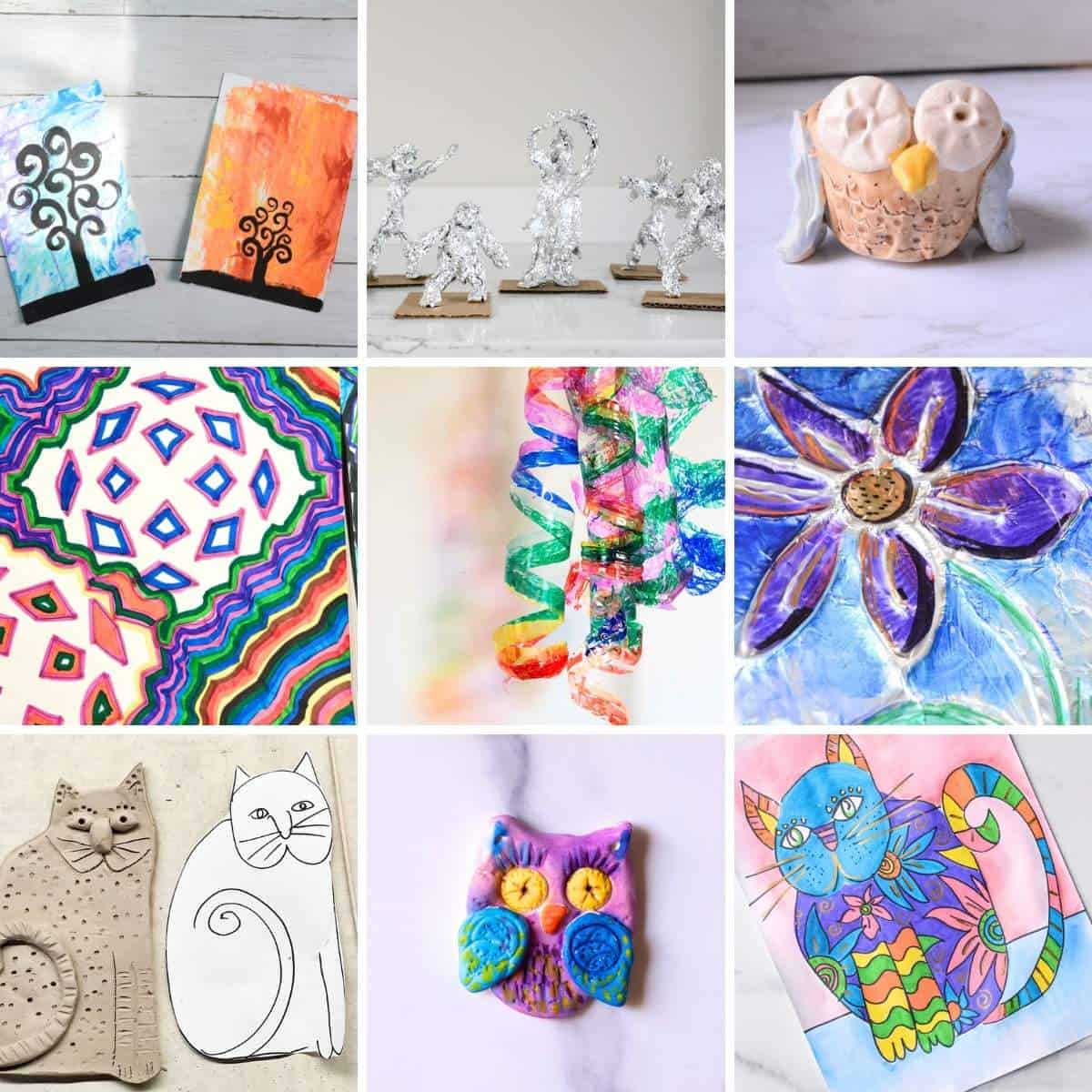
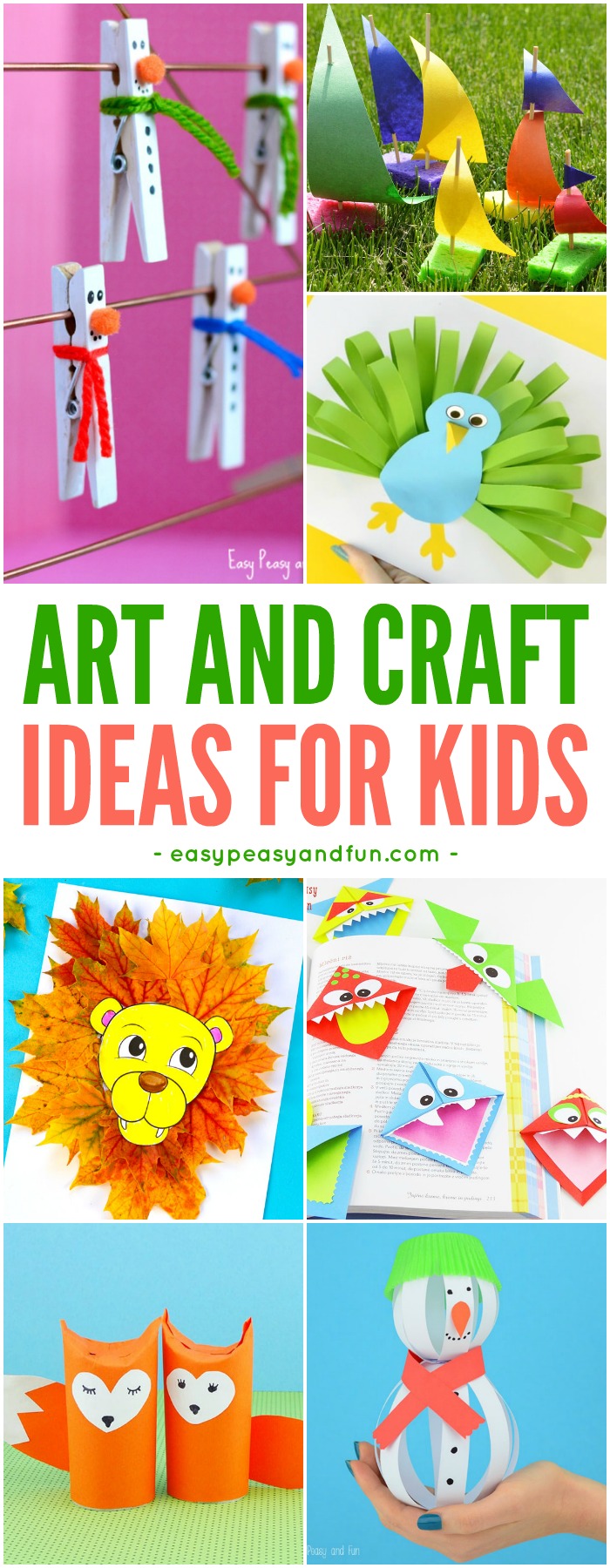
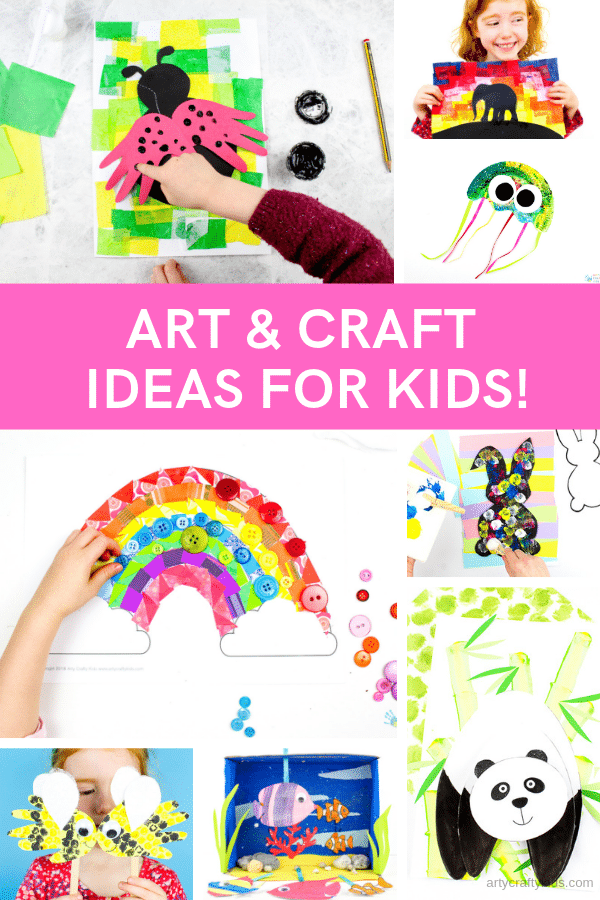
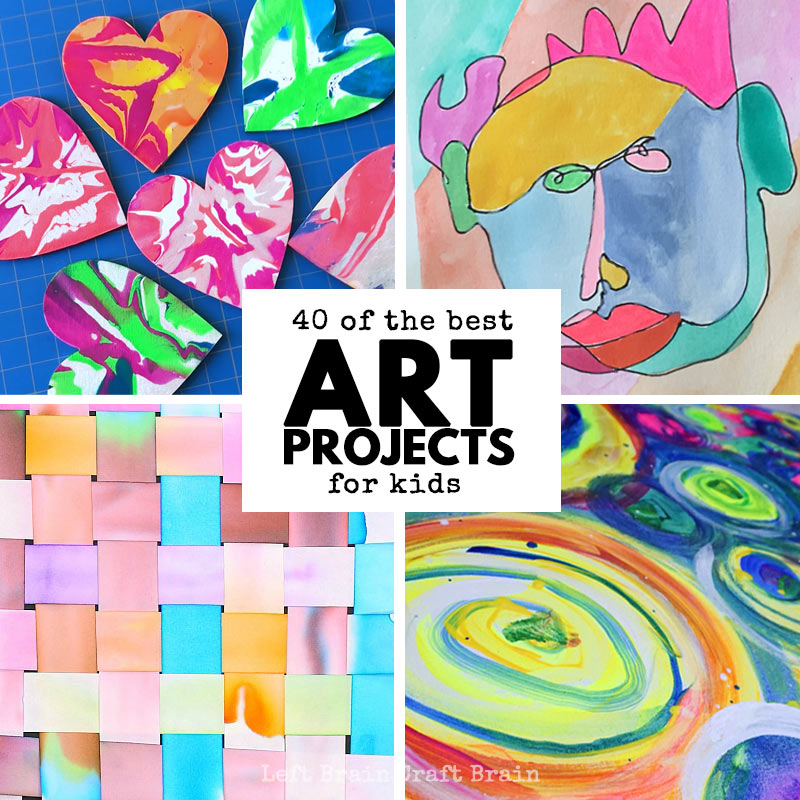
Art ideas kids rely upon are purposeful, hands-on creative frameworks that build fundamental cognitive architectures, fine-motor coordination, and spatial intelligence during early childhood development. According to the National Art Education Association (NAEA), structured visual arts instruction directly enhances critical thinking, encourages visual literacy, and fosters problem-solving capabilities in early elementary learners. Fulfilling educational requirements demands dynamic resources that seamlessly bridge structured studio instruction with independent creative expression. Utilizing targeted Art Activities provides children with the scaffolding necessary to experiment safely with composition, color theory, and material manipulation.
Visual Learning & Skill Snapshot:
- Core Focus: Implementation of developmentally appropriate art ideas kids for cognitive and motor growth.
- Target Skill: Fine-motor control, spatial reasoning, visual discrimination, and creative problem-solving.
- Key Recommendation: Combine structured printable resources with open-ended materials to maximize creative autonomy.
Core Principles and Learning Overview
Art ideas kids engage with must integrate multi-sensory experiences that honor distinct developmental milestones, ranging from toddler scribbling stages to early elementary schematic drawing phases. Directing children toward balanced visual challenges strengthens the neural pathways responsible for hand-eye coordination, bilateral integration, and symbolic representation. Educators and parents amplify these developmental gains by introducing targeted exercises that incorporate structured Drawing Worksheets, allowing learners to master pencil grip, line weight control, and geometric proportion step by step.
Key Specifications and Breakdown
| Age / Learning Stage | Visual Skill & Ratio | Pedagogical Application & Scaffolding |
|---|---|---|
| Ages 3-4 (Preschool) | Gross motor movement to controlled grip; basic shape recognition. | Utilize large-format Coloring Pages with bold outlines to build wrist stability. |
| Ages 5-6 (Kindergarten) | Spatial placement, baseline awareness, and proportional scaling. | Implement guided tracing exercises to teach linear perspective and boundaries. |
| Ages 7-8 (Early Elementary) | Complex pattern replication, multi-step planning, and spatial layering. | Introduce multi-step Printable Crafts requiring precise cutting and folding. |
Early childhood art education must prioritize process-based exploration over rigid aesthetic outcomes to support healthy psychological development and executive function. — National Art Education Association (NAEA). Related guide: Drawing Worksheets Adults.
Step-by-Step Practical Application and Guidelines
Executing successful art ideas kids sessions requires a meticulously prepared physical environment equipped with high-contrast, easily printable templates that eliminate setup fatigue and maximize engagement time. Facilitators must begin by selecting age-appropriate visual prompts, organizing durable workspace tools, and providing clear physical demonstrations without imposing rigid aesthetic expectations. Encouraging children to verbalize their design choices while they complete printable projects deepens metacognitive processing and reinforces personal ownership over creative outputs.
Common Challenges and How to Avoid Them
Over-scaffolding creative tasks frequently leads to learner frustration, loss of intrinsic motivation, and rigid adherence to predetermined outcomes rather than genuine artistic exploration. Educators prevent this by balancing structured worksheet templates with open-ended coloring time, ensuring young artists retain the freedom to alter colors, add imaginative backgrounds, and experiment outside established boundaries without fear of error.
💬 Frequently Asked Questions
Conclusion and Next Steps
Integrating reliable, developmentally sound creative prompts transforms routine lessons into vibrant journeys of cognitive and aesthetic discovery. Exploring curated collections of Art Activities provides educators and families with endless inspiration designed to cultivate confident, imaginative young learners.
Visual Reference Gallery