Introduction
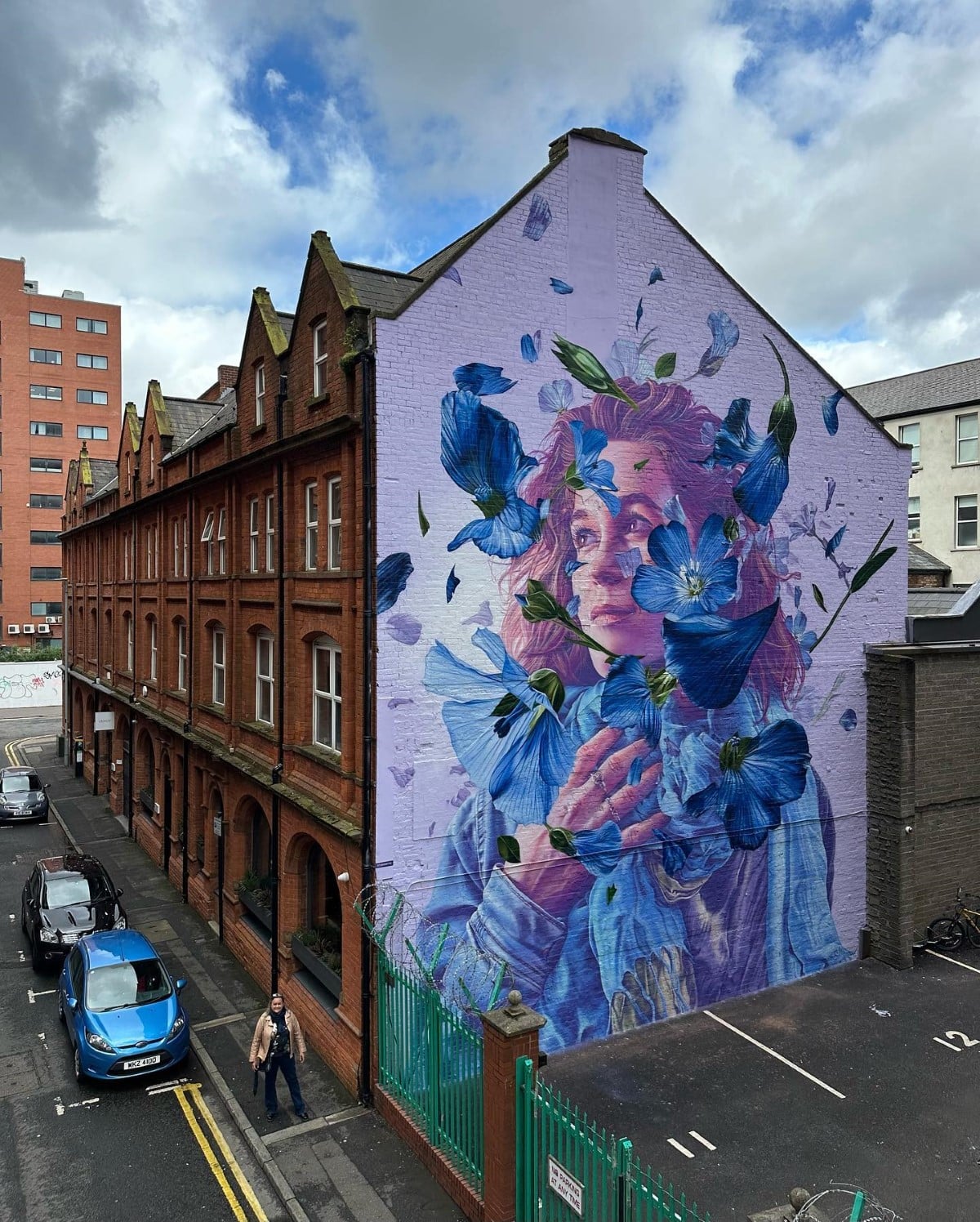
Art activities belfast serve as vital creative frameworks that merge localized cultural inspiration with foundational cognitive development for early childhood learners. According to the National Association for the Education of Young Children (NAEYC), hands-on visual arts experiences significantly enhance fine motor precision, emotional expression, and spatial problem-solving capabilities in young children. Educators, parents, and homeschoolers seeking structured enrichment can leverage curated Art Activities alongside dynamic Printable Crafts to foster deep cognitive and artistic engagement.
Visual Learning & Skill Snapshot:
- Core Focus: Structured, printable visual arts integration inspired by Northern Irish heritage and creative learning models.
- Target Skill: Spatial reasoning, visual discrimination, fine-motor proportion, and cross-curricular concept mastery.
- Key Recommendation: Combine high-contrast printable templates with tactile mediums to maximize neurological retention.
Core Principles and Learning Overview
Implementing localized visual arts frameworks requires balancing structured line work with open-ended creative exploration to support developing nervous systems. When children engage with region-inspired creative exercises, neural pathways associated with visual-spatial coordination and symbolic thinking undergo rapid strengthening. Integrating specialized Drawing Worksheets ensures that learners maintain proper pencil grip while exploring geometric shapes and organic forms. Furthermore, incorporating detailed Coloring Pages allows young minds to focus entirely on color theory, pressure control, and border containment without the cognitive overload of blank-page anxiety.
Key Specifications and Breakdown
| Age / Learning Stage | Visual Skill & Ratio | Pedagogical Application & Scaffolding |
|---|---|---|
| Ages 3–4 (Early Years) | Gross motor control to fine pincer grasp (1:1 ratio) | Utilize thick-lined templates and large-format crayons to build hand strength. |
| Ages 5–7 (Key Stage 1) | Hand-eye coordination and spatial proportion (2:1 ratio) | Introduce guided grid worksheets and symmetrical coloring challenges for precision. |
| Ages 8+ (Early Elementary) | Advanced perspective and independent composition (3:1 ratio) | Provide multi-layered craft printables requiring cutting, folding, and structural assembly. |
Early childhood art education promotes critical thinking by encouraging children to interpret visual data, experiment with cause-and-effect relationships, and solve open-ended spatial challenges independently. — National Art Education Association (NAEA)
Step-by-Step Practical Application and Guidelines
Executing effective creative sessions involves preparing a distraction-free workspace, selecting developmentally appropriate print materials, and offering process-focused verbal guidance rather than prescriptive directives. Begin by downloading high-resolution templates scaled appropriately for the target age group, ensuring standard printer paper is swapped out for heavier cardstock when structural assembly is required. Instructors should demonstrate tool handling—such as safety scissors or blending markers—before allowing independent exploration. Emphasize the artistic process over the final product by asking open-ended questions about color choices, line direction, and texture, thereby reinforcing independent critical thinking and self-assessment skills.
Common Challenges and How to Avoid Them
Preventing frustration during creative sessions requires anticipating common developmental hurdles such as hand fatigue, fine motor anxiety, and sensory overload with complex patterns. Educators and parents can mitigate these challenges by moderating session lengths to match children’s attention spans, starting with minimalist geometric designs before introducing intricate thematic imagery. When learners struggle with spatial boundaries or proportions, temporary visual cues, such as colored dot markers or directional arrows on worksheets, help guide the eye without restricting creative freedom. Establishing a calm, encouraging environment ensures that every child perceives art as an inviting exploration rather than an intimidating test of perfection.
💬 Frequently Asked Questions
Conclusion and Next Steps
Embracing creative educational frameworks provides children with the essential tools needed for lifelong cognitive growth, emotional regulation, and spatial intelligence. Educators, parents, and caregivers can easily expand their pedagogical toolkits by downloading premium, expertly designed resources directly from the Art Activities archive at ColorLeaf Studio.
Visual Reference Gallery