Introduction
The xad art center represents a structured instructional framework designed to cultivate early childhood spatial reasoning, line control, and cognitive visual processing through guided creative exercises. According to the National Art Education Association (NAEA), intentional visual arts instruction directly enhances neurological connectivity and supports critical thinking in early childhood development. By organizing physical or digital creative modules—such as those found within specialized Art Activities—educators establish consistent environments where young learners explore structural forms, pattern recognition, and precise motor coordination. This specialized pedagogical approach bridges free-form expression with targeted developmental milestones, ensuring that foundational art experiences yield measurable improvements in dexterity and focus.
Visual Learning & Skill Snapshot:
- Core Focus: Systematic implementation of structural visual art modules for early cognitive enhancement.
- Target Skill: Spatial reasoning, visual discrimination, fine-motor proportion, and concept mastery.
- Key Recommendation: Rotate structured templates regularly to sustain high engagement and continuous motor skill adaptation.
Core Principles and Learning Overview
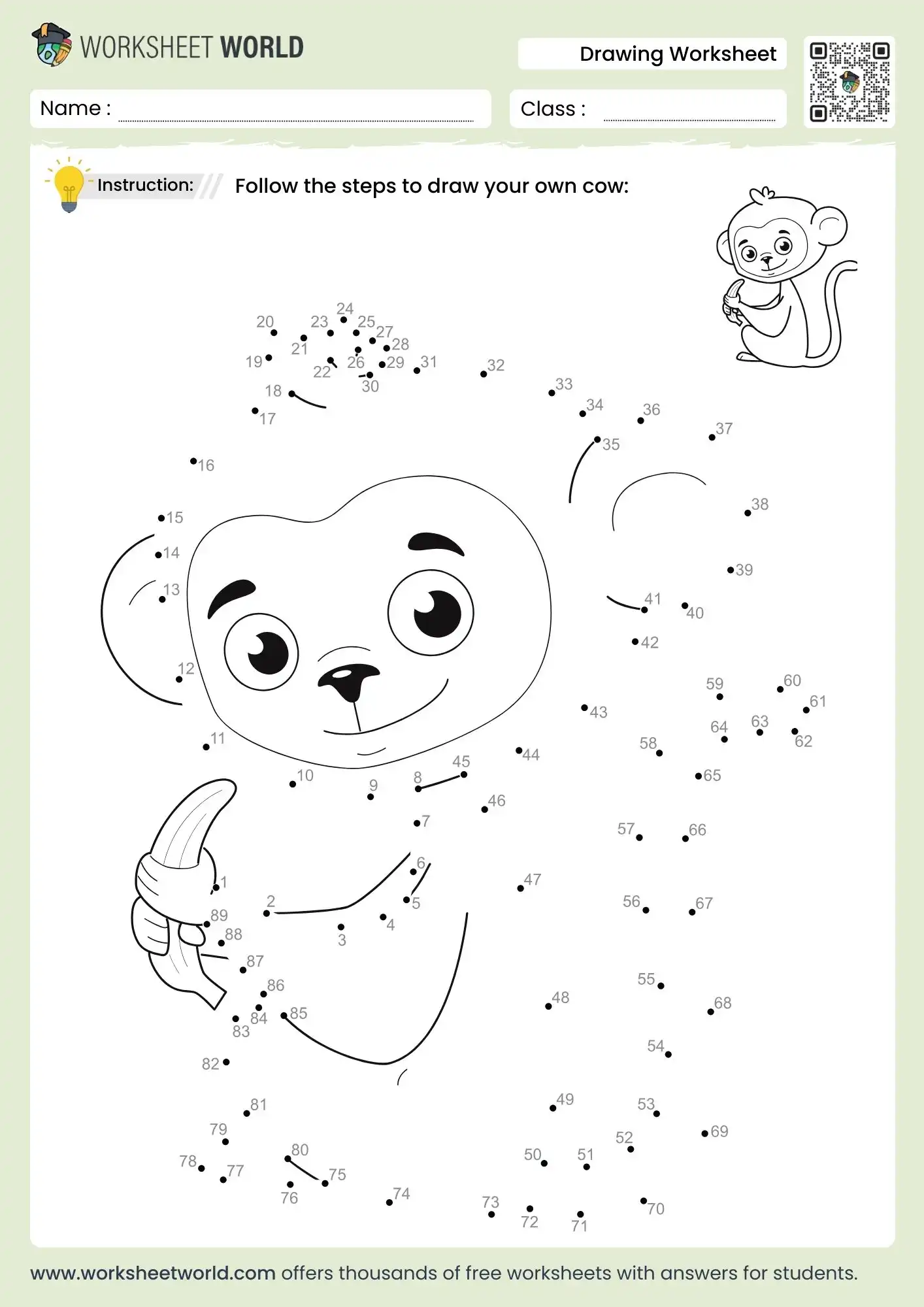
Structured studio models establish predictable routines that significantly reduce cognitive overload during complex creative tasks. A well-designed visual hub incorporates varied geometric patterns, balanced symmetry exercises, and progressive skill challenges that transition learners from basic contour tracing to advanced composition. Utilizing targeted Drawing Worksheets within this framework reinforces hand-eye coordination, pencil grip stamina, and visual proportion awareness. Educators and parents optimize developmental outcomes by aligning printable materials with specific age brackets, ensuring that cognitive load matches current neurological development without inducing frustration.
Key Specifications and Breakdown
| Age / Learning Stage | Visual Skill & Ratio | Pedagogical Application & Scaffolding |
|---|---|---|
| Ages 3–4 (Early Preschool) | Gross motor control, basic contour recognition, 1:1 shape mapping. | Employ high-contrast outlines and minimal geometric distractions to build confidence. |
| Ages 5–6 (Kindergarten) | Fine motor precision, pattern continuation, symmetrical balance. | Integrate structured Coloring Pages to teach boundary awareness and color theory. |
| Ages 7–8 (Early Elementary) | Advanced perspective, spatial layering, compositional balance. | Incorporate multi-step Printable Crafts that require cutting, folding, and structural assembly. |
Structured visual art engagement fosters critical cognitive development, spatial awareness, and self-regulation in early childhood learners. — National Art Education Association (NAEA). Related guide: Drawing Worksheets Adults.
Step-by-Step Practical Application and Guidelines
Implementing a dedicated creative corner requires careful spatial organization, high-quality printing stock, and clearly sorted writing utensils to maximize instructional efficiency. Begin by selecting age-appropriate templates, ensuring that paper weight supports varied mediums such as crayons, markers, or watercolors without bleeding through. Establish a predictable sequence where learners first examine the overall layout, identify key structural lines, and execute strokes from top-to-bottom and left-to-right. Consistent station routines minimize transition times and cultivate independent work habits among young students in both homeschool environments and traditional classrooms.
Common Challenges and How to Avoid Them
Common obstacles in early visual arts instruction include premature hand fatigue, frustration with complex borders, and rushing through intricate details. Mitigate grip fatigue by utilizing ergonomic writing tools and breaking longer sessions into manageable ten-minute intervals. When children encounter overly complex visual patterns, scaffold the experience by highlighting starting points with distinct color markers or providing partially completed reference models. Maintaining a positive, process-oriented environment ensures that learners focus on skill acquisition rather than perfectionism.
💬 Frequently Asked Questions
Conclusion and Next Steps
Integrating focused visual methodologies transforms standard creative hours into robust cognitive development sessions that build lifelong learning competencies. Educators and parents are encouraged to explore curated Art Activities to immediately expand classroom repertoires and inspire young creators.
Visual Reference Gallery