Introduction
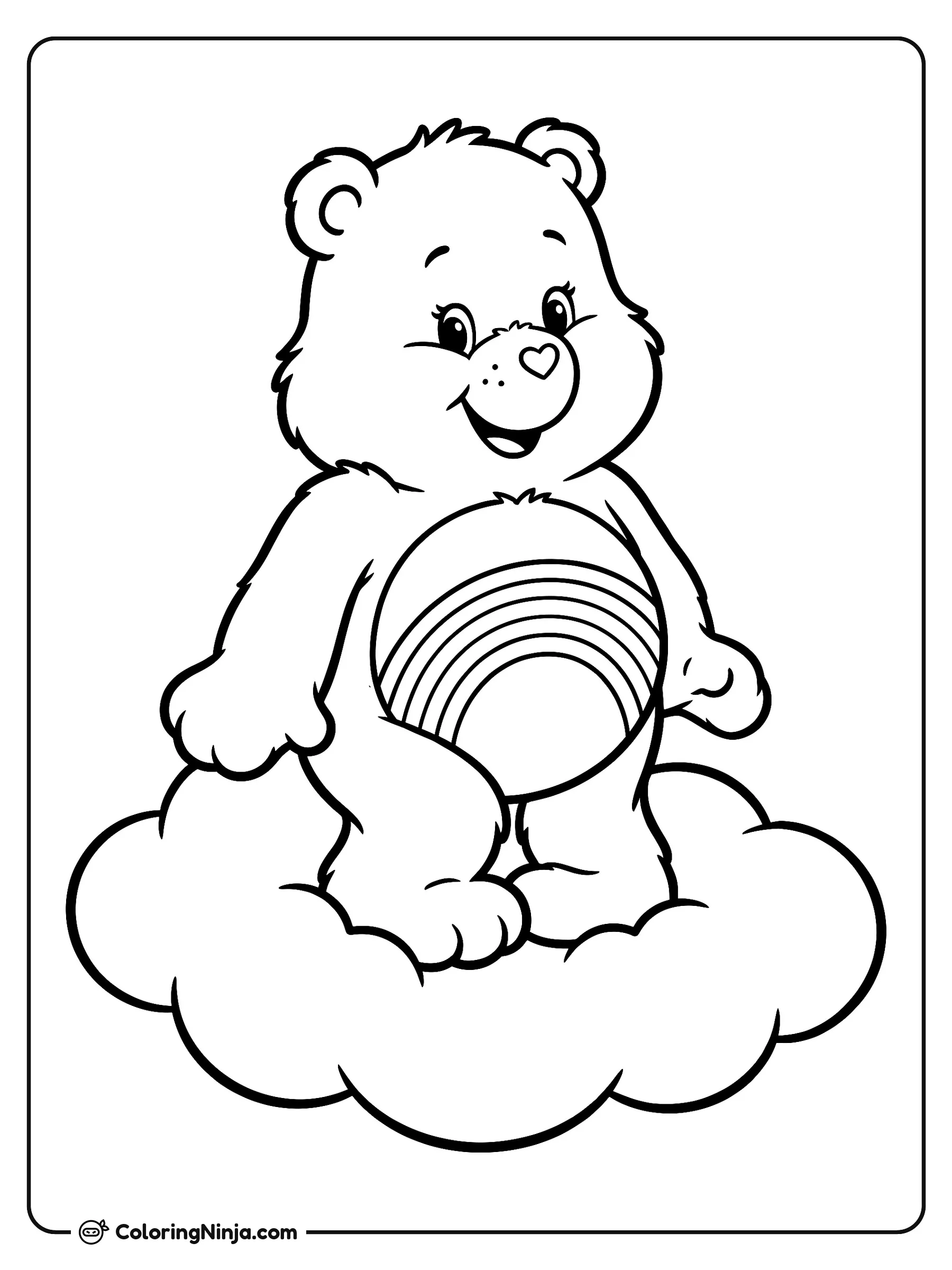
Coloring pages bear structured visual templates serve as foundational tools for developing fine-motor control, spatial awareness, and cognitive categorization in early childhood education. According to the National Association for the Education of Young Children (NAEYC), purposeful manipulation of structured graphical outlines directly supports the refinement of small hand muscles necessary for early literacy and writing readiness. Integrating these resources alongside Coloring Pages collections expands children’s capacity for focused attention, color exploration, and organic artistic expression within structured classroom and home environments.
Visual Learning & Skill Snapshot:
- Core Focus: Utilizing thematic bear illustrations to foster fine-motor control, cognitive shape recognition, and artistic confidence.
- Target Skill: Spatial reasoning, visual discrimination, fine-motor proportion, and bilateral hand coordination.
- Key Recommendation: Select varied complexity levels matching the precise developmental stage of the young artist to prevent cognitive overload.
Core Principles and Learning Overview
Bear-themed artistic templates provide concrete animal recognition frameworks that assist children in mapping complex biological forms into simplified geometric shapes. Direct engagement with these graphical outlines encourages careful boundary observation, pressure control during shading, and deliberate color planning. Educators and caregivers can pair these resources with Drawing Worksheets to transition children seamlessly from passive coloring to active observational sketching and self-directed illustration.
Key Specifications and Breakdown
| Age / Learning Stage | Visual Skill & Ratio | Pedagogical Application & Scaffolding |
|---|---|---|
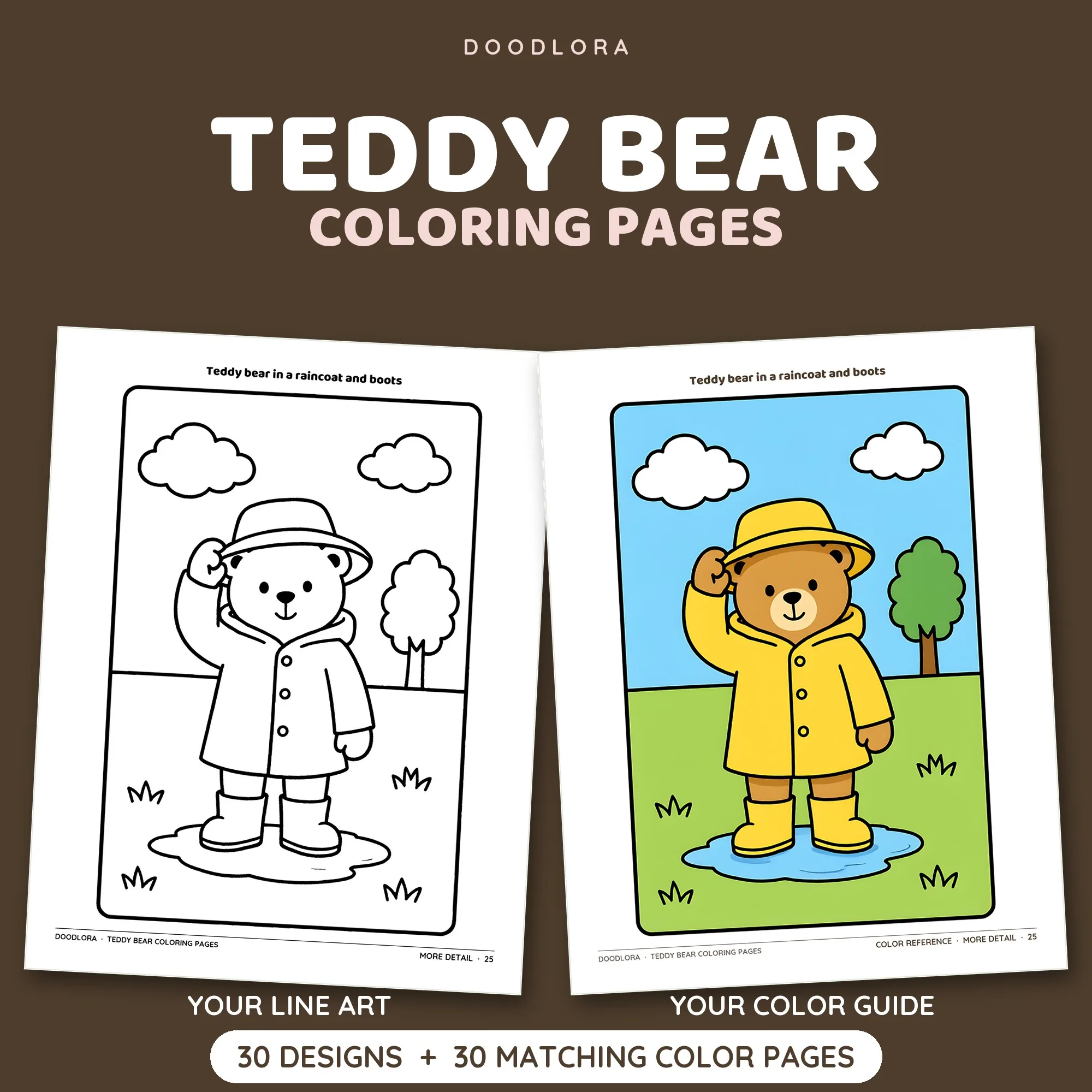
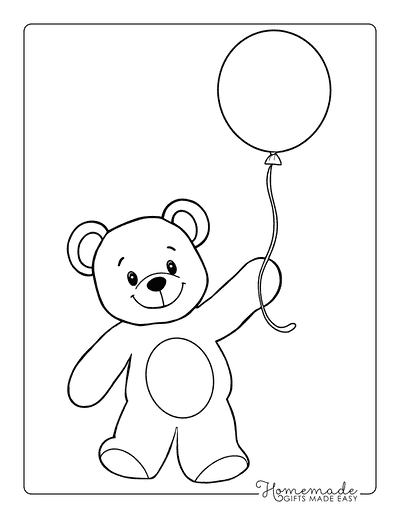
| Ages 3-4 (Early Explorer) | Thick outlines, large geometric bear shapes, minimal internal details. | Focuses on gross motor control, hand strength, and basic color-to-area mapping. |
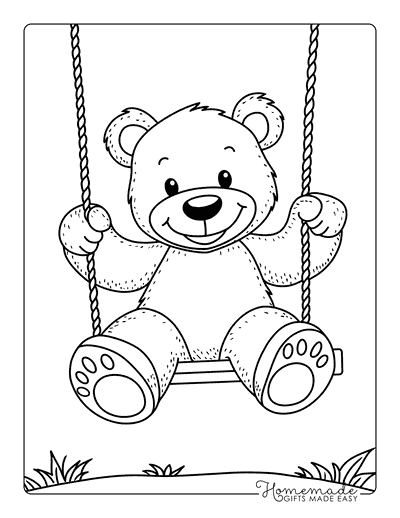
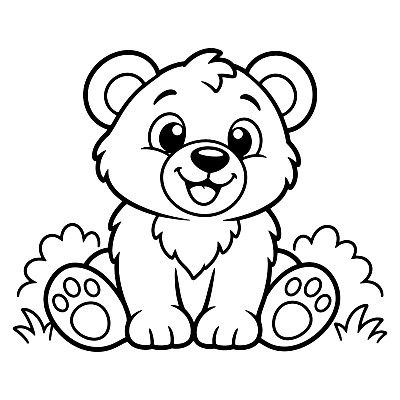
| Ages 5-6 (Developing Artist) | Moderate line weight, realistic proportions, textured fur details. | Builds pincer grasp endurance, shading gradients, and visual boundary discipline. |
| Ages 7-8 (Advanced Learner) | Complex natural habitats, intricate bear anatomy, multi-layered composition. | Encourages narrative art integration, perspective awareness, and advanced media use. |
Structured visual art activities involving recognizable animal forms measurably enhance cognitive categorization and fine motor dexterity in children aged 3 to 8 — National Art Education Association (NAEA)
Step-by-Step Practical Application and Guidelines
Executing bear-themed art sessions effectively requires preparing physical workspace environments with appropriate media choices, such as chunky crayons for toddlers and colored pencils or watercolors for older elementary students. Educators begin by presenting the printed sheets flat on a stable surface, discussing the anatomical features of the animal, and encouraging children to verbalize color choices before application. Following this initial guided exploration, adults allow uninterrupted independent work time to foster intrinsic motivation, concluding the session by pairing the finished artwork with Art Activities to reinforce cross-curricular theme comprehension.
Common Challenges and How to Avoid Them
Young learners frequently experience frustration when attempting to color complex line art without prior preparation of hand muscles or when encountering overly intricate patterns that exceed current developmental thresholds. To prevent grip fatigue and disengagement, instructors should introduce simpler outlines first, gradually scaling complexity while supervising correct pencil grasp and posture. Incorporating tactile crafts alongside these pages, such as those found within Printable Crafts, provides alternative sensory outlets that reinforce spatial concepts if traditional coloring leads to temporary fatigue.
💬 Frequently Asked Questions
Conclusion and Next Steps
Embracing structured animal-themed art projects provides an accessible, highly effective pathway for strengthening fine-motor precision, cognitive focus, and creative expression in young learners. Caregivers, homeschoolers, and educators can elevate these developmental exercises by exploring the comprehensive collections available at Coloring Pages to inspire continuous artistic growth.
Printable Coloring Page Previews