Introduction
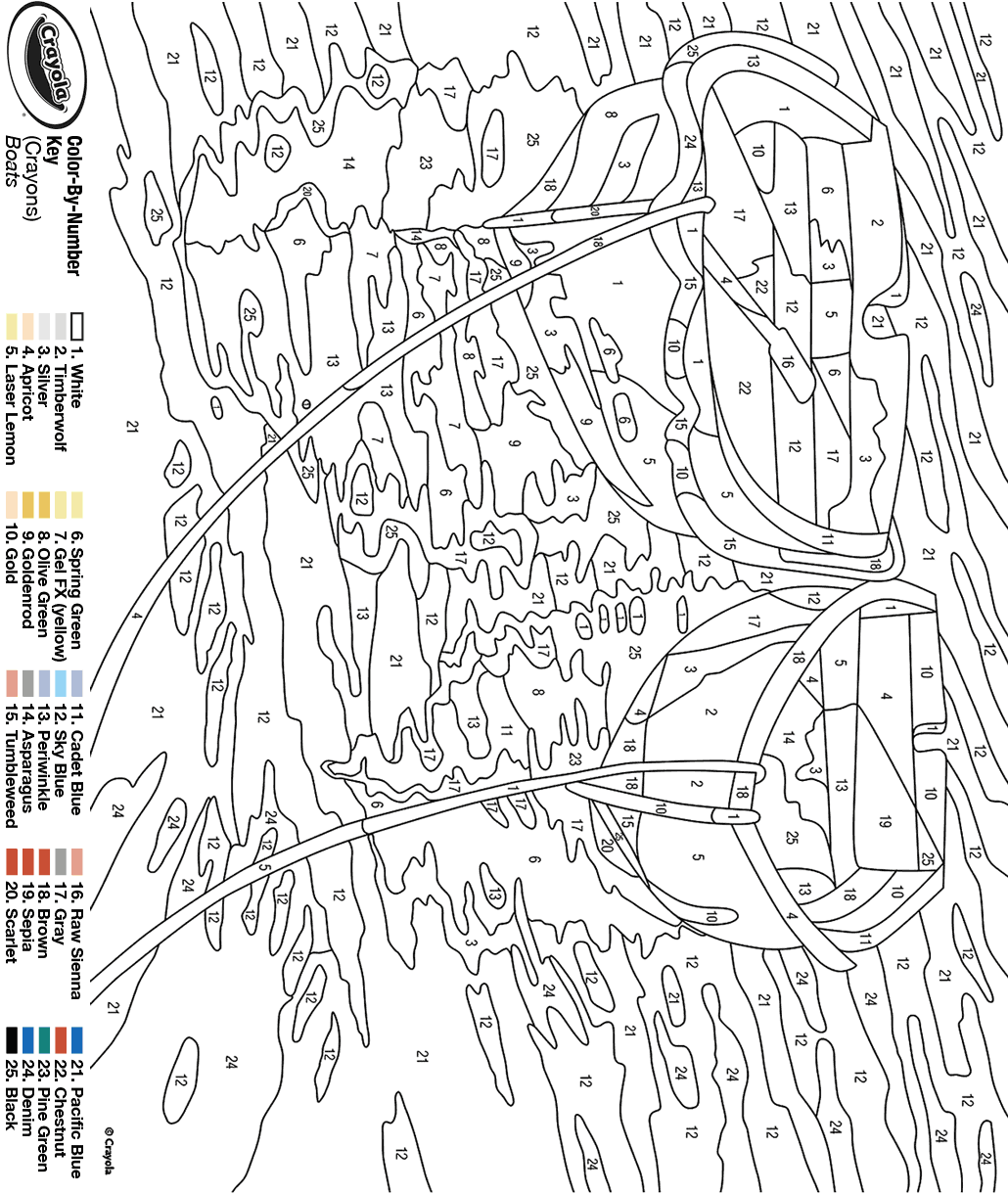
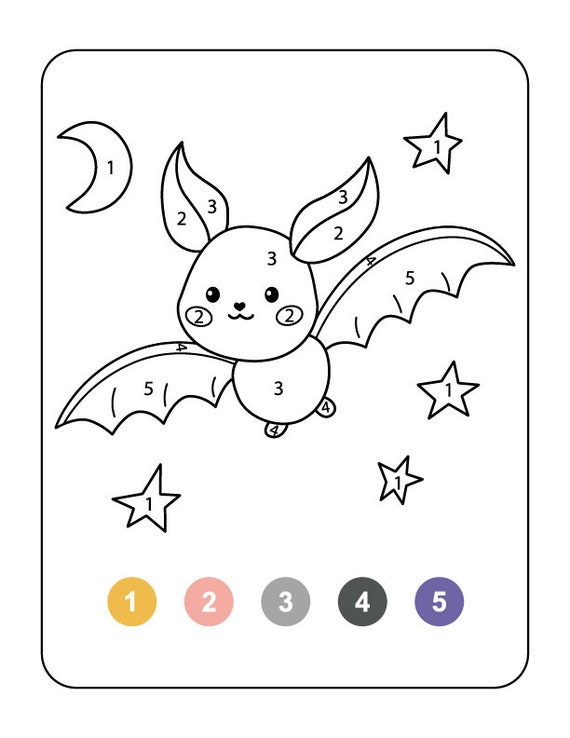
Coloring pages by number represent structured visual learning tools that combine numerical recognition with chromatic matching to build foundational spatial and motor competencies in early childhood development. According to the National Association for the Education of Young Children (NAEYC), purposeful manipulation of structured graphic materials significantly enhances fine-motor control, visual-perceptual processing, and sustained attentional focus in young learners. Integrating these resources alongside Coloring Pages offers educators a reliable method to bridge cognitive symbol recognition with tactile execution.
Visual Learning & Skill Snapshot:
- Core Focus: Systematic number-to-color mapping that reinforces visual-spatial organization and self-regulation.
- Target Skill: Visual discrimination, symbolic decoding, bilateral coordination, and precise pencil control.
- Key Recommendation: Pair structured numeric sheets with open-ended Drawing Worksheets to balance guided instruction with creative freedom.
Core Principles and Learning Overview
Systematic chromatic decoding tasks require the brain to translate abstract numerical symbols into specific visual outcomes, reinforcing cognitive flexibility and executive function. When children engage with these structured templates, visual working memory is activated to retain the designated color-code key while scanning the active drawing field for matching indices. This continuous dual-processing strengthens neurological pathways responsible for visual tracking, figure-ground separation, and detailed observation. Furthermore, this structured format complements broader Art Activities by instilling patience, rule adherence, and step-by-step sequential processing.
Key Specifications and Breakdown
| Age / Learning Stage | Visual Skill & Ratio | Pedagogical Application & Scaffolding |
|---|---|---|
| Ages 3 to 4 (Early Exploration) | Large shapes, 3-to-4 color palette, high contrast ratios. | Utilize thick outlines and direct color-swatch keys to establish basic symbol-to-pigment association. |
| Ages 5 to 6 (Developing Competency) | Medium geometric divisions, 6-to-8 distinct hues, moderate spacing. | Incorporate multi-step sequential keys that encourage careful visual scanning and perimeter containment. |
| Ages 7 to 8 (Advanced Proficiency) | Complex interlocking patterns, 10+ values, fine micro-sectors. | Promote refined pressure control, blending techniques, and independent error-checking strategies. |
Structured graphic tasks directly support the neural integration of visual perception and motor execution by fostering sustained attention through scaffolded rule-based boundaries. — National Art Education Association (NAEA)
Step-by-Step Practical Application and Guidelines
Successful implementation of numerical coloring activities begins with selecting developmentally appropriate templates that match the fine-motor endurance of the student. Educators and parents should first review the color key together, having the learner identify each numeral and select the corresponding medium, such as a colored pencil or fine-tip marker. Instruct learners to start coloring from the top-left corner and move systematically across the page to prevent hand smudging and visual fatigue. Supplementing these lessons with Printable Crafts helps translate two-dimensional spatial concepts into three-dimensional dexterity.
Common Challenges and How to Avoid Them
Frustration often arises when young children encounter overly dense micro-regions or confusing overlapping numeric indices within complex illustrations. To mitigate this challenge, adults should introduce templates progressively, starting with large, isolated zones before advancing to intricate geometric compositions. Encouraging the use of sharp, fine-point writing instruments prevents accidental bleeding across borders, while maintaining an organized workspace ensures the color-code key remains clearly visible throughout the task.
💬 Frequently Asked Questions
Conclusion and Next Steps
Intentional integration of guided numerical art sheets provides a balanced foundation for cognitive growth, visual literacy, and fine-motor mastery. By pairing these structured tasks with broader creative curricula, parents and teachers cultivate both disciplined focus and artistic expression in early learners. Explore our complete library of Coloring Pages to discover fresh resources designed to inspire confidence and creativity.
Printable Coloring Page Previews