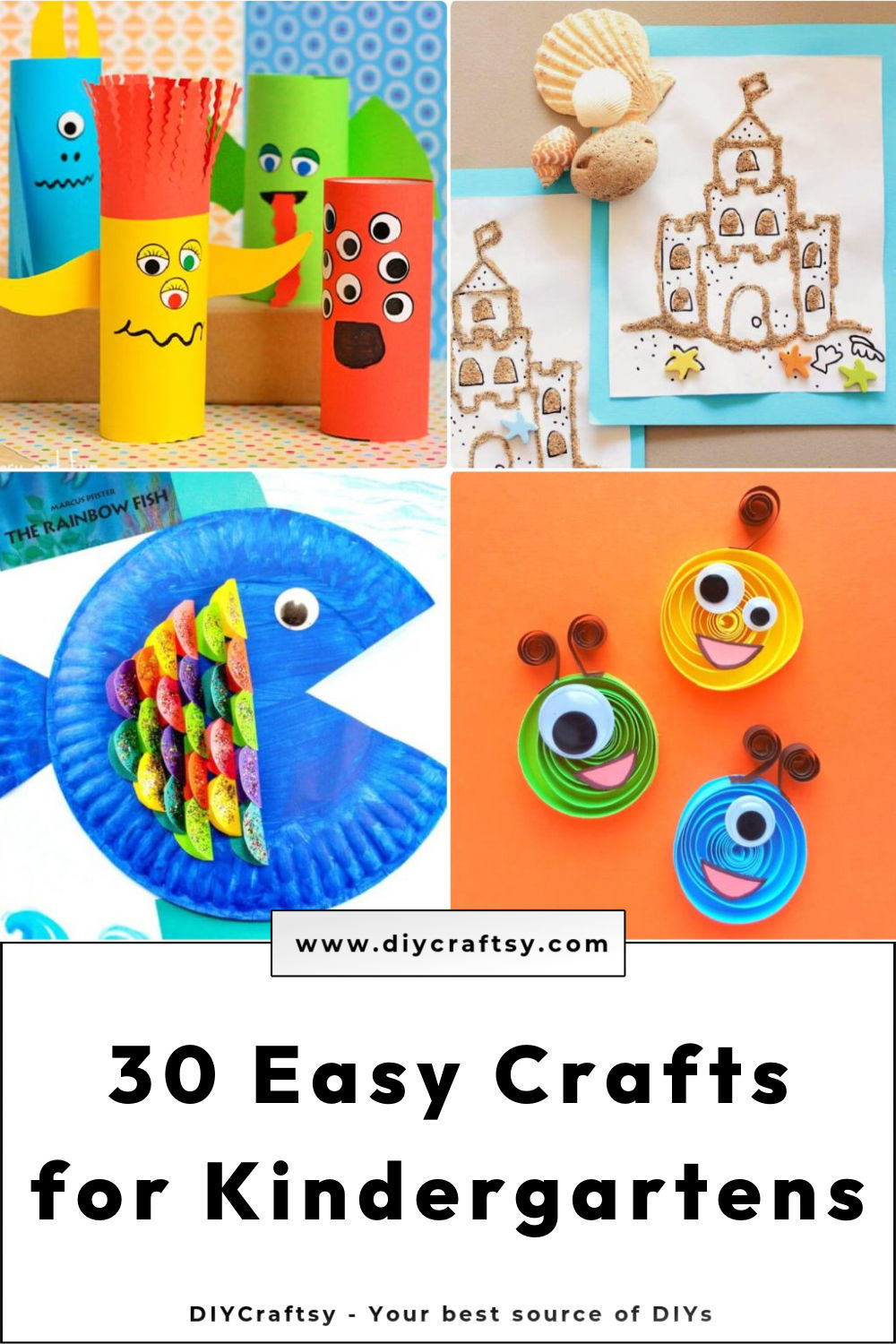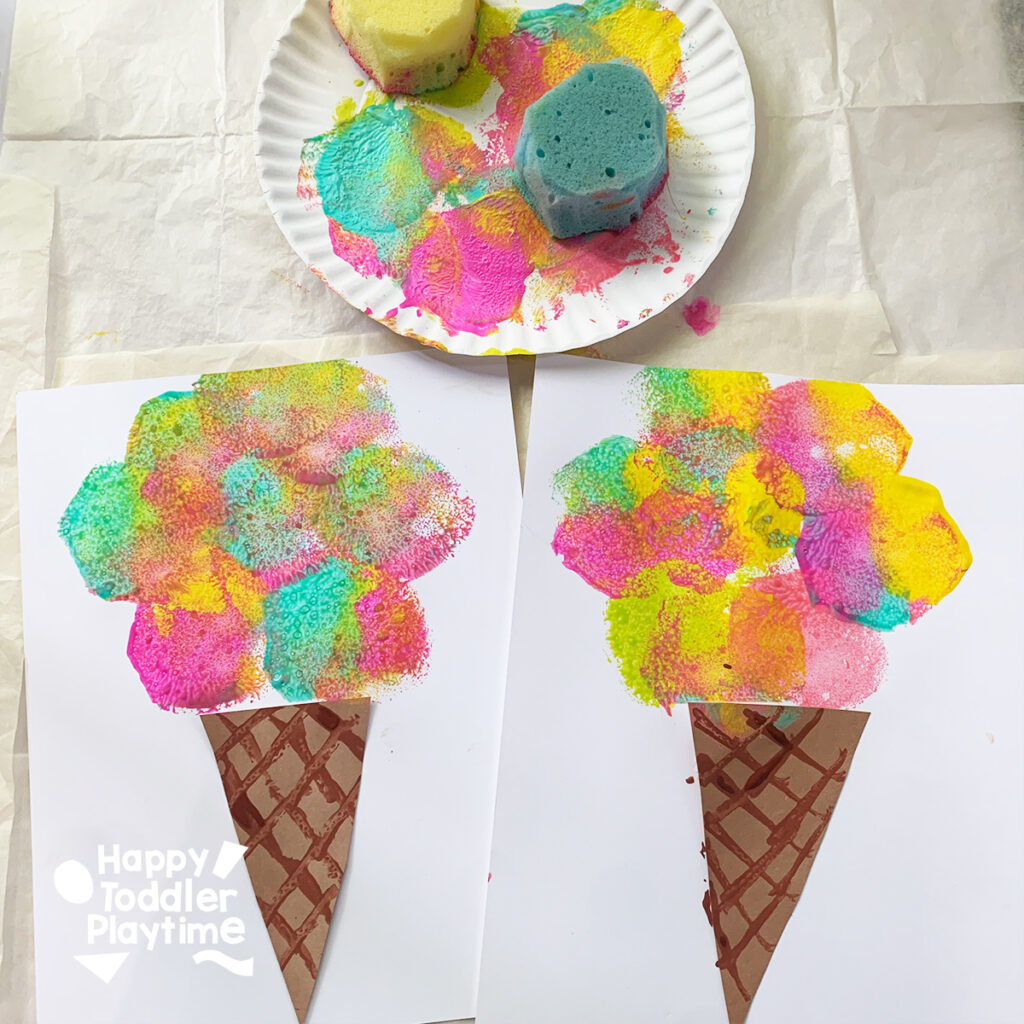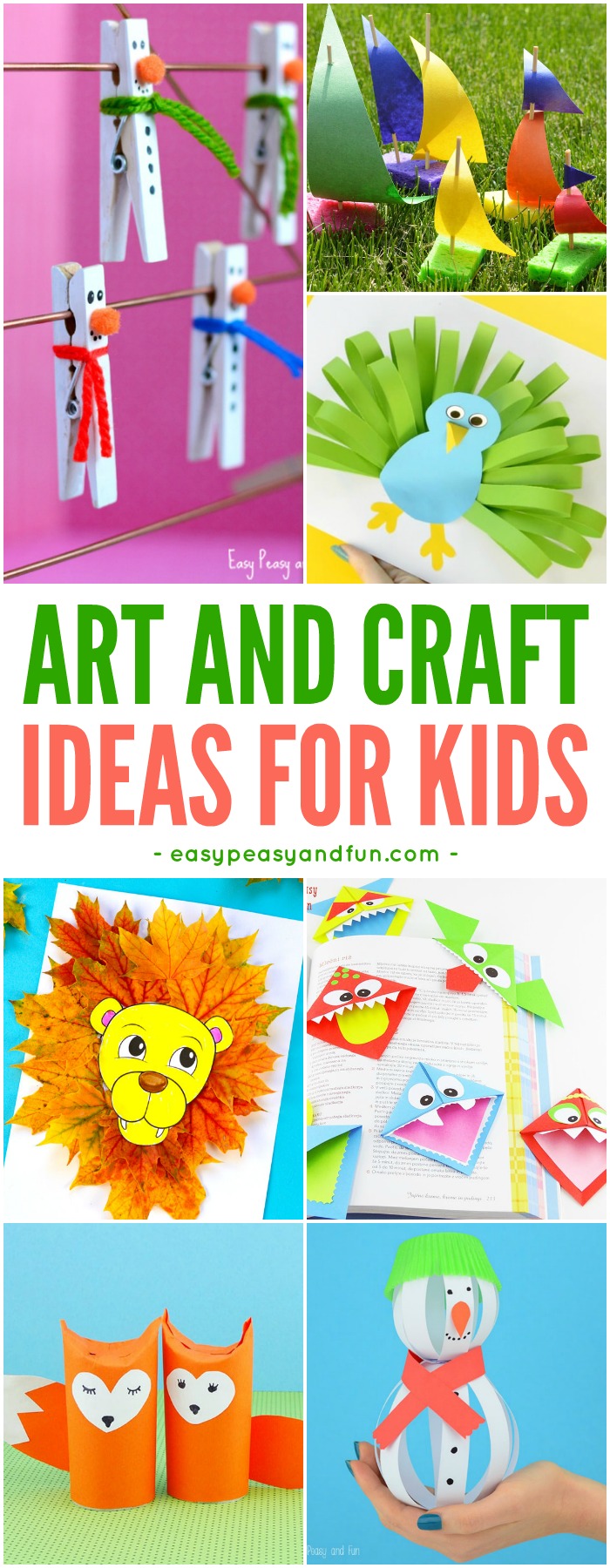
Introduction
Art craft activities for preschoolers encompass structured tactile exercises and visual expression tasks that directly accelerate neuromuscular development, visual-spatial reasoning, and symbolic representation in early childhood. According to the National Association for the Education of Young Children (NAEYC), purposeful creative exploration during early development establishes foundational neural pathways necessary for complex cognitive processing, abstract thinking, and academic readiness. Implementing structured Art Activities within a daily curriculum bridges sensory processing with motor control, allowing young learners to manipulate visual elements safely and purposefully.
Visual Learning & Skill Snapshot:
- Core Focus: Hands-on tactile creation paired with guided visual representation tasks for young learners.
- Target Skill: Bilateral coordination, spatial orientation, and visual discrimination.
- Key Recommendation: Combine structured printable cutting sheets with open-ended coloring exercises to build comprehensive dexterity.
Core Principles and Learning Overview
Structuring art craft activities for preschoolers requires balancing open-ended creative freedom with purposeful visual scaffolding to maximize cognitive retention and motor control. Young learners process information primarily through tactile engagement and visual imitation, making structured resources like Drawing Worksheets essential tools for teaching directional strokes and geometric recognition. Educators and caregivers must intentionally integrate printable elements that encourage bilateral hand use—such as stabilizing paper with one hand while cutting or coloring with the other—to strengthen the corpus callosum and support cross-hemispheric brain communication.
Key Specifications and Breakdown
| Age / Learning Stage | Visual Skill & Ratio | Pedagogical Application & Scaffolding |
|---|---|---|
| Young Preschool (Ages 3-4) | Gross motor grip, primary shape recognition (1:1 ratio) | Utilize thick-bordered Coloring Pages to teach boundary awareness and palm grasp. |
| Advanced Preschool (Ages 4-5) | Bilateral coordination, directional cutting (1:2 ratio) | Implement multi-step Printable Crafts requiring folding, snipping, and gluing. |
| Transition to Kindergarten | Complex spatial mapping, symbolic drawing (1:4 ratio) | Combine sequential drawing prompts with thematic crafting to test multi-step execution. |
Articulated motor planning and sensorimotor integration are foundational prerequisites for later academic writing and advanced mathematical reasoning. — National Art Education Association (NAEA)
Step-by-Step Practical Application and Guidelines
Executing art craft activities for preschoolers successfully relies on environment preparation, clear visual demonstration, and non-restrictive pacing that honors natural attention spans. Educators should first display a completed model of the craft or colored page to provide concrete visual targets before distributing raw materials. Workstations must feature child-safe tools scaled precisely for developing palmar arches, ensuring that scissors and oversized writing utensils facilitate proper finger positioning without inducing hand fatigue. Transition smoothly between independent coloring tasks and adult-assisted assembly steps to maintain high engagement and minimize frustration during complex crafting sequences.
Common Challenges and How to Avoid Them
Over-complicating project directions and utilizing inadequate paper weights frequently cause frustration and premature disengagement during preschool crafting sessions. Preventing these hurdles involves selecting heavyweight, matte cardstock for paper crafts to withstand glue moisture and aggressive coloring marks. Furthermore, adults must resist the urge to complete portions of the project for the child, recognizing that uneven cuts and erratic coloring strokes represent vital independent problem-solving and neuromuscular calibration phases.
💬 Frequently Asked Questions
Conclusion and Next Steps
Integrating purposeful art craft activities for preschoolers into daily schedules fosters critical cognitive growth, fine motor dexterity, and lasting creative confidence. Educators, parents, and homeschoolers can easily expand their teaching libraries by exploring curated resources, interactive worksheets, and educational printables available through ColorLeaf Studio.
Visual Reference Gallery