Introduction
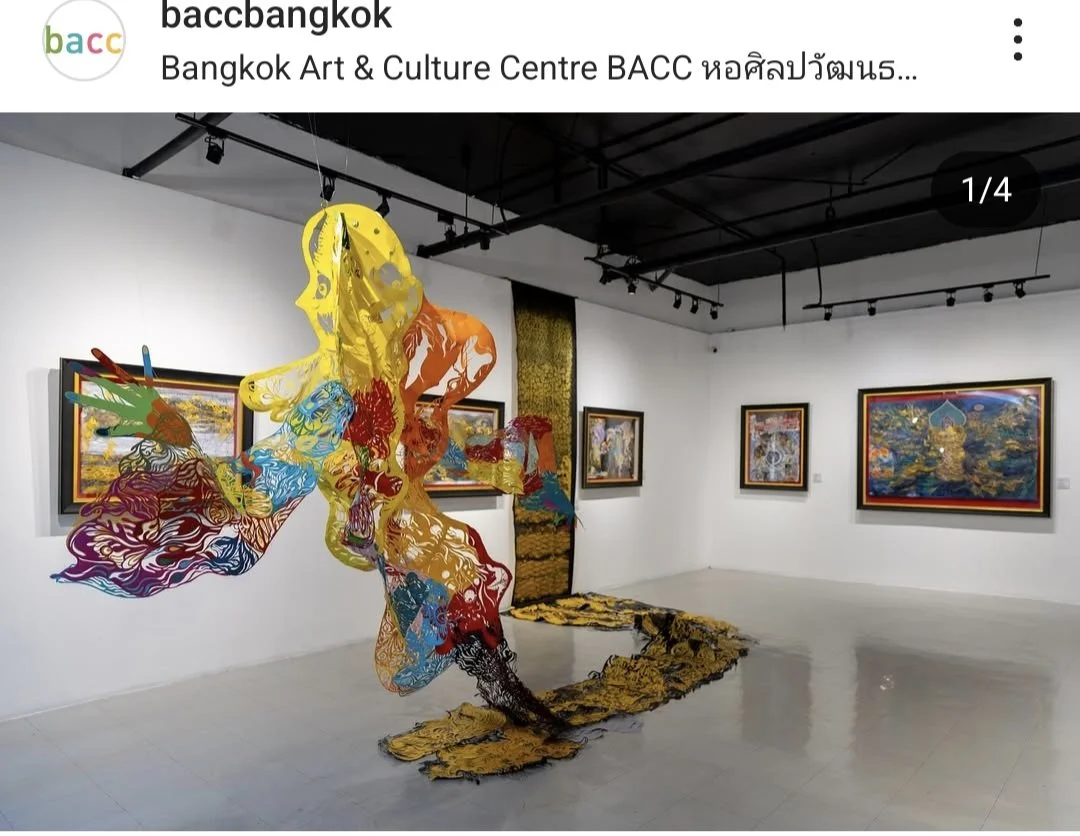
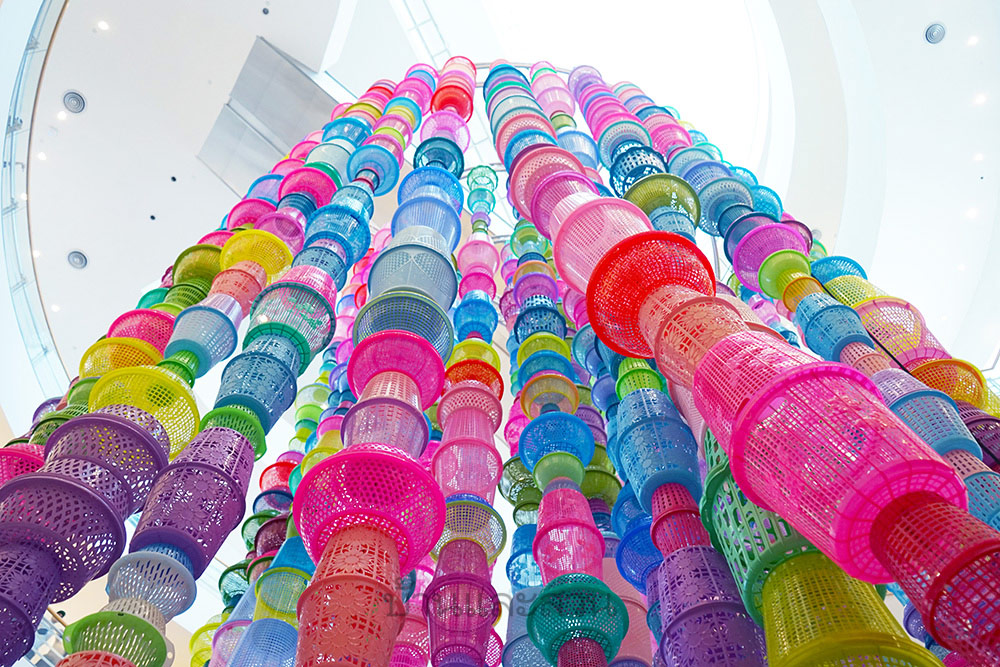
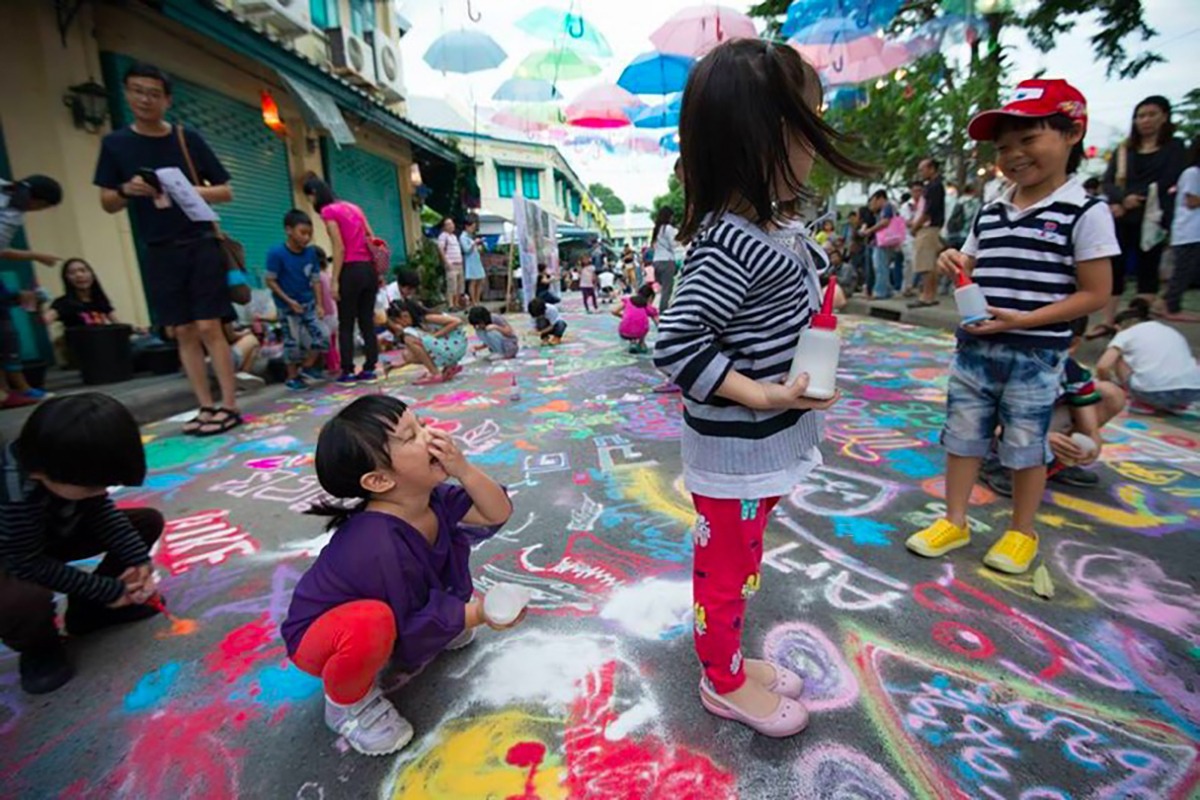
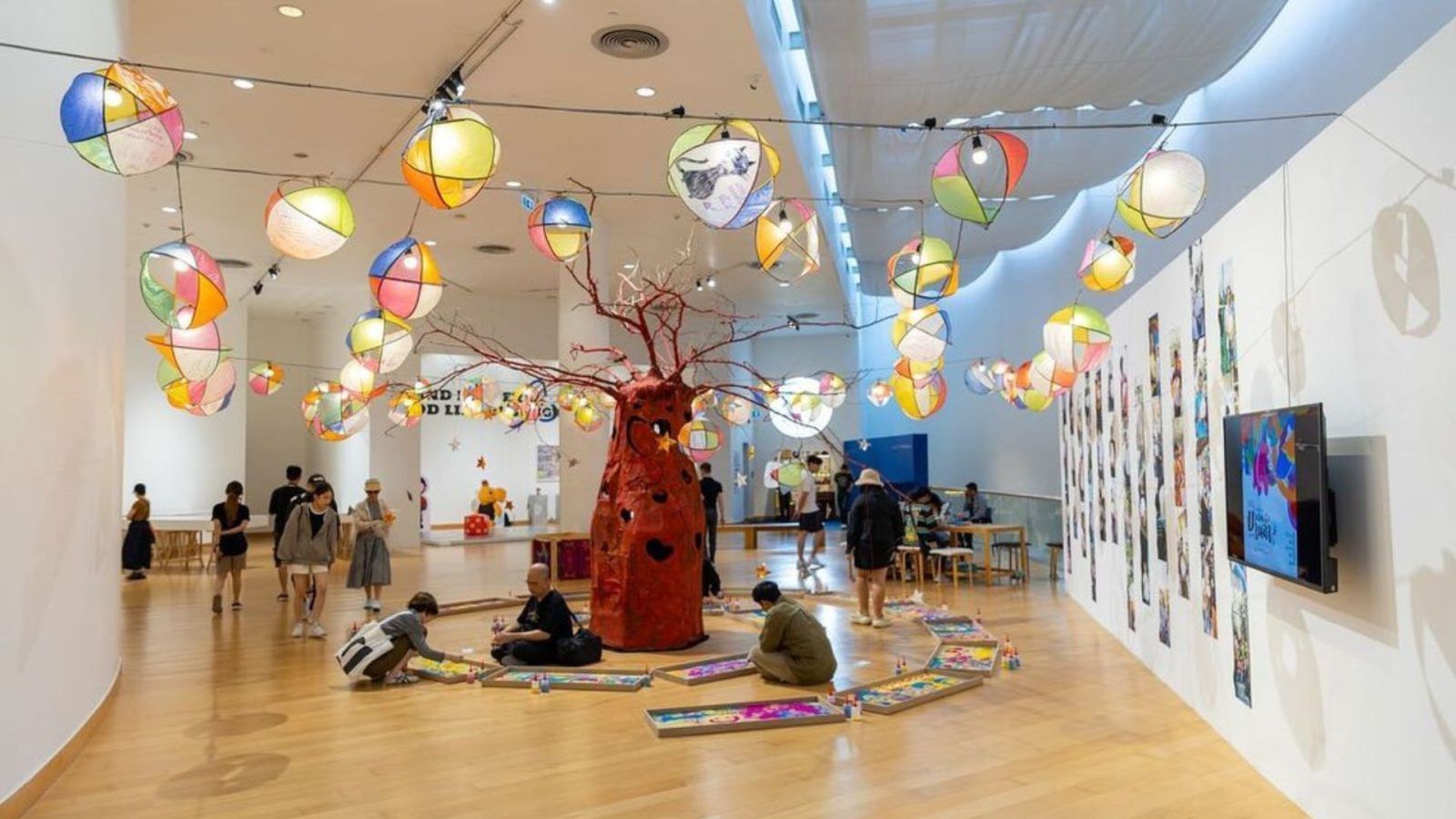
Art activities bangkok represent a dynamic intersection of multicultural aesthetics, tropical iconography, and foundational fine-motor skill acquisition for early childhood learners. According to the National Art Education Association (NAEA), structured engagement with diverse visual art forms significantly accelerates spatial awareness, cultural appreciation, and bilateral hand-eye coordination in children aged three through nine. Integrating localized creative contexts into daily educational routines fosters robust cognitive development while connecting learners to rich artistic traditions.
Visual Learning & Skill Snapshot:
- Core Focus: Implementation of culturally enriched art activities bangkok for developmental motor growth.
- Target Skill: Fine-motor control, cultural visual literacy, and precise spatial reasoning.
- Key Recommendation: Combine structured Coloring Pages with tactile Printable Crafts for optimal engagement.
Core Principles and Learning Overview
Art activities bangkok encompass thematic visual exercises, intricate pattern tracing, and structural papercrafts designed to bridge foundational design principles with experiential learning. Direct spatial manipulation of lines, shapes, and vibrant palettes trains the developing cerebral cortex to process complex visual data efficiently. Educators and parents utilize these localized thematic exercises to strengthen pencil grip, enhance color theory comprehension, and encourage creative problem-solving without relying on rigid templates.
Key Specifications and Breakdown
| Age / Learning Stage | Visual Skill & Ratio | Pedagogical Application & Scaffolding |
|---|---|---|
| Early Years (Ages 3-4) | Gross motor control to basic shape discrimination | Use simplified Coloring Pages with thick outlines to build foundational stroke confidence. |
| Early Elementary (Ages 5-7) | Bilateral coordination and precise line tracking | Deploy structured Drawing Worksheets focusing on symmetry and proportion. |
| Advanced Young Learners (Ages 8-9) | Complex spatial planning and multi-layer assembly | Integrate intricate Printable Crafts requiring folding, cutting, and pasting. |
Engagement in purposeful visual arts and structured crafting builds neural pathways essential for advanced mathematical reasoning and spatial problem-solving in early childhood. — National Art Education Association (NAEA)
Step-by-Step Practical Application and Guidelines
Implementing effective art activities bangkok requires preparing an organized, accessible workspace equipped with high-grade printer paper, child-safe scissors, blunt-tip markers, and non-toxic watercolors. Educators begin by introducing the visual theme through a short observational discussion before distributing foundational templates. Children then trace, color, and assemble the materials independently, allowing instructors to observe individual grip adjustments, color-blending techniques, and spatial layout decisions.
Common Challenges and How to Avoid Them
Young learners frequently experience frustration when complex visual templates demand advanced fine-motor control beyond their current developmental threshold. Educators can prevent this by scaffolding tasks carefully, starting with broad coloring sheets before progressing to intricate Art Activities that require precise cutting and layering. Ensuring that workspace lighting is optimal and that writing instruments match the ergonomic needs of the child also prevents hand fatigue and premature loss of focus.
💬 Frequently Asked Questions
Conclusion and Next Steps
Integrating culturally inspired visual learning into daily educational environments equips young learners with essential cognitive tools and artistic appreciation. To explore a vast collection of professional templates designed to elevate classroom engagement, discover the expertly curated Art Activities available today.
Visual Reference Gallery