Introduction
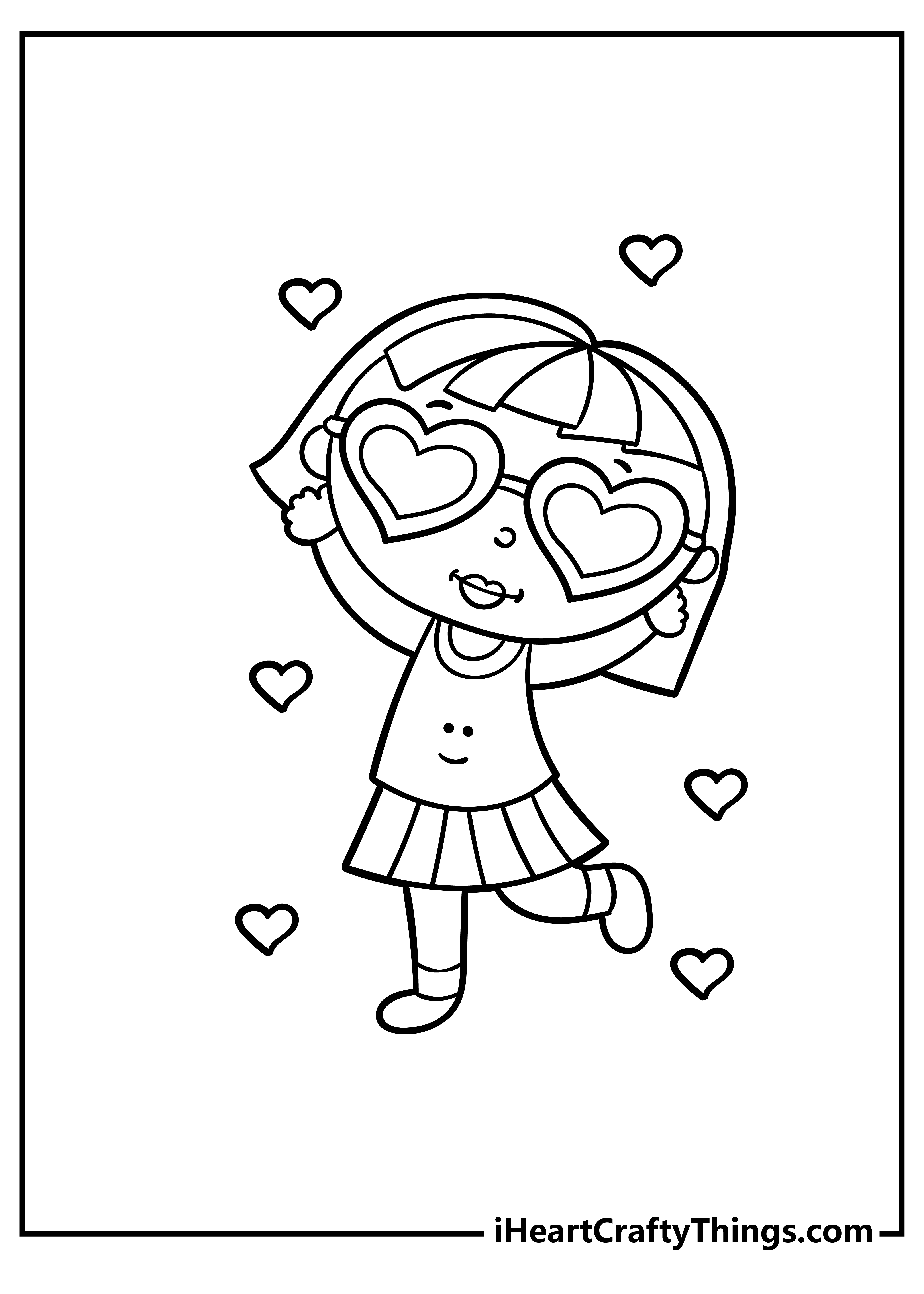
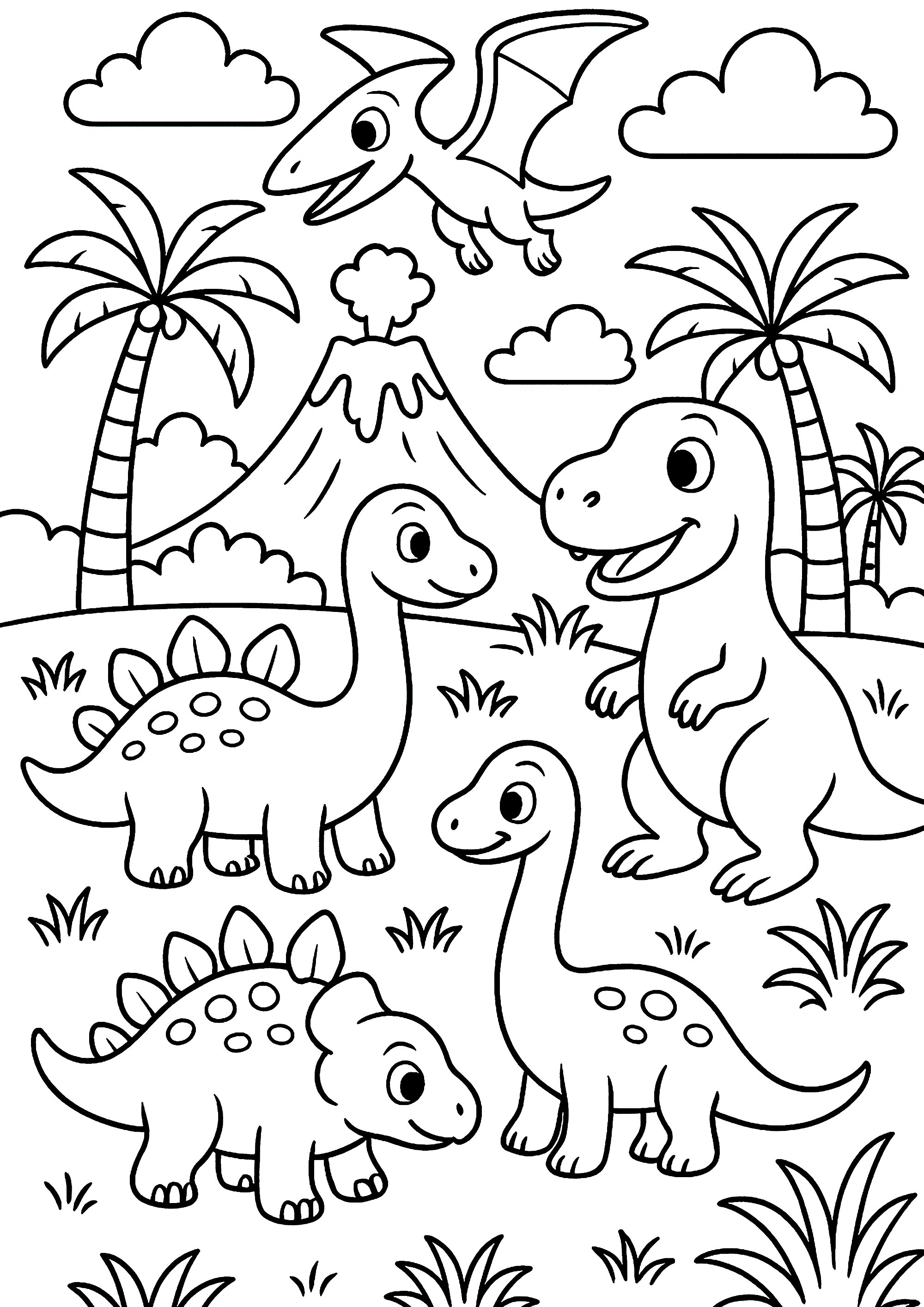
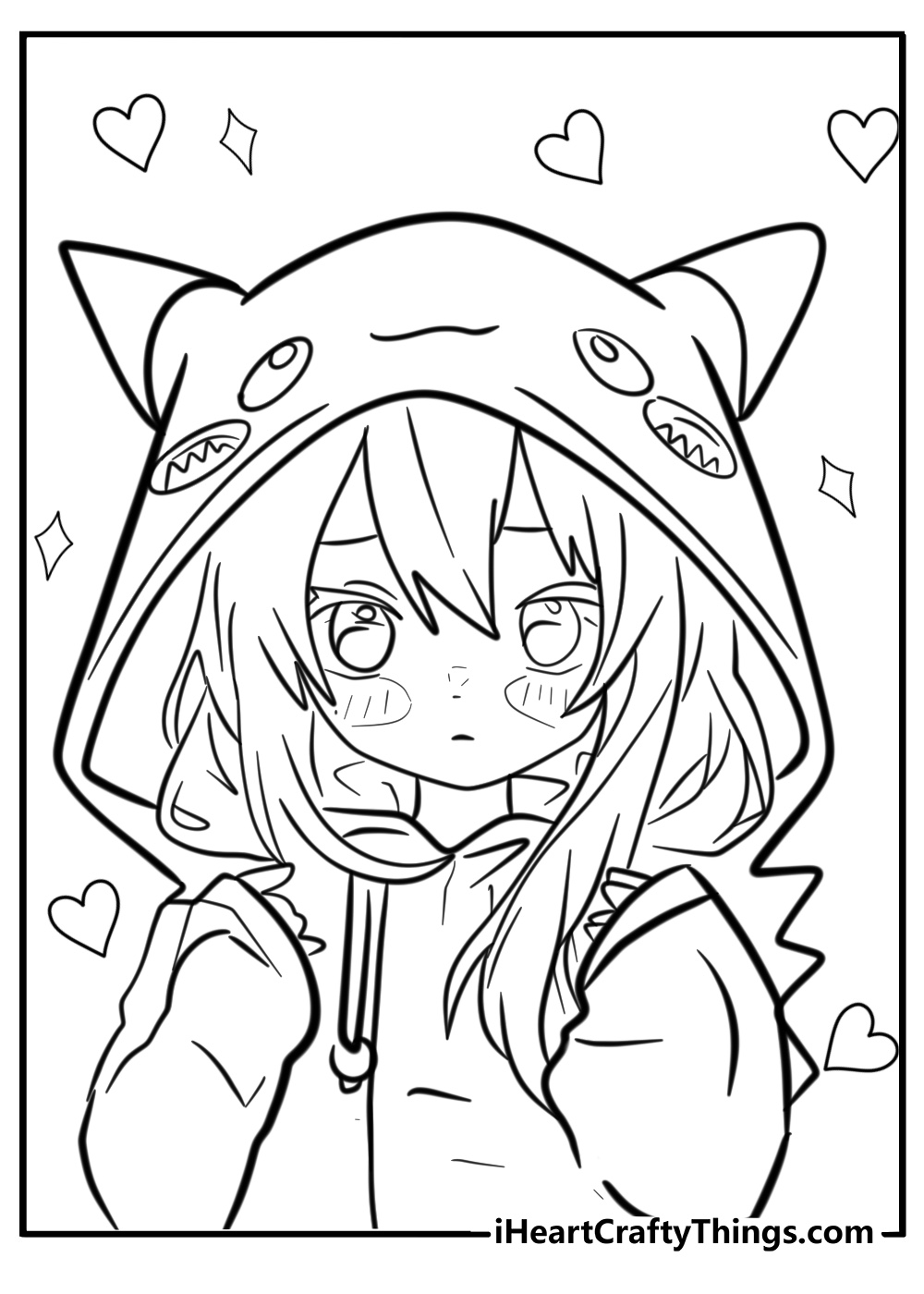
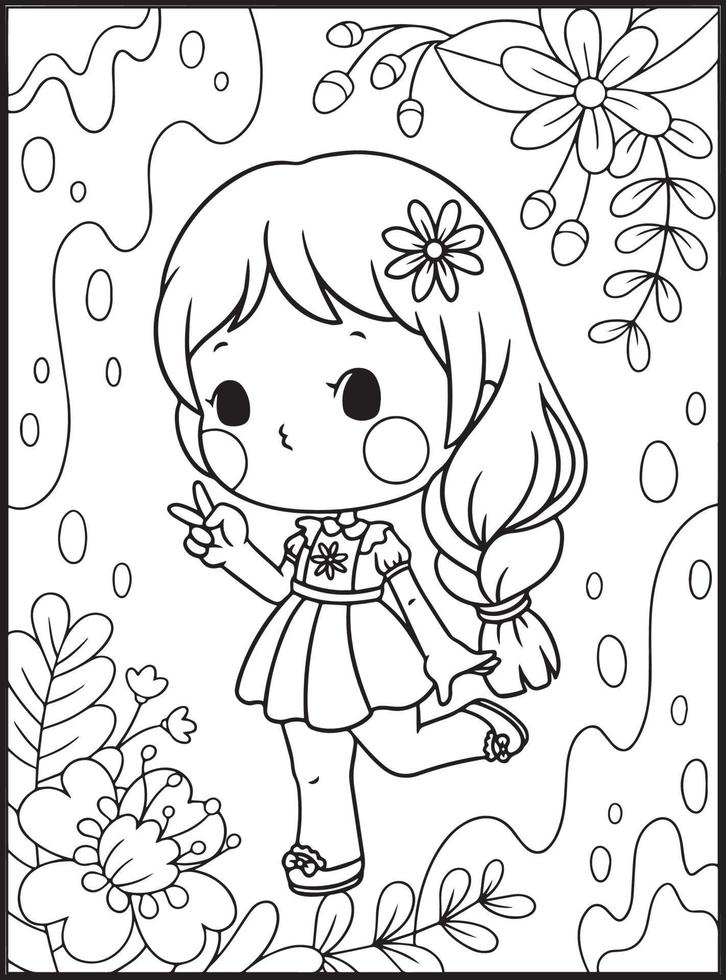
Coloring pages for girls provide structured graphic outlines that intentionally cultivate fine-motor precision, bilateral hand coordination, and creative decision-making during early childhood development. According to the National Association for the Education of Young Children (NAEYC), hands-on graphical activities effectively support the integration of sensory-motor pathways, preparing young minds for complex writing and visual literacy tasks. Utilizing carefully designed Coloring Pages allows educators and parents to target specific cognitive milestones through engaging, age-appropriate templates.
Visual Learning & Skill Snapshot:
- Core Focus: Structural graphic templates designed to foster fine-motor control, artistic confidence, and focus in young learners.
- Target Skill: Spatial boundary awareness, pencil grip endurance, and intentional color theory application.
- Key Recommendation: Pair static sheets with multi-medium Art Activities to expand tactile exploration.
Core Principles and Learning Overview
Structured coloring resources serve as critical foundational tools for building visual-spatial intelligence and hand-eye synchronization in early elementary education. Direct answer: These specialized graphic sheets systematically guide young learners through boundary maintenance, shape recognition, and color proportion analysis without the cognitive overload of blank-page anxiety. By engaging with detailed outlines featuring themes such as flora, fauna, and architectural patterns, children practice pressure regulation while holding crayons or colored pencils. Furthermore, incorporating complementary Drawing Worksheets helps transition students from guided filling exercises to independent line generation and structural design.
Key Specifications and Breakdown
| Age / Learning Stage | Visual Skill & Ratio | Pedagogical Application & Scaffolding |
|---|---|---|
| Ages 3-4 (Early Explorer) | Thick outer borders with large geometric areas (4:1 ratio) | Promotes gross wrist movement and basic color identification through tactile engagement. |
| Ages 5-7 (Developing Artist) | Moderate line density with mixed organic motifs (2:1 ratio) | Enhances finger dexterity, focus stamina, and foundational hue blending techniques. |
| Ages 8-10 (Advanced Designer) | Intricate mandala and botanical patterns (1:1 balanced grid) | Refines precision control, shade layering, and complex visual composition planning. |
Engagement with structured visual arts materials directly correlates with enhanced executive function, impulse control, and spatial working memory in young learners — National Art Education Association (NAEA)
Step-by-Step Practical Application and Guidelines
Implementing structured graphic exercises requires careful material selection and environmental preparation to maximize cognitive benefits. Direct answer: Educators and parents should print sheets on heavy-weight matte cardstock to prevent bleed-through, pair the activity with ergonomically correct triangular pencils, and encourage deliberate stroke direction rather than rushed filling. Establishing a quiet, well-lit workspace minimizes visual distractions and promotes sustained concentration during the creative process. To extend the tactile learning loop beyond two dimensions, educators frequently integrate Printable Crafts that turn completed colored sheets into 3D models or greeting cards.
Common Challenges and How to Avoid Them
Children frequently experience hand fatigue or frustration when attempting overly intricate designs before developing adequate hand strength. Direct answer: Prevent burnout by matching the complexity of the graphic template precisely to the developmental stage of the child, ensuring line weights are thick enough to contain wandering strokes. Adults should avoid imposing rigid color rules, instead prompting open-ended dialogue regarding light sources, shadows, and personal chromatic choices to foster genuine artistic expression.
💬 Frequently Asked Questions
Conclusion and Next Steps
Integrating purposeful graphic resources into daily routines empowers young learners to build essential fine-motor capacities while expressing individual creativity. Educators, parents, and caregivers are encouraged to explore the complete catalog of curated Coloring Pages at ColorLeaf Studio to support comprehensive childhood artistic development.
Printable Coloring Page Previews