Introduction
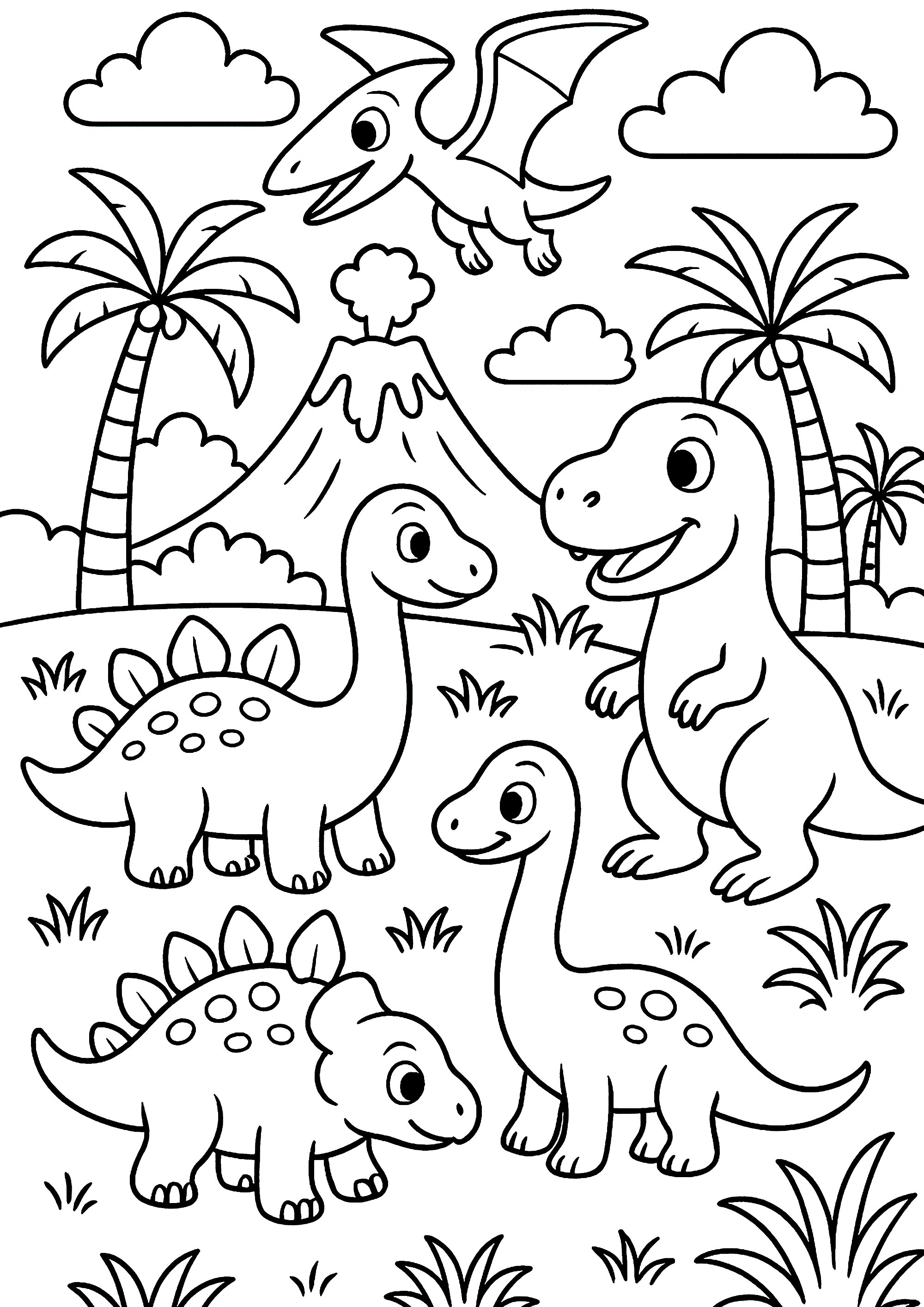
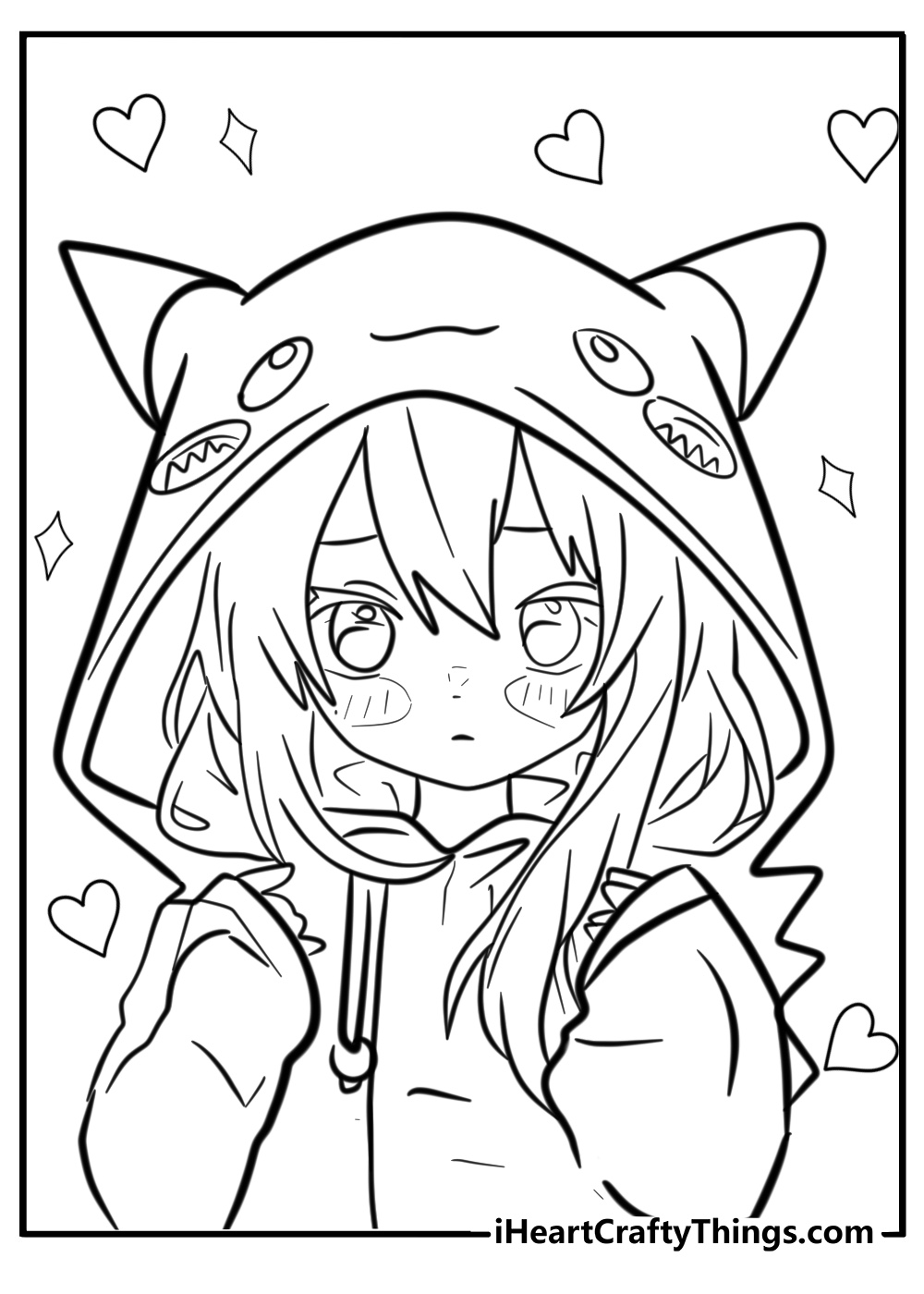
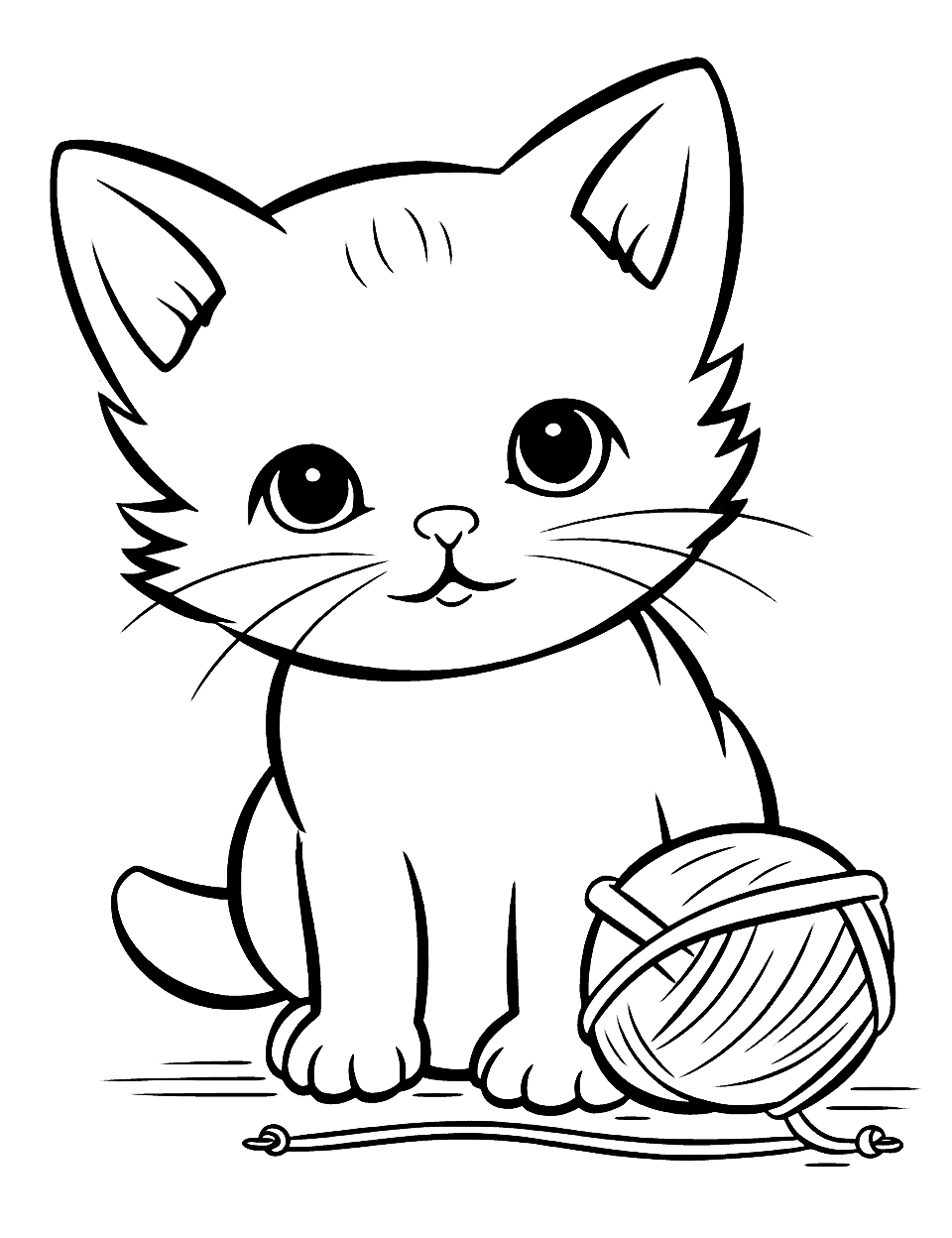
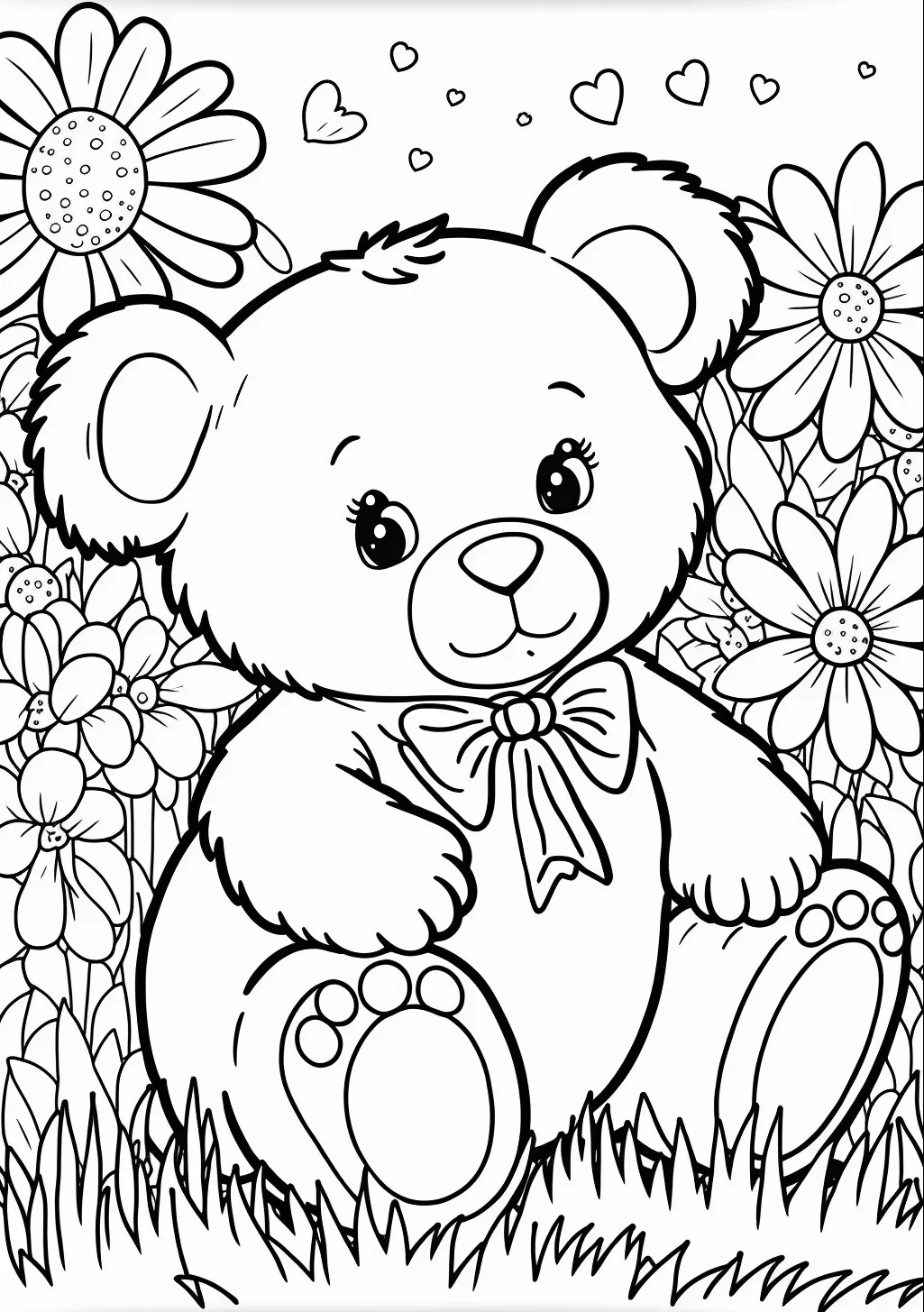
Coloring pages only refer to minimalist, uncolored line art sheets that isolate line, shape, and contour without distracting background clutter or pre-rendered textures. According to the National Art Education Association (NAEA), intentional engagement with simplified visual outlines builds foundational hand-eye coordination and spatial mapping in early childhood learners. Utilizing dedicated line work allows children to focus entirely on stroke control, boundary awareness, and visual-motor integration without cognitive overload. This targeted approach supports structured fine-motor development by encouraging deliberate pencil grips and sustained attention spans.
Visual Learning & Skill Snapshot:
- Core Focus: Isolation of line, contour, and geometric boundaries using strictly unrendered coloring pages only.
- Target Skill: Fine-motor precision, pencil control, visual discrimination, and spatial proportion.
- Key Recommendation: Pair standalone line work with structured Drawing Worksheets to bridge passive filling with active creative construction.
Core Principles and Learning Overview
Deliberate restriction to flat line art removes sensory overload, allowing young learners to direct cognitive energy toward pressure modulation and edge tracking. When educators isolate specific motifs, children process compositional balance and negative space more efficiently than when viewing complex, cluttered illustrations. Furthermore, incorporating selective Coloring Pages into daily visual routines establishes steady rhythm, discipline, and intentional color placement. This pedagogical strategy builds neural pathways essential for subsequent handwriting acquisition and geometric literacy.
Key Specifications and Breakdown
| Age / Learning Stage | Visual Skill & Ratio | Pedagogical Application & Scaffolding |
|---|---|---|
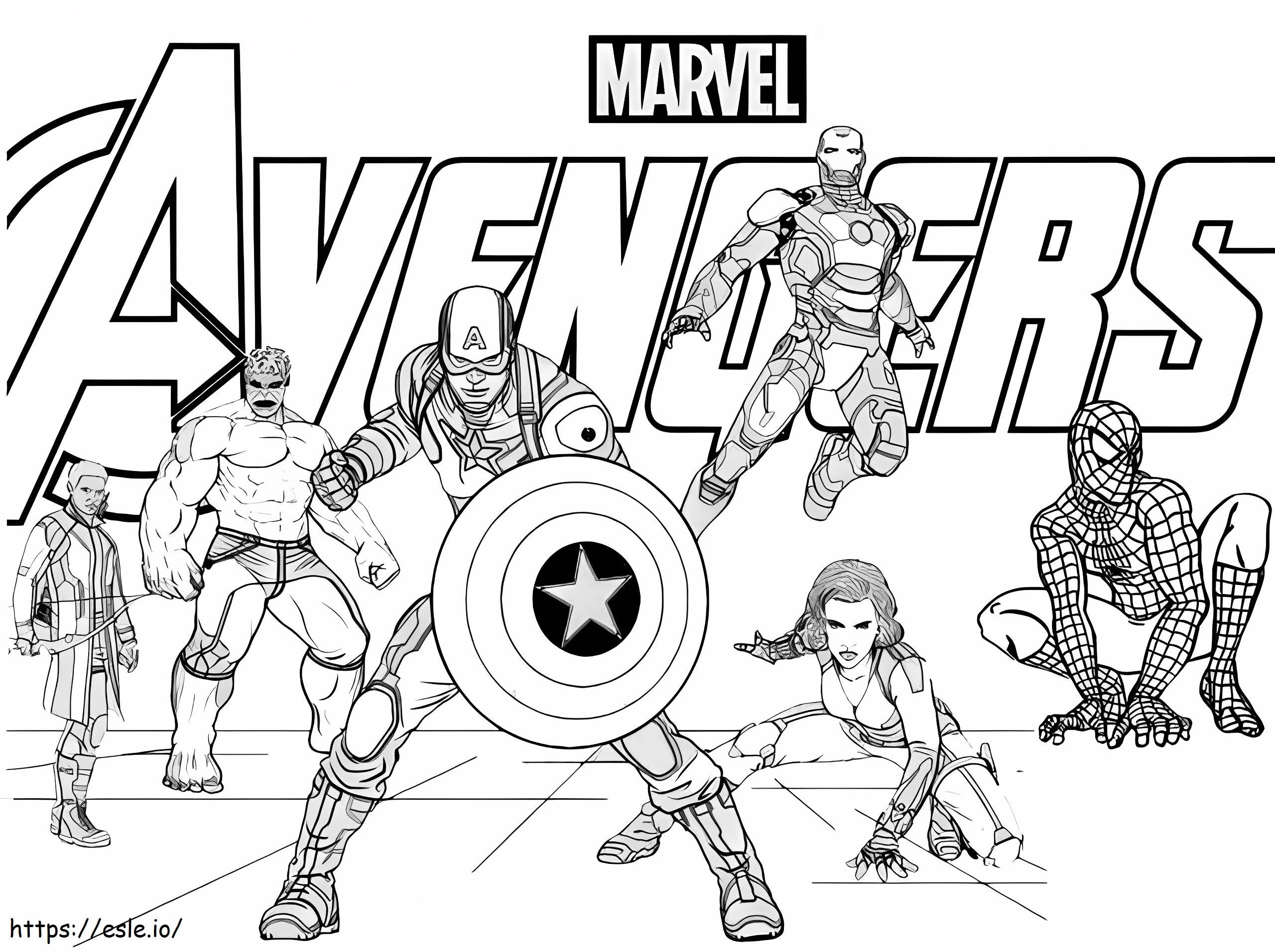
| Ages 3–4 (Early Preschool) | Thick outer contours (3pt–5pt), broad enclosed areas. | Focuses on gross wrist control and basic color-to-boundary containment. |
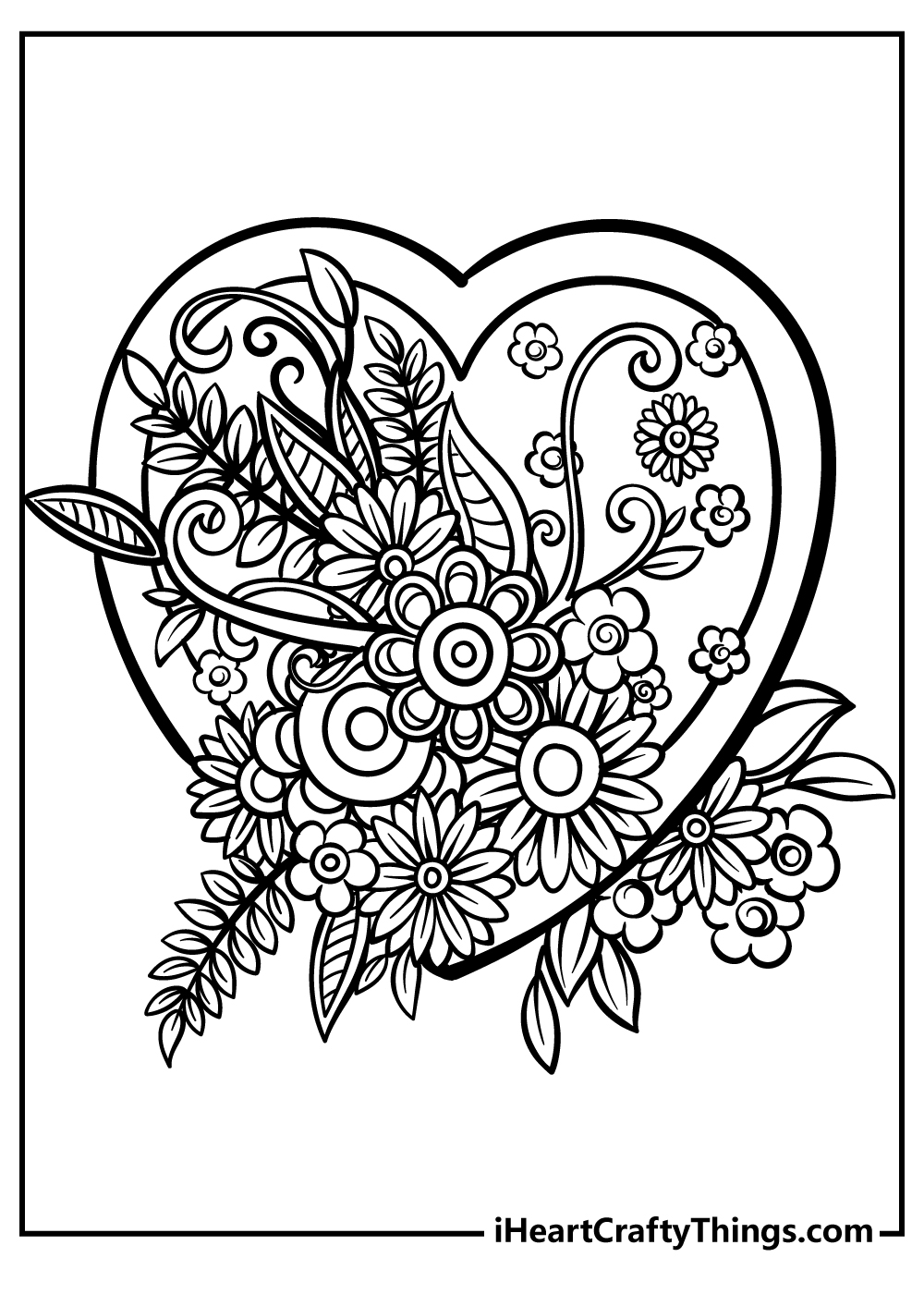
| Ages 5–6 (Kindergarten) | Medium line weight, varied geometric proportions. | Develops finger dexterity, directional strokes, and intentional color mapping. |
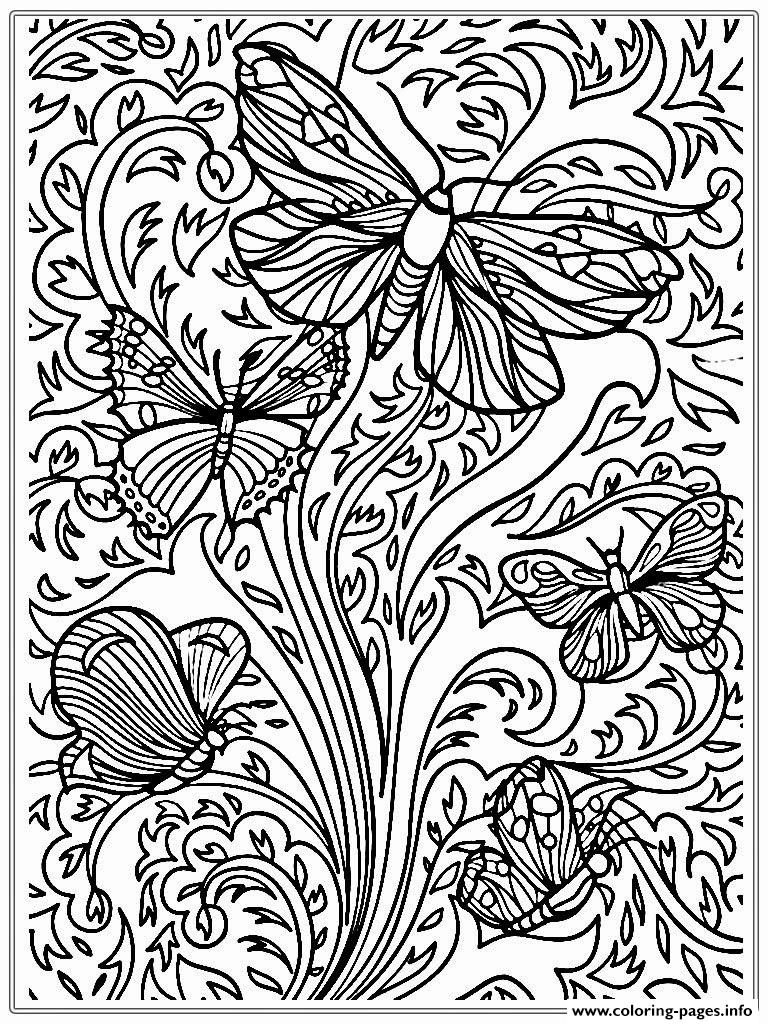
| Ages 7+ (Early Elementary) | Fine contour lines, intricate organic patterns. | Refines micro-muscle stamina, shading transitions, and aesthetic planning. |
Structured visual activities utilizing clear line boundaries significantly enhance bilateral coordination and sustained attention spans during early childhood development. — American Psychological Association (APA – Cognitive Development Division)
Step-by-Step Practical Application and Guidelines
Effective implementation requires selecting high-contrast, distraction-free prints and providing ergonomic writing utensils appropriate for the child’s developmental stage. Begin by placing the uncolored sheet on a firm, flat surface to prevent paper shifting and ensure consistent stroke resistance. Encourage children to outline the perimeter first before filling the interior space, a technique that reinforces border awareness and spatial planning. Educators can seamlessly transition students from basic shading exercises into broader creative projects by integrating related Printable Crafts once line mastery is established.
Common Challenges and How to Avoid Them
Frustration during fine-motor tasks typically stems from overly intricate line work or improper writing tool ergonomics that cause early hand fatigue. Prevent grip fatigue by switching from standard crayons to triangular pencils or short stubby markers that naturally enforce a tripod grasp. When children rush through complex outlines, gently guide the hand to slow down, focusing on small sections at a time rather than completing the entire sheet in a single hurried pass. Providing clear, achievable visual goals maintains engagement and builds confidence in young artists.
💬 Frequently Asked Questions
Conclusion and Next Steps
Prioritizing uncluttered visual resources offers a powerful method for supporting fine-motor control, patience, and artistic confidence in young learners. Establishing a consistent, low-stress creative routine empowers children to explore color theory and spatial relationships at their own pace. Discover additional structured learning resources, creative templates, and Art Activities to expand the early childhood curriculum today.
Printable Coloring Page Previews