Introduction
Coloring pages axolotl serve as targeted visual motor worksheets that promote early fine-motor control, biological curiosity, and spatial planning in young learners. According to the National Association for the Education of Young Children (NAEYC), engaging children in structured, theme-based visual arts activities significantly enhances cognitive flexibility, hand-eye coordination, and sustained attention spans. Integrating unique aquatic themes, such as the distinctive anatomy of the Mexican walking fish, captures student interest while building foundational pencil-grip mechanics. Exploring broader Coloring Pages unlocks extensive developmental opportunities for early elementary children.
Visual Learning & Skill Snapshot:
- Core Focus: Utilizing thematic axolotl illustrations to build pencil control and biological observation skills.
- Target Skill: Spatial reasoning, color blending for gills, and precise outline navigation.
- Key Recommendation: Pair high-contrast line art with guided observation of real axolotl morphology before coloring begins.
Core Principles and Learning Overview
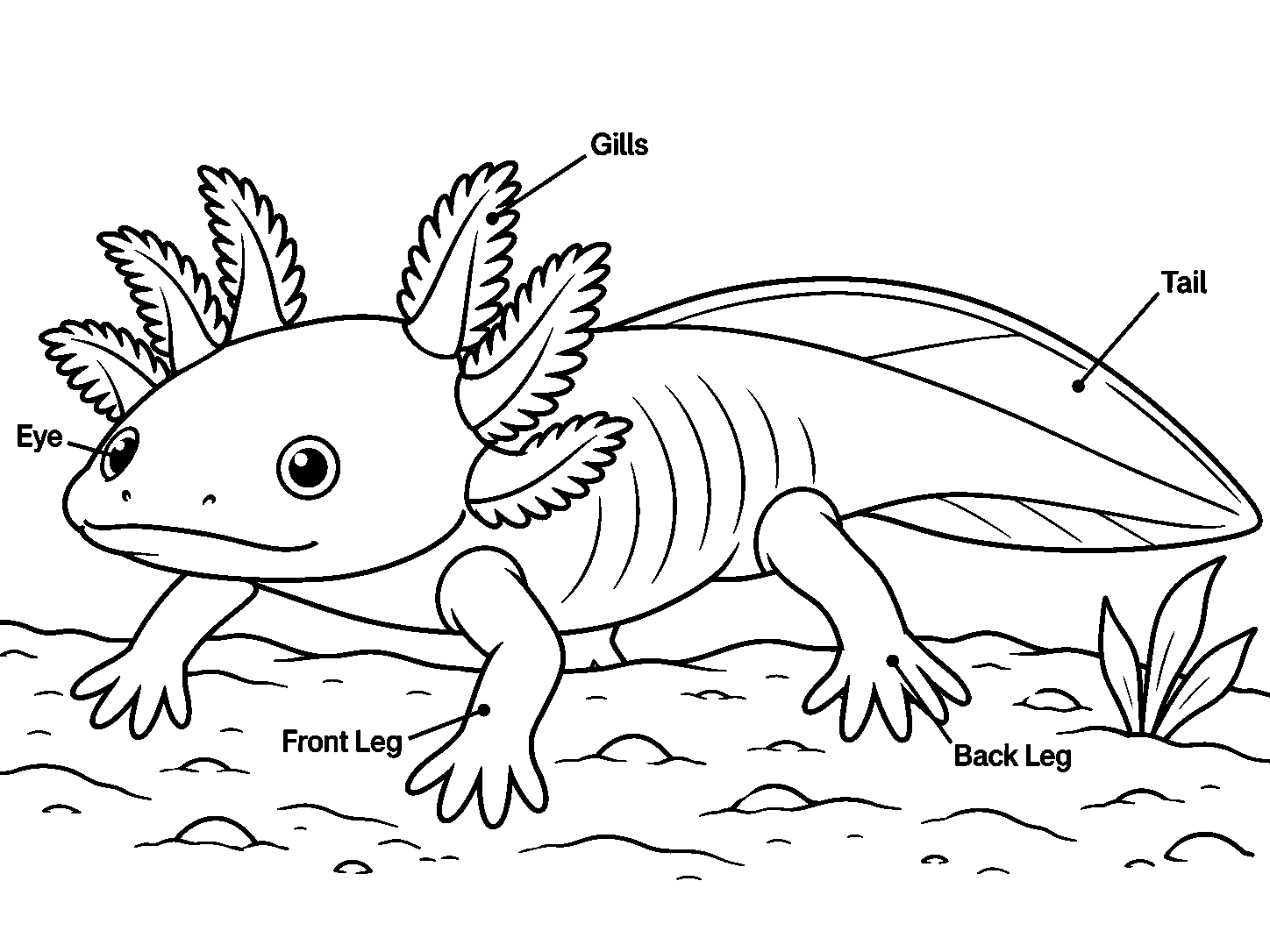
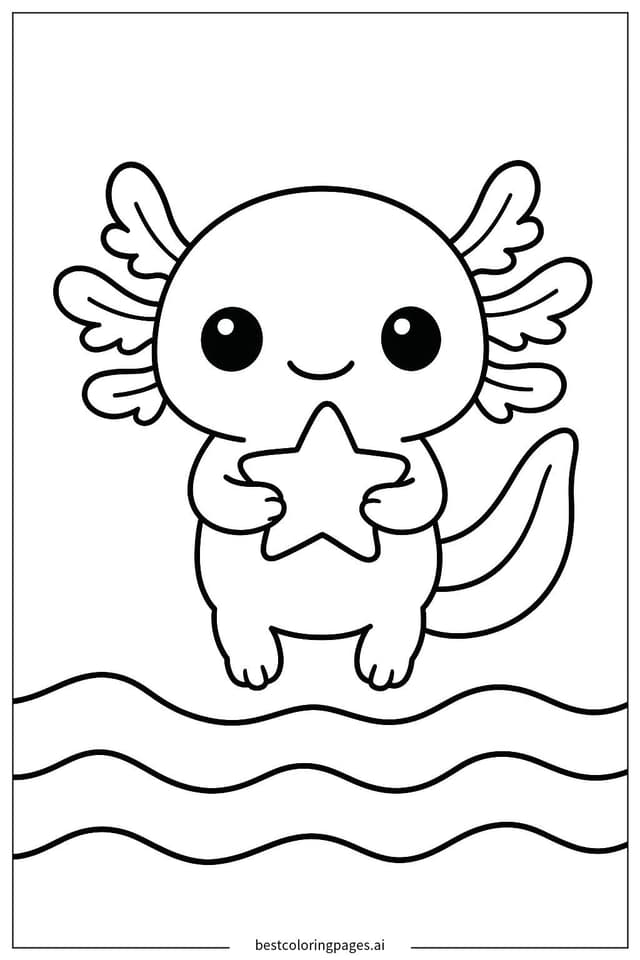
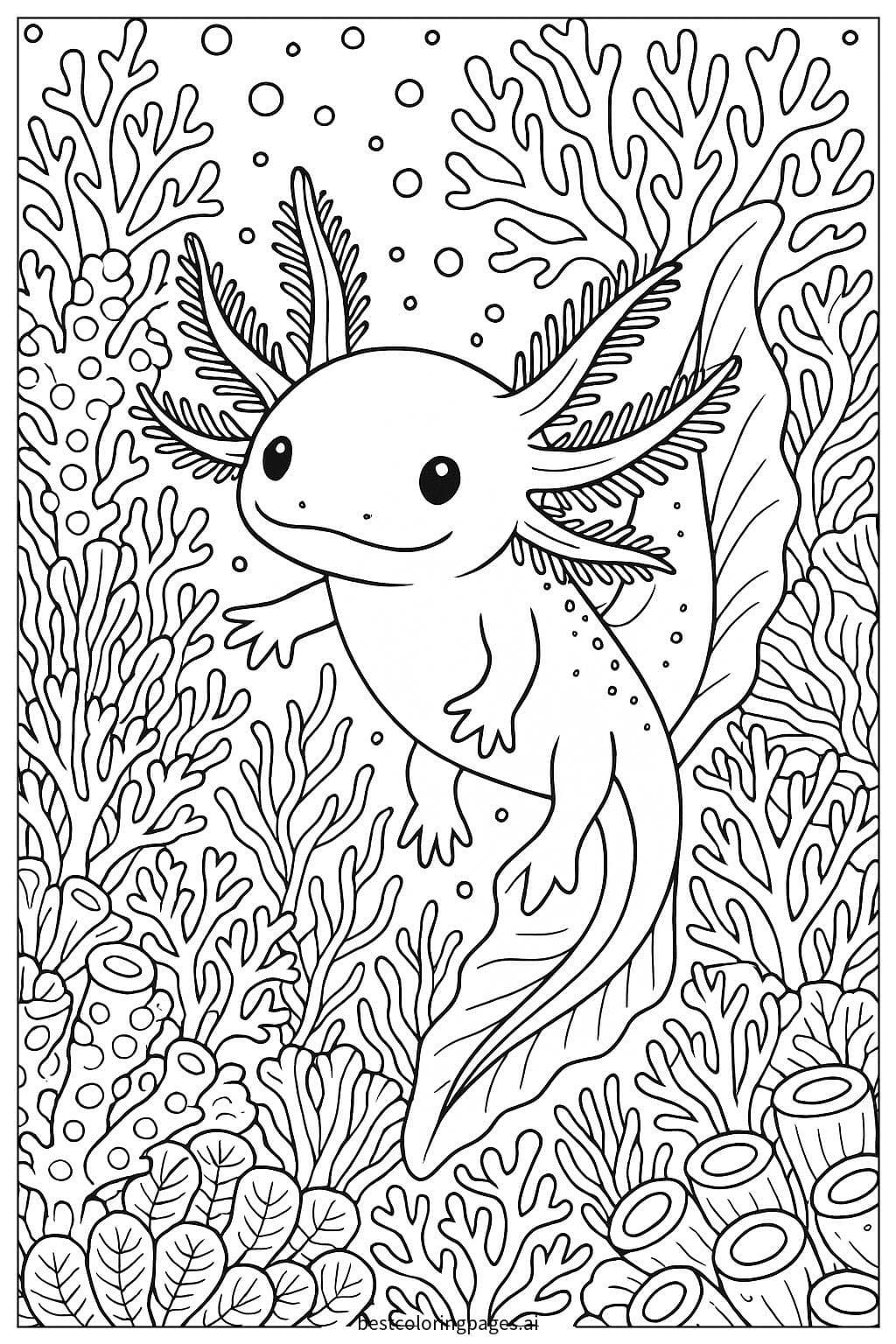
Coloring pages axolotl foster visual discrimination by requiring children to navigate complex organic shapes, feathery external gills, and distinct tail fins. Early childhood developmental frameworks emphasize that repetitive exposure to curved lines and asymmetrical shapes conditions the hand and brain to manage advanced handwriting tasks. Educators can leverage these amphibian-themed sheets to introduce scientific concepts like regeneration, aquatic habitats, and bilateral symmetry. Transitioning from basic coloring to structured Drawing Worksheets allows children to build upon these learned contours independently.
Key Specifications and Breakdown
| Age / Learning Stage | Visual Skill & Ratio | Pedagogical Application & Scaffolding |
|---|---|---|
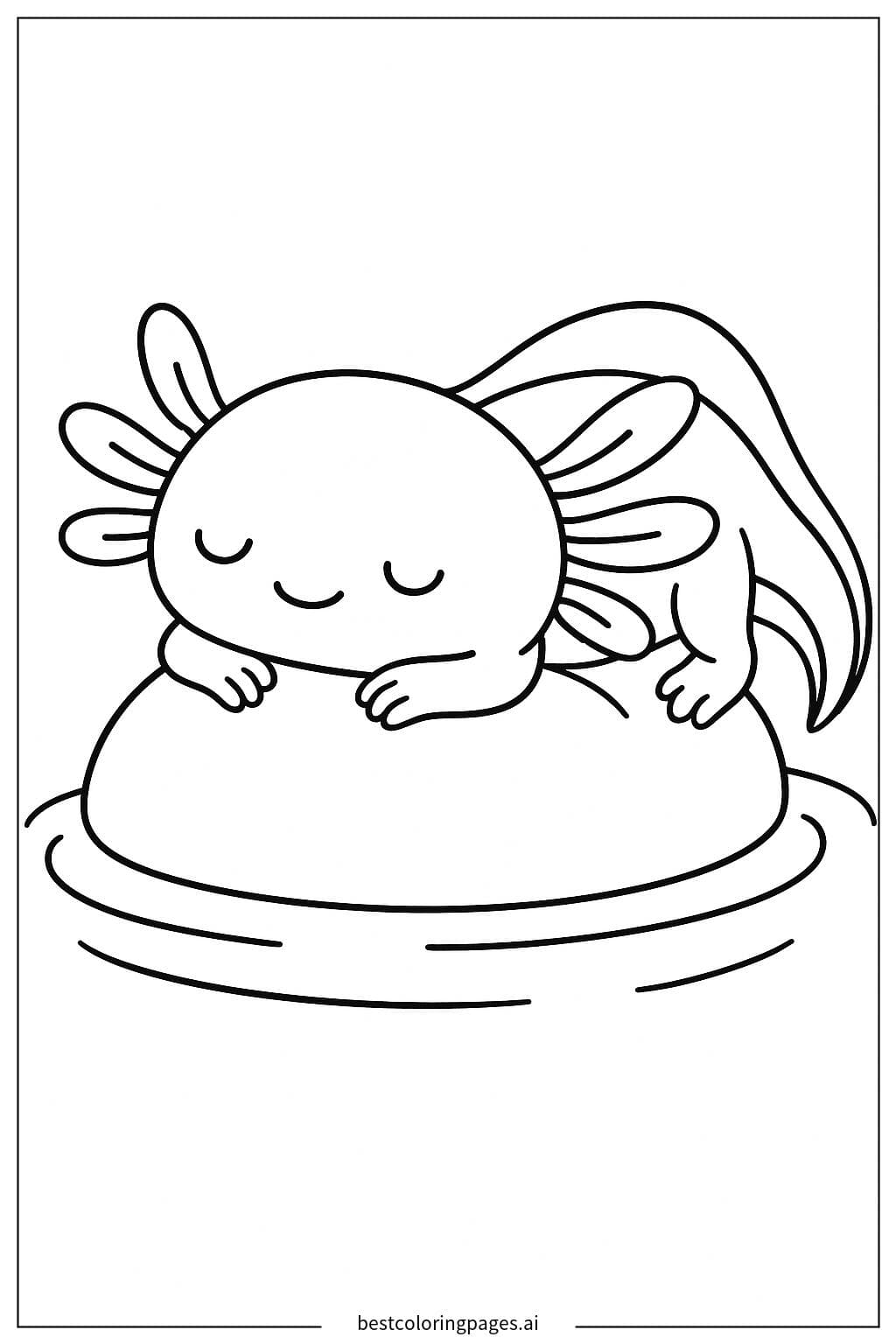
| Ages 3-4 (Early Preschool) | Thick outlines, large bodily proportions, minimal background clutter. | Focuses on gross motor control and staying within simple boundaries using chunky crayons. |
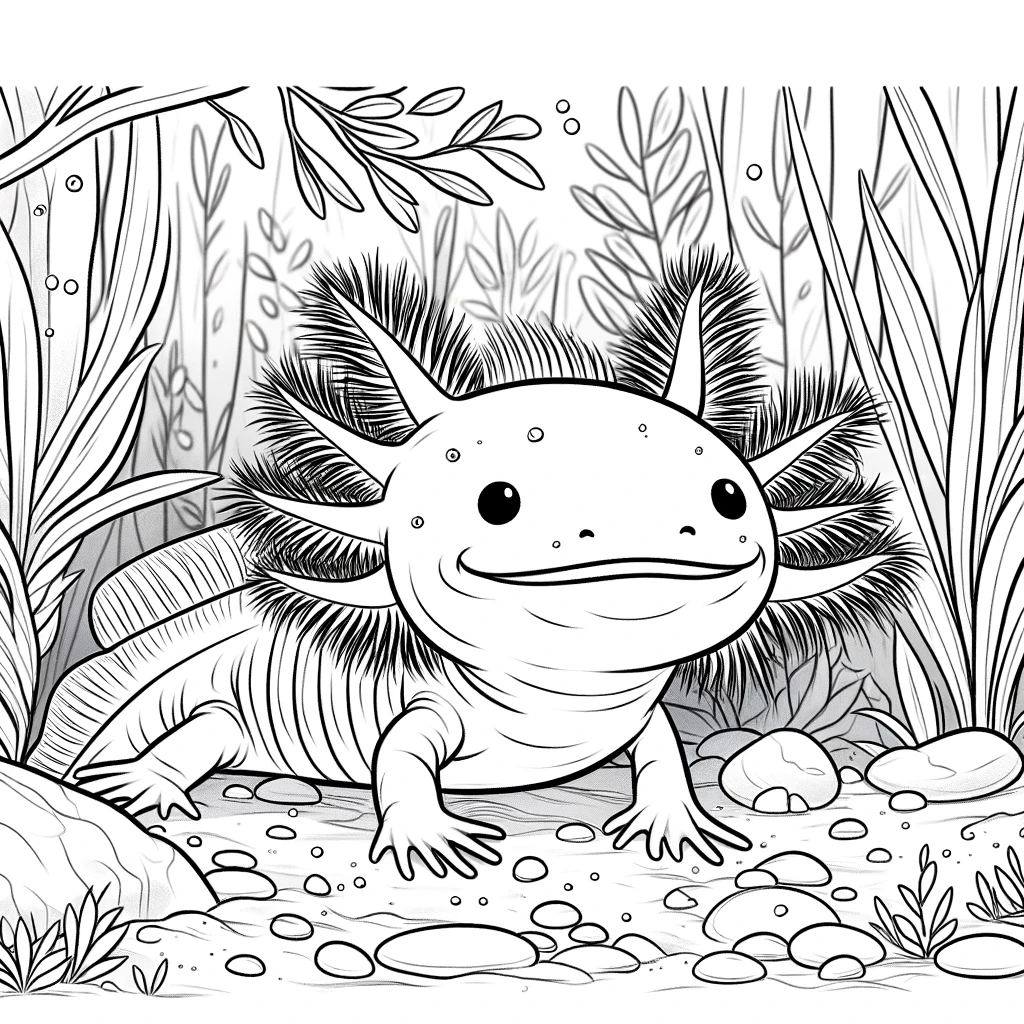
| Ages 5-6 (Kindergarten) | Moderate detail density, distinct gill filaments, varied textures. | Encourages pencil grip refinement, intentional color choice, and pattern recognition. |
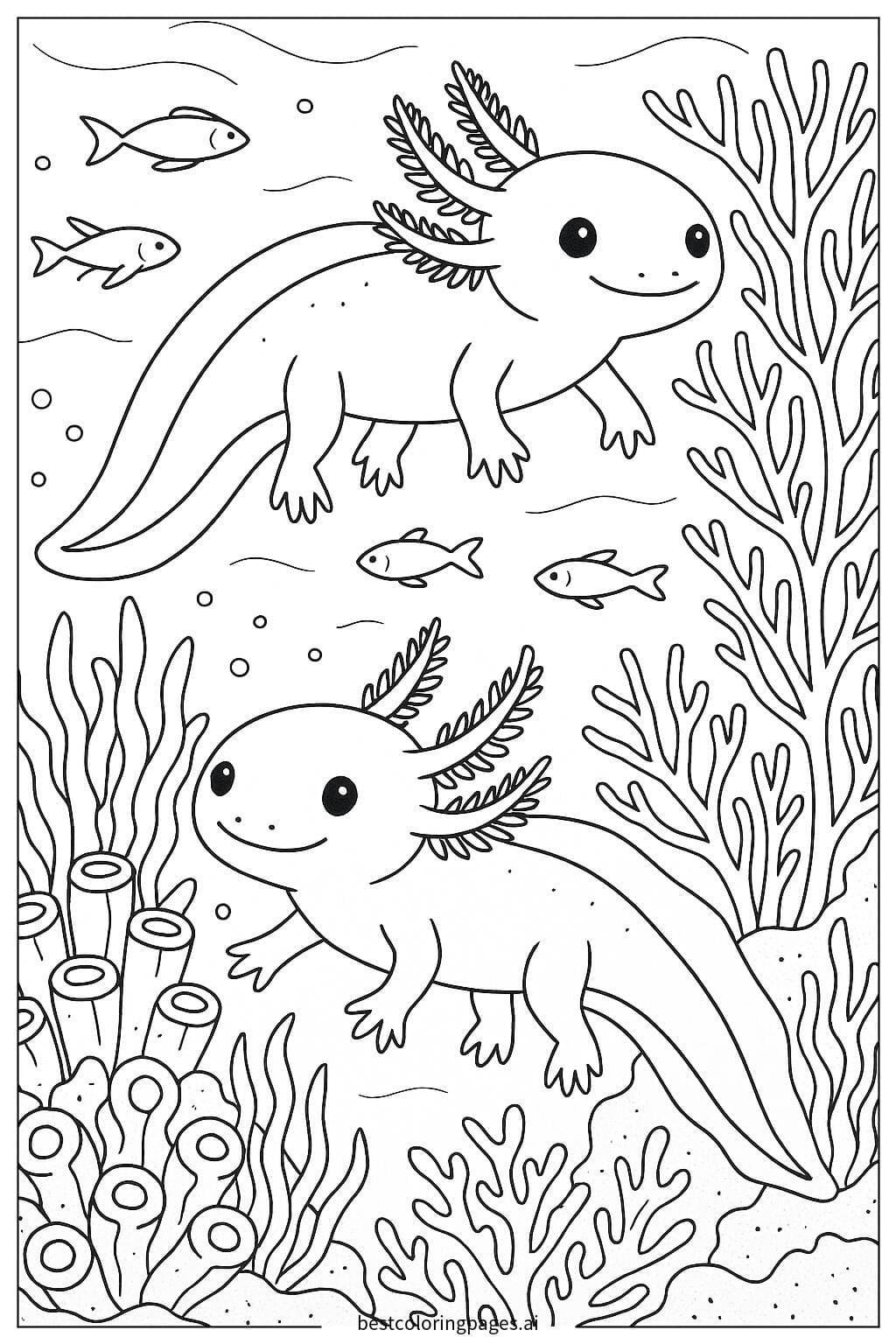
| Ages 7-8 (Early Elementary) | Complex biological features, background habitats, fine line work. | Promotes shading techniques, perspective awareness, and multi-media art applications. |
Visual-motor integration activities during early childhood significantly predict subsequent academic performance in writing and geometry. — National Art Education Association (NAEA)
Step-by-Step Practical Application and Guidelines
Implementing coloring pages axolotl effectively requires a deliberate three-step sequence beginning with visual analysis, moving to tactile execution, and concluding with reflective discussion. First, educators should display reference photographs of real axolotls to discuss anatomical features like external gills and dorsal fins. Next, children select appropriate media—such as watercolor pencils or fine-tip markers—to fill in the Art Activities sheets with mindful attention to texture. Finally, students articulate their color choices and describe the habitat details they added to the background, reinforcing vocabulary and expressive language skills.
Common Challenges and How to Avoid Them
Children frequently experience hand fatigue or frustration when attempting to color overly intricate gill filaments with dull writing utensils. To prevent this hurdle, educators must provide freshly sharpened colored pencils or ultra-fine markers that match the scale of the printed lines. Another common obstacle involves rushed completionism, where students race through the sheet without engaging spatial awareness. Providing specific texture challenges, such as blending pinks and purples on the gills, encourages slower, more mindful artistic engagement.
💬 Frequently Asked Questions
Conclusion and Next Steps
Incorporating theme-based creative sheets into daily schedules bridges the gap between scientific inquiry and artistic expression for developing minds. Educators and parents can expand this learning trajectory further by pairing printable sheets with hands-on Printable Crafts to deepen conceptual mastery and fine-motor dexterity.
Printable Coloring Page Previews