Introduction
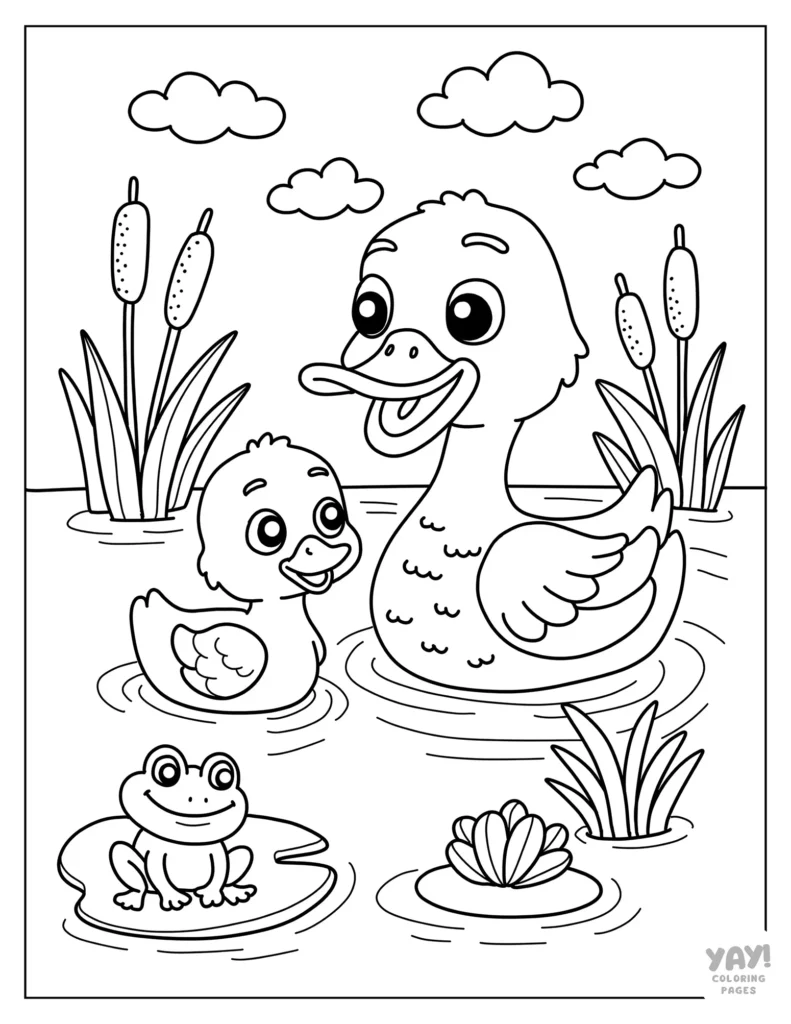
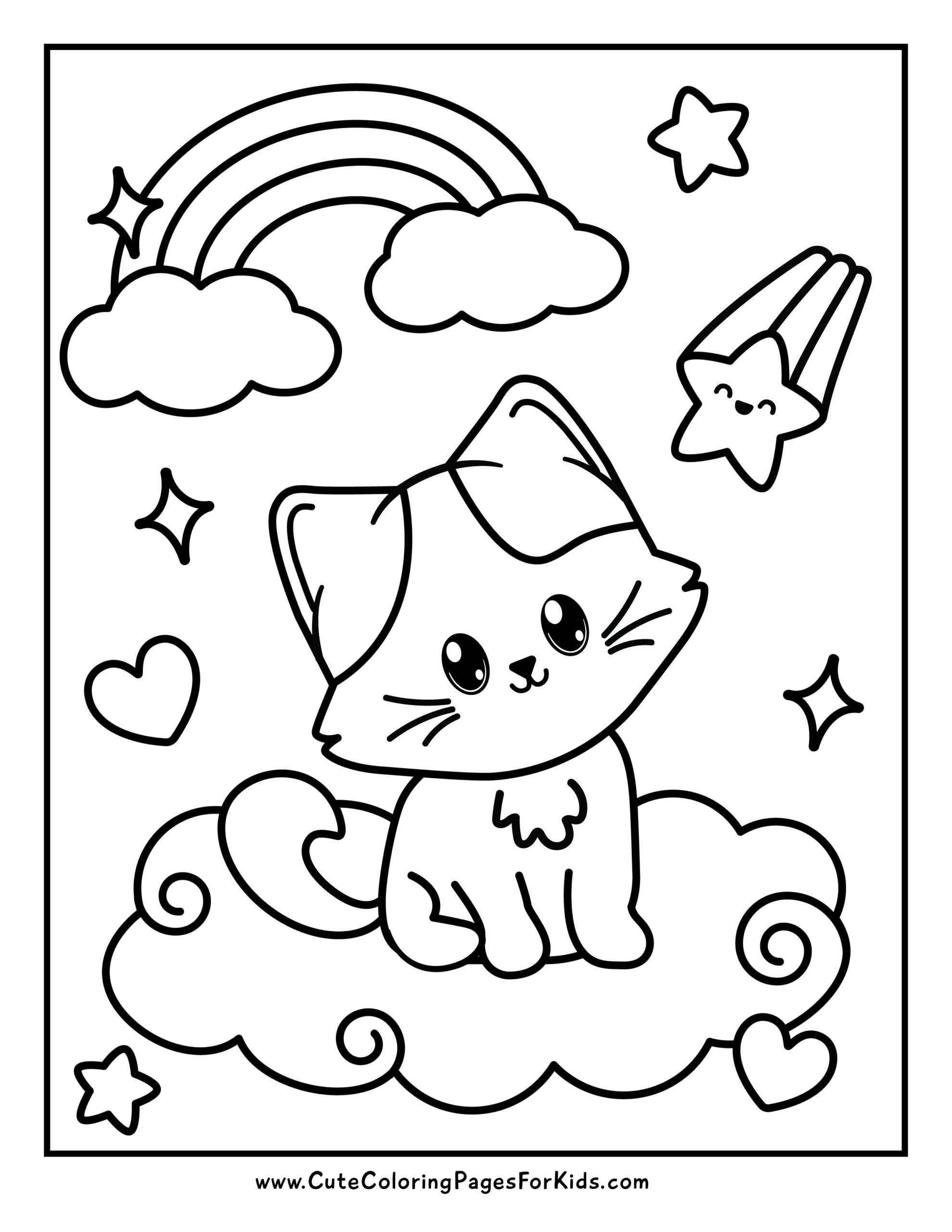
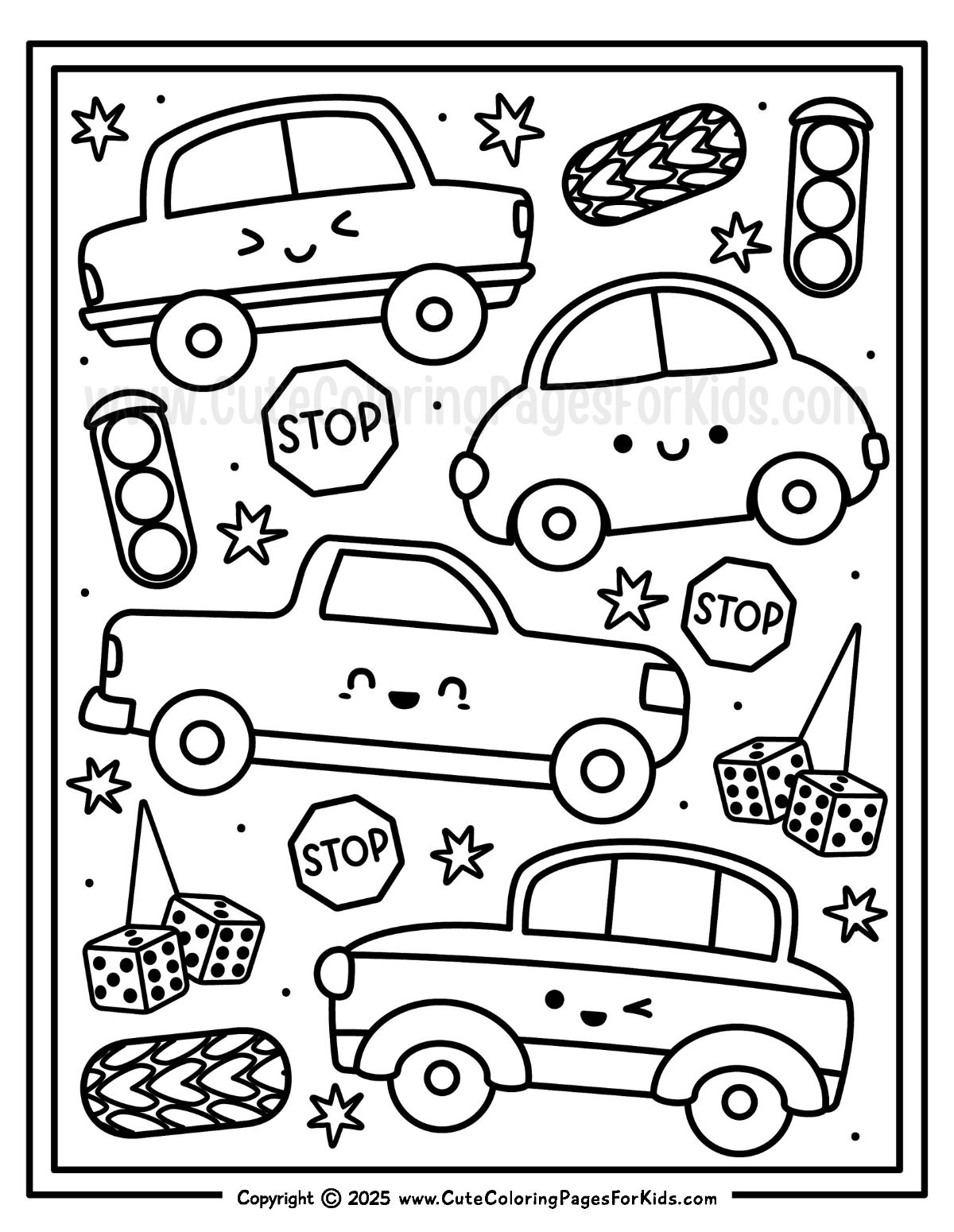
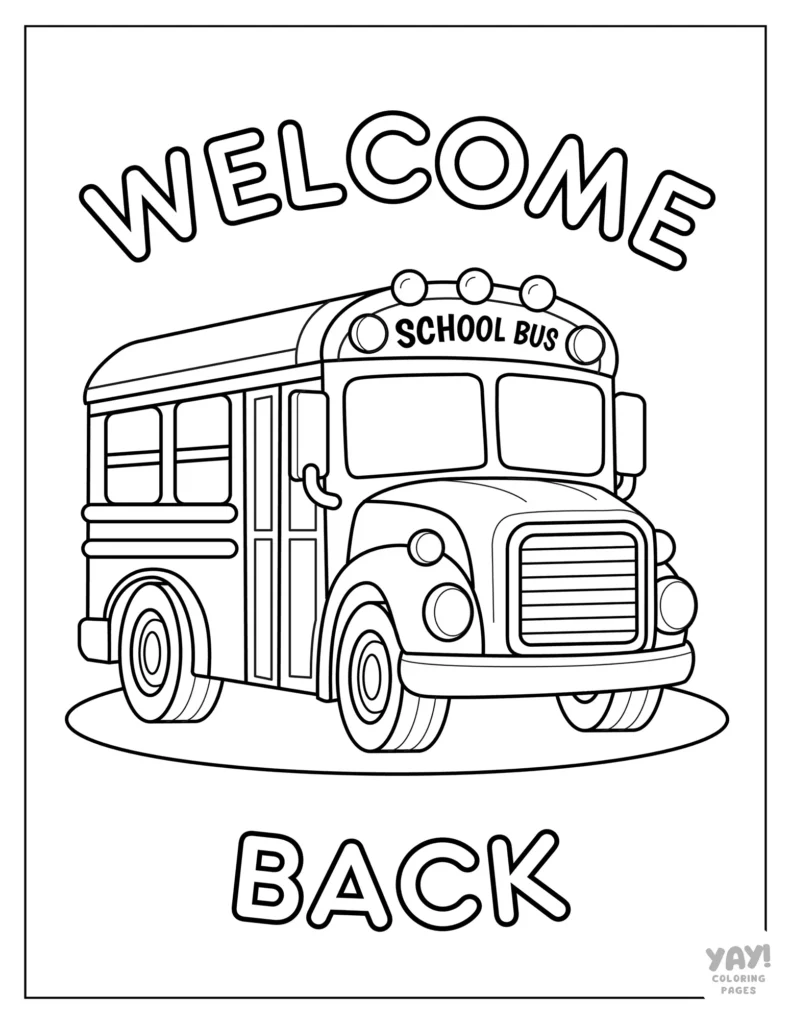
Coloring pages easy are simplified, bold-lined graphic templates specifically engineered to support foundational visual processing and fine-motor control in early childhood development. According to the National Association for the Education of Young Children (NAEYC), engaging children in structured, developmentally appropriate graphical marking activities significantly enhances bilateral coordination and pre-writing grip strength. Utilizing accessible line art bridges the gap between unstructured scribbling and precise spatial awareness, making these resources essential for preschool classrooms, homeschool environments, and early elementary art curricula. Exploring carefully curated Coloring Pages offers educators a reliable foundation for building essential visual-motor competencies.
Visual Learning & Skill Snapshot:
- Core Focus: Simplified, bold-line graphical templates optimized for early childhood fine-motor development.
- Target Skill: Spatial boundary recognition, pencil control, visual discrimination, and hand-eye coordination.
- Key Recommendation: Select templates featuring thick outlines and generous open spaces to prevent early frustration.
Core Principles and Learning Overview
Coloring pages easy function as cognitive scaffolds that reduce visual clutter while maximizing tactile engagement for young learners. Direct answer: These accessible printables utilize oversized forms, minimal background details, and thick exterior contours to help children master pencil pressure regulation and boundary containment without cognitive overload. Integrating these tools into daily routines lays the groundwork for advanced Drawing Worksheets as learners progress. Pediatric ergonomics research confirms that simplified geometric and organic contours allow young students to focus entirely on wrist flexibility and stroke consistency rather than complex spatial analysis.
Key Specifications and Breakdown
| Age / Learning Stage | Visual Skill & Ratio | Pedagogical Application & Scaffolding |
|---|---|---|
| Ages 2-3 (Toddler) | Thick outlines (4px+), massive internal fill areas | Encourages gross motor arm movements and introductory grip practice. |
| Ages 4-5 (Preschool) | Medium contours, distinct thematic separation | Builds edge awareness, color vocabulary, and directional stroke control. |
| Ages 6-7 (Early Elementary) | Refined shapes, balanced negative space | Prepares learners for complex Printable Crafts and geometric tasks. |
Early childhood graphic templates must prioritize thick, high-contrast boundary lines to visually assist developing ocular-motor tracking and spatial boundary containment — National Art Education Association (NAEA)
Step-by-Step Practical Application and Guidelines
Implementing coloring pages easy effectively requires intentional material preparation and supportive environmental framing. Direct answer: Educators and caregivers should print templates on heavy-weight cardstock to prevent bleed-through, pair the sheets with thick triangular crayons or washable markers to encourage proper pincer grasps, and allow children complete freedom regarding color choice to foster creative confidence. Transitioning from unstructured coloring into structured Art Activities helps solidify these tactile lessons into lasting cognitive schema.
Common Challenges and How to Avoid Them
Addressing common frustrations during early coloring tasks prevents student burnout and encourages sustained engagement with fine-motor exercises. Direct answer: When learners experience hand fatigue or express frustration with staying inside lines, educators should immediately step back to simpler, less detailed templates with wider bounding boxes. Rushing young children toward hyper-detailed coloring often triggers anxiety; keeping the initial design work effortless and enjoyable preserves intrinsic motivation for creative learning.
💬 Frequently Asked Questions
Conclusion and Next Steps
Integrating accessible graphical resources into early childhood education creates a joyful, low-stress pathway toward advanced artistic and academic competencies. By selecting purposeful templates that match current developmental stages, educators empower children to build unbreakable confidence in their creative abilities. Discover an extensive collection of inspiring resources and elevate daily learning by exploring the professional printables available at ColorLeaf Studio.
Printable Coloring Page Previews