Introduction
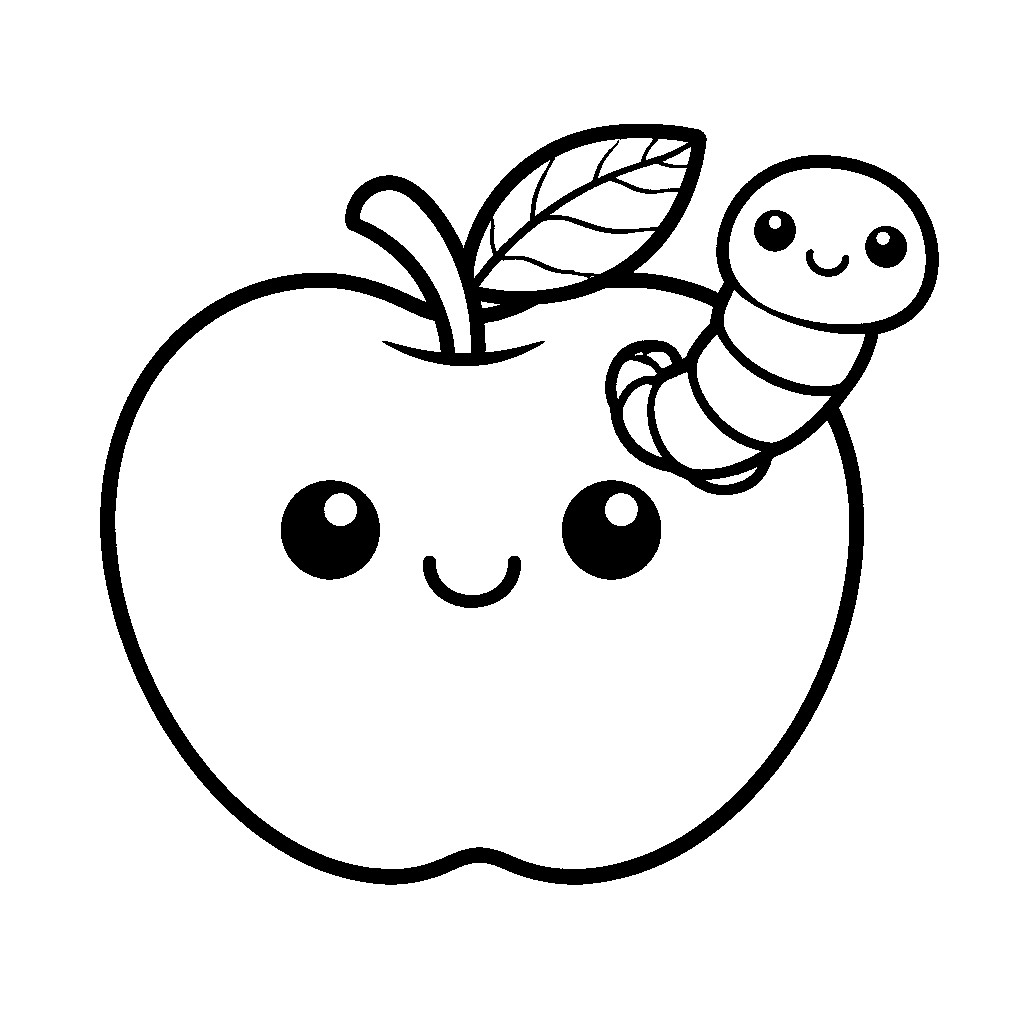
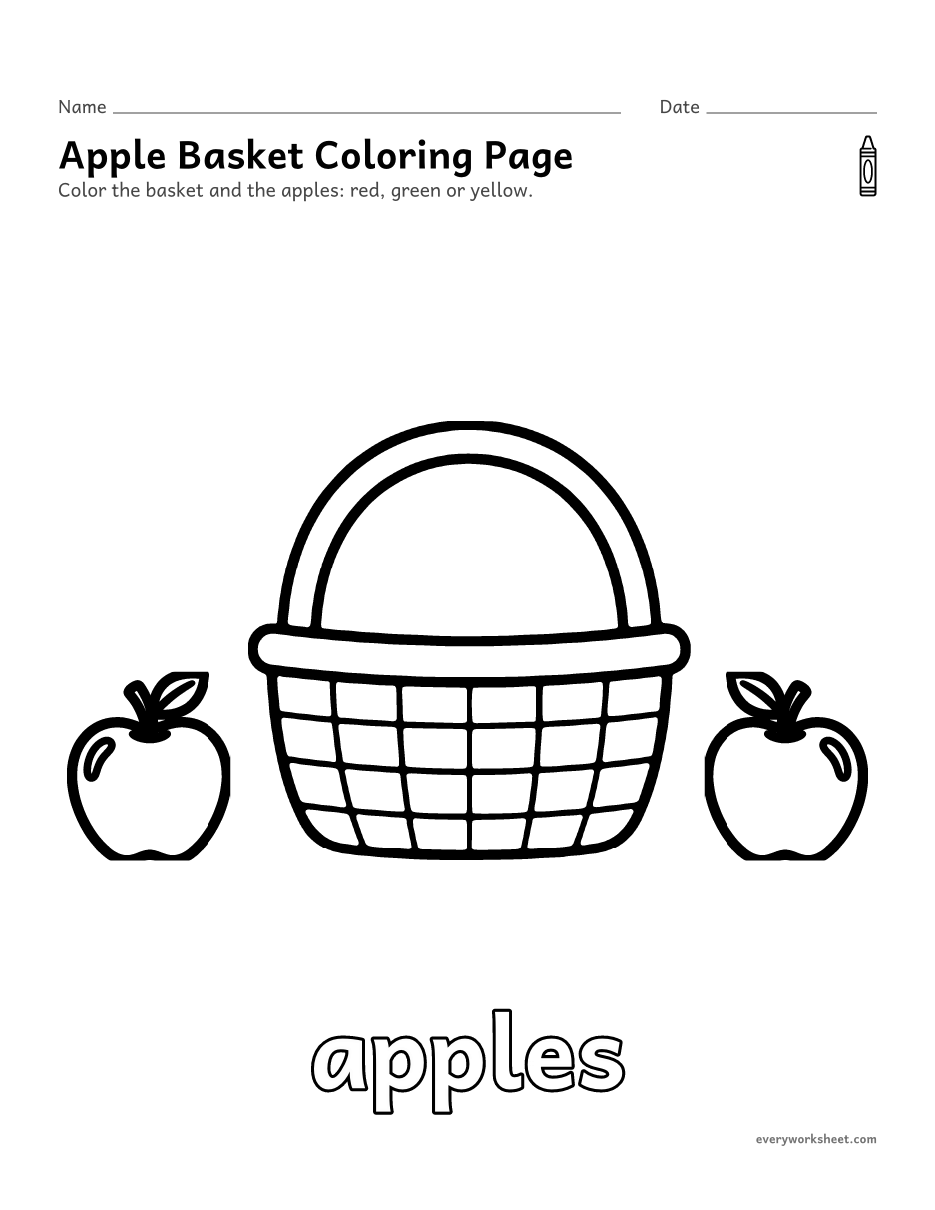
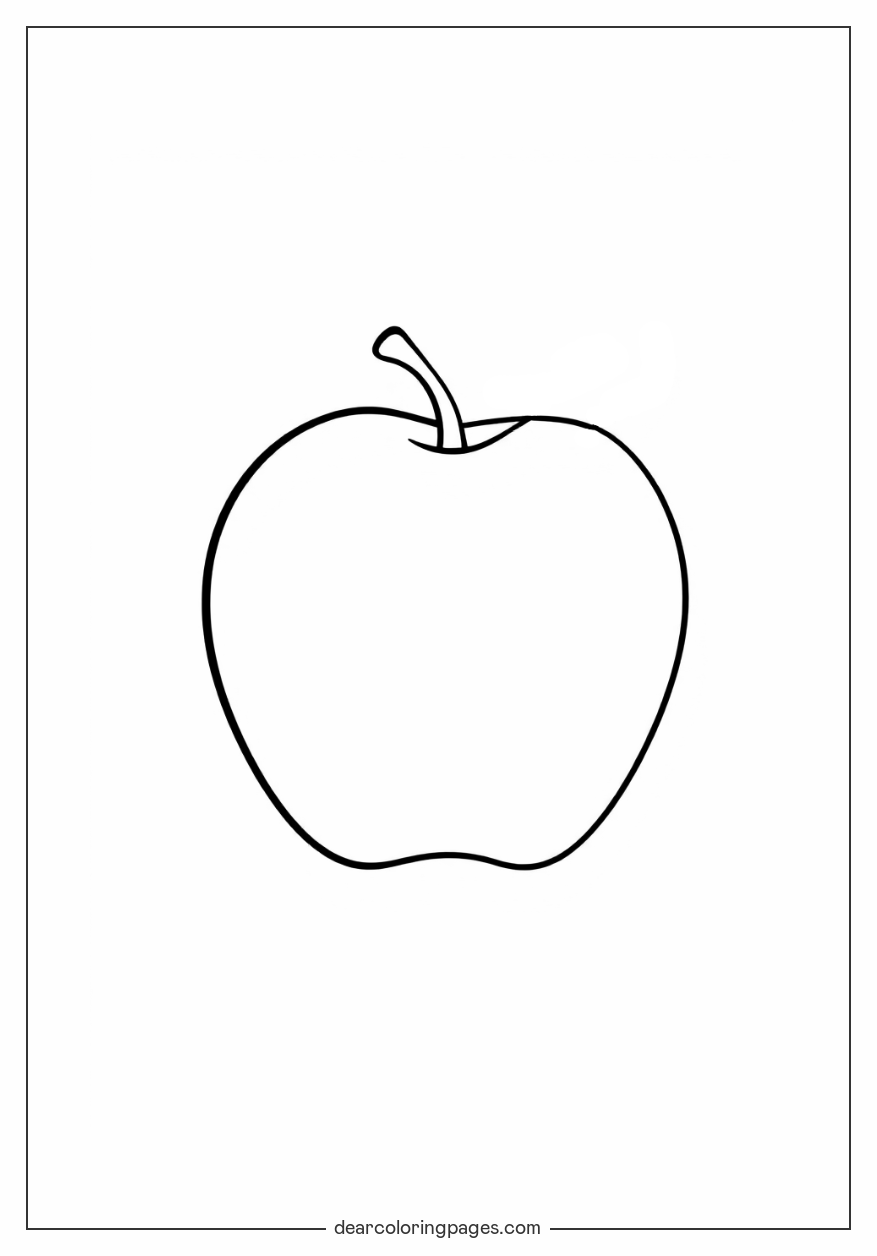
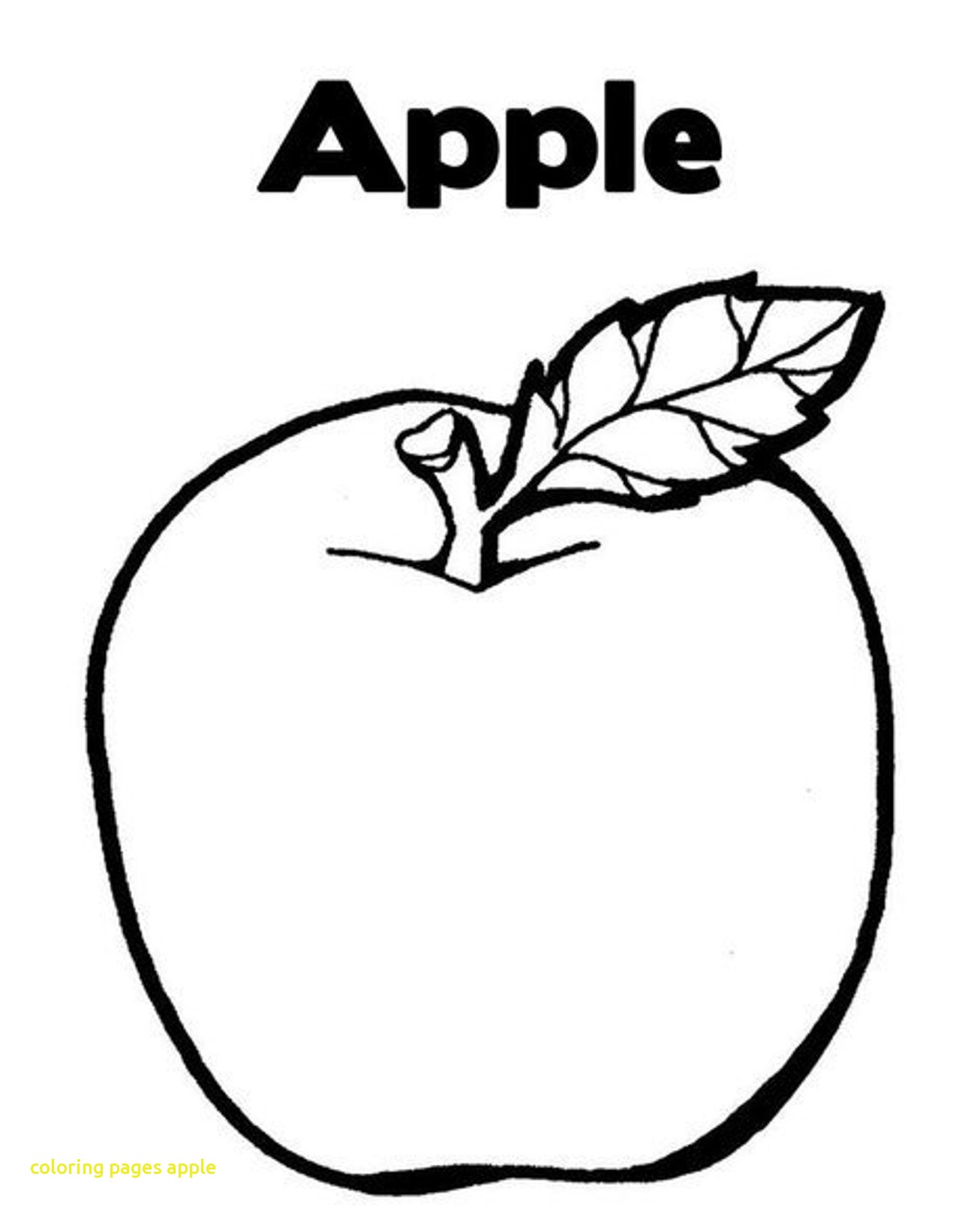
Coloring pages apple resources serve as structured visual templates that enhance early childhood cognitive development by combining botanical recognition with fine motor skill refinement. According to the National Association for the Education of Young Children (NAEYC), purposeful manipulation of early art media and structured templates directly supports bilateral coordination and spatial awareness in young learners. These curated assets bridge foundational geometry with thematic representation, supporting educators and caregivers in delivering structured visual arts curricula. Engaging children with structured apple templates provides a reliable baseline for studying natural forms, color theory, and contour boundaries.
Visual Learning & Skill Snapshot:
- Core Focus: Botanical contour accuracy and fine-motor pencil control using standardized apple templates.
- Target Skill: Spatial reasoning, visual discrimination, fine-motor proportion, and thematic concept mastery.
- Key Recommendation: Pair outline sheets with multi-medium shading exercises to build hand strength and color blending competency.
Core Principles and Learning Overview
Coloring pages apple assets establish fundamental visual templates that train children to recognize natural symmetry, stem placement, and organic curves. These pedagogical sheets translate complex three-dimensional objects into manageable two-dimensional spaces, allowing children to practice boundary containment and pressure modulation. By integrating botanical themes into early learning environments, educators foster cognitive connections between nature study and graphic representation. Utilizing well-designed outlines allows instructors to observe how children interpret perspective, balance, and directional strokes within a confined perimeter.
Key Specifications and Breakdown
| Age / Learning Stage | Visual Skill & Ratio | Pedagogical Application & Scaffolding |
|---|---|---|
| Ages 3-4 (Early Preschool) | Thick outlines, 1:1 scale, minimal internal detail | Focuses on gross motor control and staying within wide, simplified contour boundaries. |
| Ages 5-6 (Kindergarten) | Moderate line weight, inclusion of stem and leaf | Introduces directional coloring, color blending (reds, greens, yellows), and spatial proportion. |
| Ages 7+ (Early Elementary) | Fine cross-hatching templates, segmented apple halves | Encourages observational drawing, scientific labeling, and advanced shading techniques. |
Early art experiences that incorporate structured contour templates significantly enhance visual-motor integration and pencil grip stamina in children aged three to seven years. — National Art Education Association (NAEA)
Step-by-Step Practical Application and Guidelines
Implementing coloring pages apple activities requires careful preparation of physical workstations, selecting appropriate coloring mediums, and guiding students through intentional stroke direction. Educators should begin by presenting a real fruit to discuss texture, stem anatomy, and color variations before distributing printed sheets. Instructors must encourage children to start coloring from the center and move outward to maintain control over the paper edges. Following the coloring exercise, teachers can transition learners toward more advanced Drawing Worksheets to reinforce contour retention and independent sketching.
Common Challenges and How to Avoid Them
Common challenges during apple coloring exercises include hand fatigue from excessive gripping, frustration with staying inside complex stem lines, and rushed scribbling that ignores spatial form. Educators can prevent fatigue by substituting standard crayons with ergonomic triangular pencils or soft beeswax blocks that encourage a correct tripod grasp. When children rush through templates, instructors should introduce structured mindfulness techniques, such as pausing to identify different light sources and shadow placement on the apple’s skin. Supplementing these lessons with hands-on Printable Crafts helps reinforce the physical dimensions of the subject matter.
💬 Frequently Asked Questions
Conclusion and Next Steps
Integrating structured botanical outlines into early learning curriculums provides an effective bridge between creative expression and foundational cognitive development. Educators, parents, and homeschoolers can easily expand seasonal art lessons by incorporating multidisciplinary materials into daily planning. Explore the comprehensive collection of Coloring Pages available at ColorLeaf Studio to support engaging, skill-building art education today.
Printable Coloring Page Previews