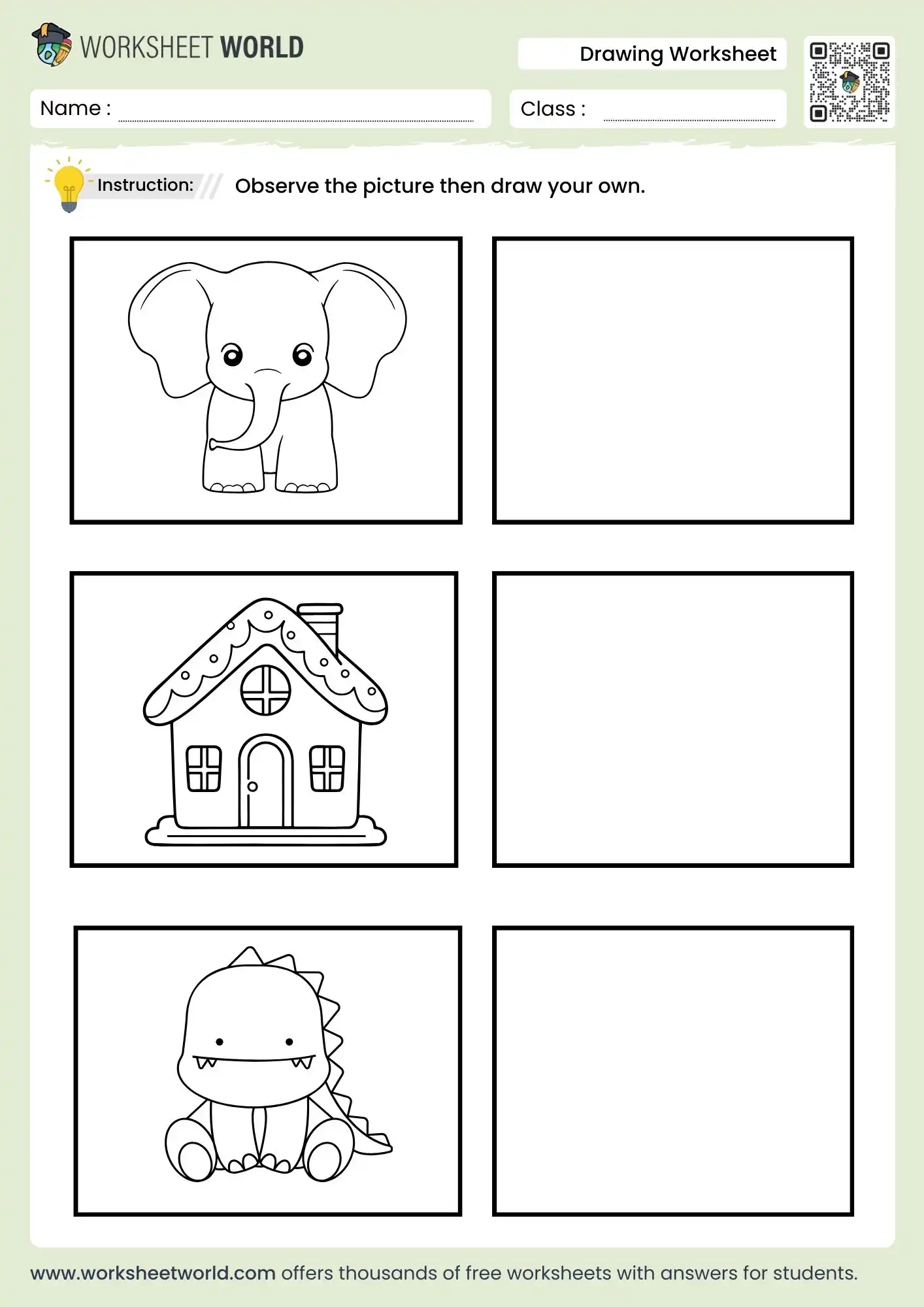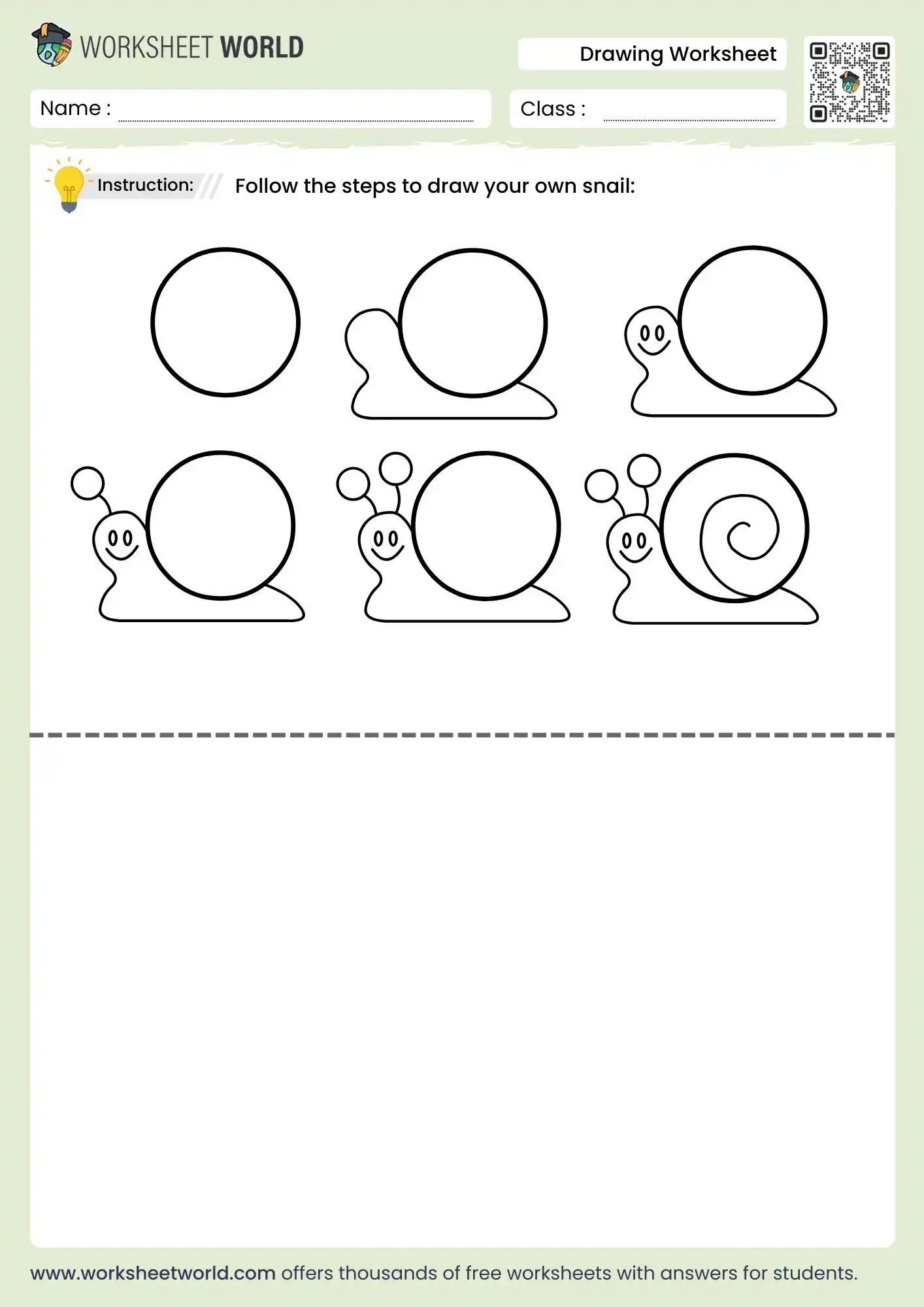
Introduction
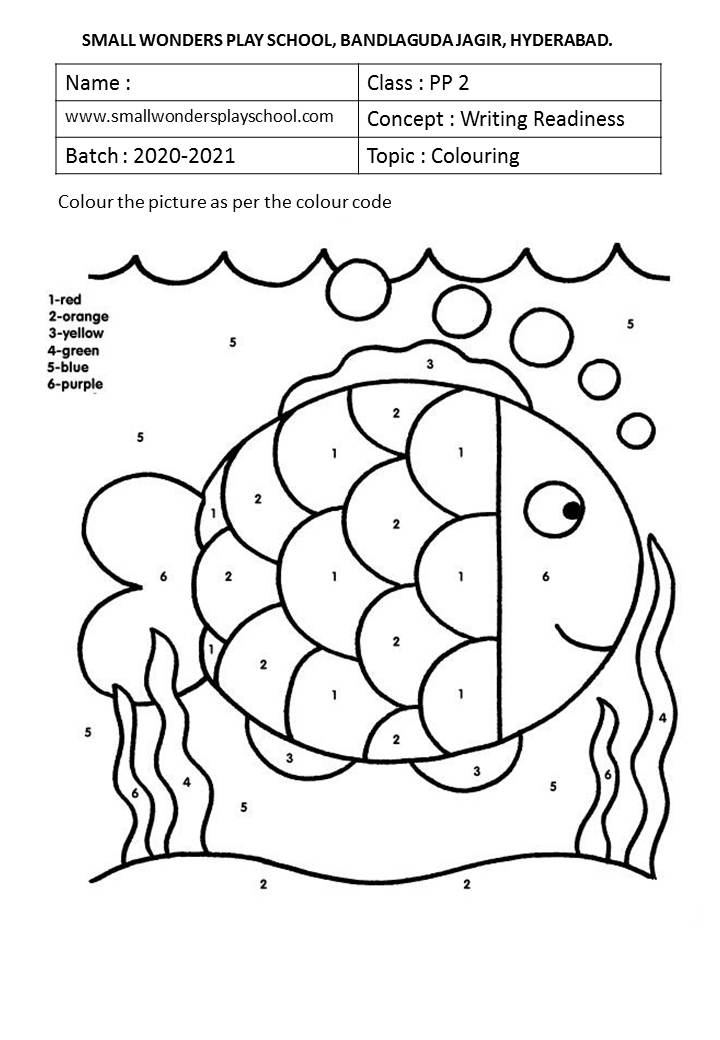
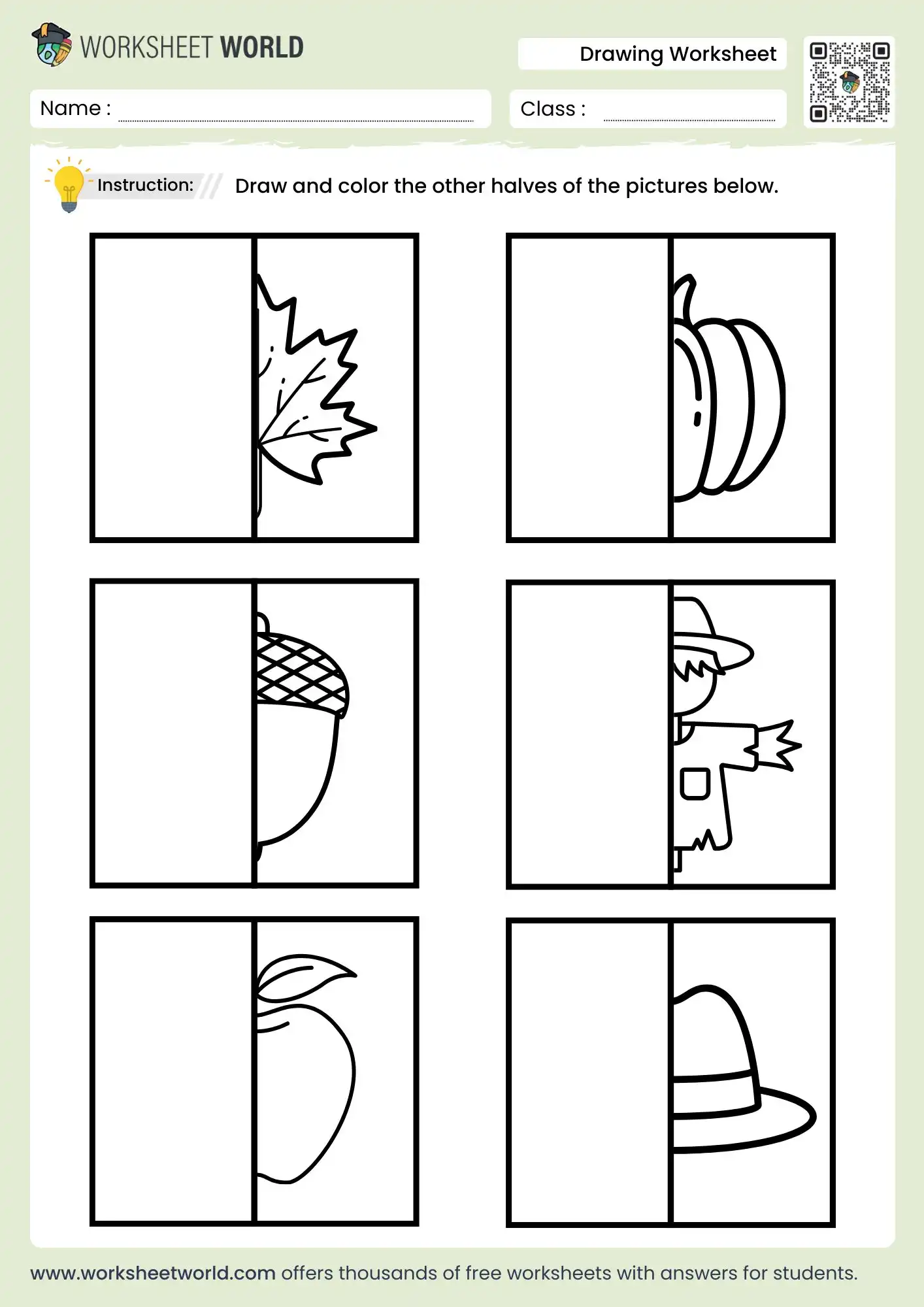
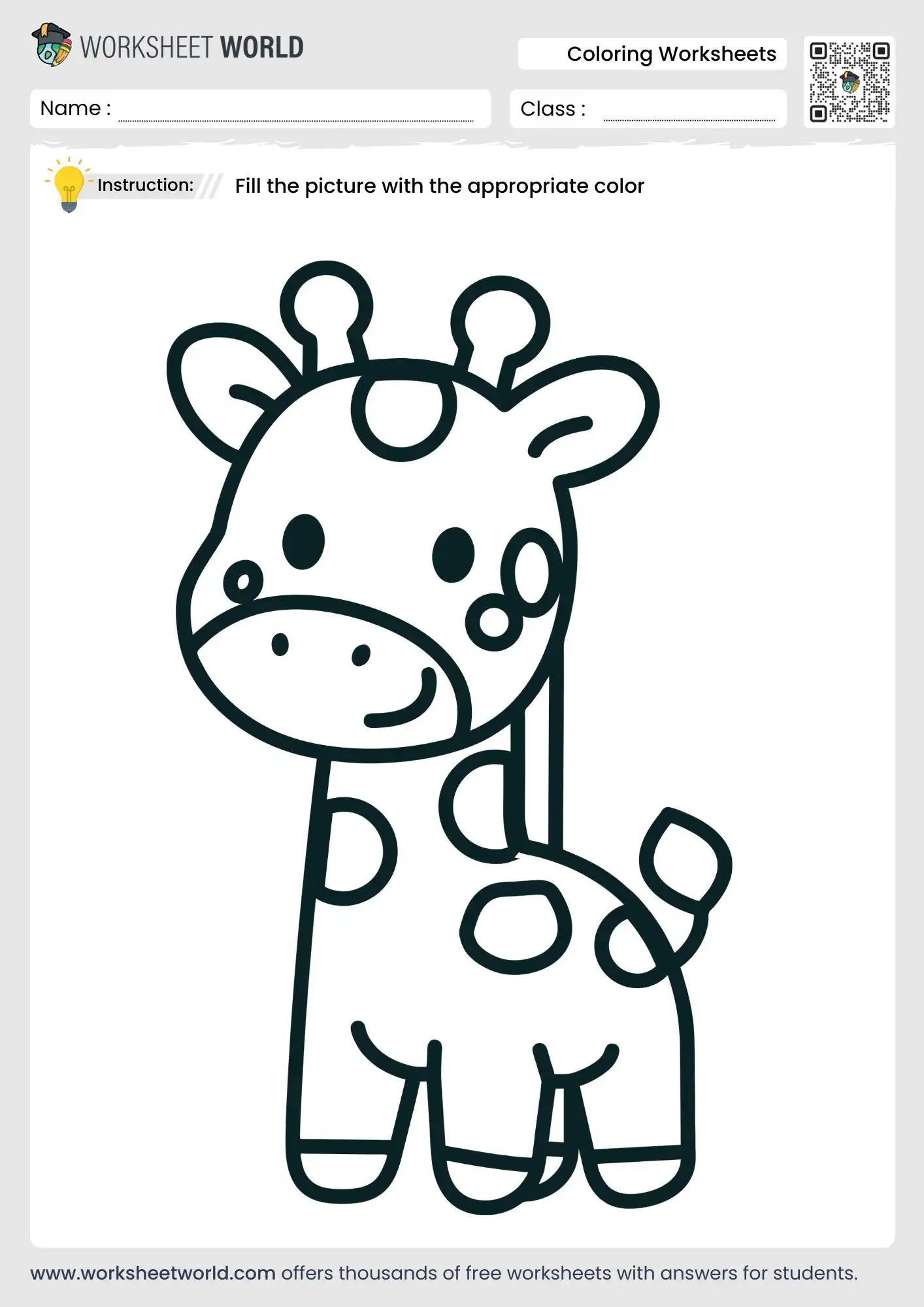
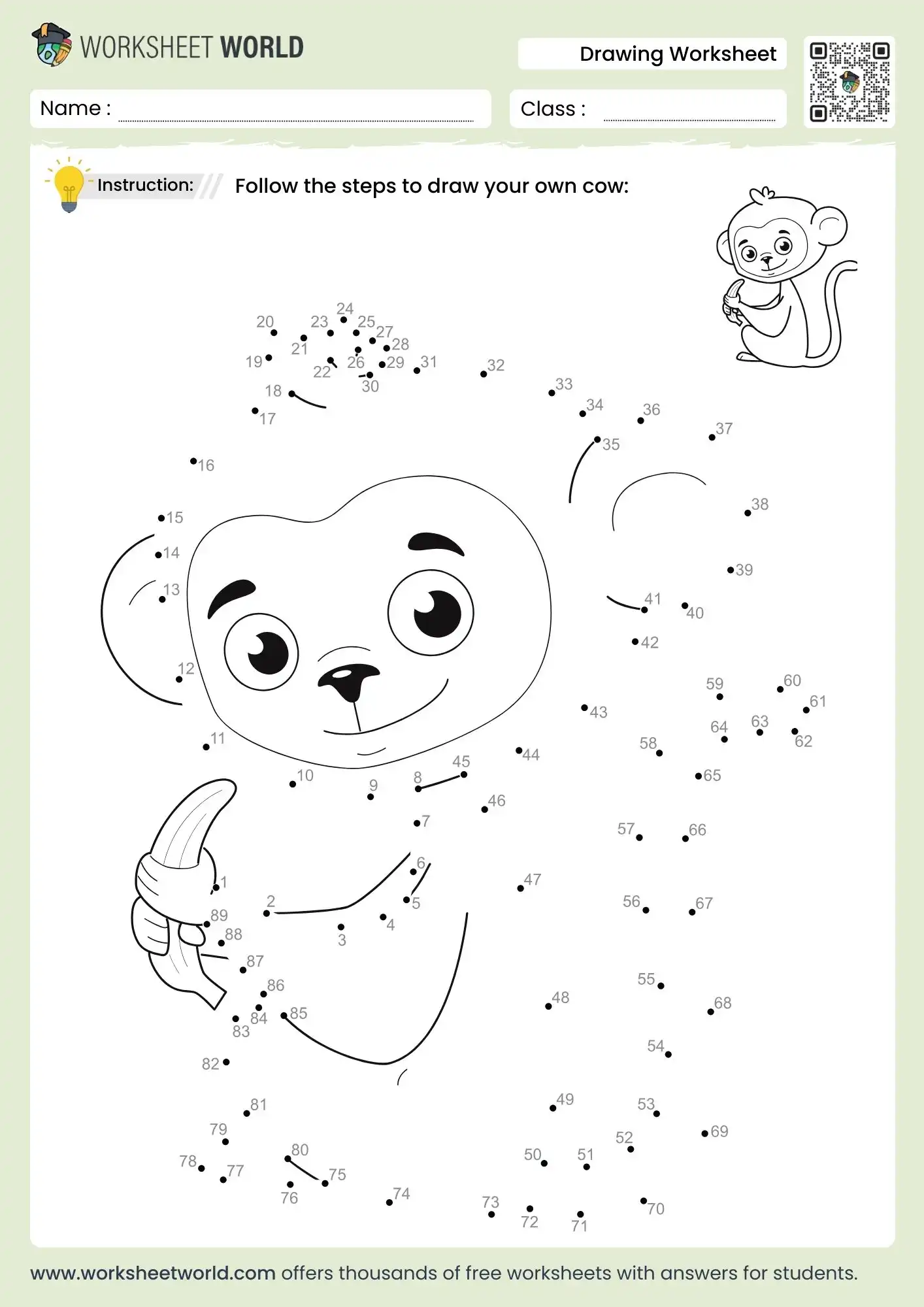
Drawing worksheets for nursery class pdf format provide structured, downloadable foundational resources that systematically build early fine-motor control, visual-spatial awareness, and pencil grip coordination in toddlers and preschoolers. According to the National Association for the Education of Young Children (NAEYC), purposeful manipulation of writing and drawing tools during early childhood directly strengthens neural pathways essential for subsequent literacy and mathematical mastery. Accessing these developmental assets through digital collections allows educators and caregivers to instantly supply repeated, high-quality practice sheets tailored to specific cognitive milestones.
Visual Learning & Skill Snapshot:
- Core Focus: Providing structured, print-ready tracing and drawing sheets optimized for nursery-level cognitive development.
- Target Skill: Bilateral coordination, hand-eye calibration, shape recognition, and stroke stabilization.
- Key Recommendation: Select high-contrast, uncluttered printable templates that match current fine-motor endurance levels to prevent frustration.
Core Principles and Learning Overview
Drawing worksheets for nursery class pdf materials function as cognitive scaffolds by transforming abstract spatial concepts into tangible, guided motor tasks. When young children engage with structured tracing lines, geometric contours, and simple contour completion exercises, the visual cortex coordinates directly with cerebellar motor planning centers. Effective design utilizes thick boundary lines and generous target zones to accommodate developing hand-eye coordination. Integrating these foundational resources alongside broader Drawing Worksheets ensures young learners receive a balanced progression from free-form scribbling to intentional geometric representation.
Key Specifications and Breakdown
| Age / Learning Stage | Visual Skill & Ratio | Pedagogical Application & Scaffolding |
|---|---|---|
| Nursery Entry (Ages 2-3) | Vertical and horizontal stroke recognition; large target zones (2-inch minimum). | Use continuous thick-line directional tracers paired with playful Coloring Pages to build grip endurance. |
| Mid-Nursery (Ages 3-4) | Curvilinear tracking, basic circle closure, and spatial border awareness. | Implement guided dot-to-dot pathways and simple shape completion tasks supported by structured Art Activities. |
| Advanced Nursery (Ages 4-5) | Cross-body line crossing, diagonal rendering, and proportional symbol creation. | Deploy composite shape drawing prompts alongside creative Printable Crafts to bridge 2D drawing with 3D construction. |
Early childhood drawing experiences must prioritize open-ended exploration and motor confidence over rigid pictorial perfection, as repetitive hand movements strengthen the intrinsic hand muscles required for future writing tasks. — National Art Education Association (NAEA). Related guide: Drawing Worksheets Adults.
Step-by-Step Practical Application and Guidelines
Implementing drawing worksheets for nursery class pdf assets effectively requires intentional environment preparation, correct paper positioning, and appropriate writing instrument selection. Educators and parents should download standard letter-size PDF files and print them onto heavy-weight, matte cardstock to prevent tearing under heavy crayon pressure. Position the worksheet on a flat, well-lit surface directly in front of the child, ensuring both feet touch the floor to encourage stable postural core engagement. Adults should model proper tripod or palmar grasps without forcing physical correction prematurely, allowing natural muscle maturation to guide adjustment while children trace directional arrows from top to bottom and left to right.
Common Challenges and How to Avoid Them
Frequent obstacles encountered when utilizing nursery drawing worksheets include early hand fatigue, visual overwhelm from cluttered page layouts, and resistance to guided directional tracing. To prevent physical strain, limit drawing sessions to brief, five-to-ten-minute intervals and substitute thin pencils with thick triangular wax crayons that naturally encourage correct finger placement. When children experience visual confusion, select minimal PDFs featuring isolated central graphics against vast negative space, which helps focus wandering attention and eliminates cognitive overload.
💬 Frequently Asked Questions
Conclusion and Next Steps
Integrating structured visual resources into early learning environments lays a robust foundation for both artistic expression and academic readiness. Caregivers and educators can immediately expand their developmental toolkits by downloading professional printable assets found within the comprehensive Drawing Worksheets collection at ColorLeaf Studio.
Worksheet Previews & Reference Materials