Introduction
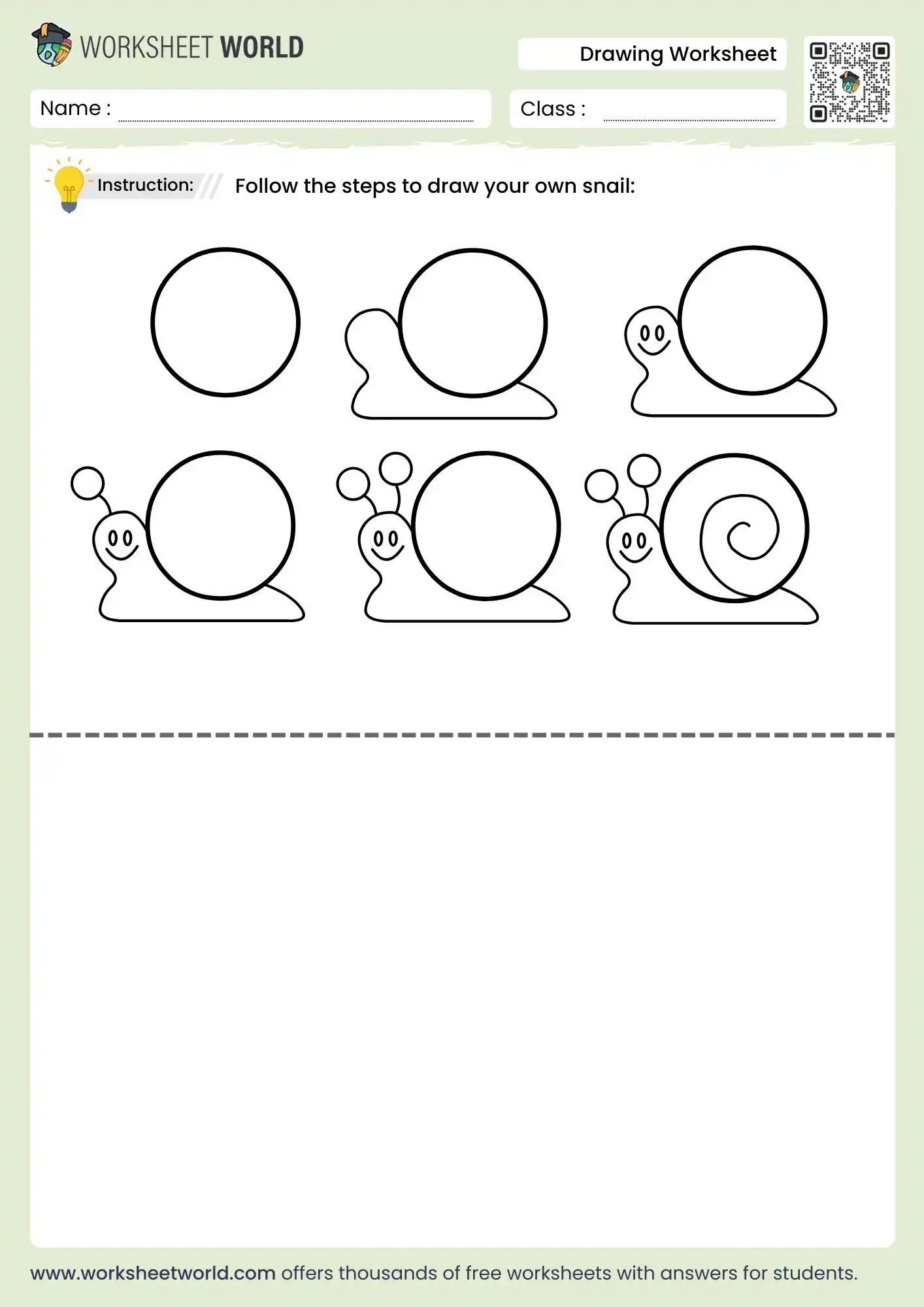
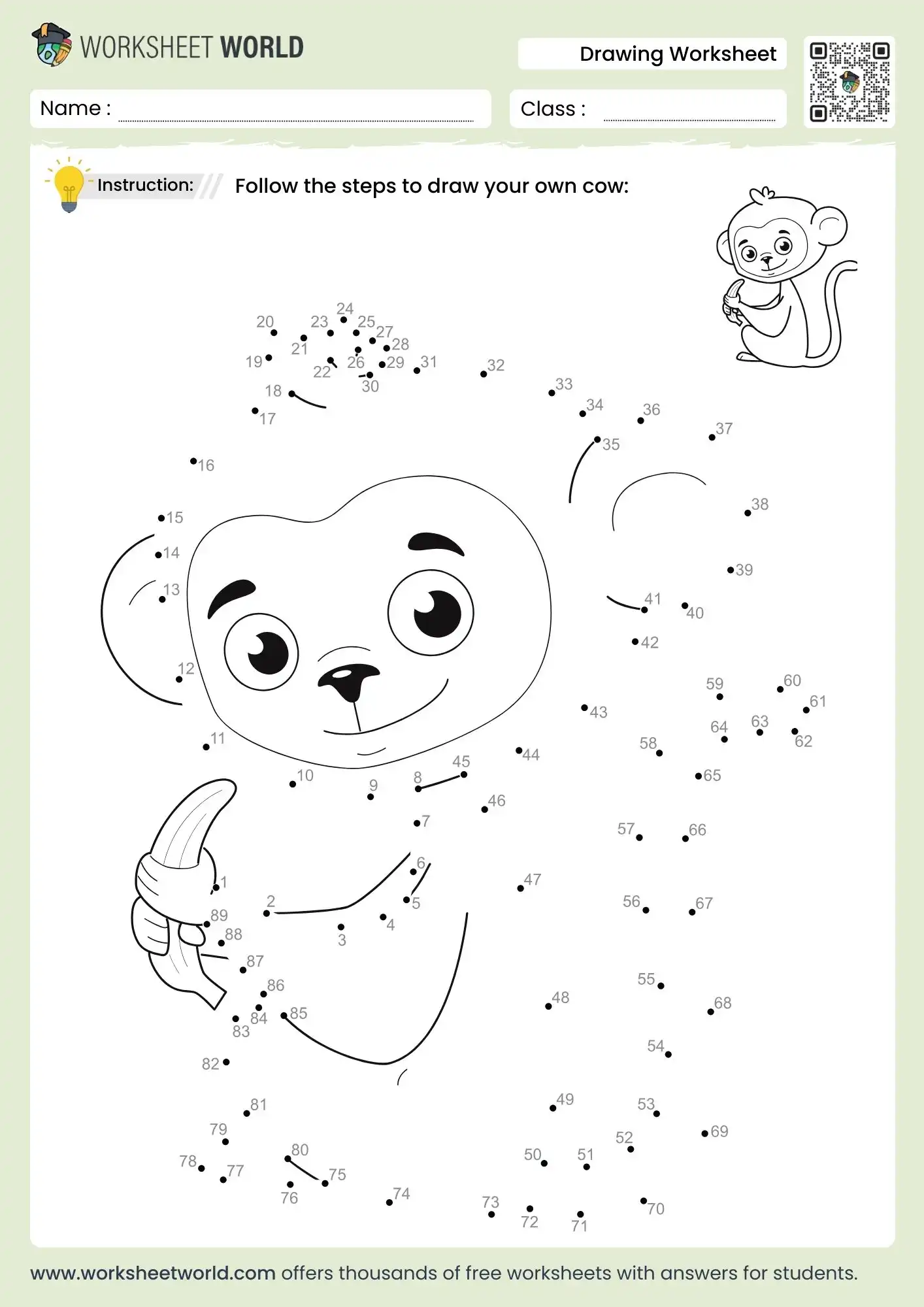
Drawing worksheets for kids provide structured visual scaffolds that bridge foundational fine-motor practice with complex spatial reasoning and creative expression. According to the National Art Education Association (NAEA), early engagement with guided visual arts instruction significantly enhances cognitive flexibility, visual-spatial coordination, and problem-solving capacities in young learners. These printables transform abstract shape recognition into tangible pencil control, offering educators and caregivers a reliable method to foster early artistic confidence.
Visual Learning & Skill Snapshot:
- Core Focus: Structured, printable guides designed to develop children’s foundational drawing and hand-eye coordination.
- Target Skill: Spatial reasoning, visual discrimination, fine-motor proportion, and line control mastery.
- Key Recommendation: Pair structured drawing pages with open-ended Art Activities to balance technical skill acquisition with uninhibited creative expression.
Core Principles and Learning Overview
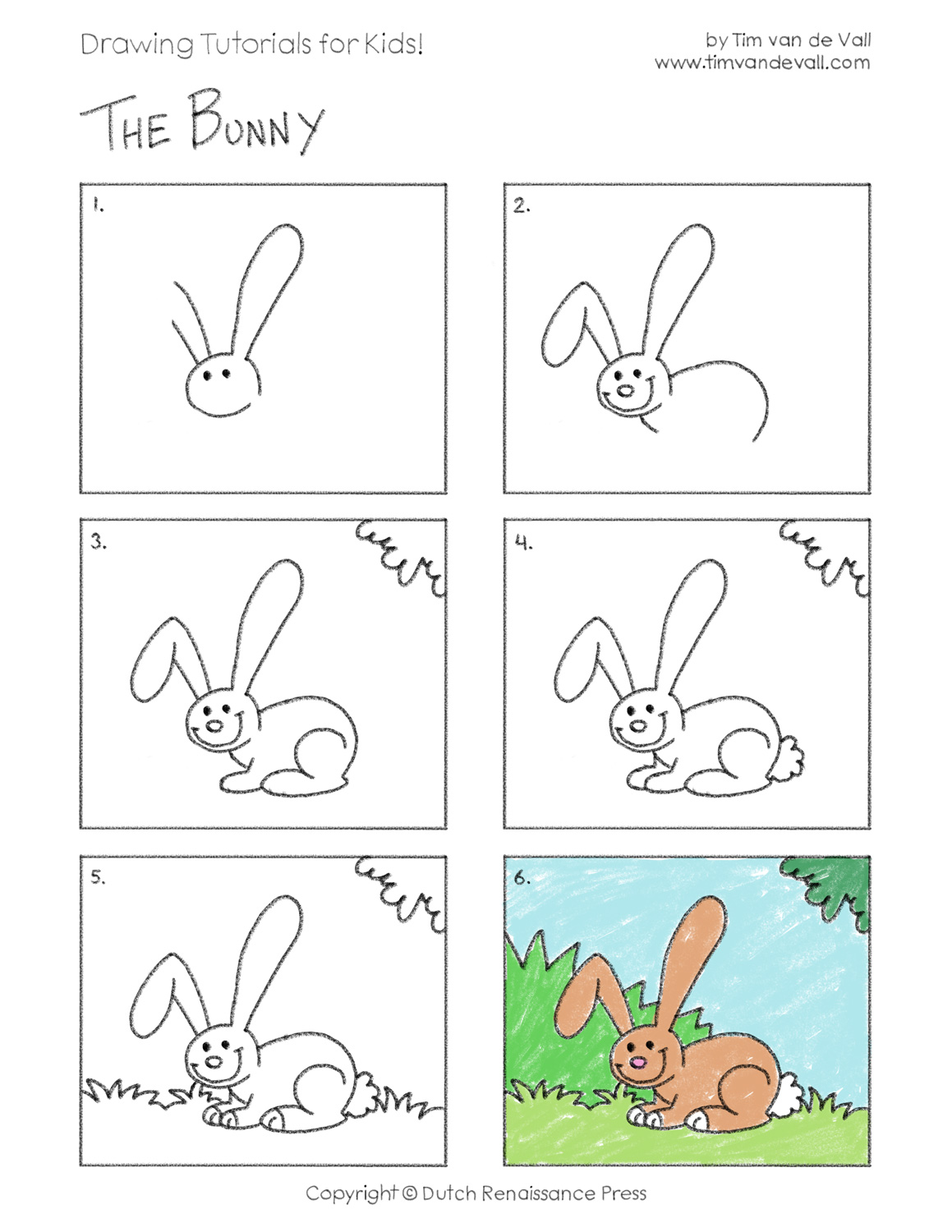
Structured drawing materials operate on the principle of visual scaffolding, breaking down complex visual forms into manageable geometric components that young minds can easily process. Integrating Drawing Worksheets into early childhood curricula systematically guides children through progressive stages of mark-making, from simple tracing drills to independent contour replication. This systematic breakdown reduces cognitive overload, allowing the brain to focus entirely on pressure regulation, bilateral hand coordination, and accurate spatial estimation.
Key Specifications and Breakdown
| Age / Learning Stage | Visual Skill & Ratio | Pedagogical Application & Scaffolding |
|---|---|---|
| Ages 3-4 (Early Preschool) | Gross motor line control, basic vertical and horizontal stroke replication. | Utilize thick-bordered tracing prompts and large geometric contours to build grip strength. |
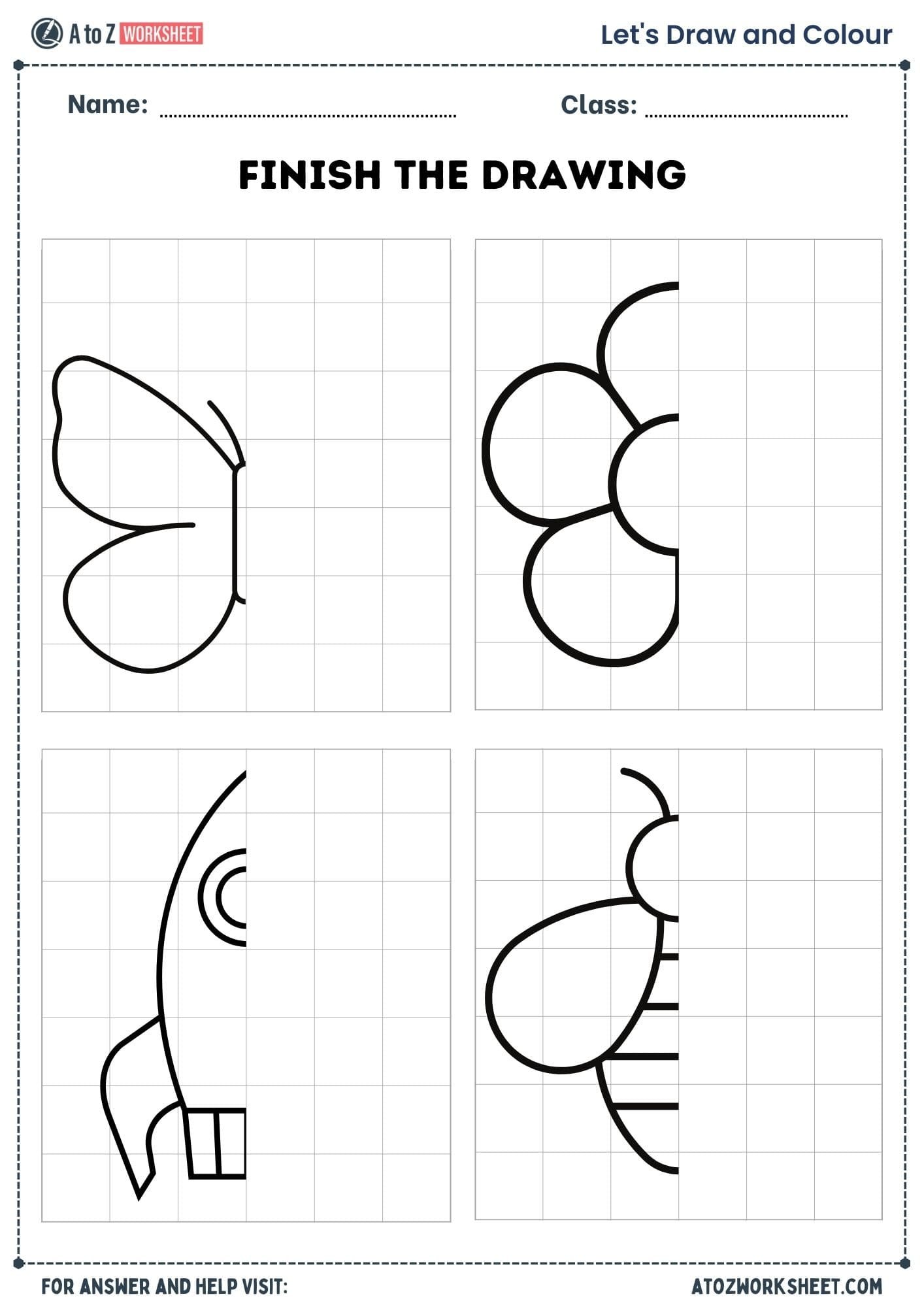
| Ages 5-6 (Kindergarten) | Shape combination, spatial proportion, and basic directional awareness. | Implement step-by-step grid completion sheets and symmetry matching exercises. |
| Ages 7-8 (Early Elementary) | Contour drawing, perspective basics, and fine-detail replication. | Deploy guided observational templates, cross-hatching practice matrices, and scale-up grids. |
Early childhood graphic representation and mark-making directly reinforce foundational neural pathways responsible for symbolic thinking and spatial mathematics — National Art Education Association (NAEA)
Step-by-Step Practical Application and Guidelines
Effective implementation of print-based art instruction requires an intentional setup that prioritizes correct ergonomic posture, proper writing utensil selection, and low-pressure exploration. Educators should first select appropriate media, matching the complexity of the printable to the developmental readiness of the child. Following initial assessment, adults introduce the sheet without immediate interference, allowing children to interpret visual cues independently. For broader artistic exploration beyond flat paper exercises, pairing these sheets with tactile Printable Crafts helps bridge 2D visual recognition with 3D spatial assembly.
Common Challenges and How to Avoid Them
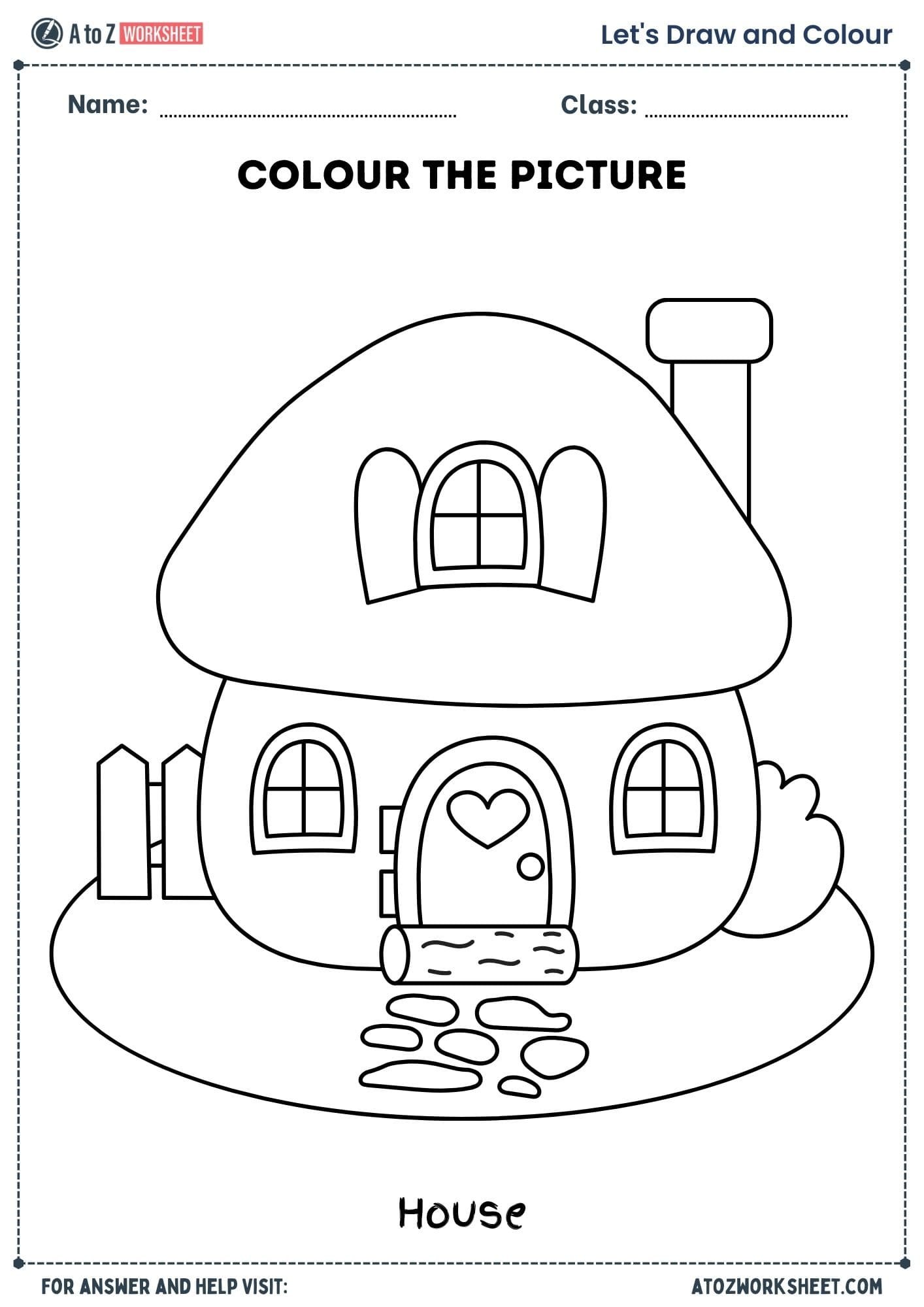
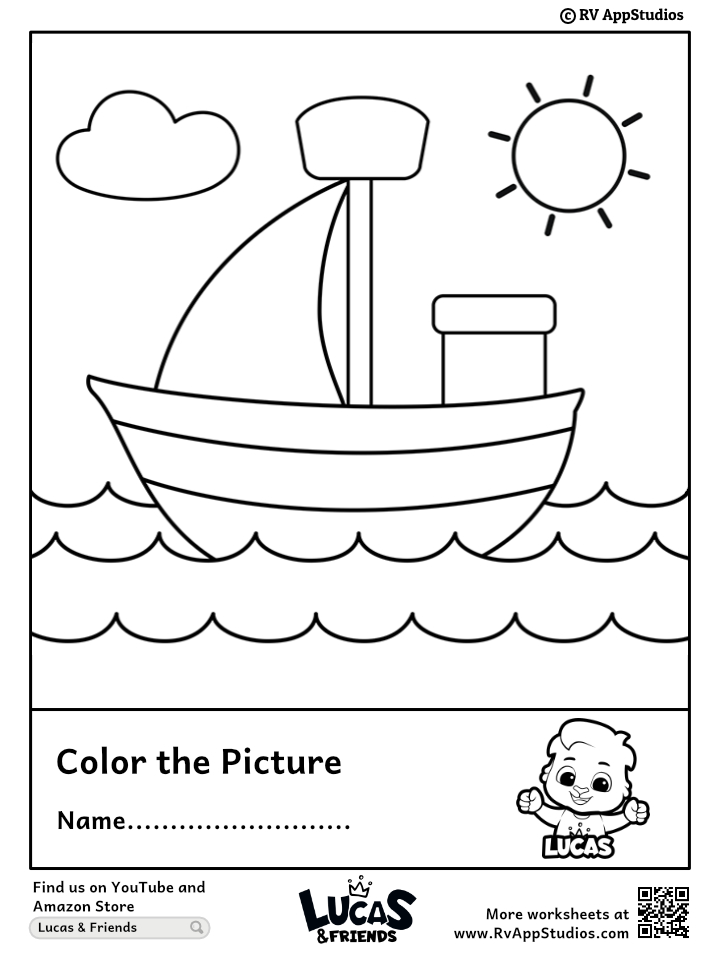
Frustration during visual tracing exercises typically stems from excessive cognitive load, incorrect pencil grips, or printables that demand advanced fine-motor precision prematurely. To prevent discouragement, facilitators must observe hand fatigue and immediately halt sessions when grip tension deteriorates. Transitioning children to simpler templates or alternating structured tracing with unstructured color exploration—such as utilizing diverse Coloring Pages—retains engagement while naturally strengthening the hand muscles required for advanced draftsmanship.
💬 Frequently Asked Questions
Conclusion and Next Steps
Systematic integration of guided visual resources empowers young learners to build essential fine-motor confidence, cognitive agility, and structural drawing abilities. Educators and parents are encouraged to continuously expand their instructional toolkit by exploring high-quality Drawing Worksheets designed to inspire lifelong creativity.
Worksheet Previews & Reference Materials