Introduction
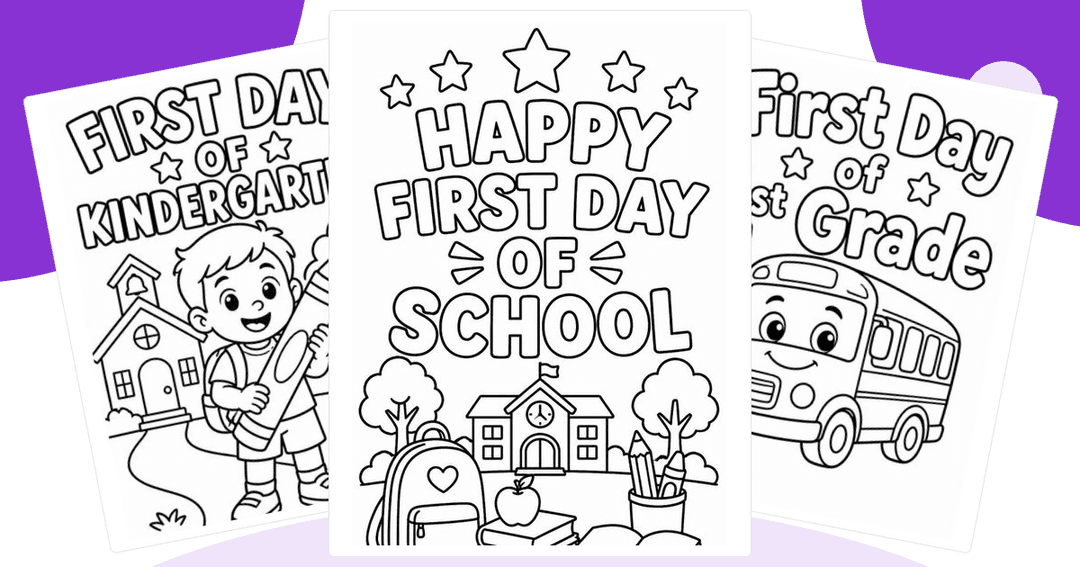
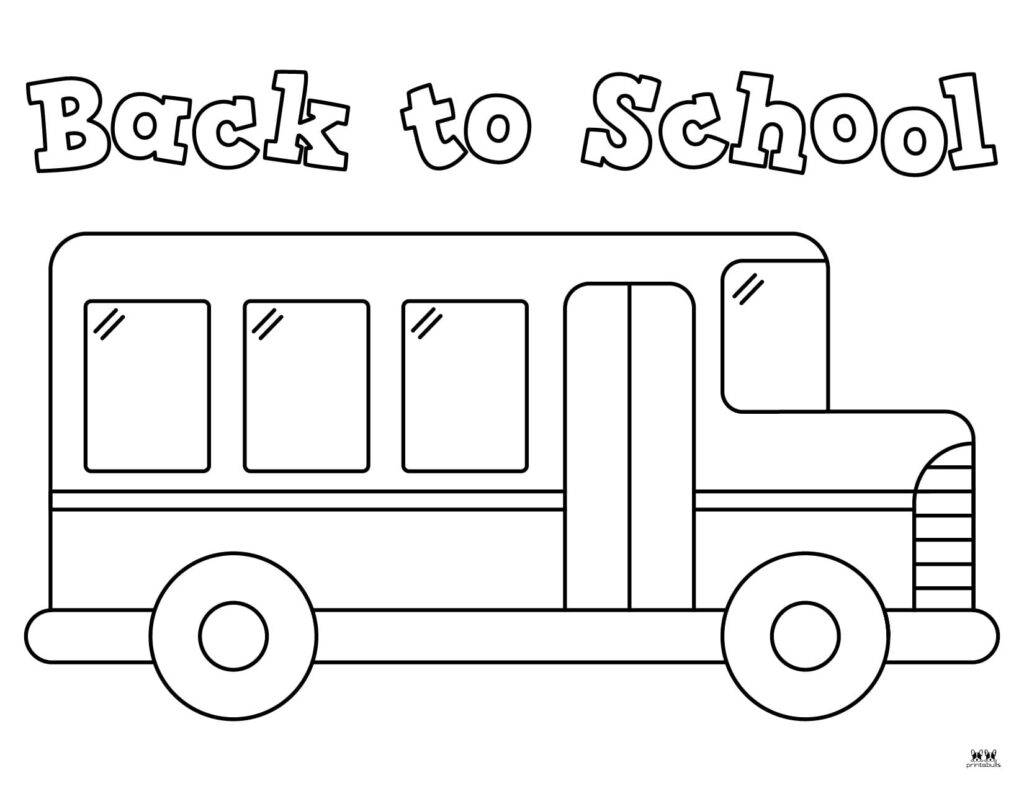
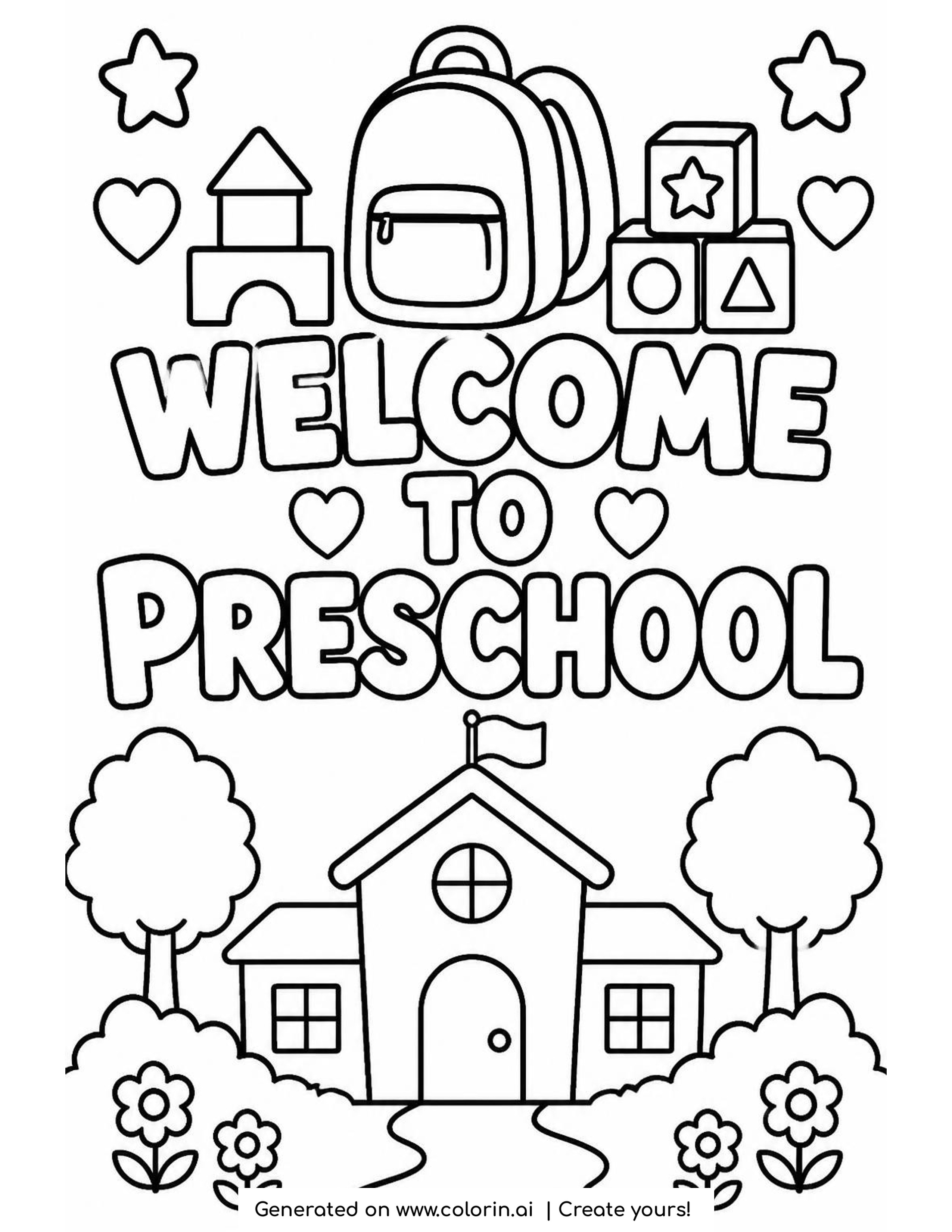
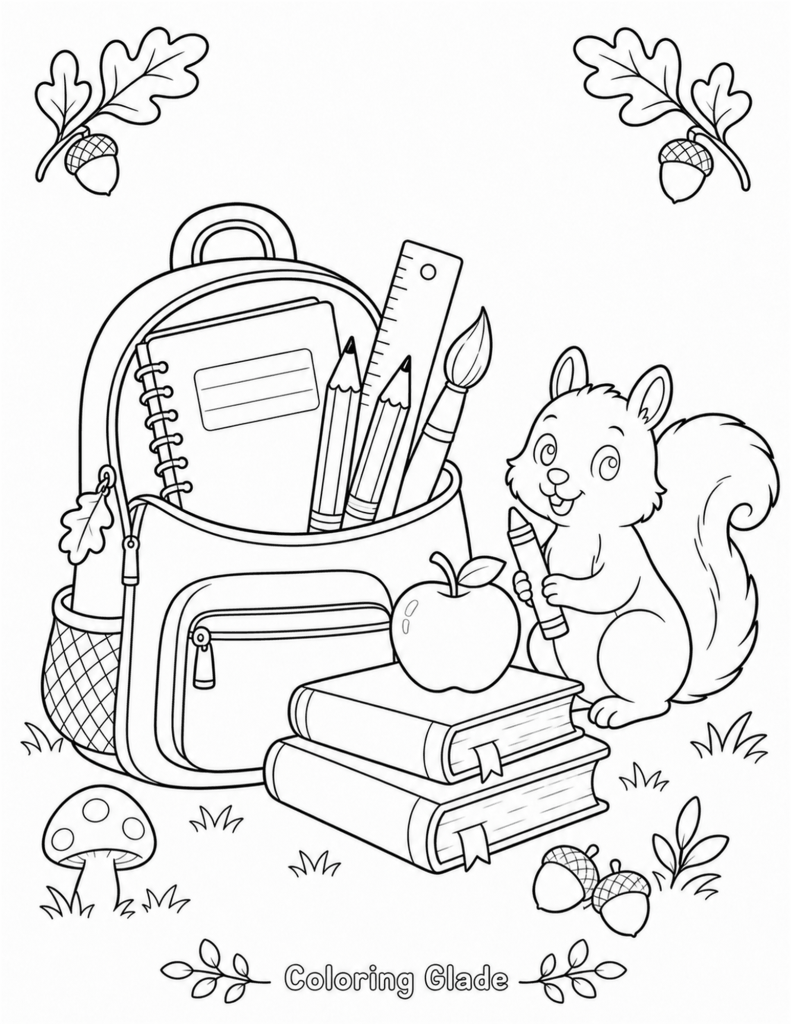
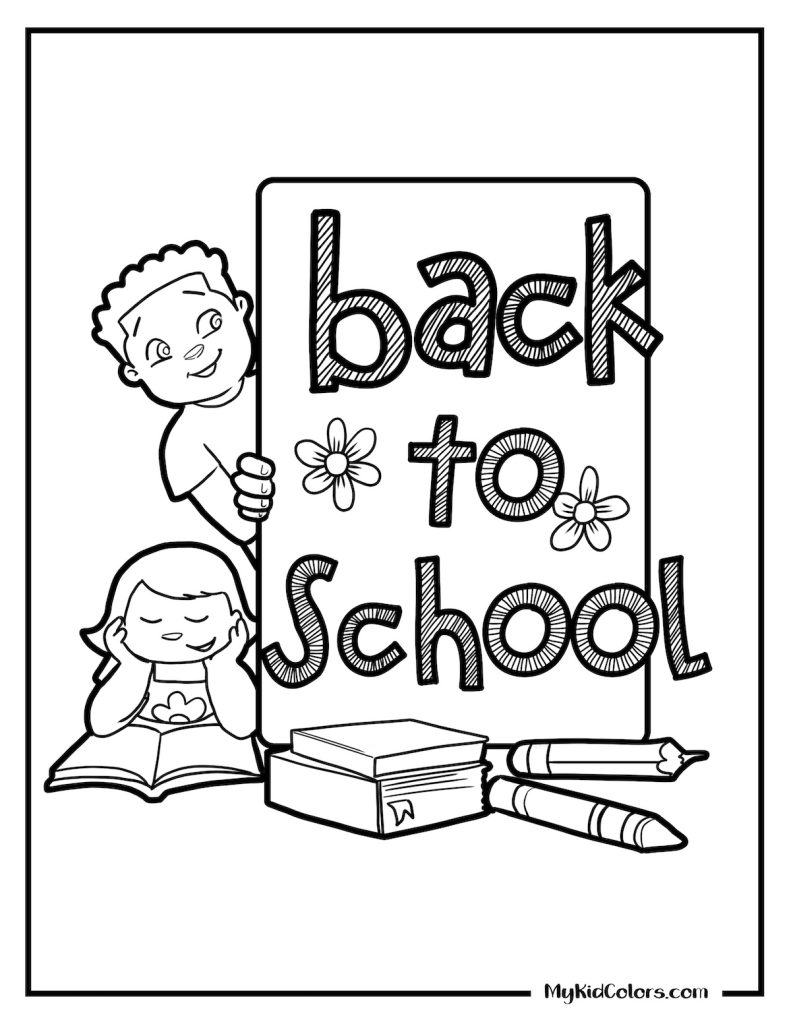
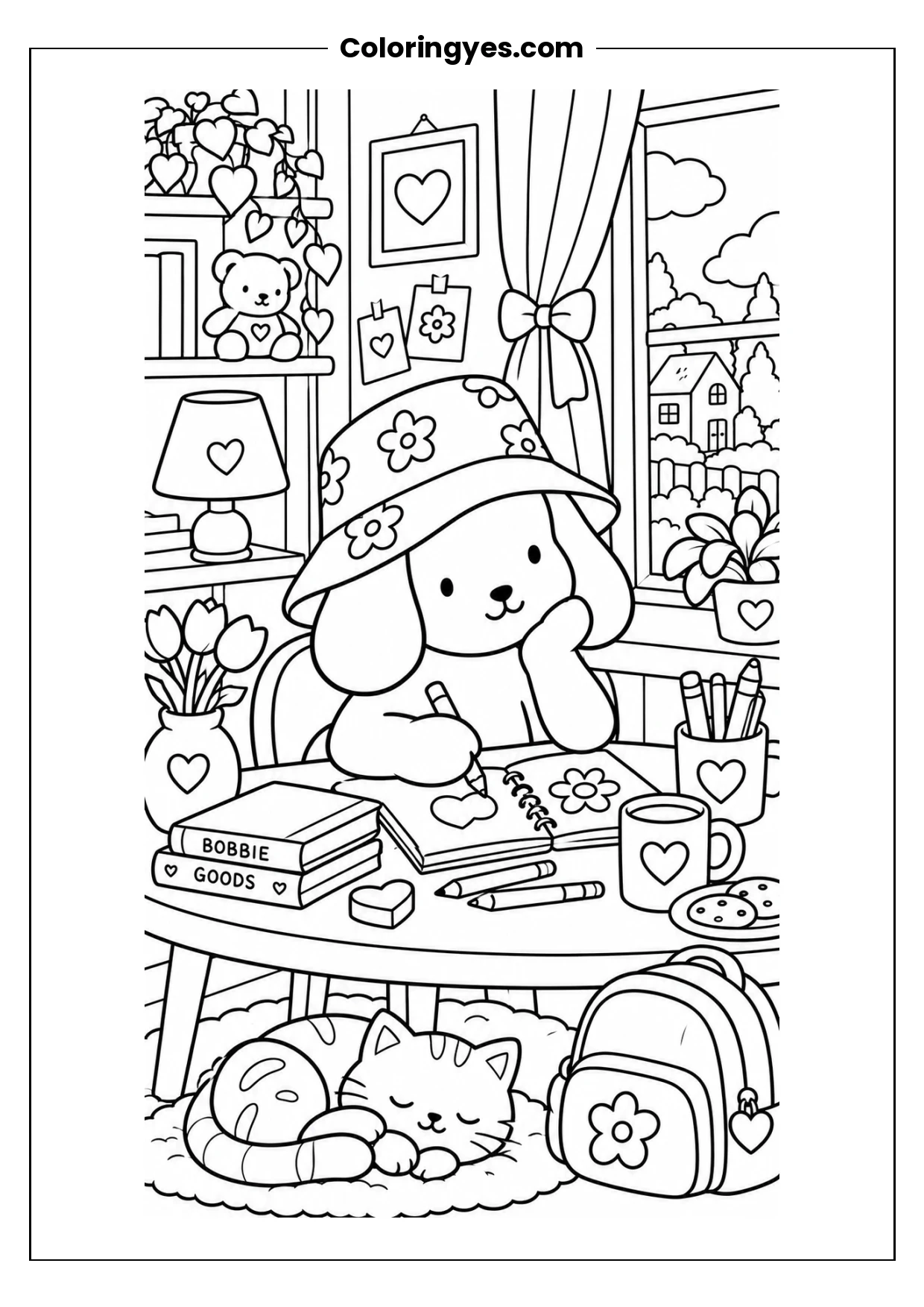
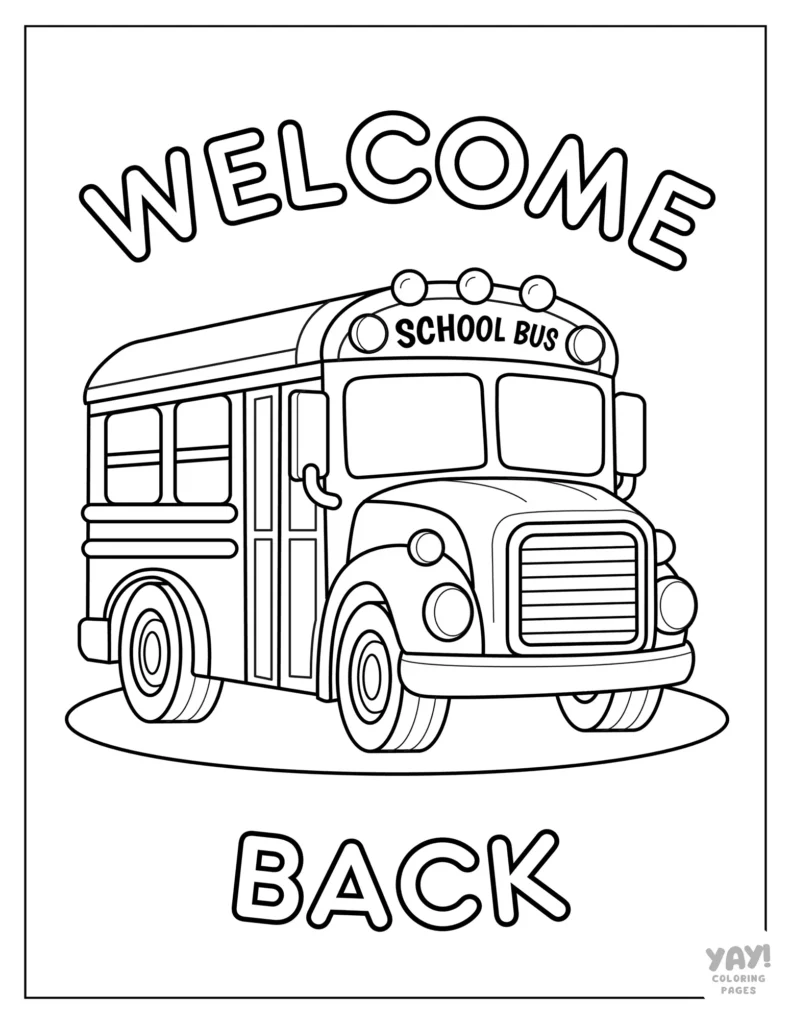
Coloring pages back to school printable resources serve as essential cognitive scaffolding tools that bridge transitional anxiety and early childhood academic readiness through intentional visual-motor practice. According to the National Association for the Education of Young Children (NAEYC), structured drawing and coloring experiences fundamentally strengthen the neural connections required for bilateral coordination, hand-eye synchronization, and foundational writing control. Integrating these thematic sheets into the learning environment establishes a predictable, calming routine that actively supports emotional regulation during major seasonal transitions. Utilizing targeted Coloring Pages sets the stage for successful early elementary engagement.
Visual Learning & Skill Snapshot:
- Core Focus: Utilizing thematic printables to ease classroom transitions and build foundational fine-motor precision.
- Target Skill: Spatial reasoning, visual discrimination, and pencil grip endurance.
- Key Recommendation: Pair seasonal sheets with structured Drawing Worksheets to build progressive spatial awareness.
Core Principles and Learning Overview
Educational coloring materials specifically designed for the beginning of the academic year function as multi-sensory diagnostic instruments for tracking early developmental progress in young learners. These printables transform abstract back-to-school concepts—such as classroom rules, social cooperation, and school supplies—into concrete visual symbols that children decode and color. By manipulating spatial boundaries and selecting color palettes, pupils exercise executive function, impulse control, and critical thinking. Educators leverage these resources to assess fine-motor control, grip maturity, and attention spans without introducing the stress of formal academic testing.
Key Specifications and Breakdown
| Age / Learning Stage | Visual Skill & Ratio | Pedagogical Application & Scaffolding |
|---|---|---|
| Ages 3-4 (Pre-K) | Thick outlines, large forms (1:1 scale) | Develops gross palm grasp, boundary awareness, and early pencil stroke confidence. |
| Ages 5-6 (Kindergarten) | Medium contours, detailed objects | Refines pincer grip, enhances color constancy, and builds hand stamina. |
| Ages 7-8 (Early Elementary) | Complex patterns, multi-element scenes | Promotes complex spatial planning, fine-motor precision, and thematic storytelling. |
Intentional engagement with structured visual media fosters sustained attention and supports neurological pathways responsible for early literacy and numeracy readiness. — National Art Education Association (NAEA)
Step-by-Step Practical Application and Guidelines
Implementing back-to-school printables effectively requires preparing a supportive physical workspace equipped with ergonomic seating and appropriate drawing utensils. Teachers and caregivers should select high-brightness, heavyweight paper stock that prevents marker bleed-through and withstands vigorous coloring pressure. Introduce each sheet by discussing the depicted school objects, encouraging children to articulate their expectations and feelings about the upcoming classroom routine. Educators can expand these lessons by incorporating tactile elements, guiding students to transition seamlessly from coloring exercises into hands-on Printable Crafts that reinforce fine-motor dexterity.
Common Challenges and How to Avoid Them
Rushing young children through detailed coloring tasks often leads to hand fatigue, frustration, and a negative association with creative school activities. Educators frequently observe improper pencil grips or excessive coloring speed that compromises fine-motor development. To prevent these obstacles, break learning sessions into manageable ten-minute intervals and actively model proper hand positioning rather than criticizing finished output. Offering a diverse selection of grip-friendly crayons and colored pencils ensures that every learner experiences ergonomic comfort and sustained motivation throughout the activity.
💬 Frequently Asked Questions
Conclusion and Next Steps
Thoughtfully designed visual resources successfully transform seasonal educational transitions into joyful opportunities for skill mastery and emotional grounding. By prioritizing ergonomic support, purposeful selection, and patient scaffolding, educators cultivate lifelong confidence in young creators. Explore the comprehensive collection of Coloring Pages to discover additional high-quality printables tailored for early childhood learning environments.
Printable Coloring Page Previews