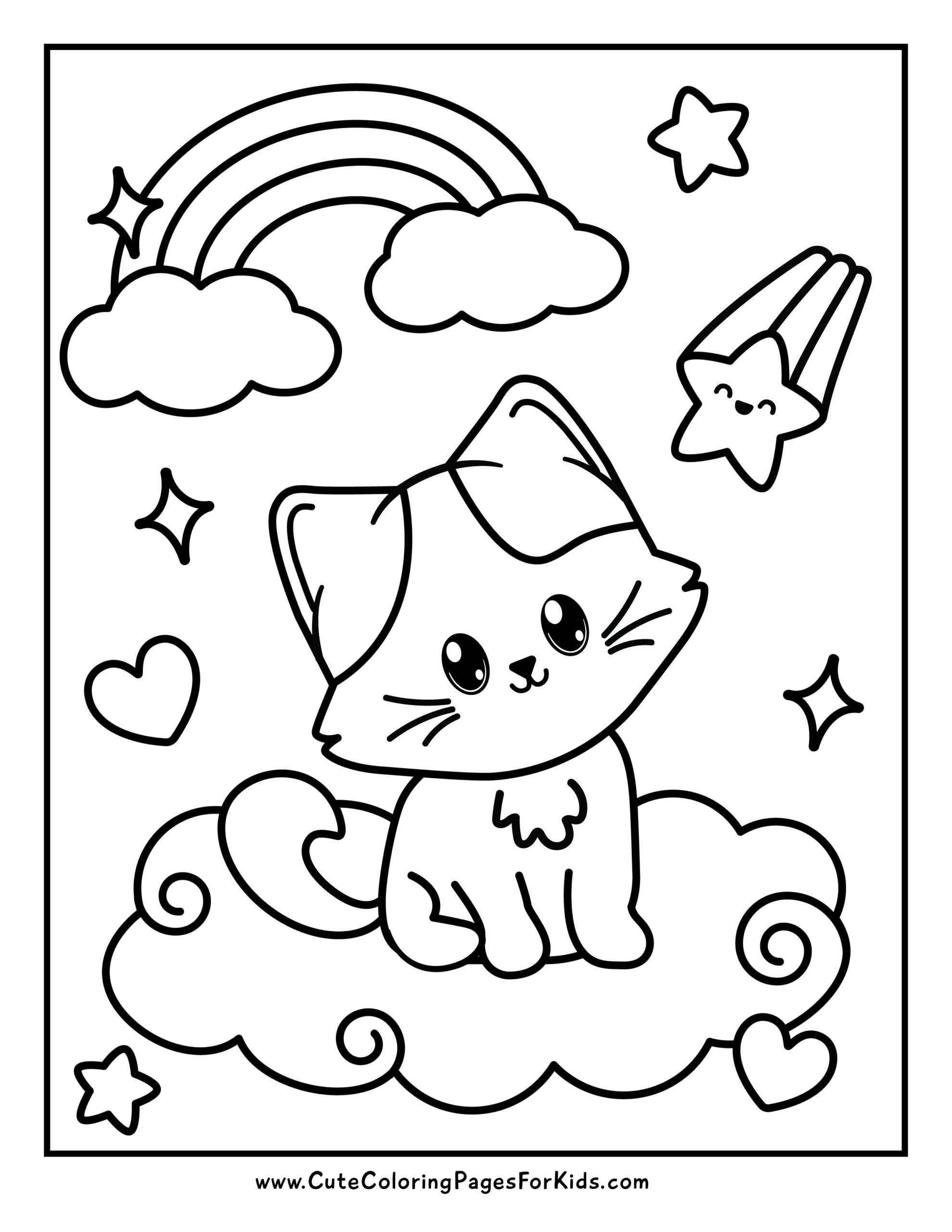
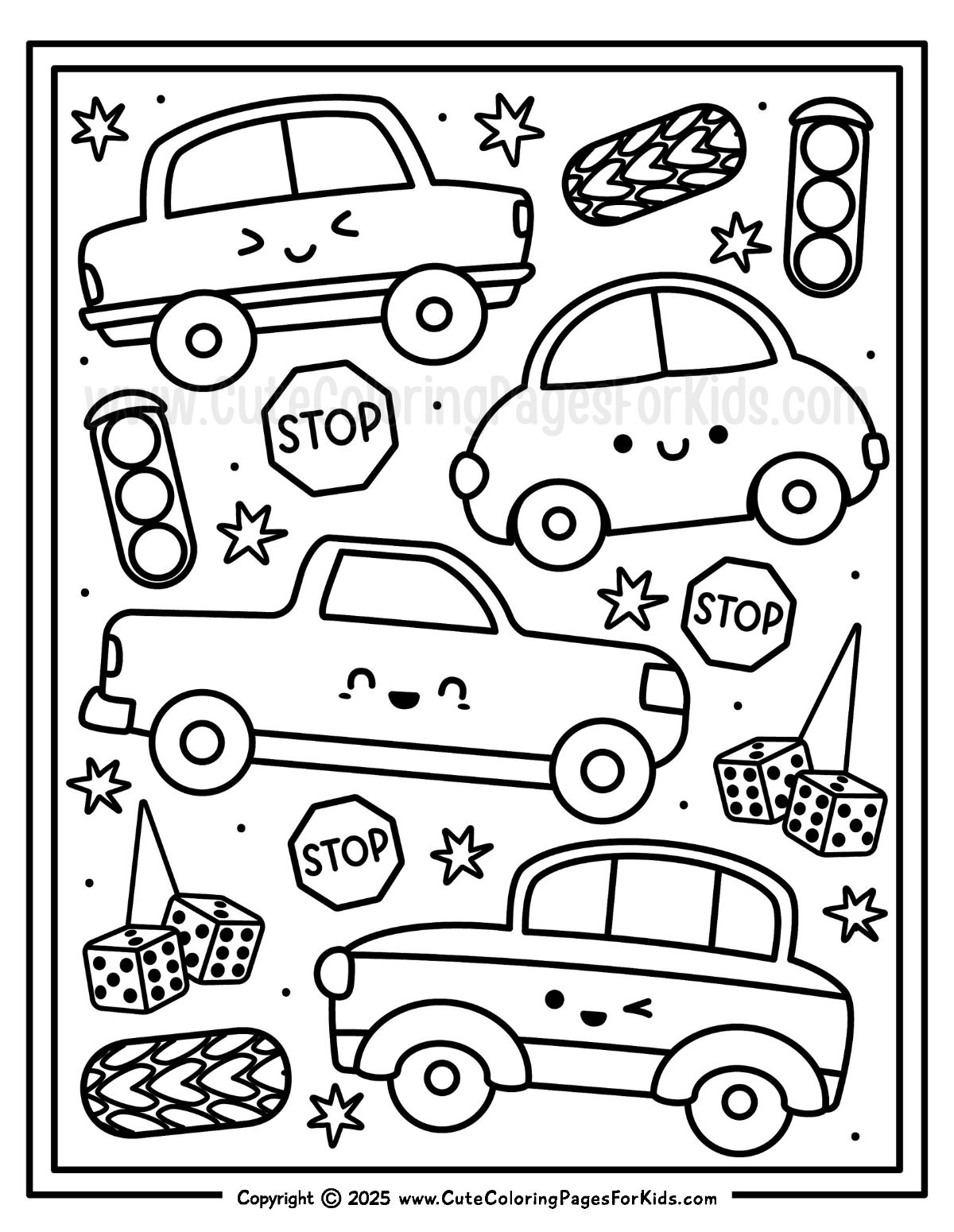
Introduction
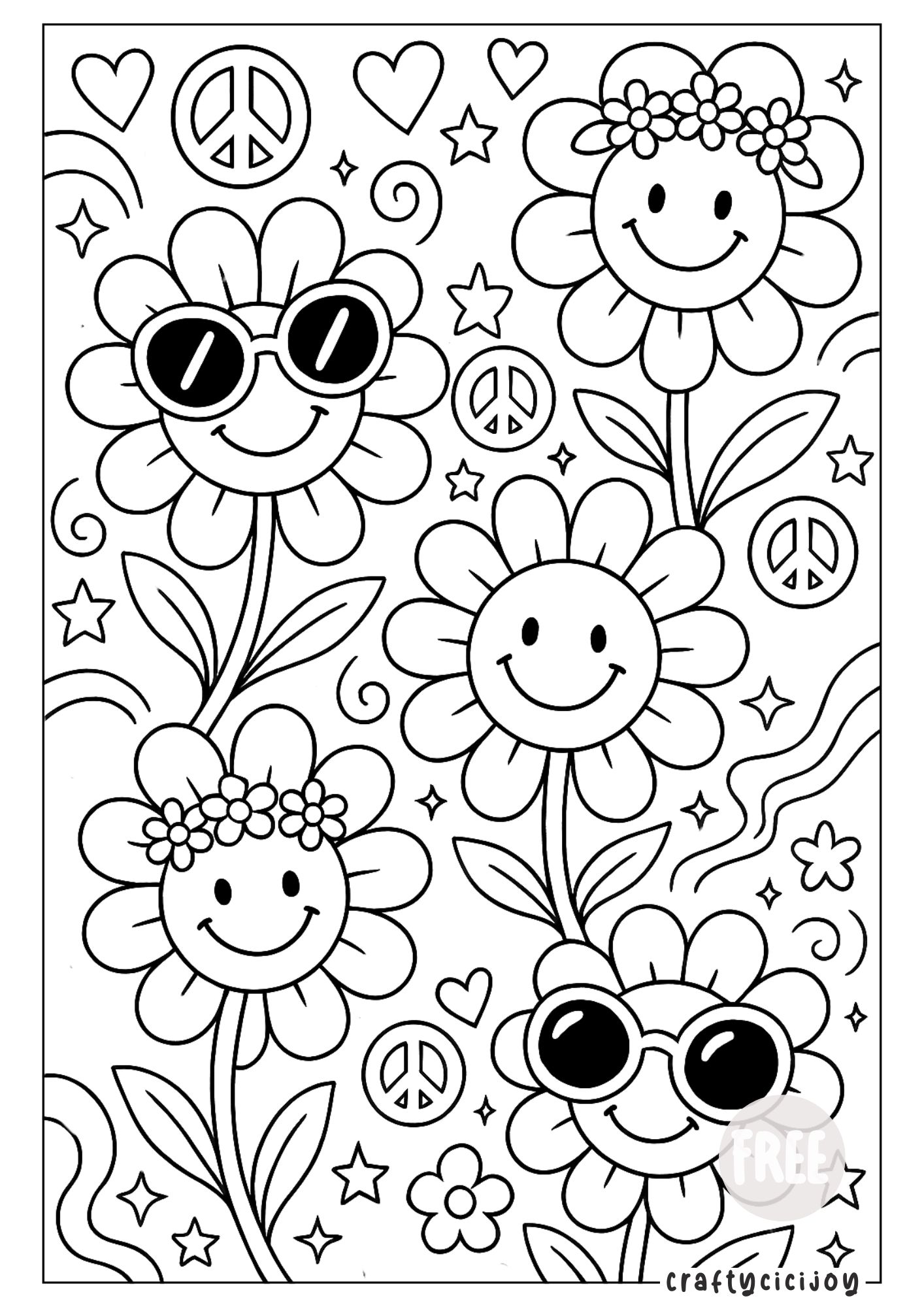
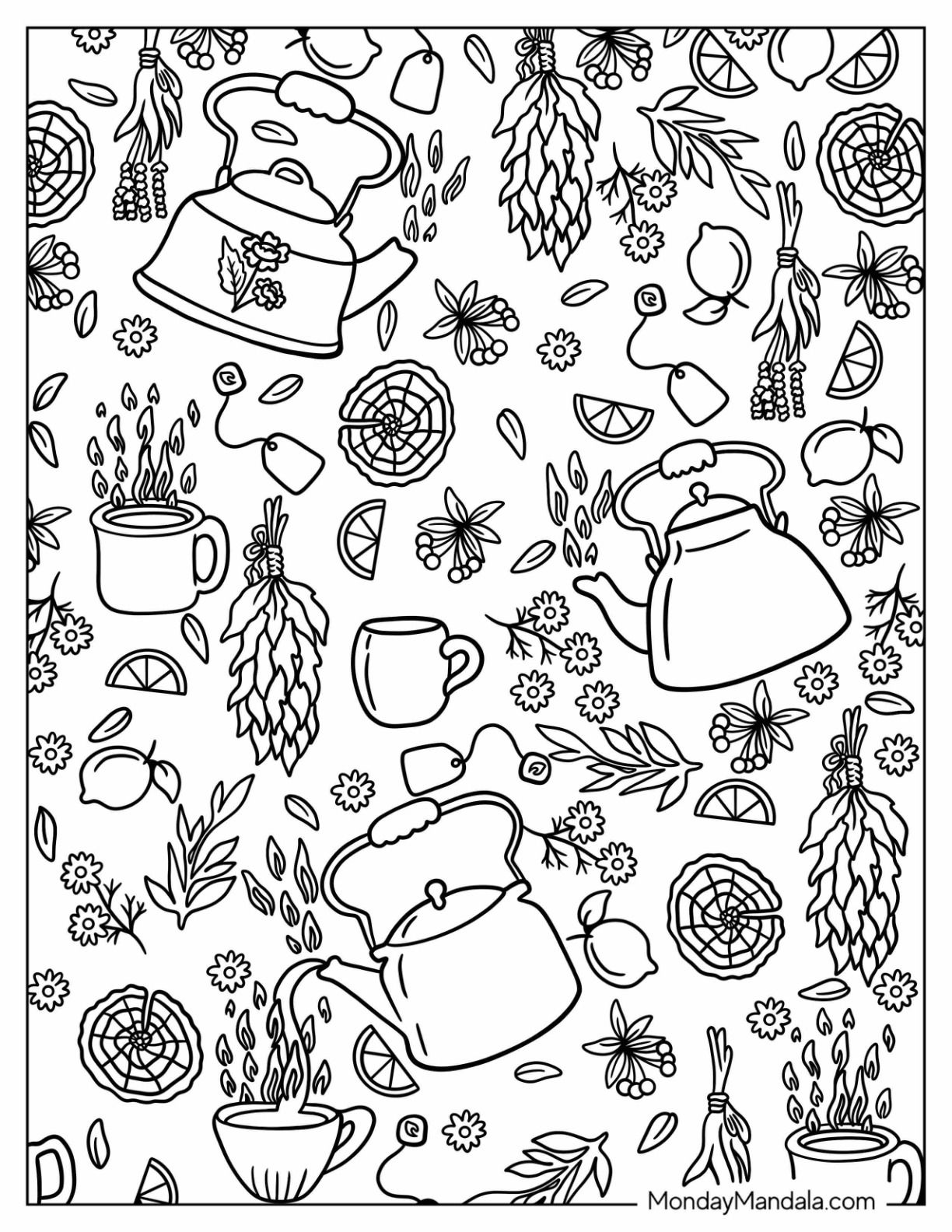
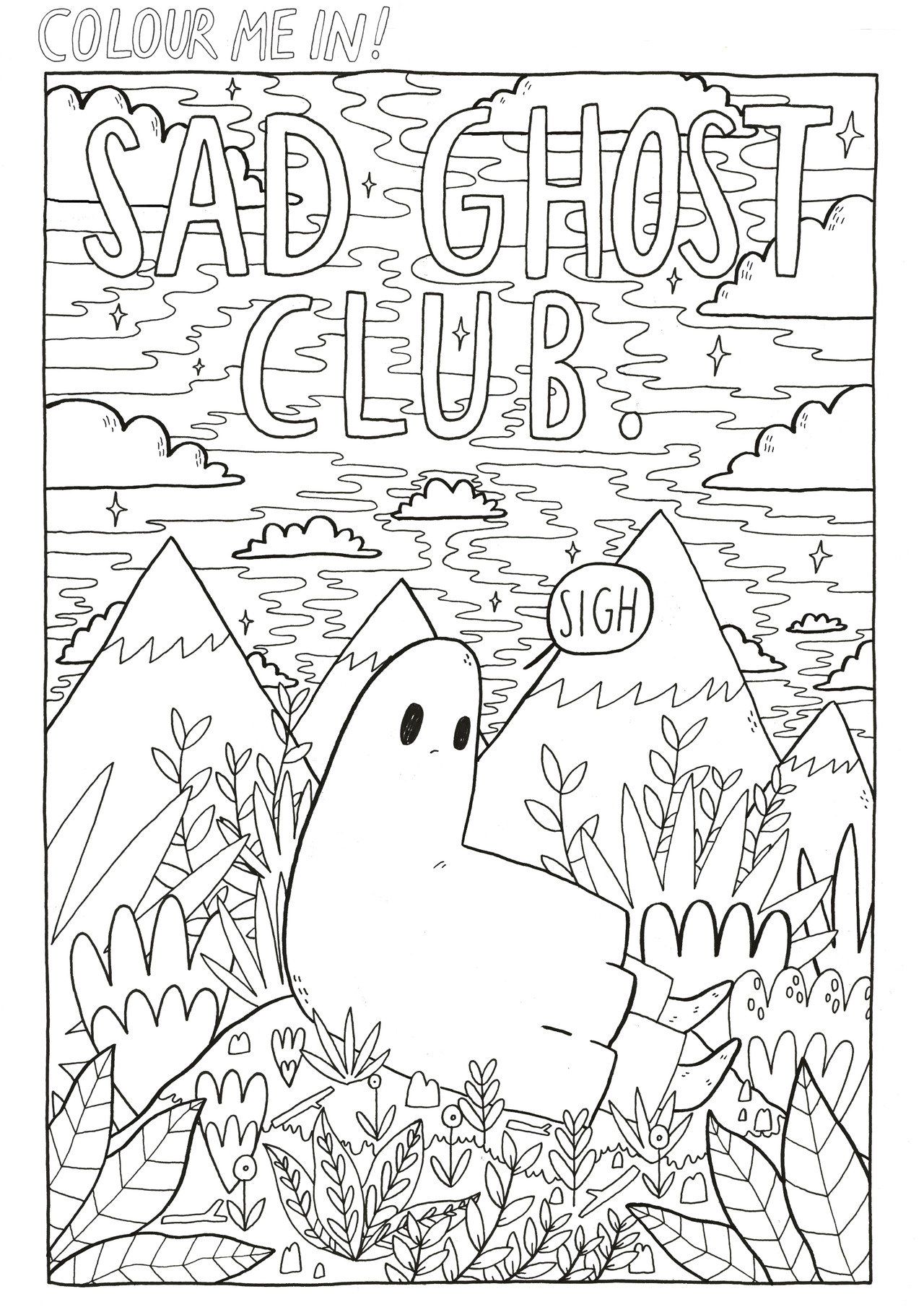
Coloring pages aesthetic refers to the deliberate visual design, line weight, composition, and minimalist balance of printable design sheets that support early childhood cognitive development and artistic exploration. According to the National Art Education Association (NAEA), intentional visual layouts in early childhood art materials significantly enhance spatial organization, visual discrimination, and fine motor precision. This pedagogical framework moves beyond simple busywork, transforming standard printables into structured canvases that foster intentional mark-making, design literacy, and psychological calm among young learners in classrooms and homeschooling environments.
Visual Learning & Skill Snapshot:
- Core Focus: Intentional visual composition and line-art balance in printable learning resources.
- Target Skill: Spatial reasoning, visual discrimination, fine-motor proportion, and concentration.
- Key Recommendation: Select clean, uncluttered designs with varied line weights to optimize focus and artistic expression.
Core Principles and Learning Overview
The structural integrity of a coloring pages aesthetic relies on intentional whitespace, balanced focal points, and developmentally appropriate line weights that guide the eye without overwhelming cognitive processing capacities. Educators utilize these refined visual components to scaffold early geometry, pattern recognition, and color theory. When printables avoid visual clutter and excessive micro-details, children can direct their cognitive energy toward motor control, pressure modulation, and thoughtful color choices. Incorporating curated collections from Coloring Pages bridges the gap between unstructured play and focused visual learning, ensuring children develop strong foundational art habits early.
Key Specifications and Breakdown
| Age / Learning Stage | Visual Skill & Ratio | Pedagogical Application & Scaffolding |
|---|---|---|
| Ages 3-4 (Early Preschool) | Thick outer borders, large enclosed spaces (1:1 positive-negative ratio) | Promotes gross-to-fine motor transitions and foundational hand-eye coordination. |
| Ages 5-7 (Kindergarten) | Balanced geometric layouts, medium line weight, clear directional cues | Strengthens spatial awareness, pattern tracking, and deliberate boundary control. |
| Ages 8+ (Early Elementary) | Intricate compositional balance, fine line weights, asymmetric focal points | Enhances advanced shading techniques, patience, and comprehensive artistic planning. |
Intentional visual composition in developmental art materials supports neurological organization, fine motor refinement, and emotional self-regulation through structured creative engagement — National Art Education Association (NAEA)
Step-by-Step Practical Application and Guidelines
Implementing an intentional coloring pages aesthetic requires pairing well-designed print assets with proper paper stock, ergonomic writing utensils, and an uncluttered workspace. Educators begin by selecting clean, high-resolution Drawing Worksheets that match the specific developmental fine-motor stage of the group. Next, teachers establish a calm environment with proper lighting, ensuring students can observe how line thickness dictates shading and pressure. Adults guide children to analyze the page layout before applying color, encouraging them to identify primary focal points and plan a cohesive color palette. Finally, integrating supplementary Printable Crafts helps bridge two-dimensional sheet work with three-dimensional spatial manipulation.
Common Challenges and How to Avoid Them
Over-complication and visual fatigue represent the most frequent hurdles when children encounter overly dense or chaotic print designs that lack aesthetic balance. Educators mitigate this frustration by curating minimalist templates with clear visual breathing room, which prevents cognitive overload and encourages sustained attention spans. Another common challenge involves improper scaling during printing; ensuring documents are printed at full 100 percent scale preserves the intended line weight proportions and boundary integrity. By prioritizing clean layouts and realistic pacing, adults protect the intrinsic joy of artistic creation while building essential visual literacy skills.
💬 Frequently Asked Questions
Conclusion and Next Steps
Embracing a thoughtful visual standard transforms everyday learning sheets into powerful tools for cognitive growth, artistic confidence, and fine-motor mastery. Educators and parents can elevate their creative curricula by exploring diverse, professionally designed Art Activities tailored to nurture every stage of childhood development.
Printable Coloring Page Previews