Introduction
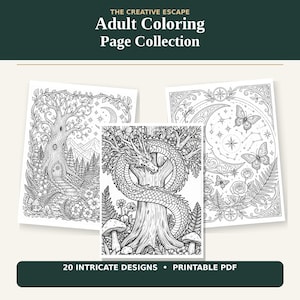
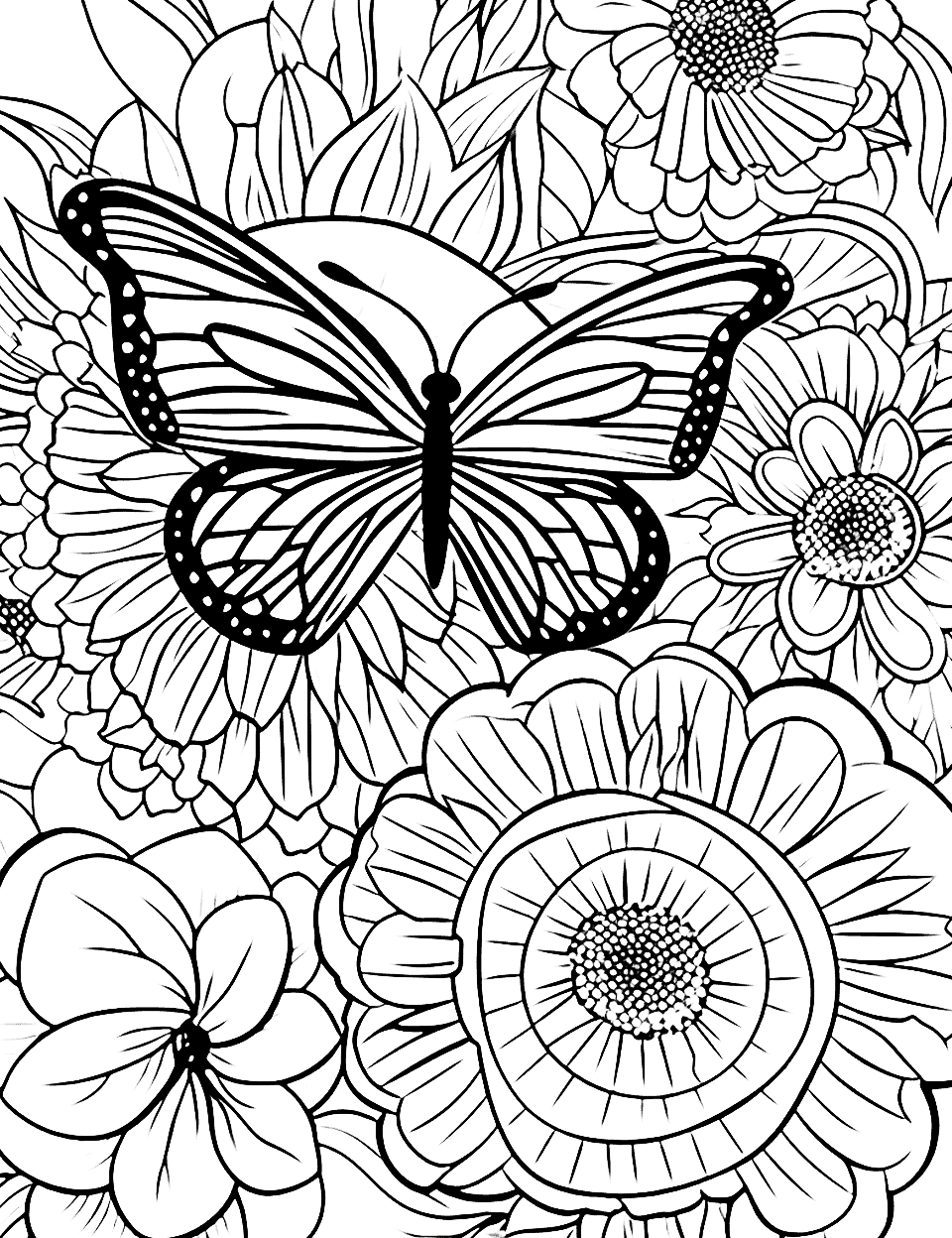
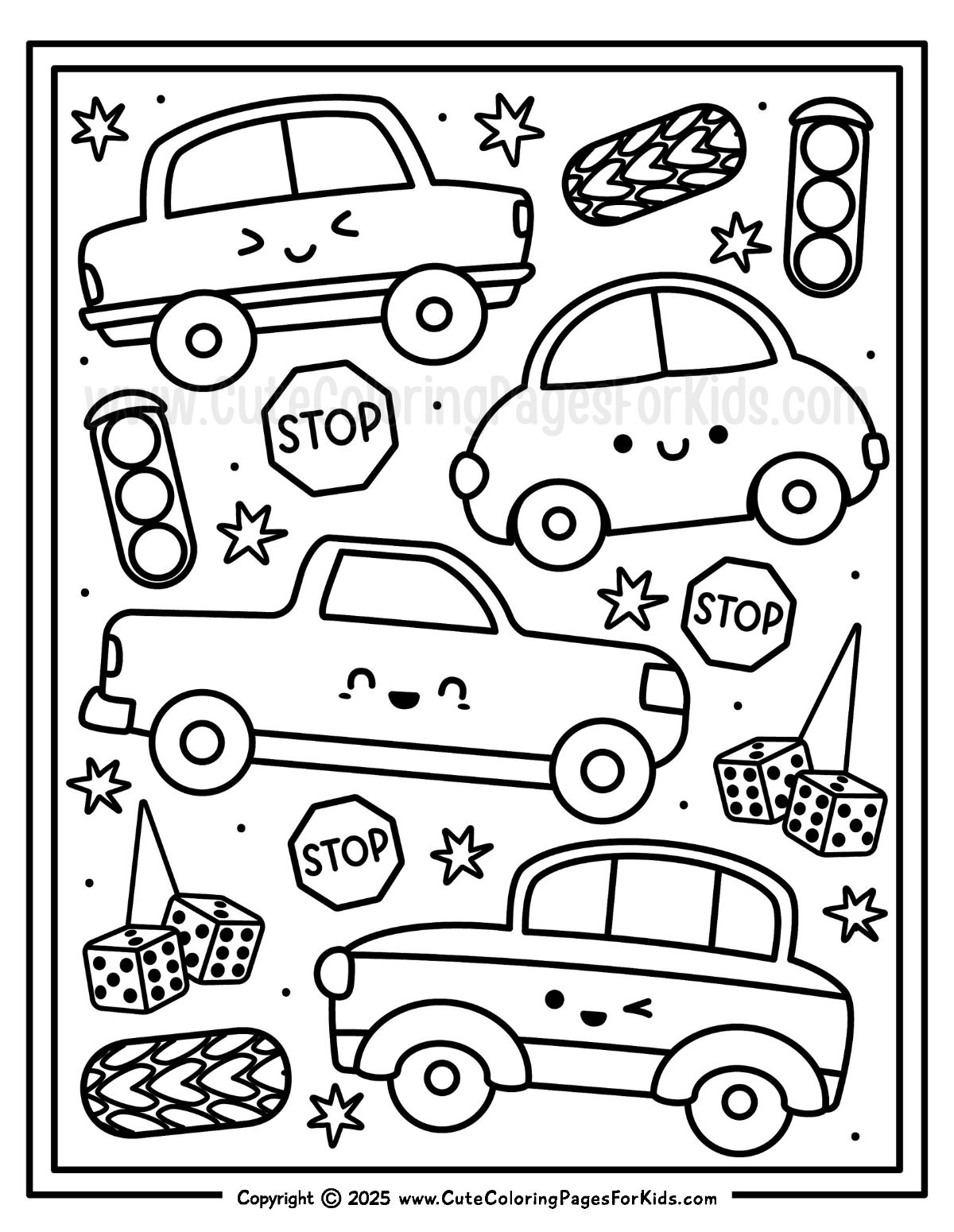
Coloring pages adult refer to highly detailed, sophisticated graphic templates designed for advanced fine-motor refinement, visual stress reduction, and complex pattern execution. According to the National Art Education Association (NAEA), structured engagement with intricate visual designs fosters sustained attention spans and deep cognitive focus across diverse learner demographics. Utilizing print-ready materials from collections such as Coloring Pages offers educators and caregivers a reliable method for incorporating mindful visual exercises into daily schedules. Beyond simple recreation, these advanced worksheets promote precise pencil control, bilateral coordination, and spatial awareness through the deliberate filling of complex geometric and organic boundaries.
Visual Learning & Skill Snapshot:
- Core Focus: Advanced geometric and illustrative line art designed for intricate precision and cognitive relaxation.
- Target Skill: Fine-motor precision, spatial visualization, pattern discrimination, and sustained visual attention.
- Key Recommendation: Pair high-density coloring templates with fine-tipped markers or colored pencils to maximize control over minute structural details.
Core Principles and Learning Overview
Coloring pages adult function as dynamic instruments for neurological regulation, translating repetitive manual motions into psychological centering and enhanced visual acuity. Direct answer in first sentence: These intricate templates systematically train the visual cortex to process dense spatial arrangements, subtle shade transitions, and complex symmetry. Educators frequently integrate these resources into broader curricula alongside Drawing Worksheets to bridge the gap between structured geometric outlines and freeform artistic creation. By interacting with high-density compositions, learners refine hand-eye coordination while developing an intuitive understanding of color theory, contrast, and visual balance.
Key Specifications and Breakdown
| Age / Learning Stage | Visual Skill & Ratio | Pedagogical Application & Scaffolding |
|---|---|---|
| Early Secondary / Advanced Youth | Micro-motor control and line adherence | Utilize medium-complexity botanical patterns to build stamina for sustained artistic projects. |
| Adult / Educator / Therapist | Cognitive decompression and spatial patterning | Deploy mandala and tessellation designs for mindfulness integration and stress mitigation. |
| Homeschooling Parents / Art Instructors | Instructional design and compositional analysis | Incorporate structured line work alongside Art Activities to teach balance and symmetry. |
Engagement with complex visual-motor activities significantly improves sustained attention, executive functioning, and emotional regulation across all developmental stages. — National Art Education Association (NAEA)
Step-by-Step Practical Application and Guidelines
Implementing coloring pages adult effectively requires selecting appropriate medium weights, premium printing substrates, and specialized marking instruments to prevent paper buckling and ink bleeding. Direct answer in first sentence: Successful execution begins by printing high-resolution templates onto heavy cardstock or heavyweight paper designed to withstand repeated layering of colored pencils, gel pens, or fine-line markers. Instructors should encourage learners to establish a systematic approach—such as working from the center outward or organizing color palettes beforehand—to maintain structural clarity across dense compositions. For tactile variation and cross-curricular application, educators often combine these sheets with projects found under Printable Crafts to transform flat two-dimensional designs into three-dimensional decorative constructions.
Common Challenges and How to Avoid Them
Common challenges associated with intricate visual templates include hand fatigue, paper saturation, and visual overwhelm when confronting overly dense compositions. Direct answer in first sentence: Preventative scaffolding involves selecting designs that match current fine-motor stamina, utilizing ergonomically shaped coloring instruments, and breaking extended coloring sessions into manageable time intervals. Instructors should explicitly teach pressure modulation, demonstrating how soft shading reduces hand strain while allowing for richer tonal gradations. Providing proper lighting and an uncluttered workspace further minimizes visual fatigue, ensuring that the creative process remains a restorative and educational experience rather than a frustrating chore.
💬 Frequently Asked Questions
Conclusion and Next Steps
Incorporating advanced visual templates into daily routines provides a scientifically supported pathway for enhancing fine-motor precision, concentration, and emotional wellbeing. Educators and caregivers can immediately expand their instructional toolkits by exploring the diverse collection of Coloring Pages available on ColorLeaf Studio. Selecting high-quality, professionally designed printables ensures an engaging and enriching artistic experience for learners at any stage of development.
Printable Coloring Page Previews