Introduction
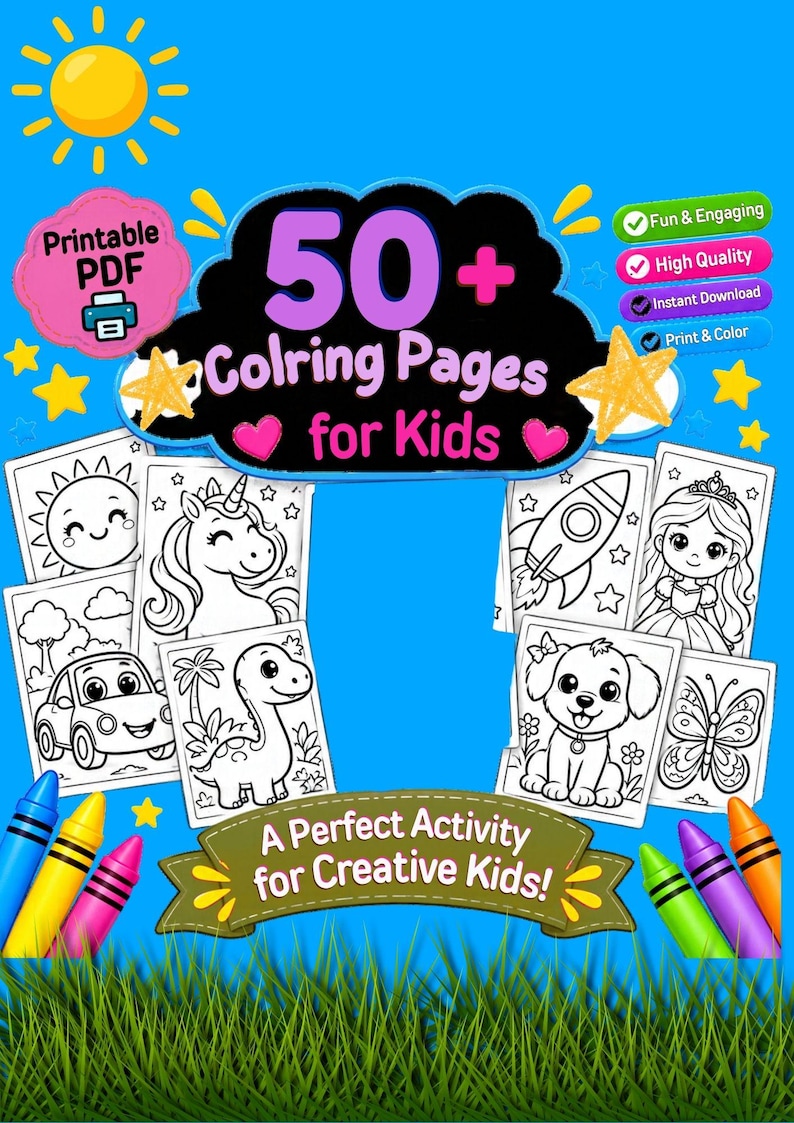
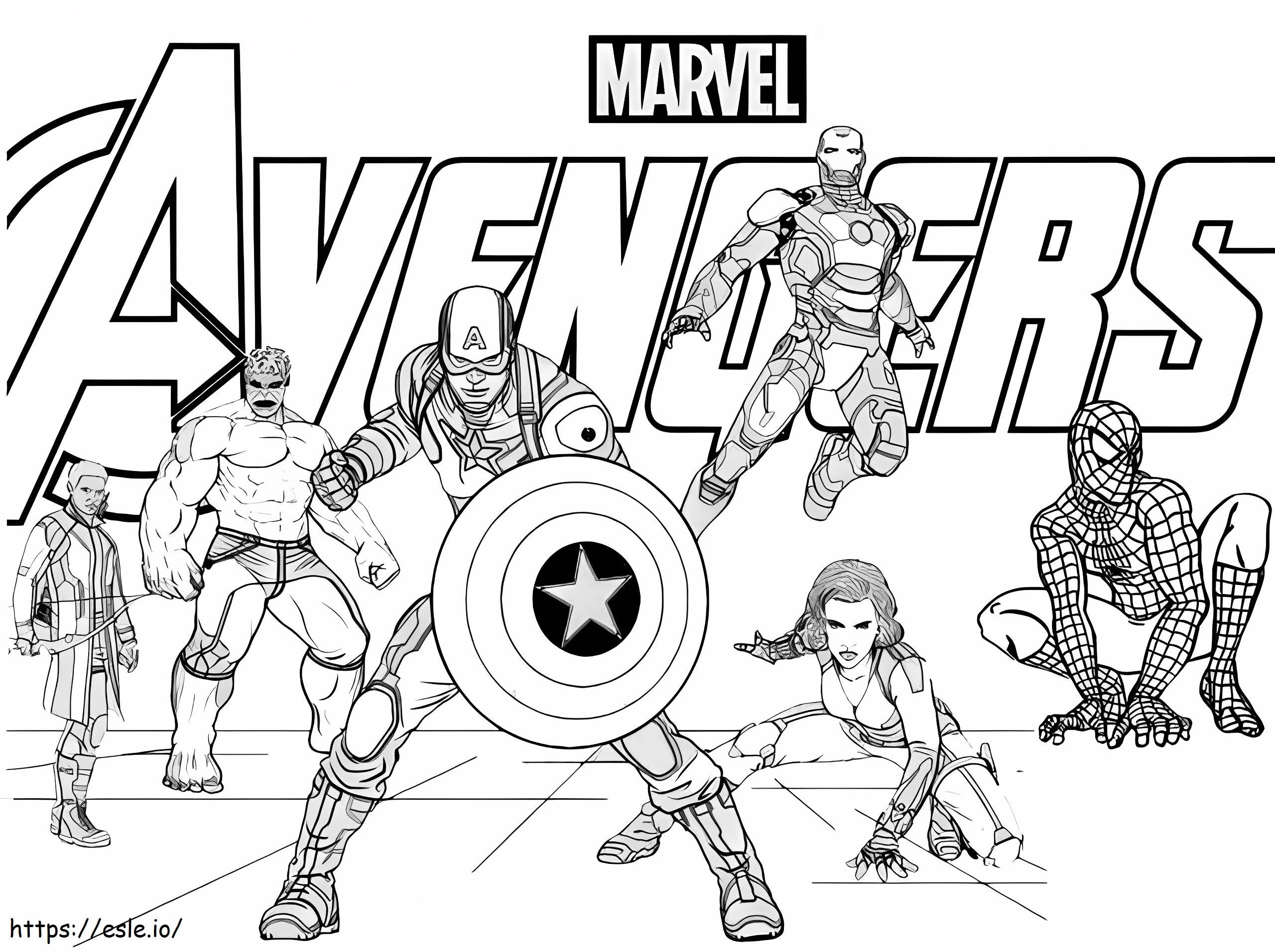
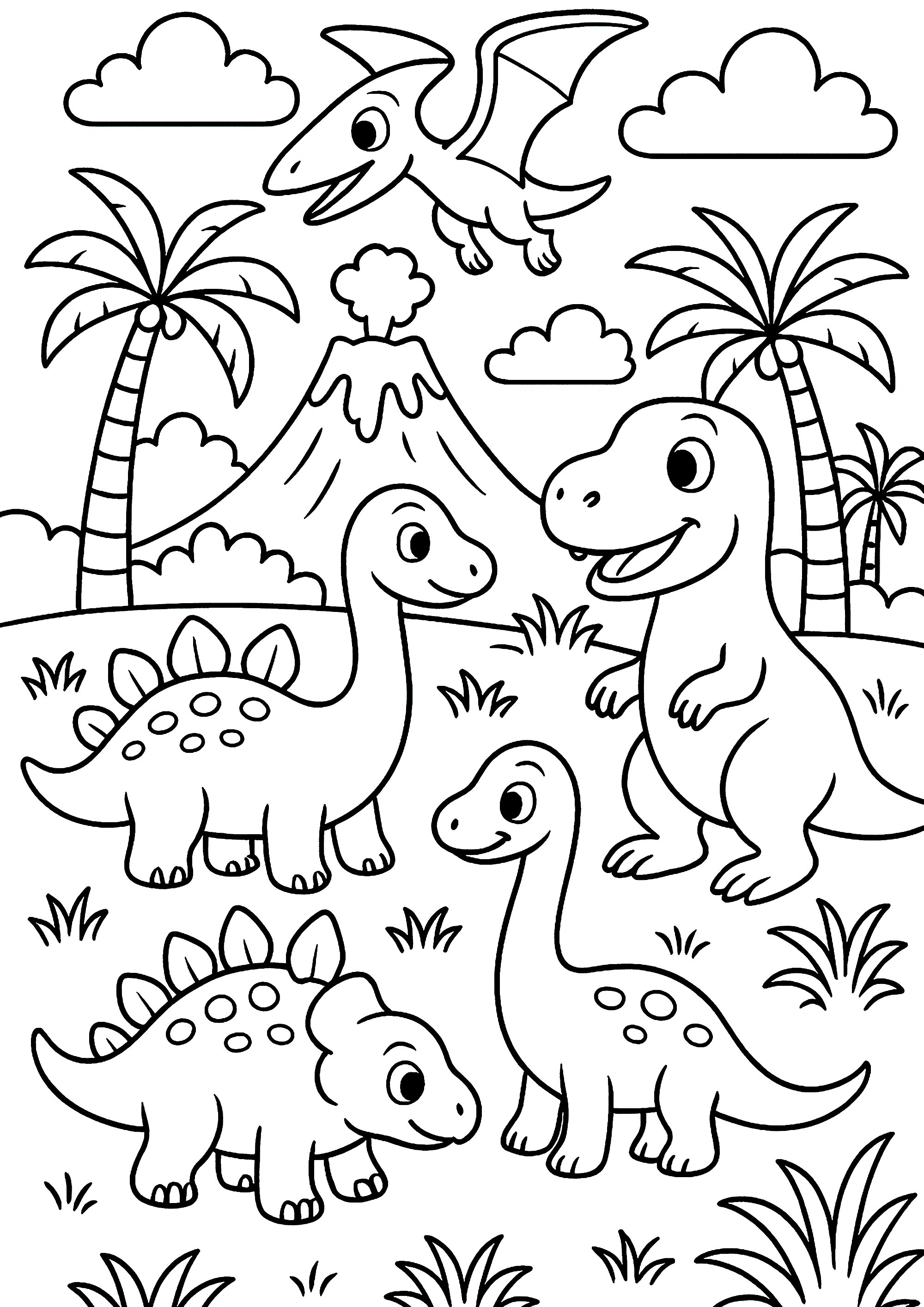
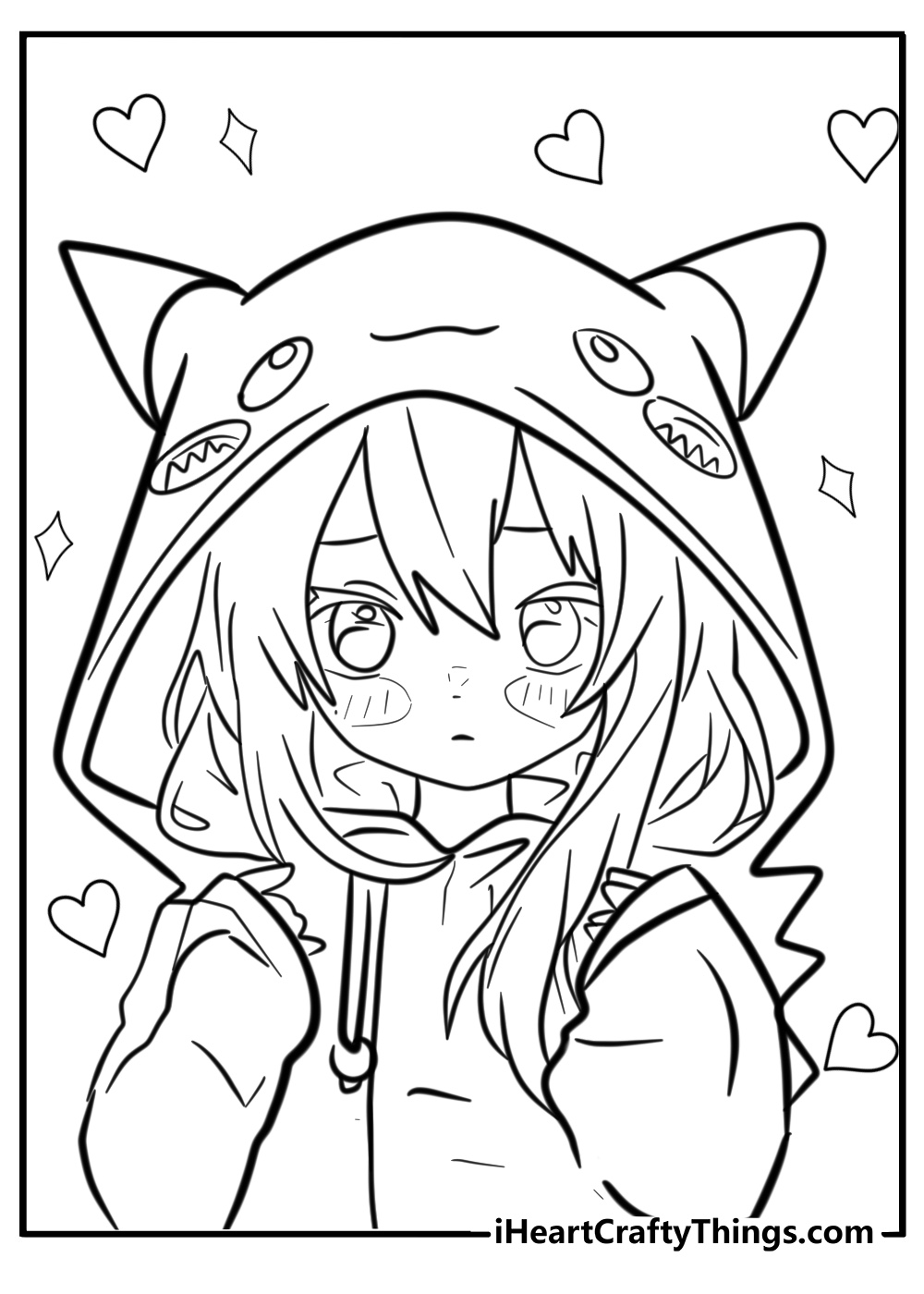
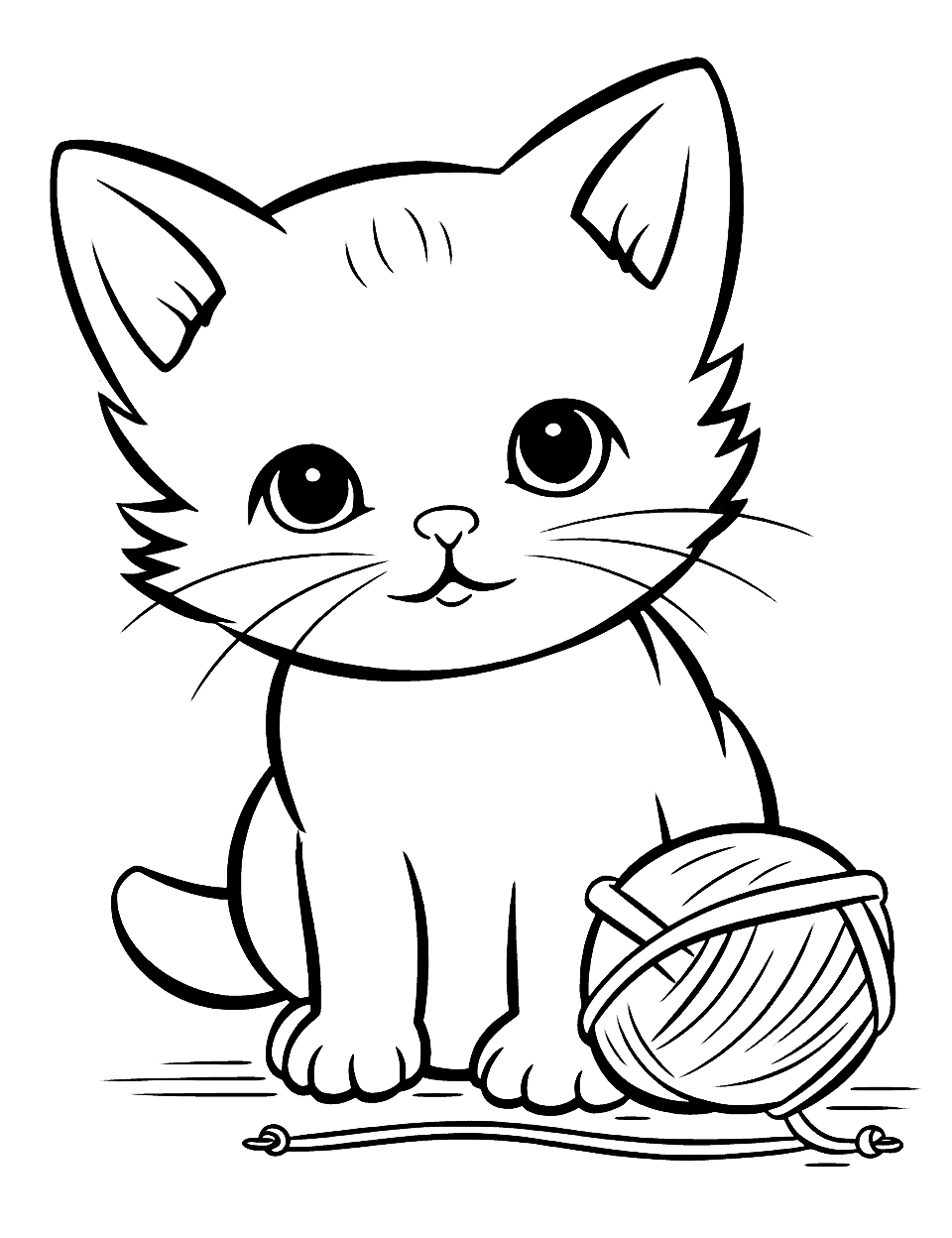
A coloring pages pdf is a digitally downloadable raster or vector graphic formatted for high-resolution printing, serving as a foundational visual art tool for early childhood development. According to the National Art Education Association (NAEA), structured drawing and coloring experiences support visual literacy, hand-eye coordination, and fine-motor control during critical developmental windows. Providing digital files allows educators and caregivers instant access to diverse visual materials that stimulate cognitive growth and creative expression without relying on expensive physical workbooks. Accessing curated collections through specialized libraries like Coloring Pages ensures children receive developmentally appropriate, high-contrast visual stimuli suited for various learning stages.
Visual Learning & Skill Snapshot:
- Core Focus: Instant digital delivery of structured outlines designed to foster foundational visual-motor integration.
- Target Skill: Spatial reasoning, visual discrimination, and fine-motor control.
- Key Recommendation: Select vector-based PDF files to maintain crisp line integrity across various paper weights and printer settings.
Core Principles and Learning Overview
Digital visual assets bridge the gap between open-ended artistic exploration and guided motor planning by offering consistent, clear line boundaries. Utilizing a well-structured coloring pages pdf encourages children to practice sustained attention, boundary recognition, and color theory application in an accessible format. Beyond simple motor practice, these visual resources serve as a canvas for storytelling and cognitive organization, allowing educators to pair imagery with thematic science, literature, or math units. Incorporating supplementary Drawing Worksheets further bridges the transition from guided filling to independent shape formation.
Key Specifications and Breakdown
| Age / Learning Stage | Visual Skill & Ratio | Pedagogical Application & Scaffolding |
|---|---|---|
| Ages 2-4 (Early Years) | Thick outlines, large forms, low visual clutter (1:1 ratio) | Focuses on palmar grasp development, primary color identification, and basic stroke containment. |
| Ages 5-7 (Early Elementary) | Moderate details, geometric patterns, varied line weights | Encourages pincer grasp refinement, spatial planning, and deliberate color blending techniques. |
| Ages 8+ (Advanced Primary) | Complex mandalas, observational outlines, detailed grids | Strengthens perseverance, intricate shading control, and cross-curricular art integration. |
Art education experiences must be developmentally sequential, connecting physical manipulation of drawing tools directly to cognitive schema formation — National Art Education Association (NAEA)
Step-by-Step Practical Application and Guidelines
Implementing printable media successfully requires careful attention to file formatting, paper selection, and workspace ergonomics to maximize learning outcomes. First, ensure the printer settings are adjusted to “Actual Size” or “Fit to Page” without unwanted scaling artifacts that distort line thickness. Next, select heavy-stock paper (80lb text or cardstock) if the lesson involves water-based markers or light painting to prevent bleed-through and tearing. Provide an ergonomic seating arrangement with a flat, stable surface that supports proper wrist alignment while coloring. When physical sheets are complete, extending the session into Printable Crafts transforms static two-dimensional coloring into dynamic three-dimensional constructions.
Common Challenges and How to Avoid Them
Young learners often encounter frustration when fine-motor fatigue sets in or when complex visual details overwhelm their current cognitive processing capacity. Prevent frustration by selecting age-appropriate line weights and avoiding overly intricate designs for younger cohorts who are still mastering boundary control. If a child rushes through the exercise, guide the process by introducing multi-step prompts, such as selecting three specific color families before beginning or discussing the narrative context of the image. Additionally, educators can transition learners into more open-ended Art Activities once foundational confidence with coloring boundaries is firmly established.
💬 Frequently Asked Questions
Conclusion and Next Steps
Integrating digital printables into daily learning routines offers a flexible, highly effective method for nurturing fine-motor skills and creative confidence. By thoughtfully selecting age-appropriate visual materials, educators and parents create an engaging environment where artistic exploration thrives. Explore the complete collection of developmental resources available at Coloring Pages to elevate upcoming creative lessons.
Printable Coloring Page Previews