Introduction
Coloring pages online represent a dynamic digital-to-physical bridge that delivers instantly downloadable, structured visual art resources to support early childhood cognitive development and fine motor control. According to the National Association for the Education of Young Children (NAEYC), purposeful manipulation of visual art materials actively fosters critical neural pathways, spatial awareness, and problem-solving abilities in young learners. Accessing curated online repositories allows educators and parents to instantly procure targeted visual stimuli that promote hand-eye coordination, color theory comprehension, and creative expression without delay.
Visual Learning & Skill Snapshot:
- Core Focus: Instant access to printable visual art sheets designed to build foundational motor skills.
- Target Skill: Fine-motor control, bilateral integration, boundary awareness, and visual discrimination.
- Key Recommendation: Select vector-based line art with clean, bold contours to ensure optimal scaling and clear visual boundaries.
Core Principles and Learning Overview
Coloring pages online function as structured graphic tools that guide young hands to refine pencil grip, regulate pressure, and master spatial orientation within defined geometric boundaries. Integrating digital design retrieval with tactile drawing exercises grants immediate flexibility to homeschool environments, art studios, and standard preschool classrooms. By pairing digital sheets with diverse tactile mediums such as crayons, watercolors, or pastels, educators transform simple outlines into complex multi-sensory Art Activities that deepen engagement and reinforce cognitive sequencing.
Key Specifications and Breakdown
| Age / Learning Stage | Visual Skill & Ratio | Pedagogical Application & Scaffolding |
|---|---|---|
| Ages 3-4 (Early Toddler) | Thick contour lines with large, simple geometric shapes and minimal visual clutter. | Encourages gross wrist movements, basic color recognition, and loose foundational grip. |
| Ages 5-6 (Kindergarten) | Intermediate line weight with balanced negative space and recognizable thematic elements. | Builds controlled pencil stroke accuracy, concentration stamina, and pattern identification. |
| Ages 7-8 (Early Elementary) | Complex interlocking motifs, intricate patterns, and narrative-driven thematic scenes. | Fosters advanced spatial reasoning, color blending strategies, and sustained attention to detail. |
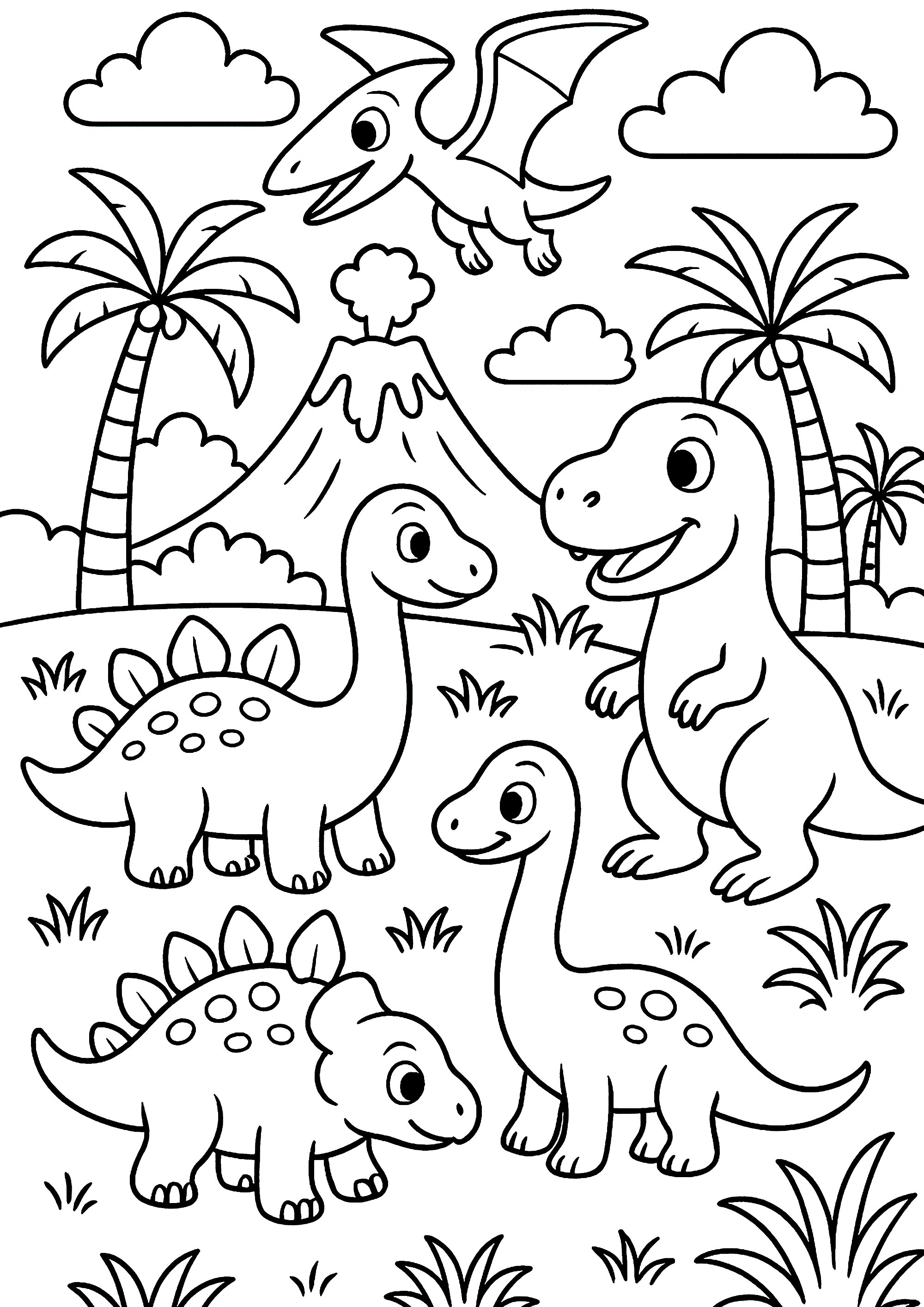
Early art experiences that combine digital accessibility with tactile manipulation significantly enhance neural connectivity, spatial reasoning, and fine motor dexterity in developing children. — National Art Education Association (NAEA). For more related activities, check out our Coloring Pages Dinosaur.
Step-by-Step Practical Application and Guidelines
Deploying coloring pages online requires systematic selection, proper printer scaling, and intentional media pairing to maximize developmental outcomes. Begin by browsing specialized galleries to select developmentally appropriate designs, ensuring the file downloads in high-resolution vector PDF format to prevent pixelated blurriness. Print the selected templates onto heavy cardstock or textured art paper using standard desktop equipment, accommodating wet mediums like watercolors if desired. Pair the printed sheets with ergonomic writing instruments, and prompt learners to articulate their color choices before application to stimulate verbal expression alongside visual planning.
Common Challenges and How to Avoid Them
Overcoming common hurdles such as premature learner frustration or improper page scaling ensures a positive, confidence-building creative experience. Educators often encounter issues when line weights are too thin or intricate for developing hand muscles, which leads to immediate fatigue; solve this by strictly filtering for bold, simplified outlines during initial learning phases. Furthermore, avoid standard office printer paper when introducing markers or paints, as bleed-through compromises the integrity of the artwork and discourages children from completing their creative projects.
💬 Frequently Asked Questions
Conclusion and Next Steps
Leveraging digital resources for art education empowers educators and parents to provide consistent, high-quality visual learning opportunities without logistical delays. Integrating these versatile templates into daily schedules establishes a reliable foundation for lifelong artistic appreciation and motor skill mastery. Explore curated collections of Coloring Pages to expand creative horizons today.
Printable Coloring Page Previews