Introduction
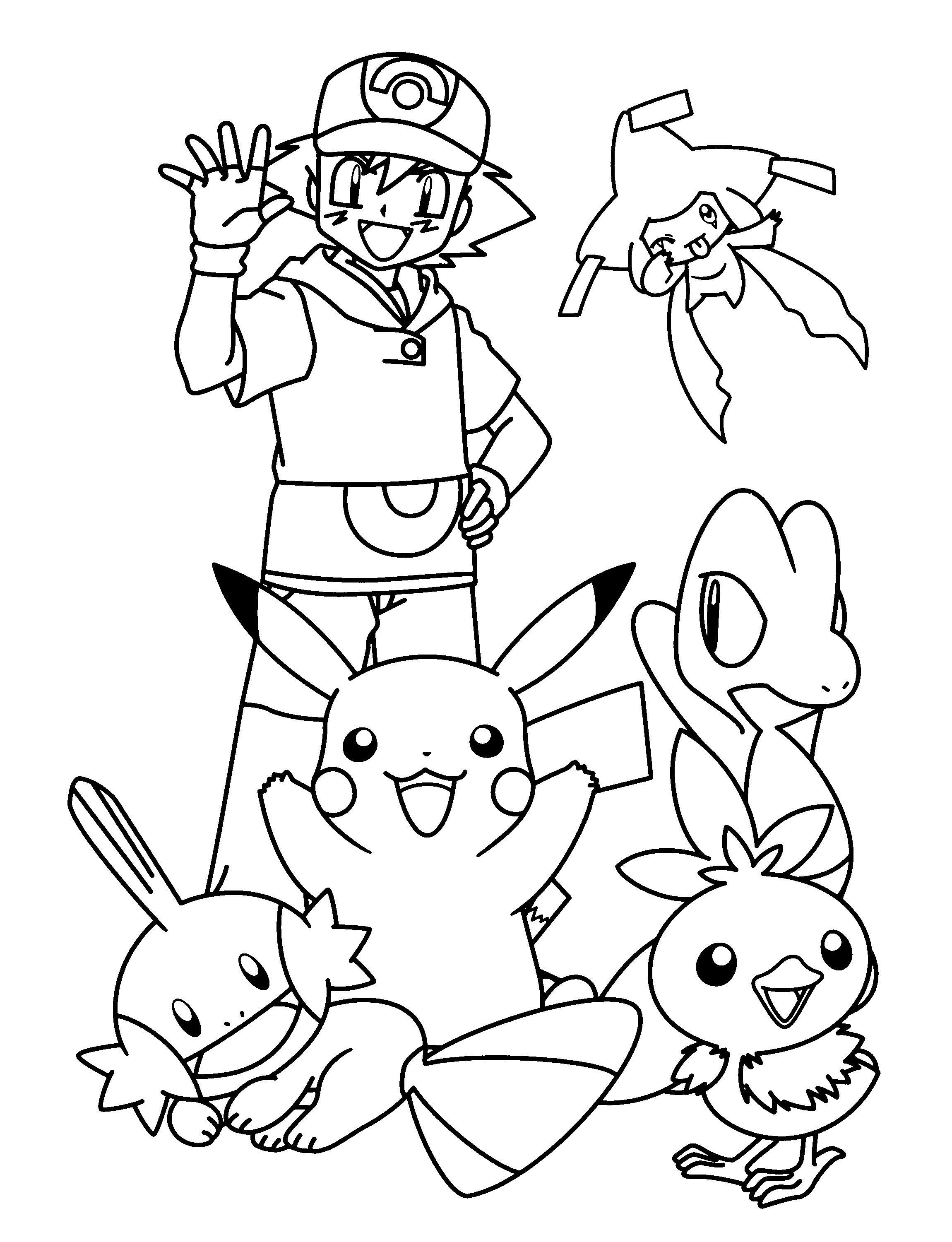
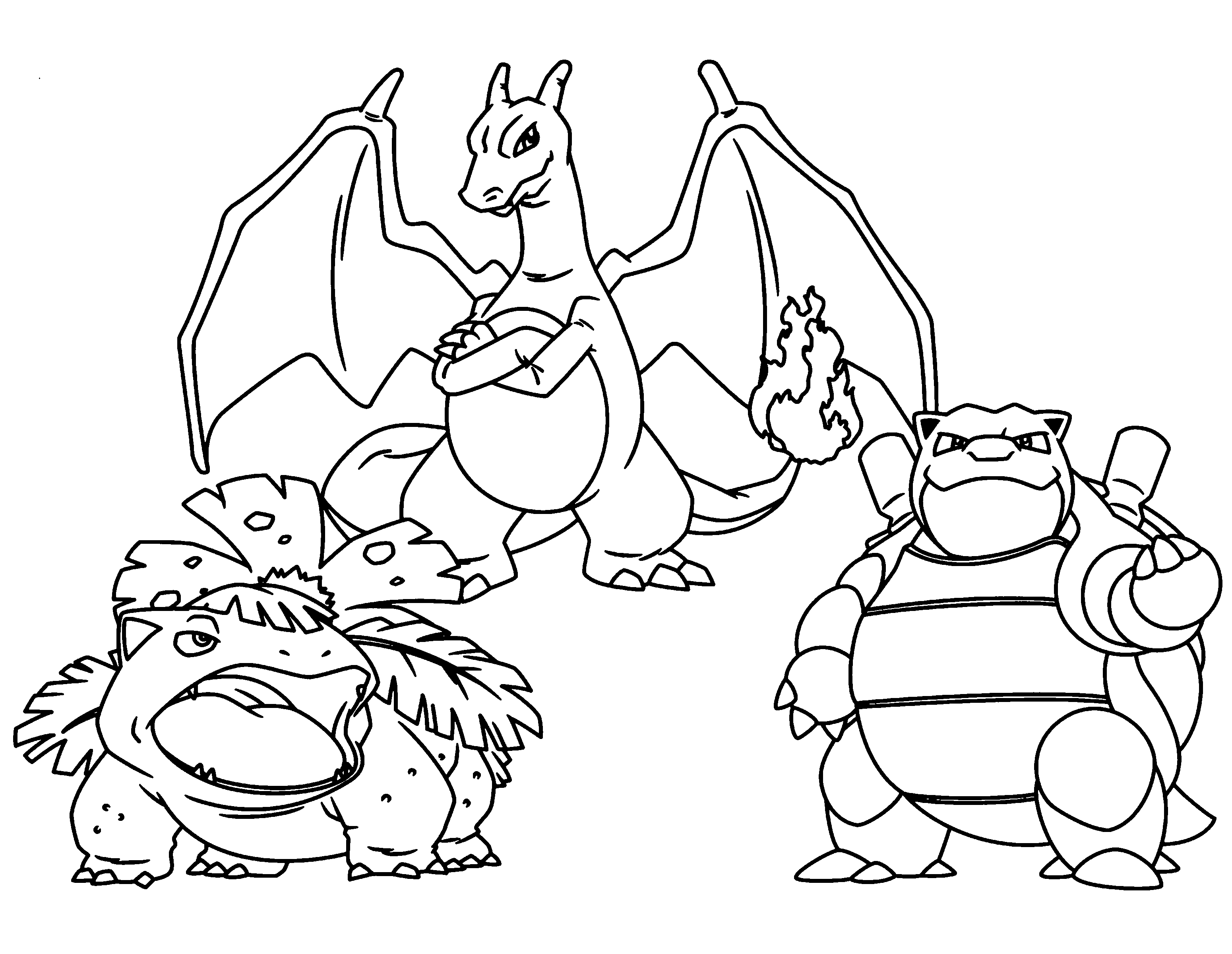
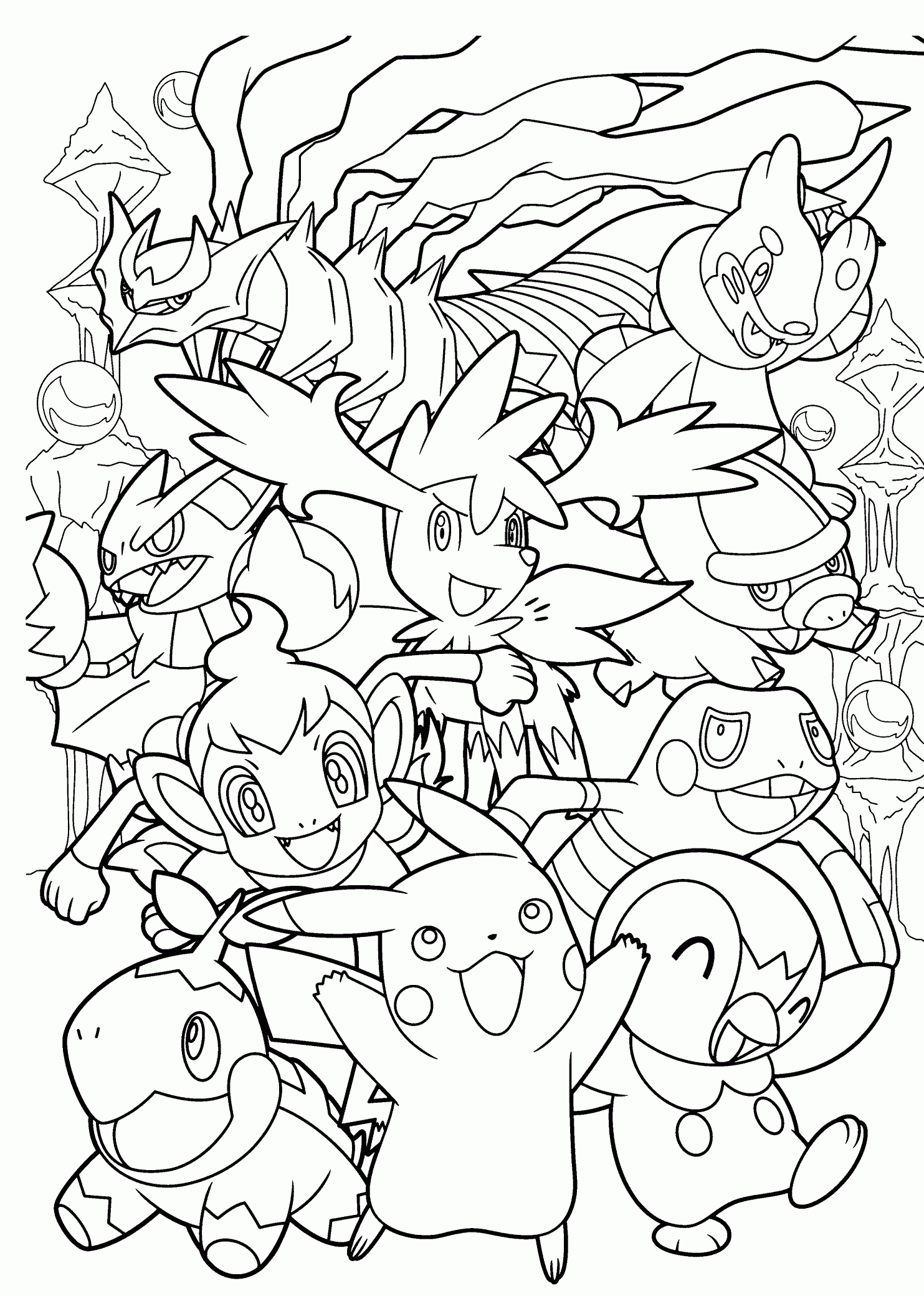
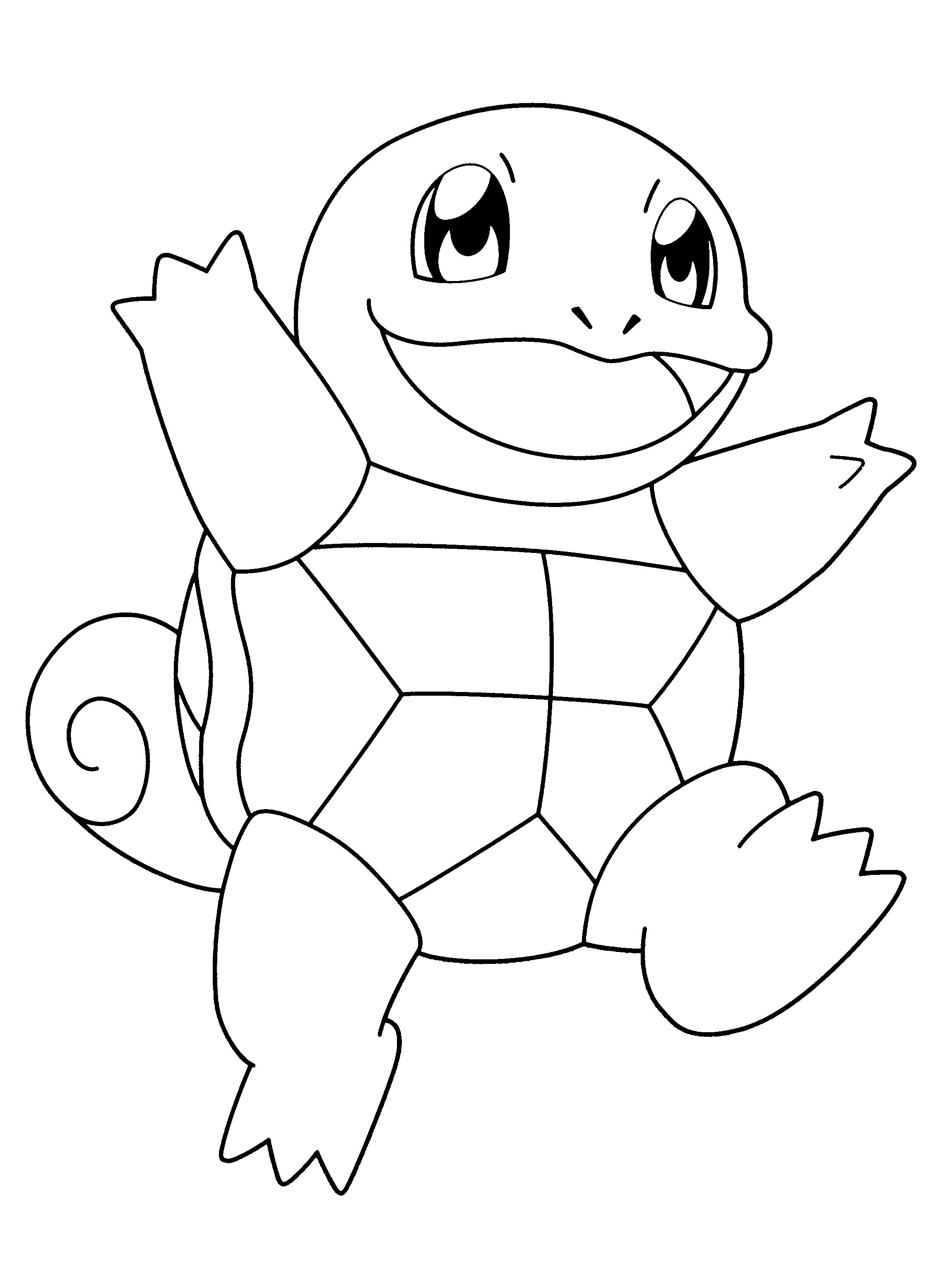
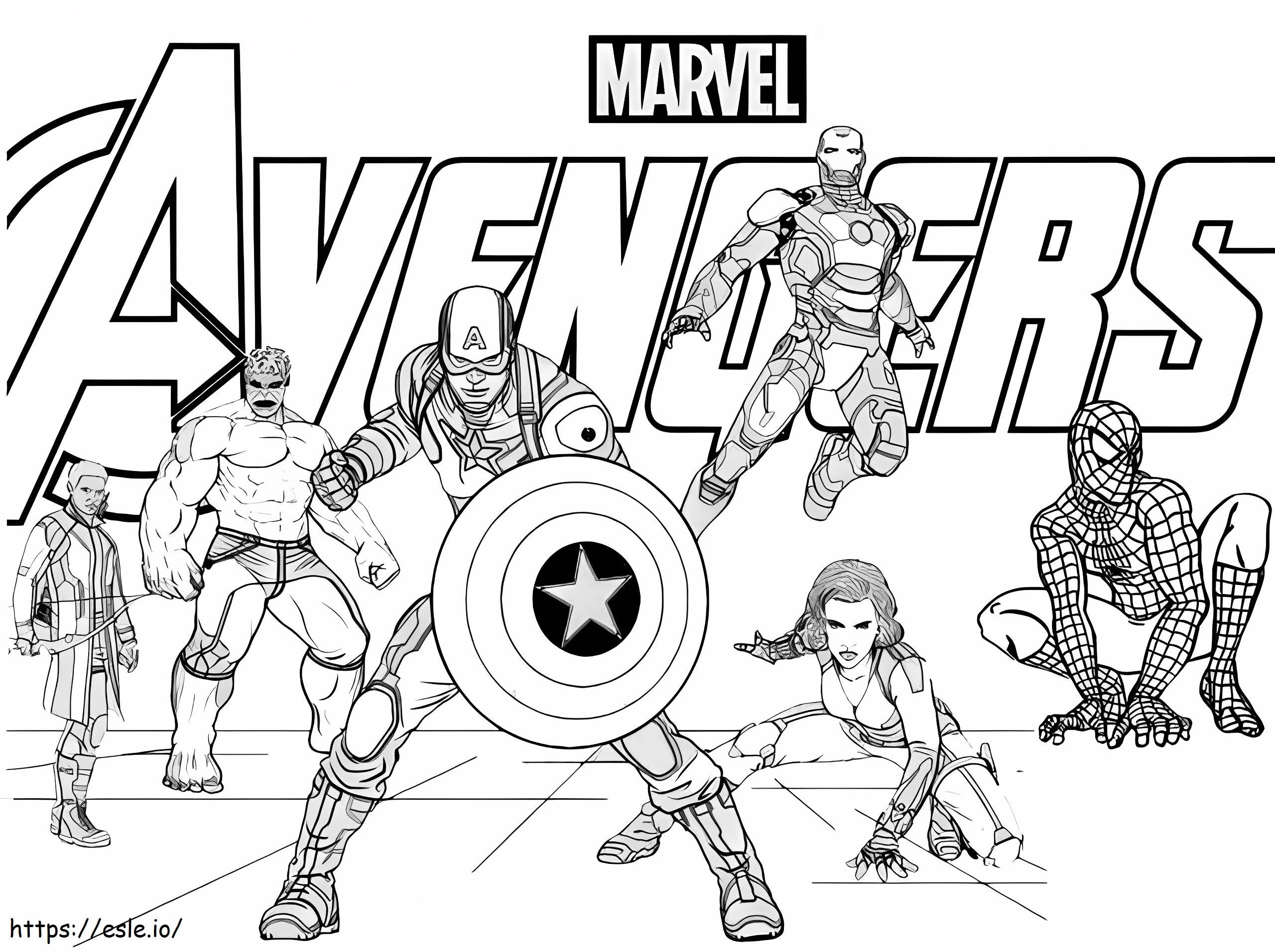
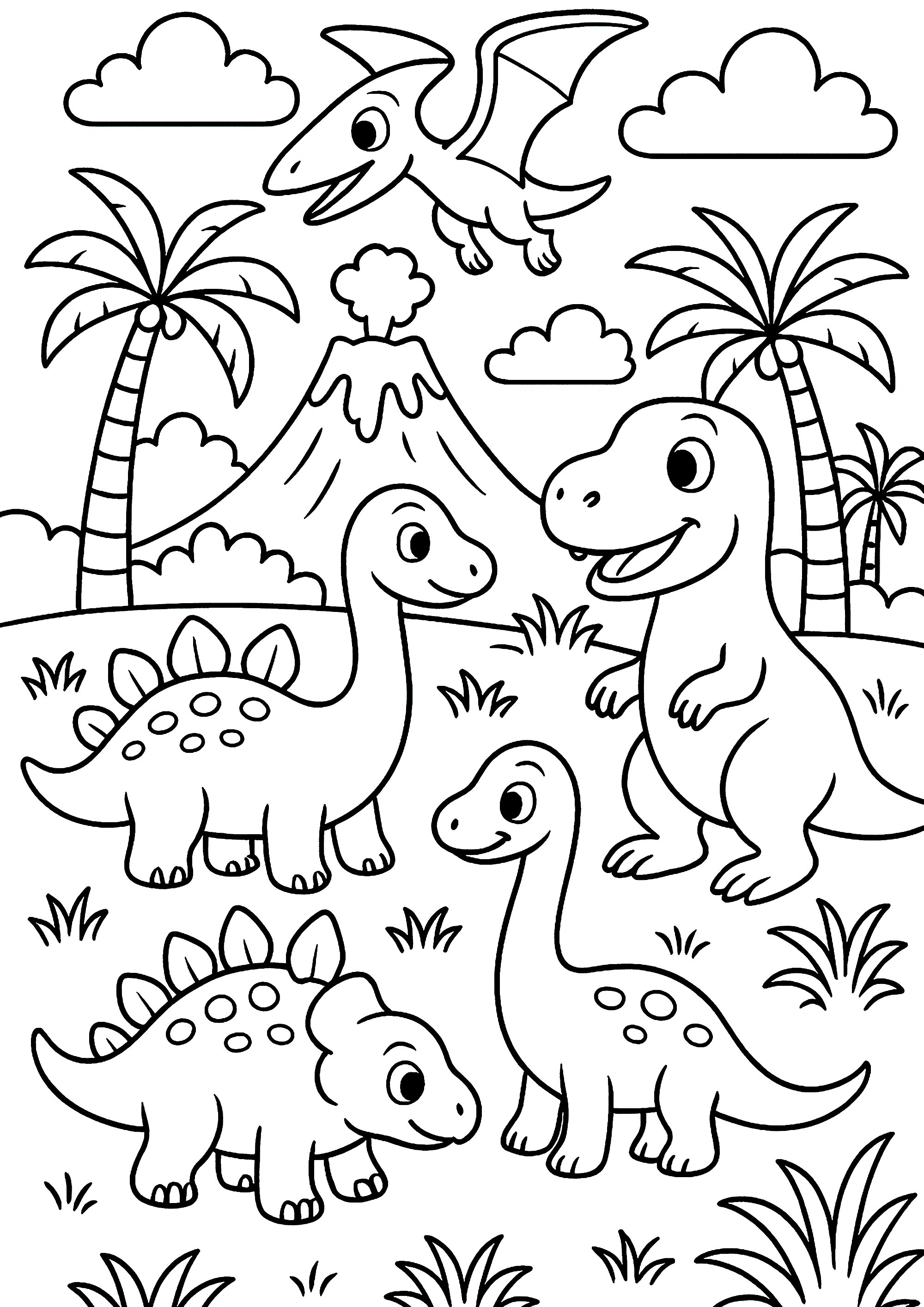
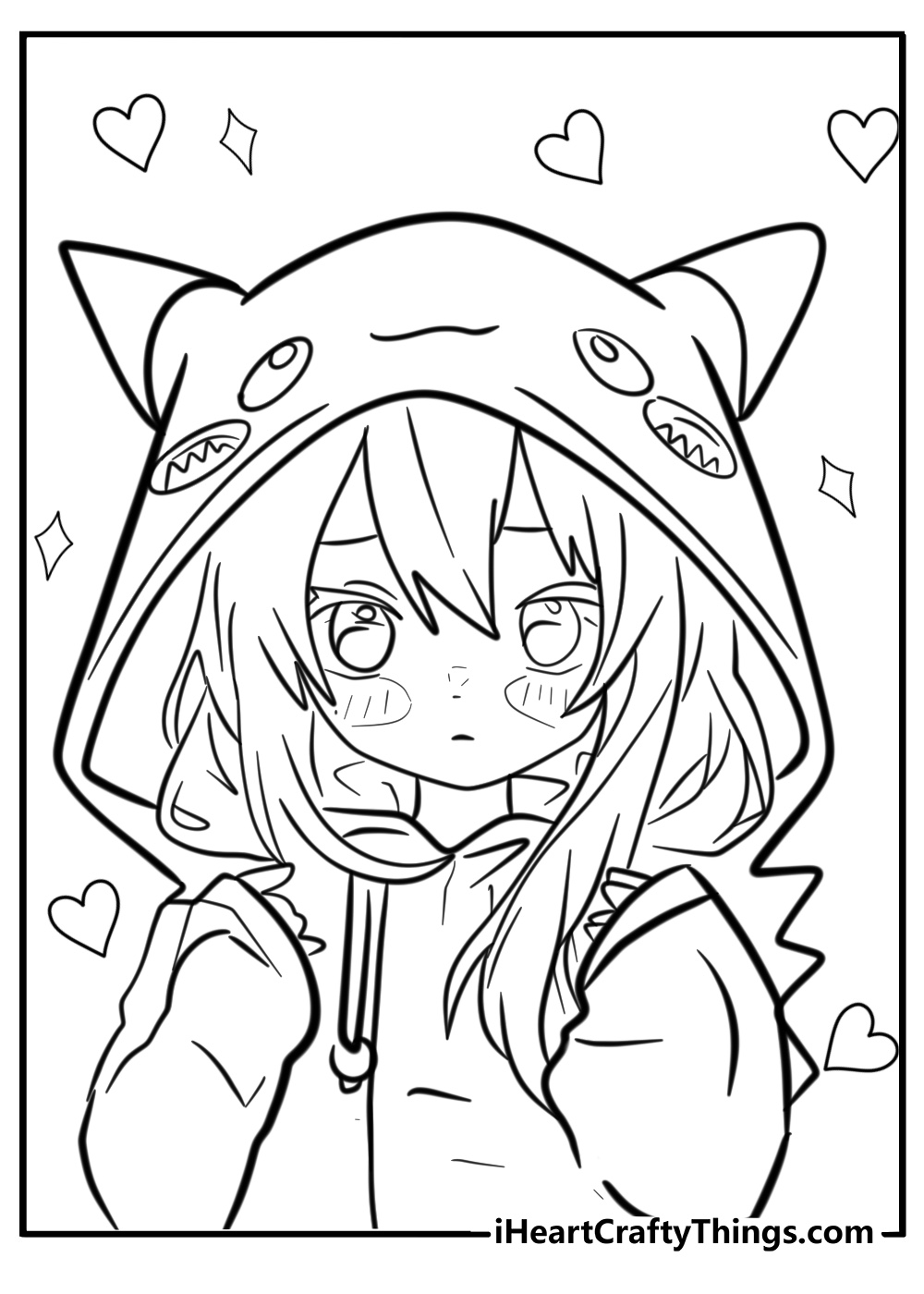
Coloring pages pokemon serve as structured graphical templates that merge familiar character recognition with essential fine-motor development and visual-spatial skill acquisition. According to the National Art Education Association (NAEA), structured visual exercises promote cognitive flexibility and enhance hand-eye coordination by encouraging children to navigate complex contour boundaries. Utilizing these thematic printable assets bridges the gap between engaging popular culture and foundational art education, making them highly effective resources for modern early childhood classrooms, homeschool environments, and developmental therapy settings.
Visual Learning & Skill Snapshot:
- Core Focus: Structured character outlines designed to reinforce fine-motor precision and visual literacy.
- Target Skill: Spatial reasoning, color theory application, and pencil grip endurance.
- Key Recommendation: Pair structured character sheets with open-ended Art Activities to foster creative confidence.
Core Principles and Learning Overview
Coloring pages pokemon provide predictable geometric shapes and distinct compartmentalized regions that actively support early childhood visual processing and color discrimination. Young learners must decipher line intersections, recognize silhouette boundaries, and apply targeted pressure to fill designated fields. This repetitive mechanical motion reinforces neural pathways responsible for manual dexterity. Furthermore, integrating popular character outlines into daily learning routines leverages intrinsic motivation, helping children sustain attention spans through self-directed graphic exploration and foundational Drawing Worksheets practice.
Key Specifications and Breakdown
| Age / Learning Stage | Visual Skill & Ratio | Pedagogical Application & Scaffolding |
|---|---|---|
| Ages 3-4 (Early Years) | Thick outer borders, simple round shapes, low detail ratio (1:4) | Focuses on gross motor control, basic color identification, and large marker manipulation. |
| Ages 5-7 (Early Elementary) | Complex facial features, segmented body panels, moderate detail ratio (1:10) | Develops pencil control, bilateral coordination, and deliberate edge-to-edge shading techniques. |
| Ages 8-10 (Advanced Primary) | Intricate background elements, dynamic poses, high detail ratio (1:25+) | Encourages advanced value blending, textural hatching, and independent composition planning. |
Intentional engagement with structured graphical outlines significantly bolsters visual-motor integration and sustained focus benchmarks — National Art Education Association (NAEA)
Step-by-Step Practical Application and Guidelines
Implementing thematic coloring sheets effectively requires selecting age-appropriate complexity levels, preparing high-quality heavy-weight paper stocks, and offering diverse mediums such as colored pencils, beeswax crayons, or washable markers. Educators should begin by guiding learners to identify primary light sources and plan color palettes before applying pigment to the sheet. Transitioning from simple character portraits to more dynamic scenes allows students to build confidence progressively. For supplementary creative projects, combining these templates with Printable Crafts transforms flat colored graphics into multi-dimensional classroom displays.
Common Challenges and How to Avoid Them
Children frequently experience hand fatigue, frustration with overlapping lines, or impatience when executing intricate color transitions within complex character designs. To mitigate these hurdles, educators should provide ergonomic triangular pencils to naturally correct grip posture and encourage short, scheduled sketching intervals rather than demanding prolonged sessions. Providing a diverse collection of Coloring Pages with varying levels of intricate detailing ensures that learners encounter manageable challenges tailored directly to their current developmental milestones without inducing discouragement.
💬 Frequently Asked Questions
Conclusion and Next Steps
Integrating thematic visual resources into daily learning environments provides a balanced framework for fostering technical proficiency, creative expression, and sustained concentration. Educators and parents are encouraged to continuously expand their resource libraries by exploring high-quality Coloring Pages designed to support holistic developmental milestones across every early childhood stage.
Printable Coloring Page Previews